Behind the decision not to charge officer who shot Georgia donkey


It was about 10 minutes past midnight on Aug. 30 when three police officers and a police dog searching for a missing girl encountered HeeHaw the donkey in his pasture.
What happened in the next 13 seconds spawned national outrage, an online campaign for “justice” for the animal’s owner that raised more than $167,000, death threats against officials and individuals involved, multiple lawsuits, and mudslinging among neighbors.
And despite having police body-worn camera footage of the shooting, people do not agree on what exactly happened that night.
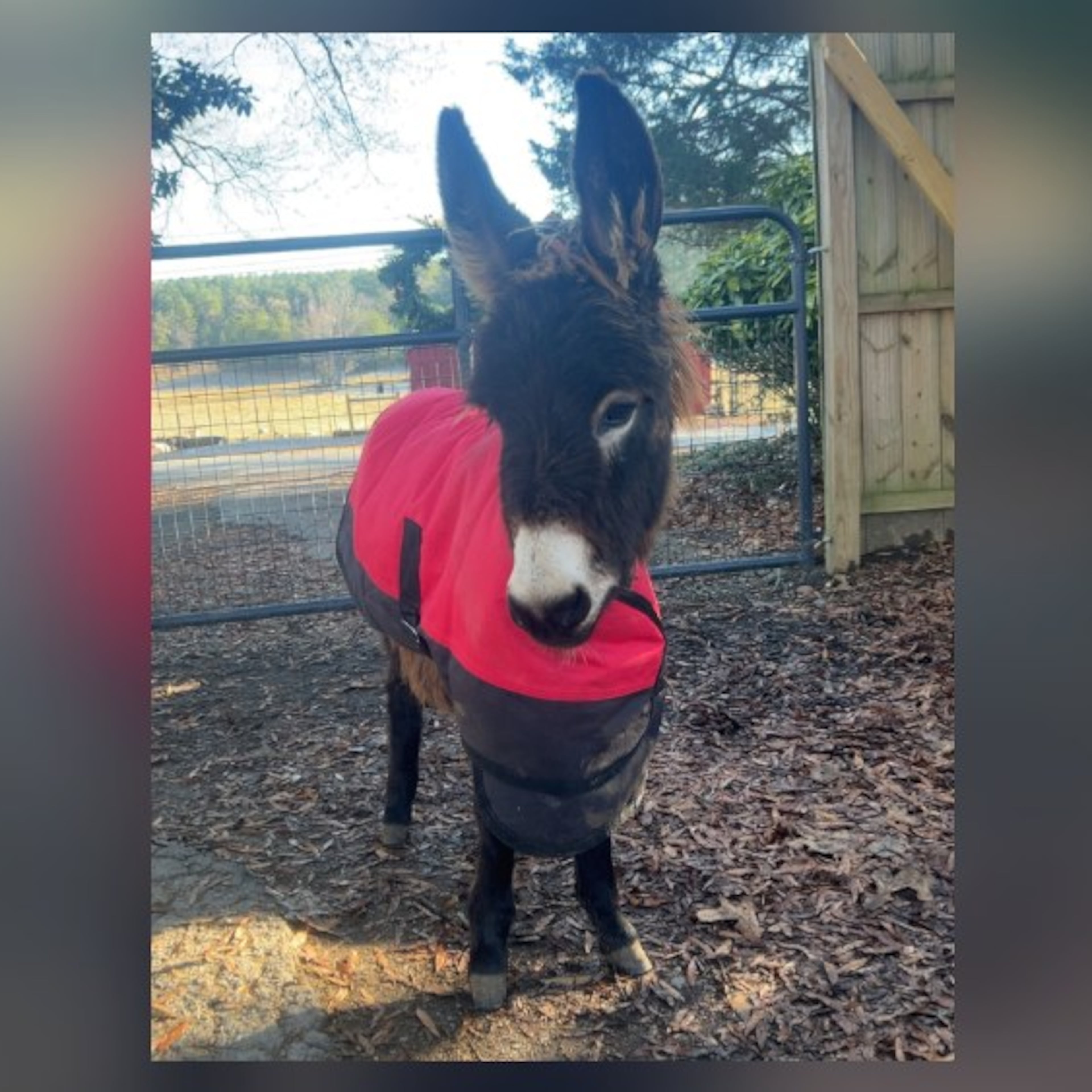
Hannah Israel, the donkey’s owner, said in court filings the “young, yearling small donkey” was making a friendly approach to the officers, as he was wont to do during his time as a petting zoo animal. An attorney for the police officer who fired the shot said in court filings the officers feared for their lives and had to act quickly.
The state investigators said the donkey was, in fact, being friendly, but the district attorney, who declined to bring charges, called that determination “purely an opinion.”

The Atlanta Journal-Constitution has reviewed investigative reports with witness interviews, footage from the scene and several lawsuit filings stemming from the shooting. The district attorney’s office, which declined to comment to the AJC, issued a 12-page report outlining its reasoning for not bringing criminal charges.
The DA’s report was largely based on the state Department of Agriculture’s investigation into what happened that August night. That department had recommended felony charges.
In two separate suits, Israel sued the officer who fired the shot and her neighbor, a former boyfriend and key witness in the state’s investigation. That witness said that although he didn’t think HeeHaw deserved to die, the donkey had been aggressive before. He also said Israel staged a photo of a child mourning over the donkey to use on her fundraising campaign — an allegation she denies.
The night of the shooting
The AJC obtained body-worn camera footage from the incident. The officer turned on his camera after the shooting, and it recorded the 30 seconds before activation without audio, as is typical of this type of recording.
The officers, holding flashlights, are climbing a grassy hill in the dark. As the donkey trots over the hill, the officer holding the dog’s leash quickly retreats out of view as the dog seems to jump frantically.
The donkey moves toward another officer, who is backpedaling more quickly as the animal approaches while holding out his Taser to arc it, flashing a light.
HeeHaw, undeterred, keeps advancing on the officer who keeps moving backward away from him, the footage shows. Officer Trenton Garner, who is off to the side and whose camera is rolling, fires one shot and strikes the donkey, who then turns and runs away.
The recording continues for about six minutes, in which officers can be heard lamenting the shooting and saying they had been afraid of the animal.
“That donkey was about to eat me up,” the officer approached by HeeHaw said later in the footage.
An officer said in the bodycam footage one minute after the shooting that he “thought that donkey was going to kill us.”
“God, I hate that I had to do that,” Garner said in the clip.

The state’s investigation and DA’s findings
The Georgia Department of Agriculture, tasked with investigating what happened that night, determined the donkey’s approach to the officers was “friendly.”
Footage does not show the donkey charging, biting or kicking, the state points out. It does show HeeHaw trotting up to the officer with his head raised and open mouth, within about an arm’s length of reaching him before Garner fired the deadly shot.
A witness interviewed by the state investigator said the donkey “was an aggressive little thing,” with a history of biting and kicking, and had been put out in the pasture months before.
Still, the department’s investigation determined the Cedartown officer could be criminally charged for aggravated animal cruelty and violation of oath of office, largely because it deemed the donkey’s approach to be friendly. The department declined to comment beyond the report.
“The donkey was observed approaching the officers in a non-aggressive manner just before being shot,” the agency said in its report. “The donkey’s behavior was observed to be an approach and not an attack and there was no immediate threat of death or serious bodily harm.”
The district attorney, Jaeson Smith, didn’t agree. The key legal factor in his decision — and which he says the state’s findings didn’t consider — was the fear the officers at the scene experienced as the donkey approached them.
“Regardless of public opinion, all three officers in the pasture developed an immediate perception of danger,” the DA said in the report. “Garner’s actions can be considered reasonable to protect others.”
The legal standard, Smith said in his report, is if an “objectively reasonable person” would feel the need to use force to protect themselves and others.
Smith said in his report the donkey was postured, with his head raised and mouth open as he got closer, and the officer was stepping backward quickly to avoid him.
Chris McCormick, the attorney for the donkey’s owner, called the DA’s report “one-sided” and said a jury should decide if the officer’s fear and actions were reasonable.
“That’s his belief,” McCormick said in an interview with the AJC. “A jury should make that determination, not him.”
Garner’s attorneys did not respond to requests for comment, but in court filings argued the donkey “posed an imminent threat to a fellow officer.”
Was the donkey aggressive?
Witnesses interviewed by the state investigator said HeeHaw had shown aggression on multiple occasions, the report shows.
Bobby East, the neighbor who had previously dated Israel, told investigators he helped raise the donkey and was involved in his upbringing and care. He said HeeHaw had “become a problem child” and was put out into the pasture, according to the state’s investigative report.
“He said the donkey would run up to strangers screaming and would bite them,” the state investigator wrote in the report from his interview with East.
Another witness, who had previously worked on the farm and was not named in the report, “said the donkey was aggressive” and “would jump on you, kick you, bite you and nudge you,” to the point where “you would think he was about to run you over,” according to the report.
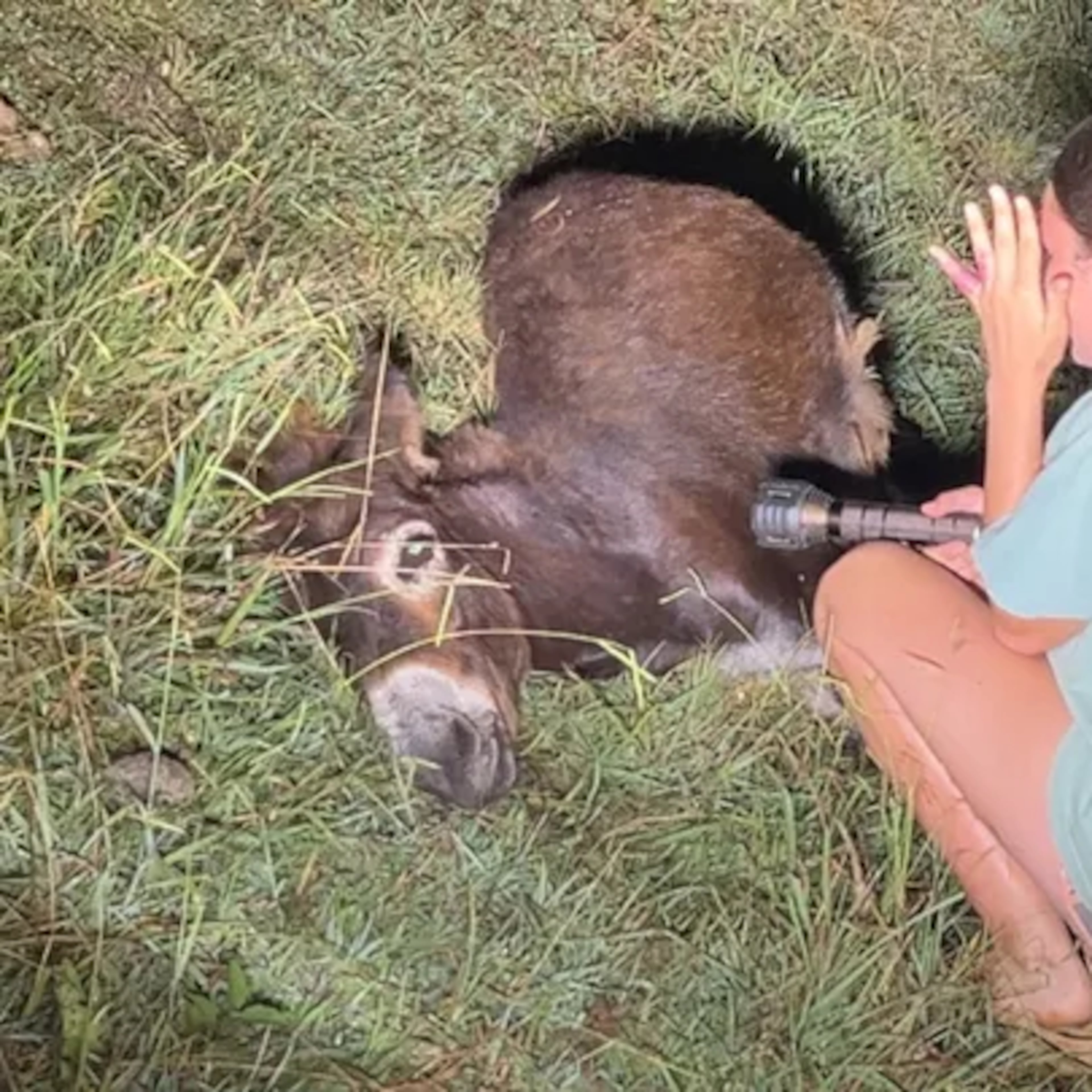
East also told investigators he joined the search for the donkey’s body that night and was the one who found him. He said that although they were standing over the dead donkey, Israel told a girl who lives and works on the farm to pose next to the donkey for a photo and to “look sad,” the DA said in the report.
But McCormick said that never happened: “Absolutely false.”
And the claim that the donkey was aggressive? “Patently false,” he added.
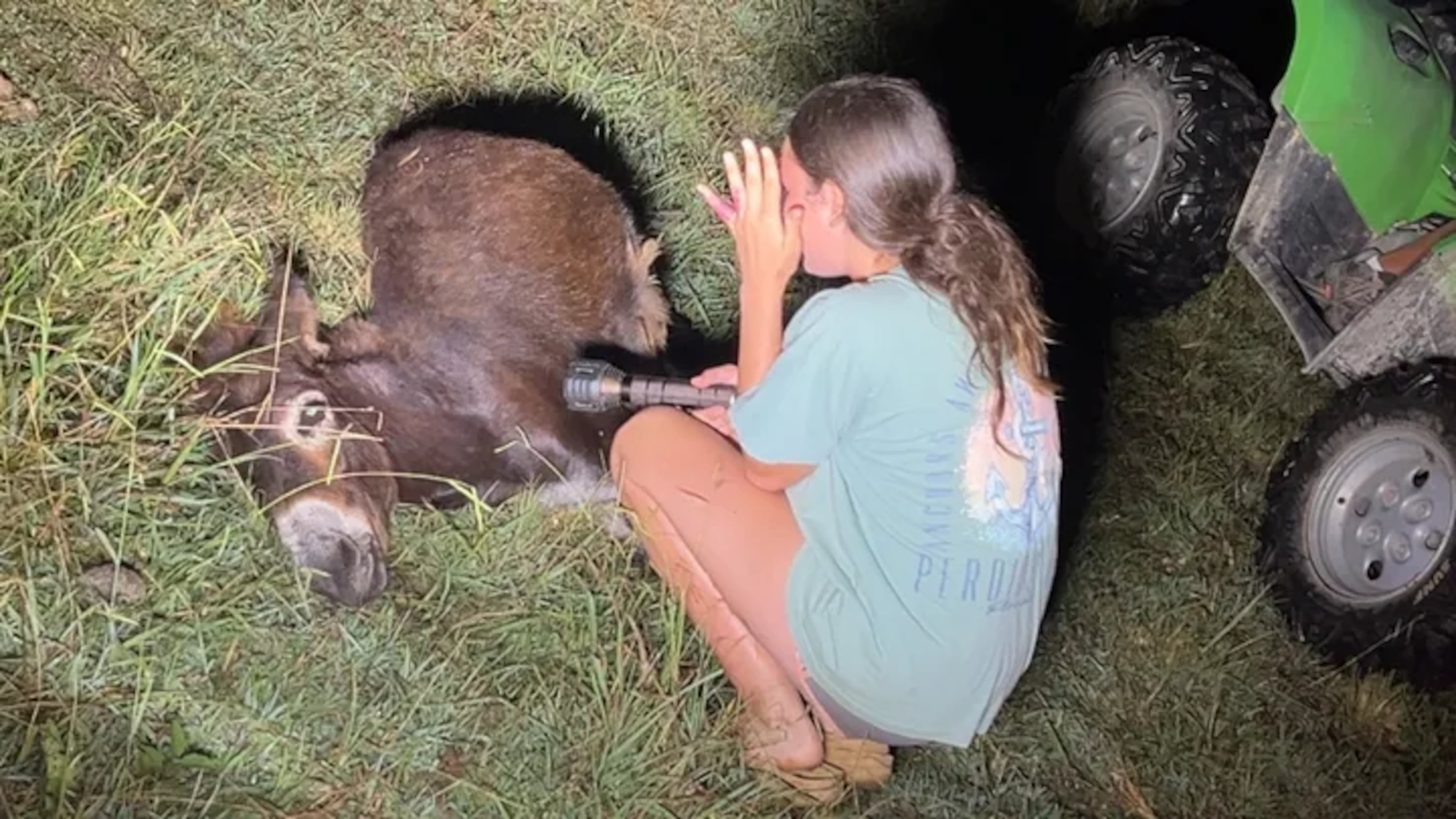
The image in question was later used in Israel’s GoFundMe campaign, which raised around $167,000 originally to support legal fees. The purpose of the fundraiser was later updated to support the farm.
Israel has filed a defamation lawsuit against East, alleging he knowingly and maliciously lied about her and HeeHaw.
The lawsuit accuses East of slander and libel, and says he “twisted the facts and the truth by omitting relevant facts and circumstances and alluding to facts and circumstances that did not happen and that do not exist.”
East told the AJC he stood behind what he told authorities, despite the lawsuit. He also said he loved HeeHaw and does not think the officer should have shot him.
“I’m simply standing for the truth,” he said.
The DA, in his report, said the prior interactions with the donkey support that it was reasonable for the officers to feel they were in immediate danger.
The incident and its aftermath caused such a firestorm online that multiple people involved have received death threats, many of which have been referred to federal authorities, Smith said in his report.
“Citizens have every right to question and criticize their public officials. However, threats and violence have no place in that process,” Smith said in the report. “The role of a prosecutor is not to satisfy public opinion or achieve universal approval; such a goal is both unattainable and irrelevant to the proper exercise of prosecutorial discretion.”