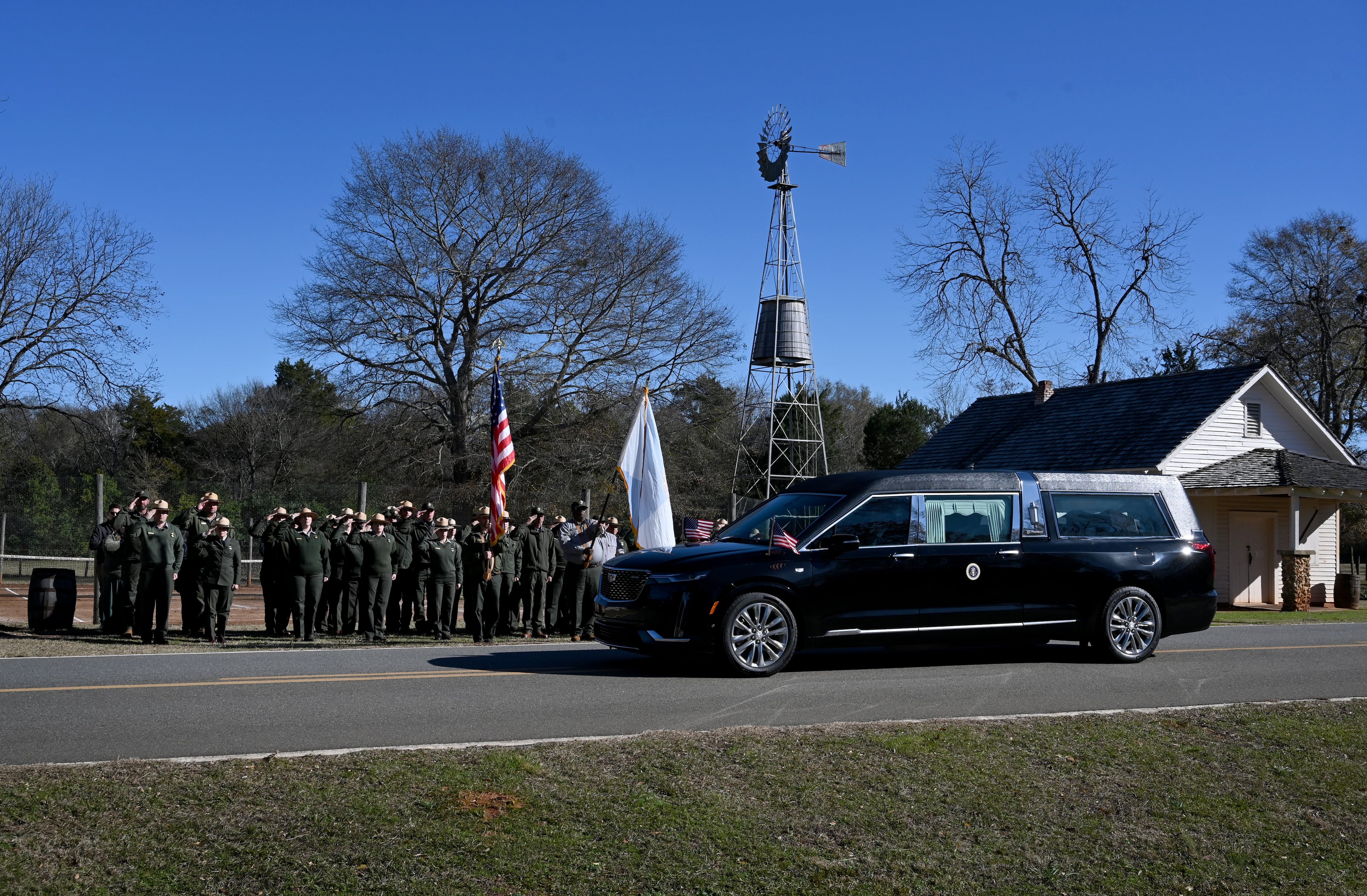
Jimmy Carter loved turkey hunting. Soon his hunting land may be open to you.

With a loaded shotgun in the woods of southwest Georgia, Jimmy Carter went searching for wild turkeys. He looked for their tracks in the sand and mud. He practiced his turkey calls, listening to tapes of champion callers, trying to convince the male birds that a lonely hen wanted their attention. One day he pulled the trigger with #4 shot and took down an 18-pounder.
“I know of no other kind of hunting that requires more skill, patience, practice, knowledge of woodsmanship — and luck — than seeking the wily gobbler in his own territory,” the former president wrote in his 1988 book “An Outdoor Journal.”
Soon you may be able to go turkey hunting in the same woods where Carter once did.
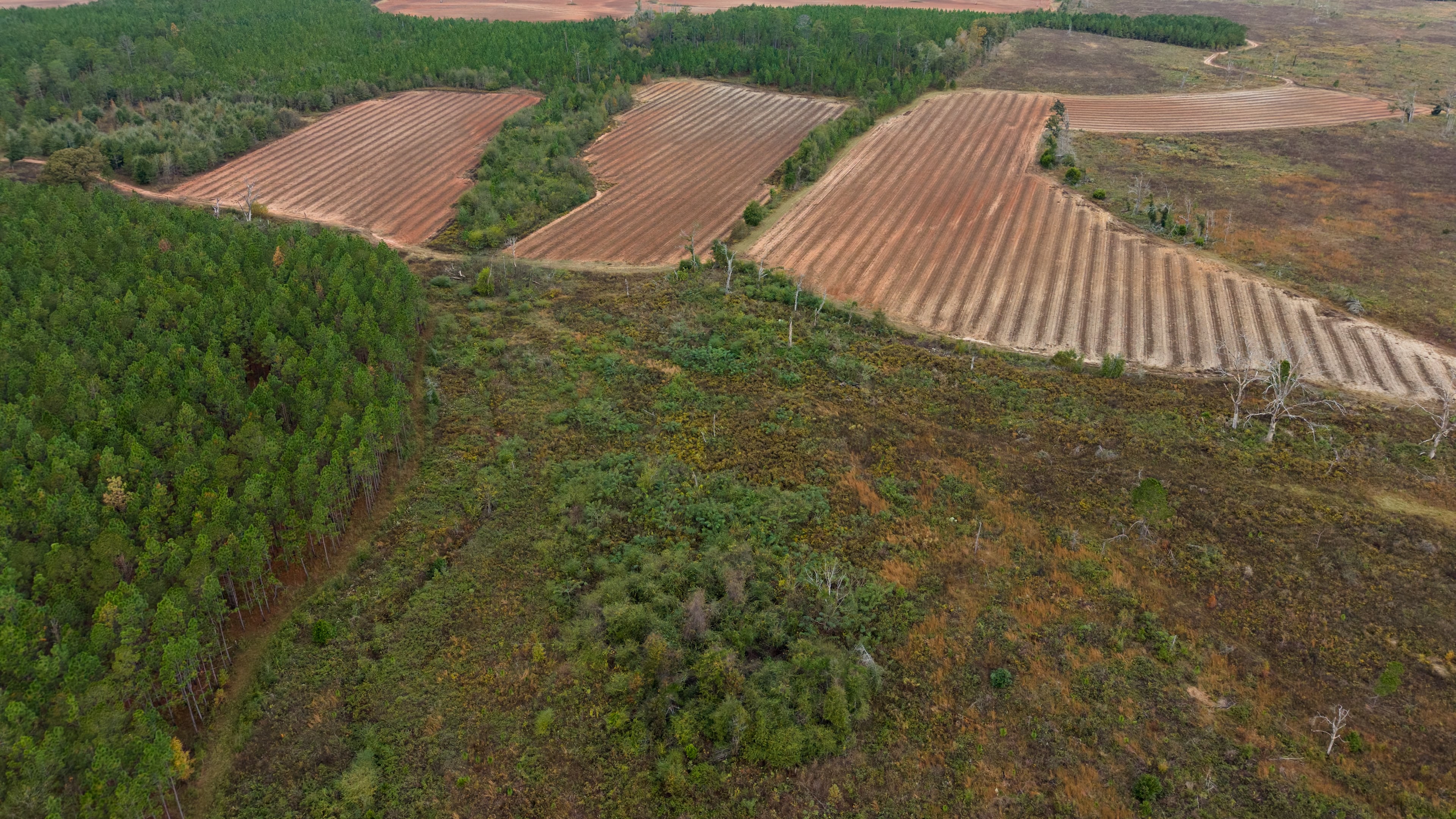
In a major land transaction that closed Friday, a Virginia-based nonprofit called the Conservation Fund purchased about 2,500 acres that includes the former Carter farm in Webster County, west of Plains. The group intends to hand the property over to the state of Georgia, significantly enlarging the Lanahassee Creek Wildlife Management Area.
At Lanahassee, the rules are clear: No geocaching allowed before 10 a.m. during turkey season.
Carter’s old land will likely become open to the public some time in 2027, said Stacy Funderburke, a vice president for the Conservation Fund. With about 1,600 acres of Carter land plus another tract from an adjacent landowner, the total purchase price was about $8 million.
“I think it’s of huge historical significance for the state of Georgia,” Lee Taylor, chief of game management for the Department of Natural Resources, told The Atlanta Journal-Constitution in a phone interview.
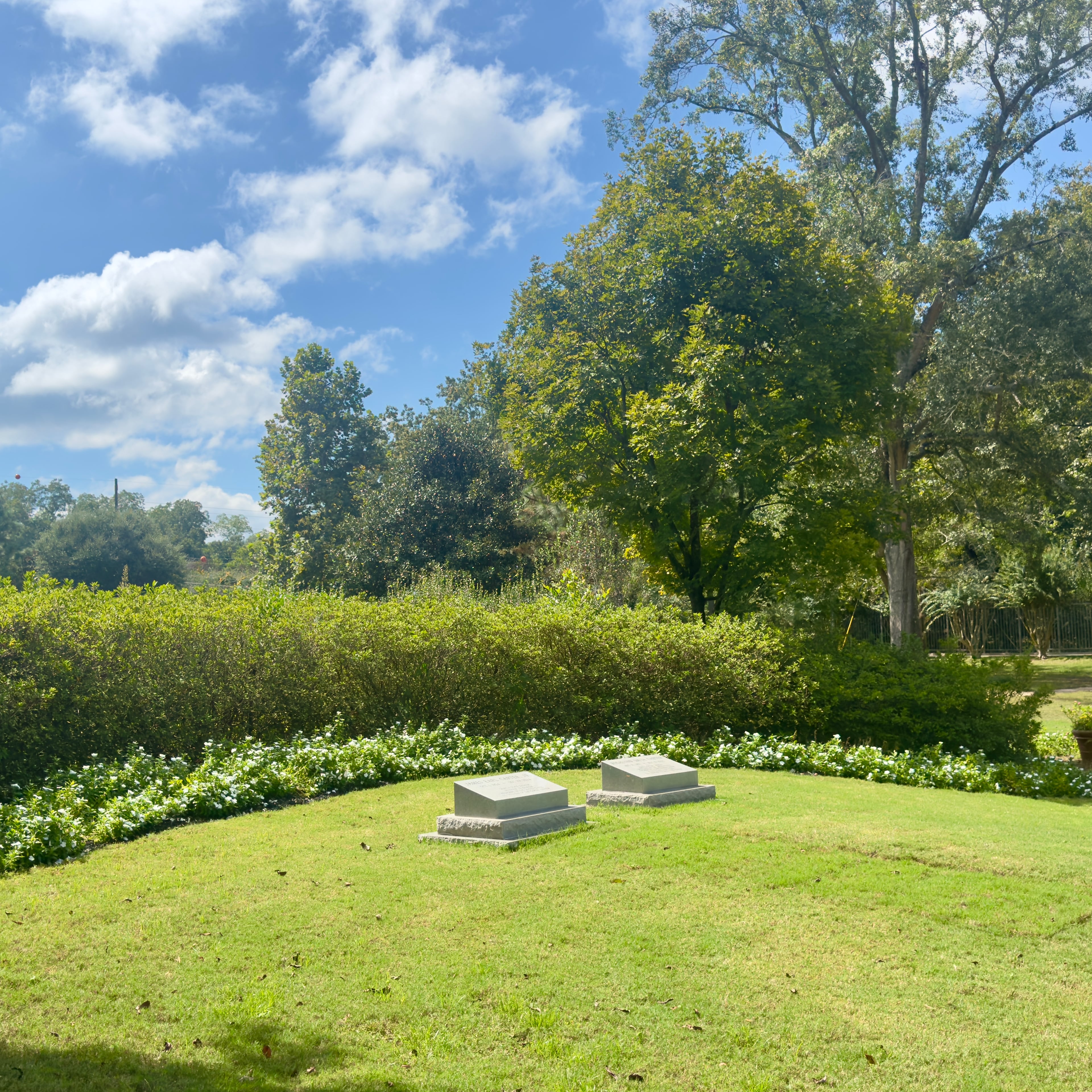
Carter died in late 2024, about a year after the death of his wife, Rosalynn. When their children looked into selling the land, the Conservation Fund stepped in as a bridge between private and public ownership — because, as Funderburke said, “the government doesn’t quite move at the speed of real estate.” The AJC was unable to reach any of the Carter heirs Monday.
Jimmy Carter was famous as a peanut farmer, and the land sold last week includes some historic farmland. The family also grew corn and sugarcane on the property, where Carter helped work the fields as a youngster and frequently returned as an adult.
The land purchase does not affect Carter’s boyhood farm and home closer to Plains, the former president’s hometown. That smaller parcel of land is already open to the public and managed by the National Park Service as part of the Jimmy Carter National Historical Park.
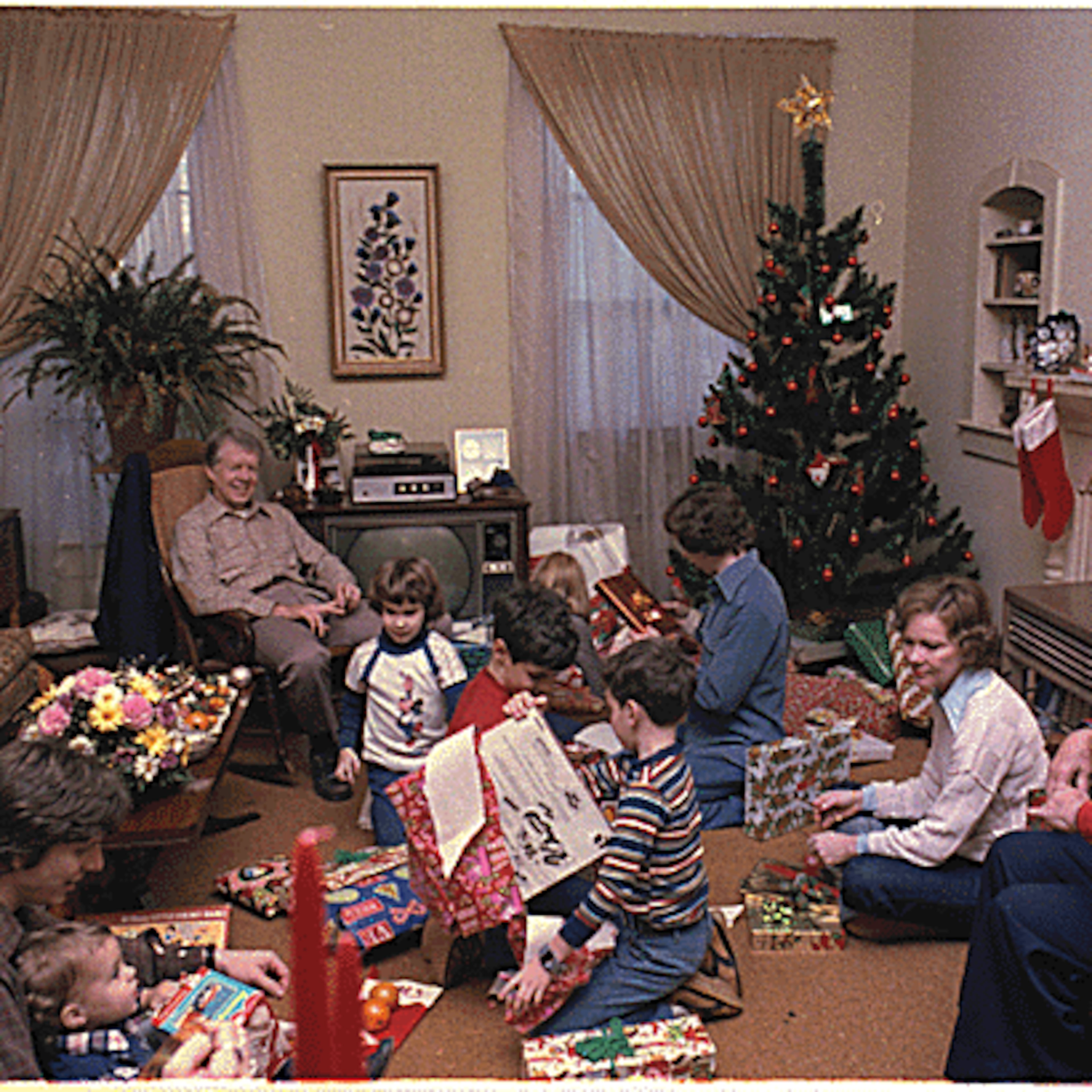
Blake Sullivan, a forestry consultant who helped the president manage the larger land for decades, said these woods were “a retreat to get away from the noise and politics.”
Sullivan recalled hunting with Carter.
“He was a crackerjack turkey hunter,” Sullivan said.
The rabbit story that wouldn’t go away
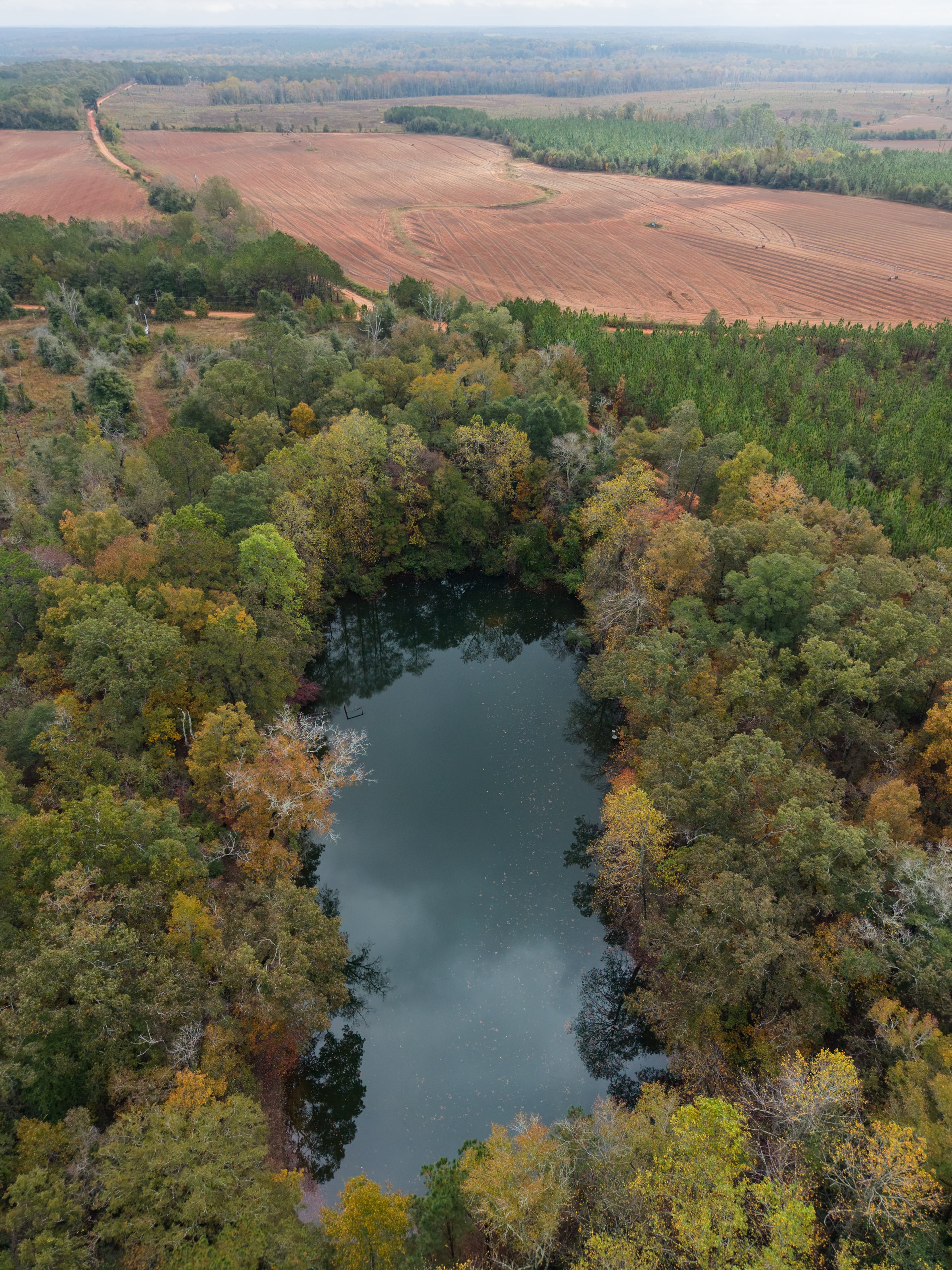
There are two ponds on the property, according to Sullivan, and one hosted the infamous “Killer Rabbit” incident. It was all a misunderstanding, he said, blown out of proportion by the national media.
Carter liked to go fishing in a johnboat in the pond. One day he encountered a rabbit.
As press secretary Jody Powell wrote:
The animal was clearly in distress, or perhaps berserk. The president confessed to having had limited experience with enraged rabbits. What was obvious, however, was that this large, wet animal, making strange hissing noises and gnashing its teeth, was intent upon climbing into the presidential boat.
Had I been doing my job, I would have stopped the president at that moment, pointed out the dangers to him and his administration if such a story ever got out, and sworn him and all within reach of his voice to secrecy.
Sadly, I did nothing of the kind.
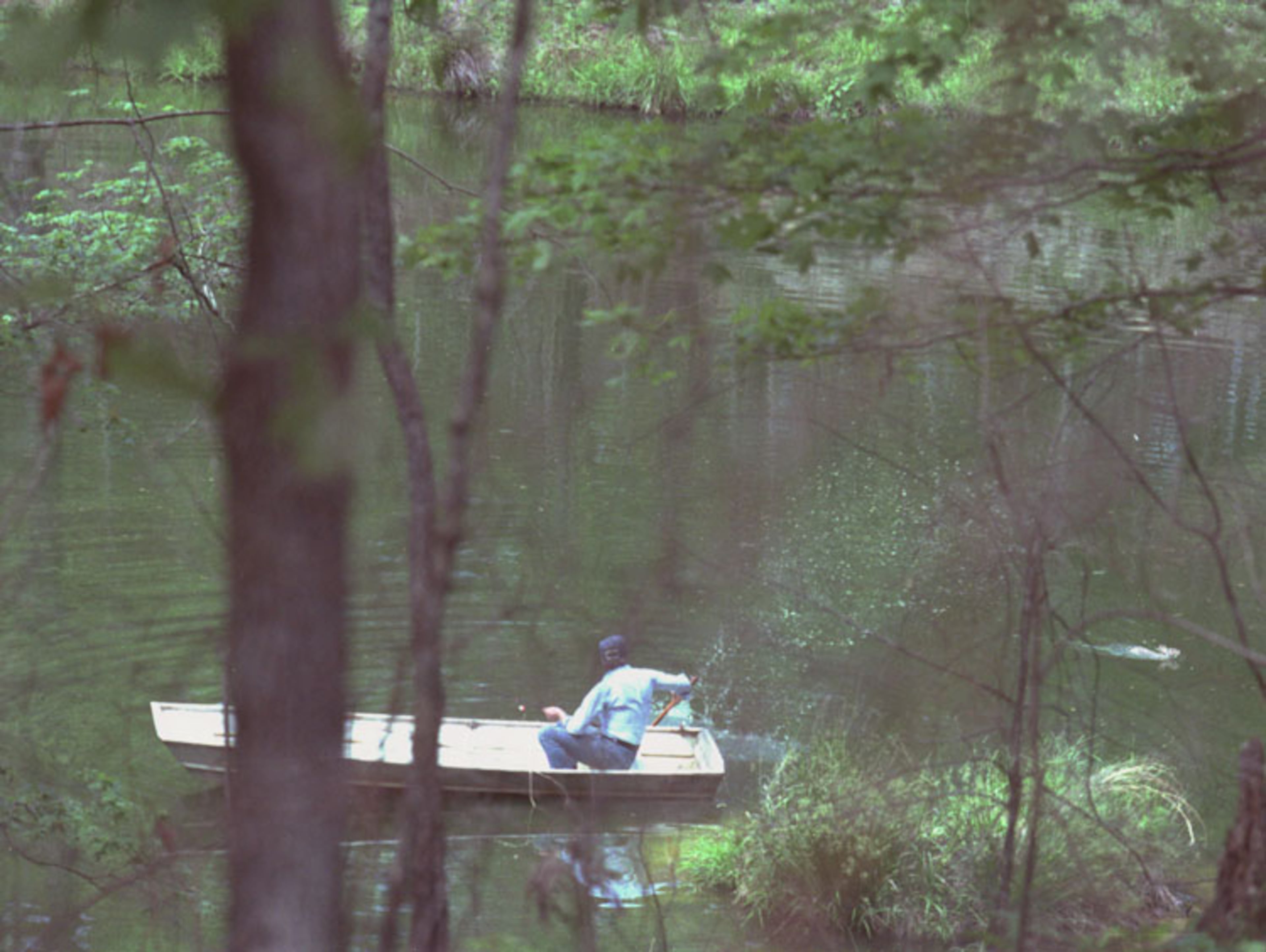
The story grew and grew. It went from The Associated Press to national newspapers to the TV networks. Carter kept having to answer questions about the rabbit.
“Almost four years later,” Powell wrote, “I sat down for a chat with the political editor of a major regional newspaper and the first question he asked was about the killer rabbit story. He said he considered it to be the beginning of the end for the Carter administration.”
Almost 50 years after the fact, Sullivan is still displeased on Carter’s behalf over the way journalists handled the rabbit incident.
And he said the Carters had taken good care of the land. This transaction is a big win for conservation, especially for the longleaf pine and the gopher tortoise.
“They could have sold this property to anybody else,” Sullivan said, “but they wanted to make sure the legacy and the stewardship were protected.”
As president, Carter worked hard to keep wild land wild, including signing the Alaska National Interest Lands Conservation Act in 1980 to protect more than 100 million acres.
Now, two years after his death, his family has continued that work in the place he called home.