‘A horrific, rare event’: Six Flags incident may trigger lawsuits over safety
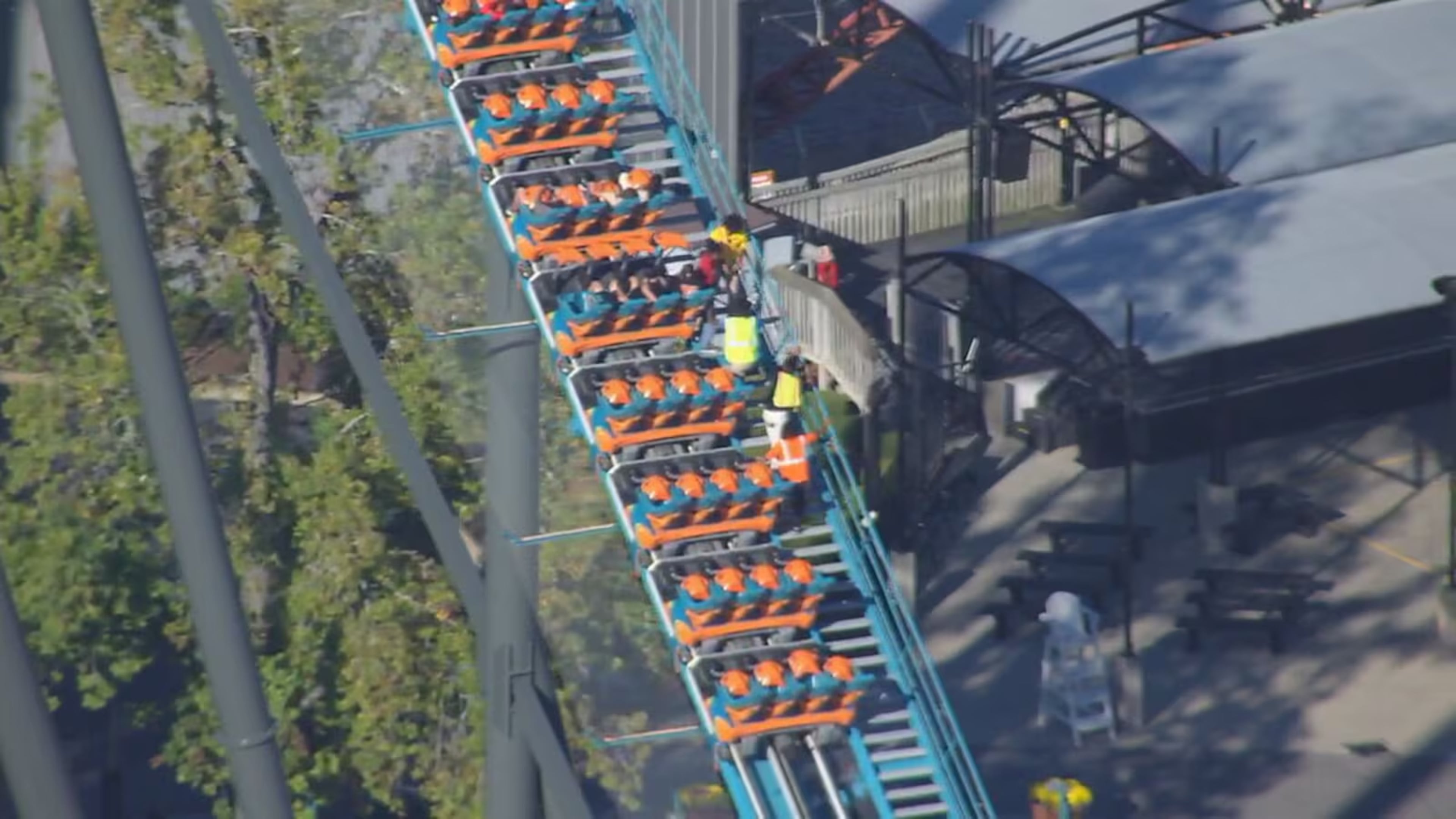
Hassan Kariem was riding on a roller coaster just outside of Atlanta, his home city, when police say he was ejected from his seat.
Authorities say he struck other riders as he plummeted from the Goliath roller coaster in the Monday incident. He was unresponsive and not breathing when officers arrived.
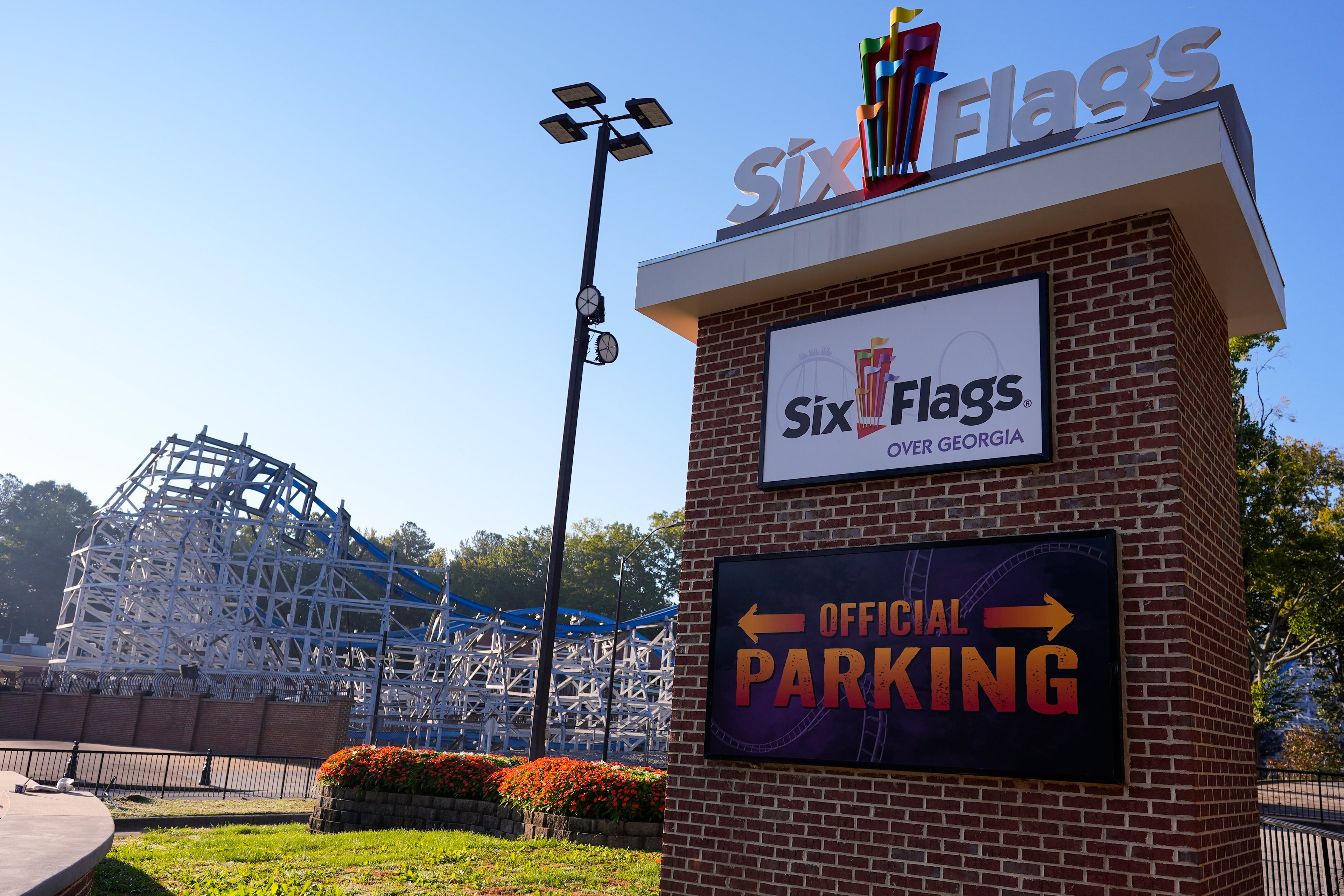
His death at Six Flags Over Georgia sent shockwaves across the U.S. as images and eyewitness accounts flooded social media. Some online have pledged to never ride a roller coaster again, too fearful of the unimaginable horror of falling out. Six Flags closed similar roller coasters at its other theme parks “out of an abundance of caution.”
While the thrilling rides are statistically “extremely safe,” there are no federally-mandated safety standards amusement parks must meet and no federal requirement to report safety incidents, said Brian Avery, an amusement park industry expert, in an interview with The Atlanta Journal-Constitution.
“Statistics don’t really mean much when you’re the victim,” he said.
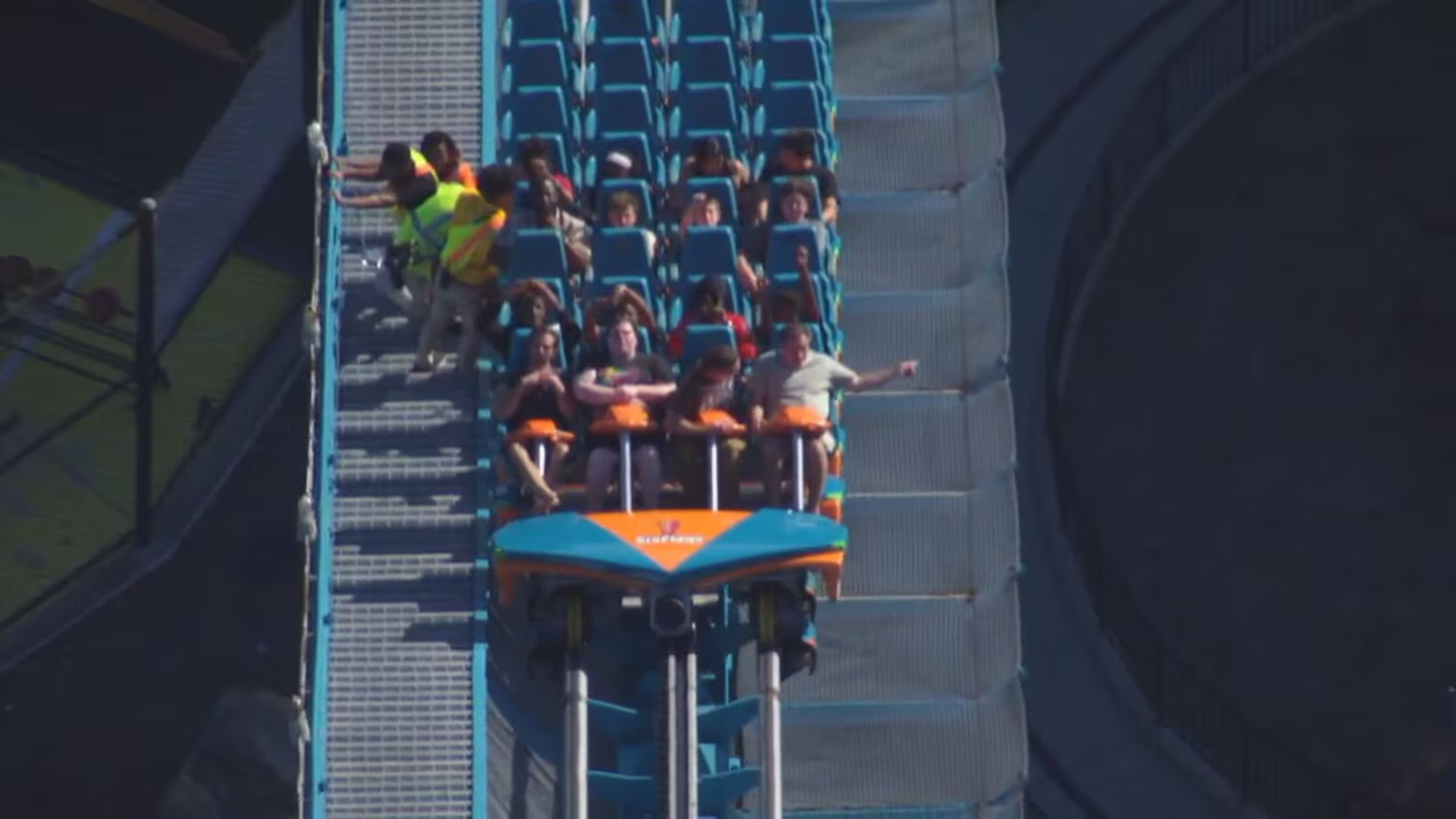
Attorneys say it’s too soon to know what exactly went wrong or if the park should be held liable. But safety incidents, while rare, may have an outsized impact on public perception.
“It’s a horrific, rare event,” said Evan Echenthal, an Atlanta liability attorney. “Everybody takes their kids to the amusement park. The last thing you want to think of is somebody getting thrown off.”
The Cobb County Police Department has released limited information about what happened but did say Kariem was ejected from a roller coaster, citing interviews with witnesses and employees. The major crimes unit is investigating the death, police said.
Georgia Insurance and Safety Fire Commissioner John King said in Tuesday’s Atlanta Press Club debate that his inspectors are “currently on the ground looking at every nook and cranny, conducting interviews and conducting a thorough review of what happened.” The department did not respond Tuesday to the AJC’s emailed questions.
A company spokesperson said the park is cooperating with the police investigation and did not respond to specific questions about safety measures.
Earlier this year, Six Flags President and CEO John Reilly said the company has incurred higher repair and maintenance expenses at certain parks but “will not compromise on safety.”
Roller coaster safety
Designing and building a coaster requires rigorous industry safety standards and testing, and the company that designed and manufactured Goliath, Switzerland-based Bolliger and Mabillard, has a “stellar reputation,” Avery said. The manufacturer did not respond to the AJC’s request for comment Tuesday.
Avery told the AJC he has worked in the industry for over 35 years, including at Sea World, Discovery Cove, Universal Studios, and as an inspection consultant at parks around the world. He’s currently a professor at the University of Florida, teaching courses on theme park and attraction management. His expertise is in risk and safety management, and he has testified as an expert witness in court.
Roller coasters also come with certain requirements for riders’ height and weight limits to ensure the restraints fit properly, he said, along with specific operating, maintenance and inspection instructions and standards, which become the park’s responsibility once it’s in action.
The International Association of Amusement Parks and Attractions is a trade association that includes roller coaster parks like Six Flags. It partners with a nonprofit, the National Safety Council, to produce a safety report each year looking at injuries and deaths at amusement parks. Its 2024 report found the vast majority of reported injuries were not classified as serious, according to the association.
“Safety remains a fundamental priority for the attractions industry,” the association said via email. “The long-term data continues to demonstrate a gradual decline in injuries per million attendees. These findings reinforce the importance of ongoing safety monitoring, research, and continuous improvement across our industry.”
Signage at the park informs guests of the height and weight restrictions, but it’s the ride operators’ responsibility to ensure everyone is in compliance with safety standards, Avery said. It’s commonplace to make sure people are the appropriate height.
But weight is an industrywide problem, he said.
“What we aren’t doing is enforcing weight restrictions like we should be,” Avery said. “It’s an uncomfortable conversation to have when a person presents themselves and they might be overweight.”
It’s not yet clear what exactly went wrong on Kariem’s roller coaster ride, and police are investigating.
Mark Lopez-Trigo, a personal injury lawyer in Florida who has litigated against major theme park operators, said it’s up to the park to make sure each rider is safe to ride. Operators should follow a series of routine checks to ensure everything, including safety restraints, are functioning properly, he said.
“If any of those steps are missed throughout the process and the ride goes on, that’s a huge problem, and that’s where we can see some catastrophic failures,” Lopez-Trigo said.
In 2022, a 14-year-old Missouri middle school football player, Tyre Sampson, who weighed over 300 pounds, was ejected from a ride in Orlando, Florida, and died, The Associated Press reported at the time.
His family later won a $310 million verdict against the manufacturer of the Orlando Free Fall ride at Icon Park, Funtime, which did not appear in court. Icon Park had previously settled for an undisclosed amount, AP reported. The lawsuit claimed the park should have warned the boy of the risks of riding at his size.
“He was ejected from it because the harness did not sit on his body appropriately,” Avery said on the Sampson case. “There was no secondary safety restraint on it, and that’s something I’ve been advocating for, for a long time.”
Secondary restraints, like a safety belt, act as an additional level of protection or a fail-safe if the regular harness has a mechanical failure or is not properly secured, Avery said. But not every park has installed them.
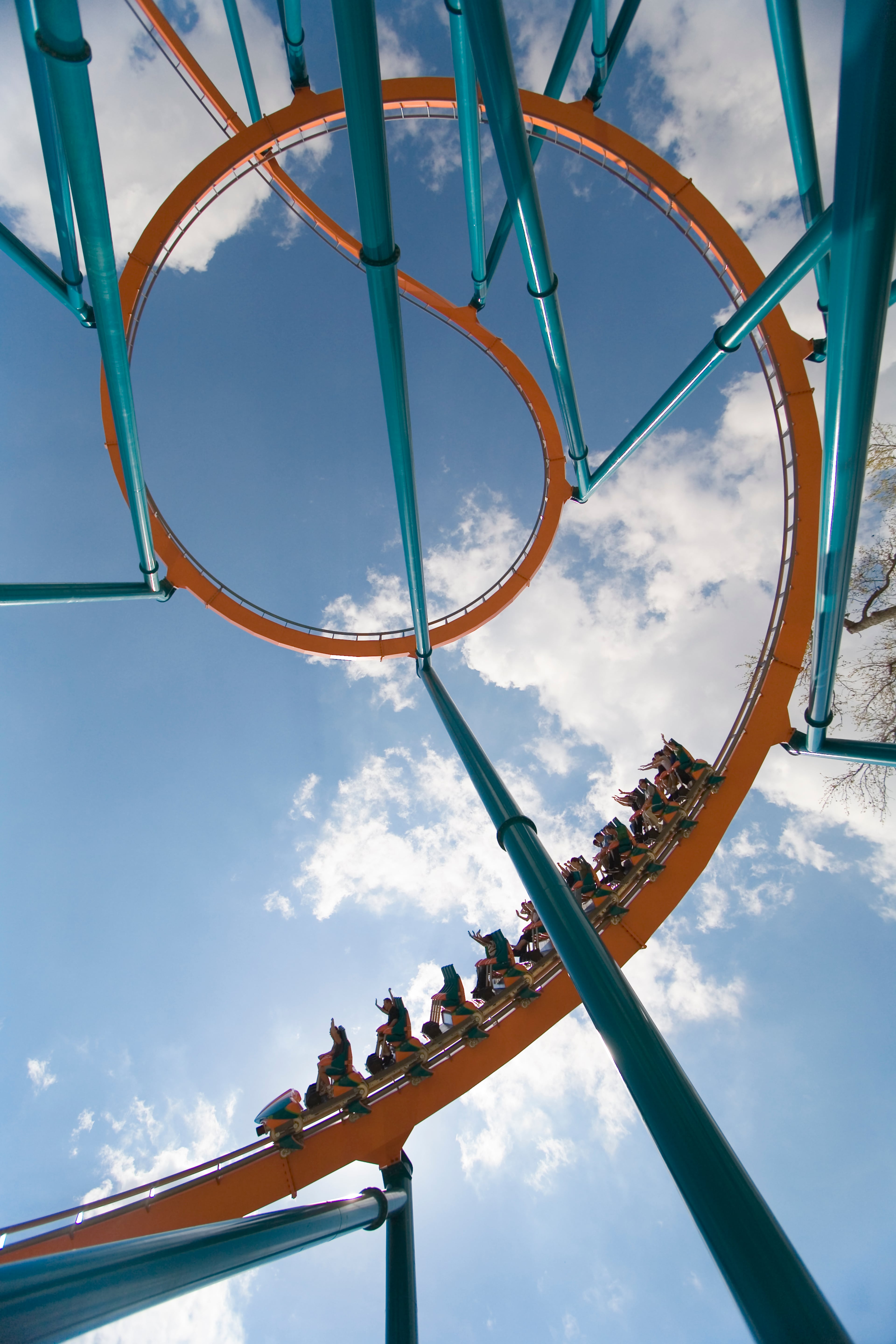
Goliath has a shell-style waist restraint that locks between a passenger’s legs to hold them into a scalloped seat. Riders must be at least 54 inches tall to ride, according to Six Flags Over Georgia’s website. Six Flags Over Georgia did not respond to questions about the ride’s requirements and safety measures.
“The waist restraint — as long as it’s working — is great. But if there’s a failure at any level, or it’s not adequately applied at some level, what’s there to protect you afterwards? Nothing,” Avery said.
Can Six Flags be held liable?
In the Sampson case, a judge held the manufacturer responsible and awarded his family a hefty verdict while the park itself settled. But not every case taking on a theme park is clear-cut, attorneys say.
Parks, in general, post warnings about restrictions for people with medical conditions, pregnancies and height and weight limits, Atlanta-based attorney Echenthal said. But until investigators determine what exactly caused Kariem to fall out, no one knows whose fault it could be — if it’s anyone’s fault at all.
“It’s hard to point a finger at anybody yet,” Echenthal said. “My first reaction is, somebody’s got to be held liable for this, but not necessarily. Sometimes, things happen that you can’t directly pin on anybody.”
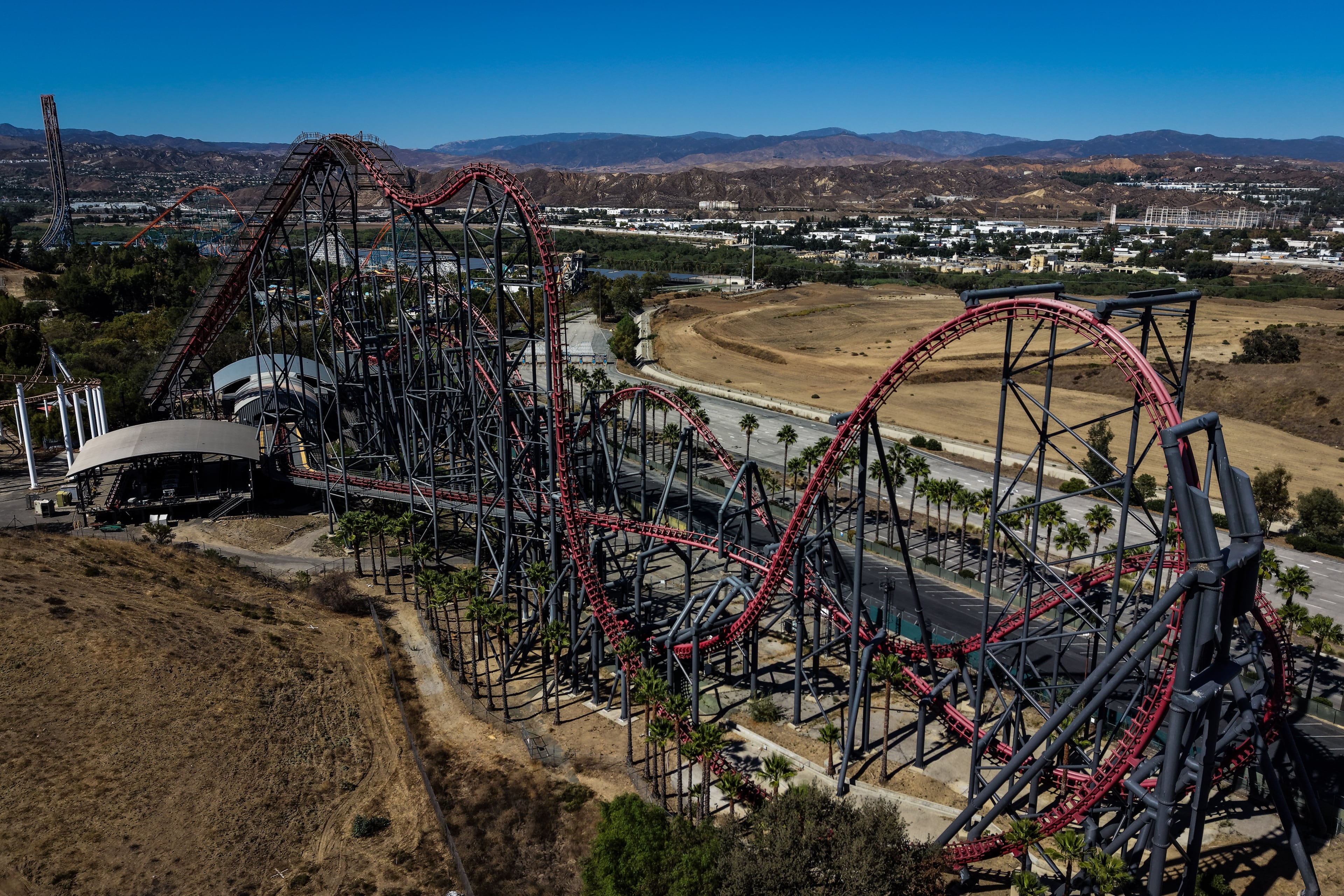
Six Flags is already in legal hot water over its X2 coaster in California’s Magic Mountain amusement park. Lawsuits filed in September allege riders suffered traumatic brain injuries on the coaster, which is advertised for the “ultimate daredevil,” AP reported. The ride was shut down soon after, according to AP.
Several attorneys said the park should be conducting daily inspections and creating reports, a record that would show whether Six Flags knew about any issues beforehand.
And even though amusement parks generally require guests to waive liability when purchasing a ticket, called a ticket waiver, that doesn’t mean you forfeit all rights, said Seth Bader, an Atlanta-based personal injury attorney.
“It really just depends on the facts and circumstances of the case, because again, a ticket waiver doesn’t you know doesn’t automatically end the person’s rights,” Bader said.
At the end of the day, regulators, inspectors, park operators and the general public all want the same thing: to keep people safe, which is also in the park’s best interest, Echenthal said.
As Avery, the amusement park industry expert, put it: “You’re not supposed to die having fun.”
Savannah Sicurella contributed reporting to this story.