From baseball to cornball: Terms that hit outside the ballpark and on the road
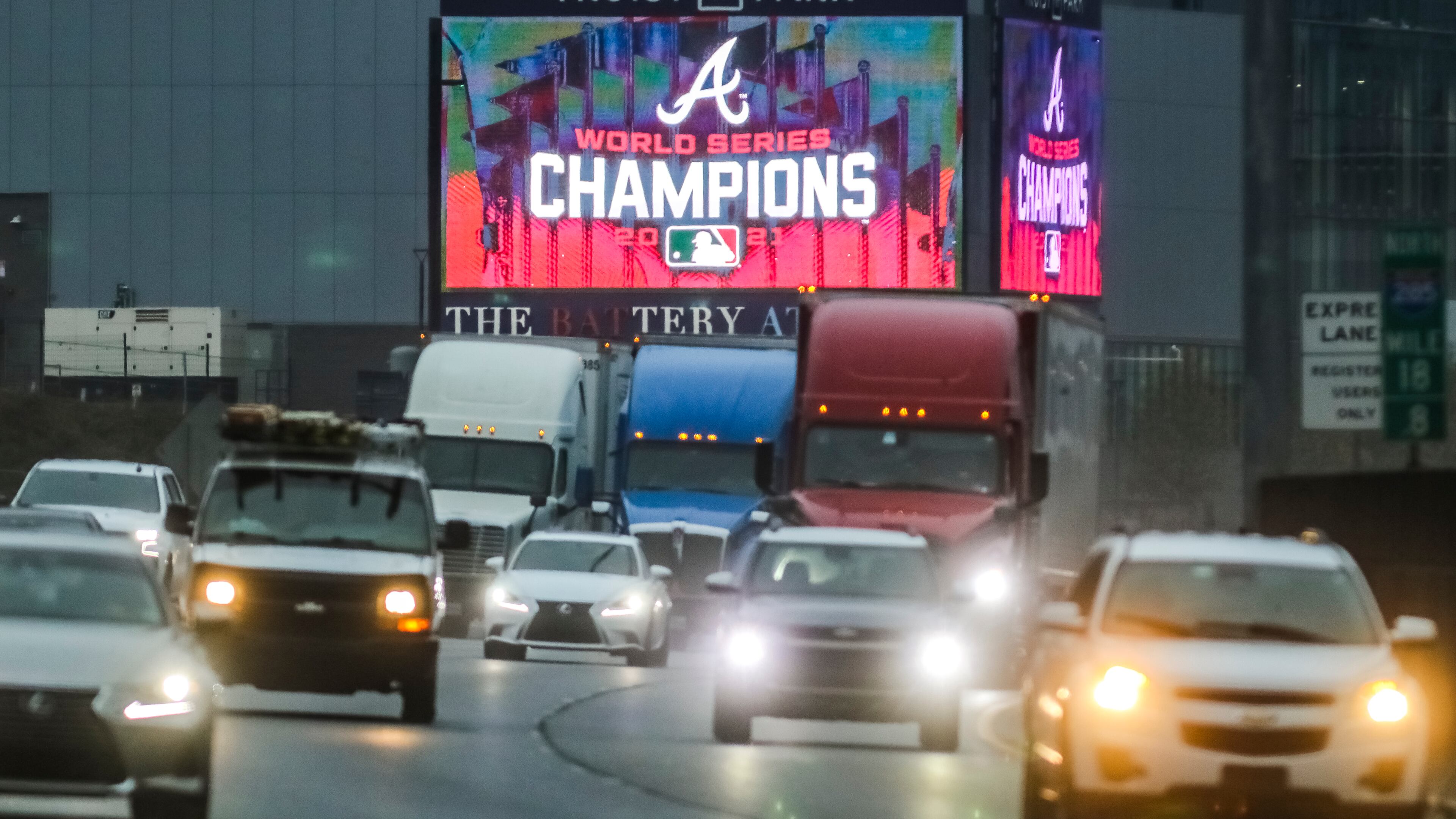
With Atlanta Braves baseball and postseason fever at the front of our minds, I’m having a little bit of fun this week.
Below are some common baseball terms and what their definitions would be on the roads. Dad-humor corniness, engaged.
Single: A batter that gets a hit and advances to first has hit a single. A driver that hits a single takes what they can get on the road. A motorist who constantly changes lanes to find the supposed fastest route is one who ends up losing time and creating more traffic. When a batter gets thrown out at second base for trying to turn a single into a double, fans get frustrated. It plays out similarly on the streets.
Home run: One hitter’s swing can put a baseball in the bleachers in what is baseball’s most exciting and efficient play.
A home run in commuting is not the opposite of a single, but actually a run to home. At the end of a work day, every commuter has the same goal and plays a role in everyone reaching that milestone. The act of give and take is crucial here.
The more selfishly we drive, the less likely it is that someone makes it to their home destination safely. This means we should move over a lane for first responders, dial down speeds in work zones and, of course, cut fellow motorists more breaks.
Shortstop: SS is arguably the most important defensive position in baseball — outside of pitcher and catcher. A short stop can also be a vital defensive move on a long road trip. Highway hypnosis is a real thing, and drowsy driving is a danger not unlike drunk driving. A driver resting for 20 minutes or an hour to stretch, replenish or even nap is every bit as key as a fuel stop. If only our dashboards had a gauge for our brain power.
Pinch hitter, relief pitcher: See “shortstop” for all the reasons why this applies to traffic. Managers call upon pinch hitters to substitute for batters and to increase the chances of getting a hit. Teams bring on relief pitchers to replace the pitchers that have seemingly run out of gas.
Besides rest, a driver should completely give over the keys if they are inebriated or otherwise unfit to drive.
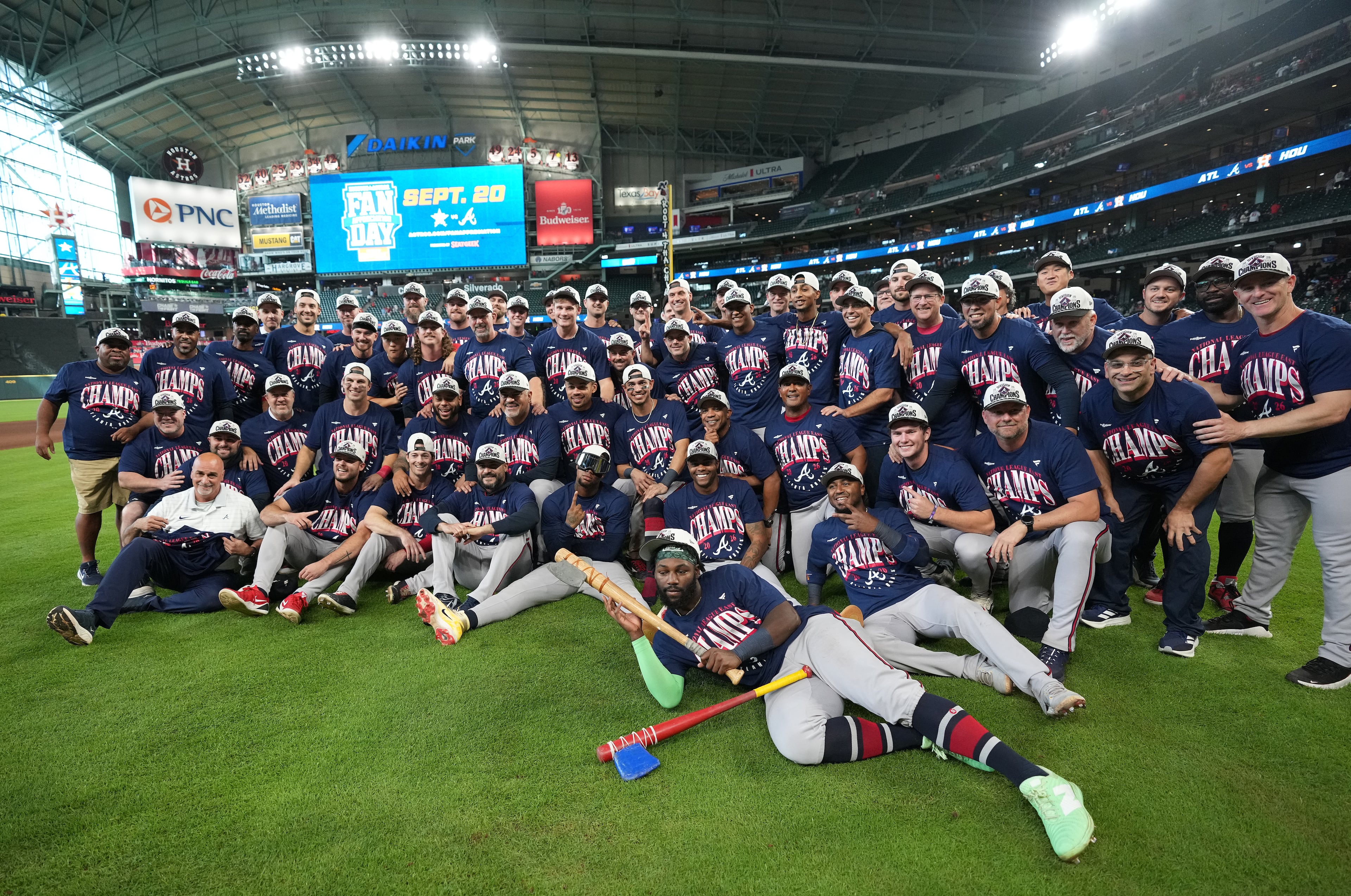
Bench player: Nonstarting position players end up playing key roles in baseball’s postseason when managers call upon them in clutch situations. But their role is important in every inning, as they cheer on their teammates and play key parts in a team’s clubhouse chemistry.
A passenger in a car can do the same. They can help the driver navigate or keep them engaged. But passengers can also be distractions if they are arguing or illegally drinking alcohol.
Unless a driver states otherwise, passengers do not control the audio. The driver chooses the music, full stop.
And backseat drivers are annoying. Helping a driver avoid a collision is one thing, but backseat drivers should otherwise mind their own business. Imagine Atlanta Braves utility player Kyle Farmer yelling “Swing” from the dugout to Ronald Acuña Jr. in the batter’s box. Crazy, right?
Walk: A walk in baseball is when the pitcher tosses four pitches to a batter outside of the strike zone and that batter does not swing at them, allowing them to walk to first base for free. It is time-consuming and not as exciting as seeing a ball in play, but a walk is nonetheless a positive result for the team on offense.
Walking should also be seen as a positive in the commuting world, despite the fact that doing so takes longer. As commuters — and as people in a highly sedentary society — we should jump at opportunities to take cars off the road, enjoy the outdoors and get some exercise.
Of course, there are many people with physical limitations and there are many situations where only automobiles make sense.
But our city and traffic plans should always include options to walk, bike and roll to destinations, in addition to more use of public transit. Decision-makers always will have to account for cars, but staying car-centric will be a failure on many fronts.
Doug Turnbull covers the traffic/transportation beat for WXIA-TV (11Alive) with Rachel Cox-Rosen. Their reports appear on the 11Alive Morning News from 6 to 9 a.m. and on 11Alive.com. Email Doug at dturnbull@11alive.com. Subscribe to the weekly “Gridlock Guy” newsletter for the column here.