Children suffered burns and beatings. Georgia calls it quality daycare.



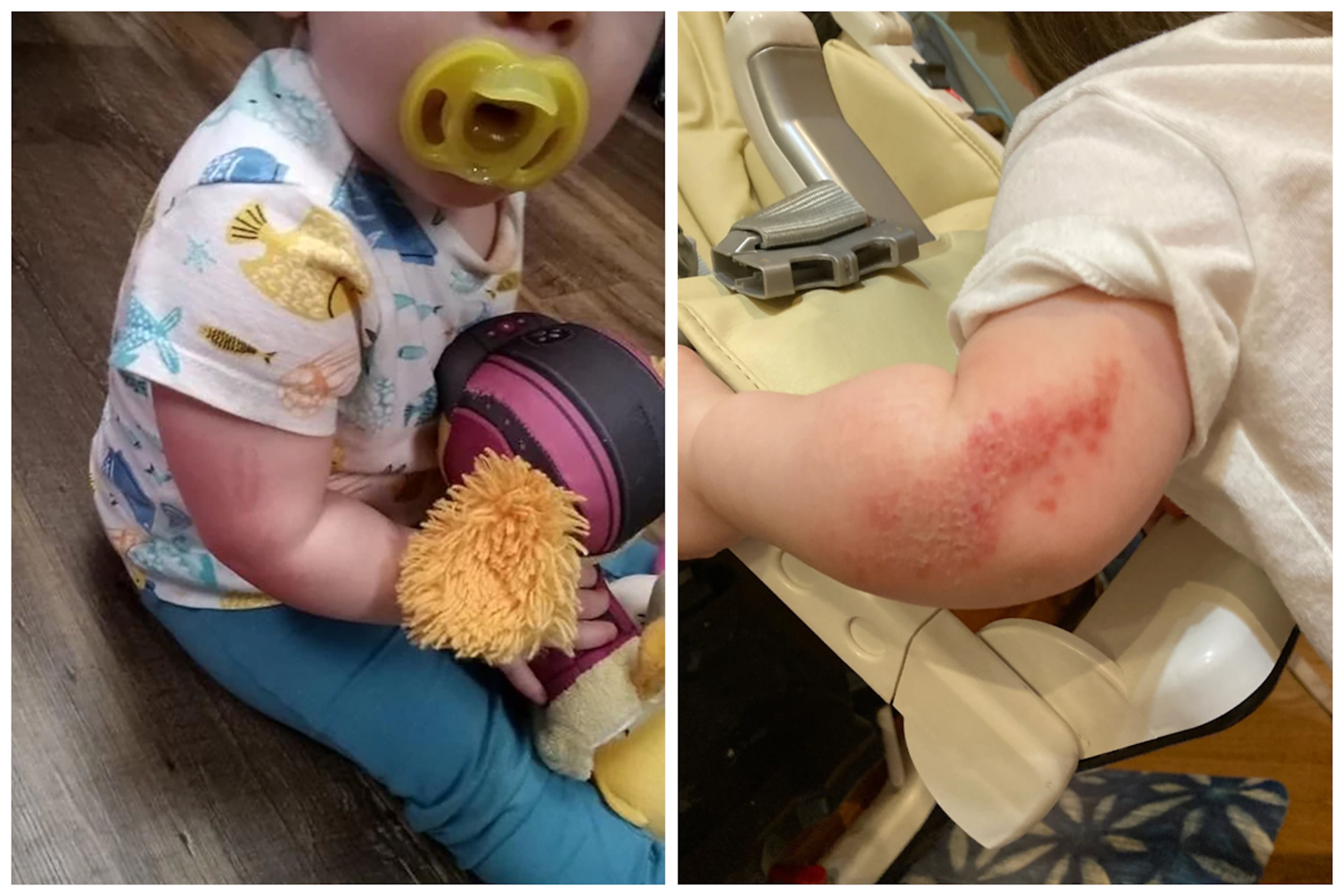
Laura Scott’s mind raced as she studied the bright red rash and blisters on her daughter’s arms.
Daycare workers suggested that her 1-year-old could be having an allergic reaction to pineapple. But Scott knew that wasn’t true.
The young mother’s intuition was right. State investigators found the girl was burned by bleach left out in her classroom at Oxford Academy Preschool in Powder Springs. Even worse, state records show the daycare director at the time told employees to lie about what happened.
The episode still haunts Scott when she drives past the daycare.
“Every time I see cars in that parking lot, I get mad,” she said. “I hope that those kids are OK.”
What happened to Scott’s daughter in February 2023 is emblematic of a deeper problem in Georgia’s daycare system, which working parents rely on. The state is advertising that hundreds of centers, like Oxford Academy Preschool, are quality daycares despite the fact that kids were seriously harmed or put at risk at those places, an investigation by The Atlanta Journal-Constitution has found.
Georgia uses a three-star rating system to score the quality of a daycare. It’s a voluntary program where daycares demonstrate they are going above and beyond basic standards. One star is good, two stars are better and three stars are reserved for the best daycares.
But the scoring system is flawed and can be misleading, the AJC found. The state doesn’t reconsider or strip the star rating of daycares after it cites them for serious safety incidents, even when workers are arrested. Once a daycare receives its rating it can keep it for up to three years.
Rick Fiene, a research psychologist at Penn State who has spent decades studying early childcare quality and injury prevention, was unnerved by the AJC’s findings. He shook his head in disbelief and said actions at some centers were severe or abusive. Georgia’s childcare oversight and rating systems appear to be broken, he said.
“We’ve got to take a hard stance on this stuff. We cannot put kids in harm’s way,” Fiene said.
The AJC found daycares kept their star ratings even after kids were hurt, like when a childcare center in Atlanta violated rules on safe sleep and found an infant unresponsive on a bed of pillows. Or when a worker at a daycare in Lithonia poked thumbtacks into toddlers and another worker slapped a child. Or when an infant’s skull was fractured at a Kingsland daycare and she had to be airlifted to a hospital.
The state allowed the daycares to continue to market themselves to parents as quality childcare options and often rewarded them with cash subsidies linked to their star ratings.
All told, the state allowed 350 daycares to keep their star ratings after they were cited for seriously harming children or putting them at risk in the past decade. In some cases, Georgia even awarded them additional stars despite these serious incidents, while other states have policies to reduce ratings when kids are mistreated.
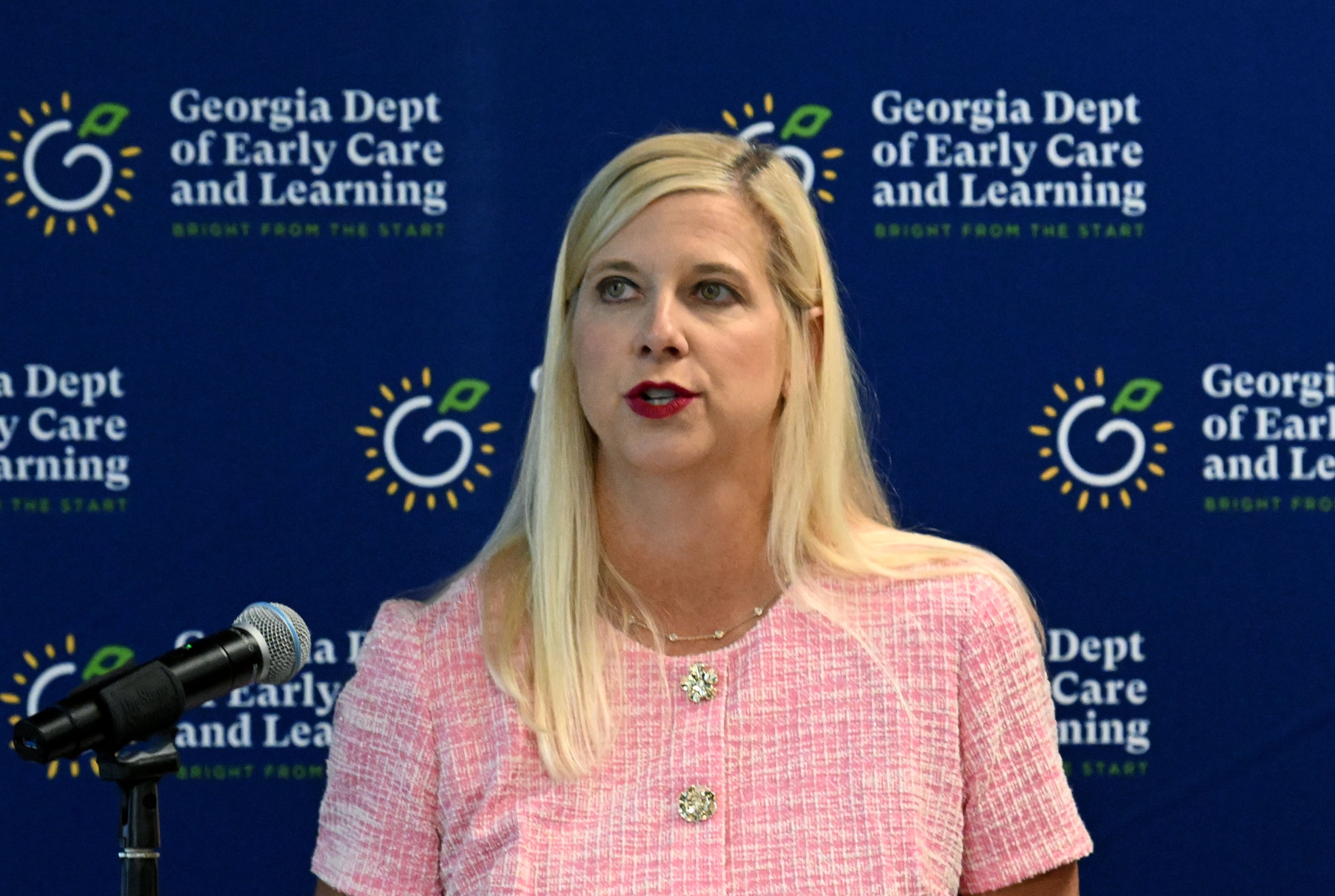
Amy Jacobs, commissioner of the Georgia Department of Early Care and Learning, declined to do an interview with the AJC.
She said in a statement that the health and safety of Georgia’s children is the highest priority of her agency, which oversees childcare regulation. Daycares may have isolated incidents that, while serious, are quickly addressed. That is different from when a facility breaks many rules in a single year and requires the state to act, according to her statement.
Failure of care
An AJC investigative series about safety gaps in Georgia daycares
Flawed and misleading quality ratings: Children suffered burns and beatings. Georgia calls it quality daycare.
Parents guide: Understanding daycare inspections, ratings and fines
5 takeaways: What the AJC investigation of quality ratings revealed
Your turn: Tell us your experience
Jacobs said any daycare that puts in the time to improve its safety or overall quality is a success story, and that she is proud of Georgia’s strong system. She added the department is reviewing its rating system and plans to make major changes next year to improve the integrity of the ratings.
“We recognize that no system or program is ever perfect,” Jacobs wrote. “There is always an opportunity to evaluate our policies, learn from experience and strengthen protections when appropriate.”
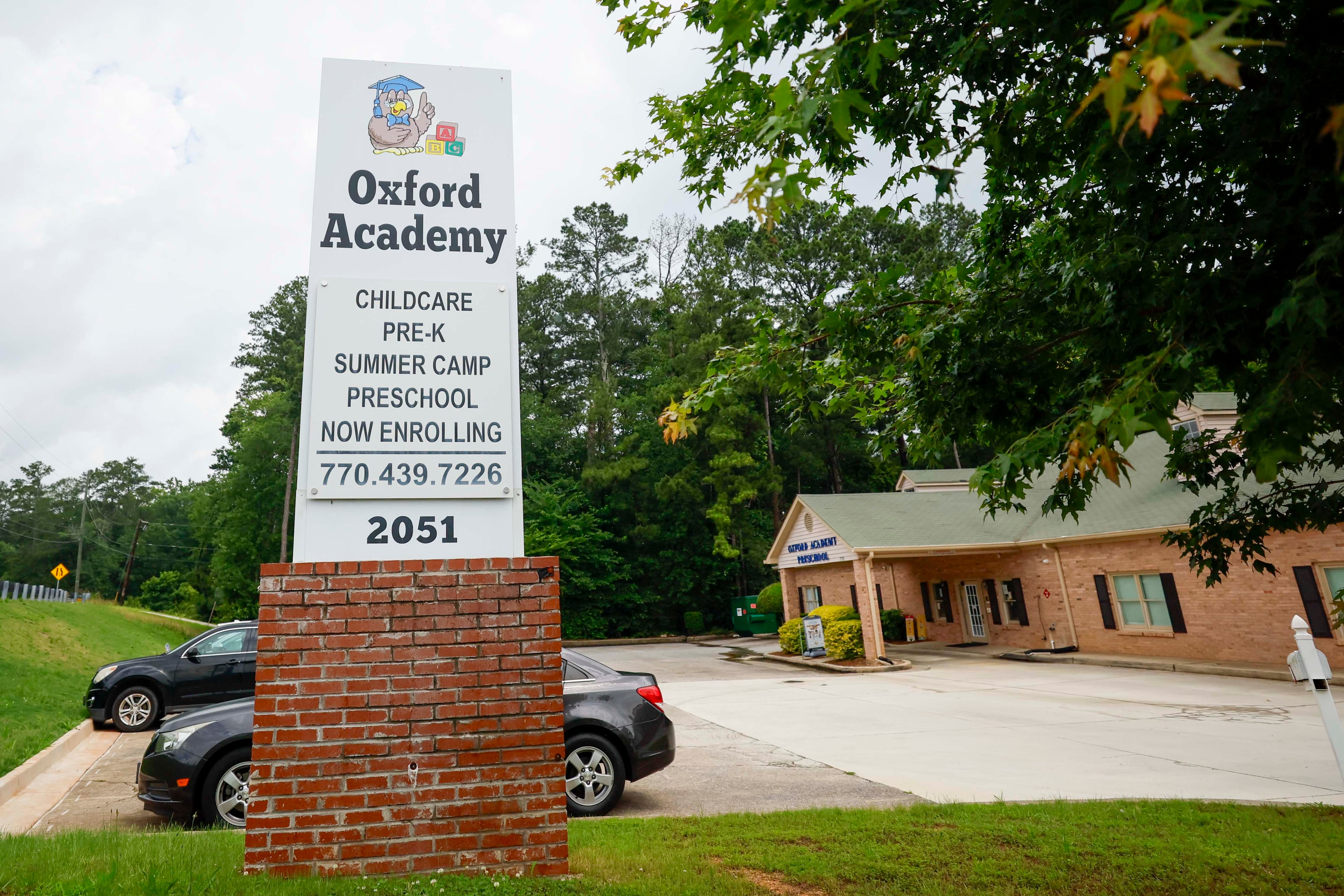
In 2023, department officials threatened to close Oxford Academy Preschool because of the bleach incident, and the daycare appealed. Ultimately, the department settled on a $5,000 fine. A month later the department raised Oxford’s rating from 1 star to 2 stars.
Within a year, the daycare was cited again and fined $598 for continuing to leave potentially hazardous items within reach of young children. The daycare owner declined an interview with the AJC.
In Georgia’s eyes, Oxford is a high-quality daycare.
It still holds its 2-star rating today.
Hundreds of kids harmed or put at risk
The state’s program to score the quality of daycares was born out of a simple promise: to make childcare better for as many children as possible.
The watchdog over the daycare industry is the Georgia Department of Early Care and Learning. It created the Quality Rated program in 2012 after a state-commissioned study by child development researchers showed many daycares in the state were unsafe and low-quality.
Daycares earn stars by meeting a set of standards, like hiring staff with more credentials, lowering the number of kids in classrooms and allowing state officials to observe how staff interact with children. Jacobs said the stars mean daycares are not just meeting basic health and safety rules to be licensed. They are exceeding them.
She noted that additional health and safety indicators are baked into the star ratings.
More than two-thirds of the state’s approximately 4,200 licensed daycares are now in this program. Parents can compare ratings of daycares in their neighborhoods using a search tool on a state-run website, which was visited millions of times in recent years, web data show.
What is Quality Rated?
The three-star rating program is Georgia’s system for improving childcare quality. Daycares can voluntarily participate in the program and, in exchange, are eligible to receive taxpayer subsidies.
The program scores the overall quality of each daycare based on a day of unannounced classroom observations and a submitted portfolio about its credentials.
According to state regulators, the star ratings mean:
1-star daycares exceed licensing standards and are building a strong foundation of quality.
2-star daycares meet higher quality standards.
3-star daycares meet the highest quality standards.
“You can trust that a Quality Rated provider will invest in your child’s development and well-being,” the website says.
But department staff that set ratings don’t review a daycare’s safety record because it “could unintentionally impact the outcome” of the star rating and is “not necessary,” because it would be redundant, Jacobs said.
Her statement said a separate team within the department looks for patterns of bad behavior, but not all serious incidents jeopardize a daycare’s license. Staff only look at rule violations in the past 12 months, she said.
The AJC reviewed a decade of cases the department labeled as the most serious and found hundreds of children suffered a range of harm at Quality Rated daycares. Some included bruises from being roughly handled by workers, crushed fingers, injuries from playground accidents, allergic reactions and severe burns. Other children were put at risk when daycares failed to supervise them, including when children were left alone or wandered away into streets and parking lots.
Each incident received the department’s most severe designations — “high” or “extreme.”
Reporters found the serious incidents at these daycares did not affect their ratings. Some of the cases were particularly disturbing.
The department left intact the 3-star rating of a Statesboro daycare where a worker went to prison for fracturing the skull of a 6-month-old.
A Columbus daycare was cited after a worker improperly gave Benadryl to multiple young children to try to get them to sleep, and the department increased its rating to 3 stars at its next assessment.
A daycare outside Augusta was cited five times for seriously harming kids, and the department still left its 2-star rating in place. Workers locked toddlers in the bathroom, left scratches on a child after dropping them in a chair and didn’t immediately help a 3-year-old bitten numerous times by ants, records show.
The state pushed to revoke the daycare’s license, which delayed the renewal of its star rating for a year. In October 2025, when it was back in compliance with the rules, the state rated it 2 stars again.
Jacobs said she cannot comment on specific investigations, but when her agency allows a daycare to continue operating after a serious violation it has determined the daycare is capable of preventing another incident.
“It is deeply regrettable when incidents happen despite our best efforts. Good managers can make poor hiring decisions with serious consequences for child safety. I am grateful that serious incidents are uncommon,” she said.
Advocates of Georgia’s rating system said the program measures quality improvement but is not a guarantee that an incident will never occur.
“You may have one bad actor who does something. That doesn’t mean that there’s not quality things happening at that site,” said Ellyn Cochran, head of an early learning nonprofit that receives state funding to provide coaching and assistance to childcare programs participating in the star rating system.
Kevin Patrick, an attorney who has represented dozens of families whose children were harmed in Georgia’s daycares, said department officials should not treat these as one-off incidents.
He thinks daycare star ratings should be lowered when workers hurt kids.
“I think they need to,” he said.
Georgia doesn’t strip star ratings
It’s not like this everywhere.
Over the past three decades, most states adopted their own unique systems to score the quality of daycares. While Georgia does not strip ratings from daycares when things go wrong, several other states have policies that tie star ratings to the safety of children and they act when a daycare falls short.
The AJC found several states have policies to lower the ratings of daycares when they put kids at risk:
- Texas can take away a star if a daycare doesn’t do background checks or fails to report suspected abuse. It also may ding a facility’s star rating if a child is abused, neglected or exploited. In November, Texas plans to add a six-month probationary period before lowering a rating. In recent years, Texas stripped a star from 399 out of thousands of rated daycares.
- Alabama can strip a daycare of its quality rating if a child is harmed or dies. The daycare is barred from reapplying for that state’s quality program for six months.
- Ohio regulators can lower or remove a daycare’s rating if it has excessive rule violations.
- Maryland may reduce a center’s rating when there are too many significant violations, particularly when children are put at risk or there’s inadequate supervision.
Georgia will temporarily take down a daycare’s rating from the state-run website if it acts badly. The rating is visible again once the state decides the daycare is no longer deficient, according to department officials.
The department also has a policy that deficient daycares must remove all Quality Rated logos and signs, but it does not visit programs to enforce this policy, Jacobs said.
Jacobs told the AJC earlier this month that sweeping changes are planned for the Quality Rated program in 2027.
The department intends to strip ratings from daycares that violate the rules or have a “major incident involving harm to a child,” Jacobs wrote.
Under the proposal, daycares will have to redo the rating process and could lose bonuses and, in extreme cases, state subsidy payments if they fall into a new probationary status. Daycares dismissed from the Quality Rated program will not be able to rejoin for at least a year, Jacobs said.
A department spokesman later said the agency is still collecting public feedback about the changes, which are not yet a department policy.
Jacobs noted that in the past the department has tried to help daycares after citing them: “When a program’s rating rises after a serious incident, it typically reflects improvements the program made, often with support from DECAL. It does not mean the violation was overlooked.”
Take Childtime Childcare in Kingsland. Department officials tried to close the daycare in 2022 after an infant’s skull was fractured, but less than two years later the state raised the center’s rating from 1 star to 3 stars, state records show.
As Ronardo and Daisha Reeves walked in for afternoon pickup, they could hear their infant daughter’s screams, court records show. At the time, in April 2022, Childtime was a 1-star daycare that operated in a single-story, white building in southeast Georgia, near the Florida line.
Layla Reeves was inconsolable. A golf-ball-sized lump was blooming on her forehead, she appeared sluggish and she vomited after being fed, records show. Layla’s parents rushed her to the local emergency room, where doctors discovered a skull fracture. She was then flown to a pediatric trauma center in Jacksonville, Florida, for treatment, records show.
Childtime employees said 7-month-old Layla had bumped her own head on a shelf earlier that day, records show.
A board-certified pediatrician and child abuse expert found Layla could not have injured herself. Her injuries were more likely from a fall to “a hard unforgiving surface” like from a changing table to the floor, the doctor wrote in a report to police.
It was the second severe injury that a child suffered at the daycare that week. That location has not had a significant incident since, records show.
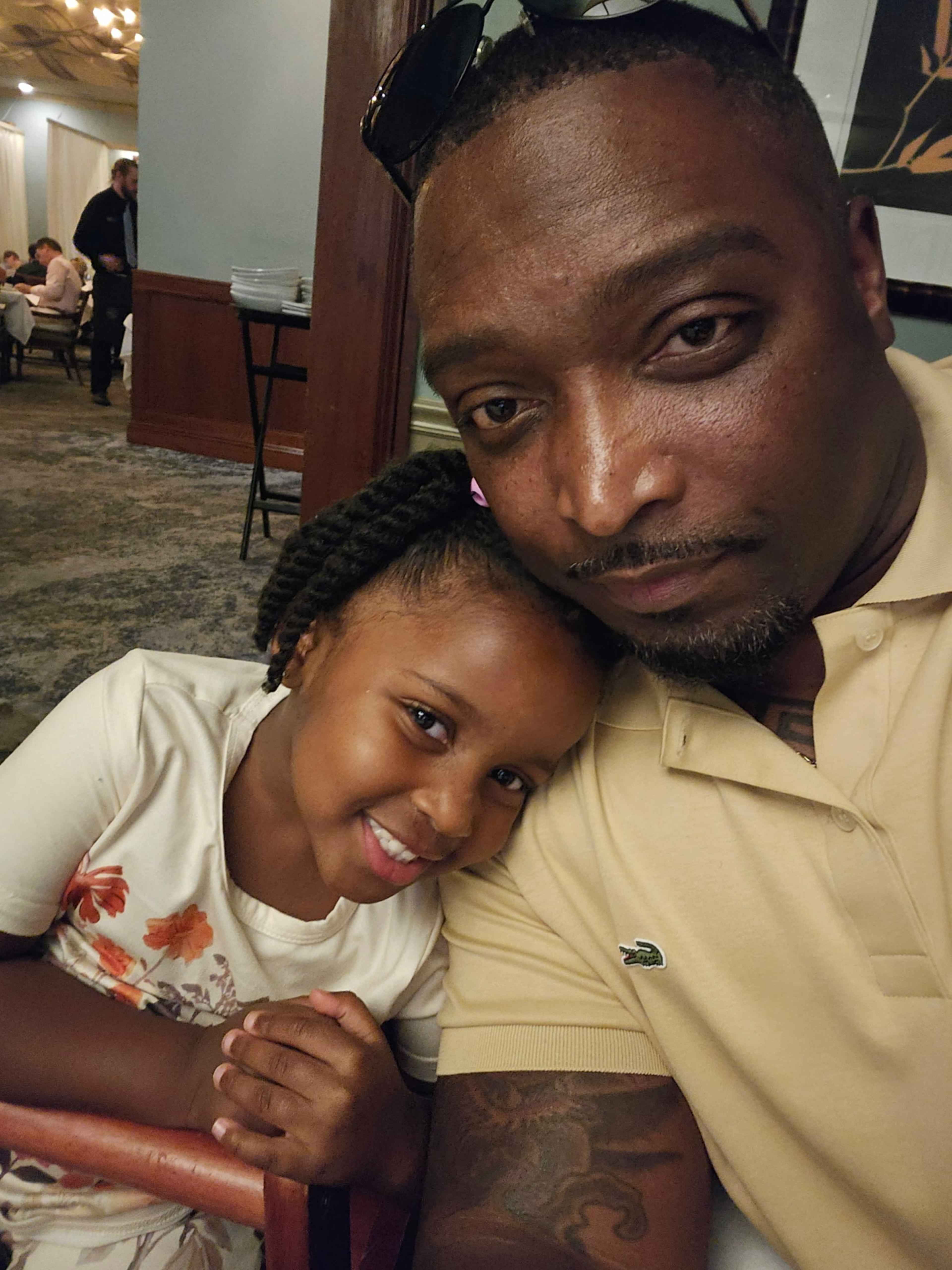
The Reeveses filed a civil lawsuit against Childtime and settled in 2024 for an undisclosed sum of money, records show. Layla’s skull fully healed. Childtime did not admit wrongdoing.
The family’s attorney, Andrew Goldner, said he could not get into the details of Layla’s case. Goldner said the Department of Early Care and Learning does thorough investigations, but he is concerned the current rating system allows daycares to bounce back quickly after a serious incident and earn more stars.
“I think any reasonable person would be concerned about any facility with those sorts of incidents happening being open at all, let alone having a significant star rating,” Goldner said.
Childtime, a national daycare chain, declined an interview request and would not answer questions provided by the AJC. A statement from Childtime’s corporate office said the company maintains rigorous safety and training practices. In a follow-up statement the company noted that the “licensing matter” was resolved and the center earned its star rating through the state’s independent process.
“Nothing matters more to us than the health, safety and well-being of the children in our care,” the statement said.
Department officials initially took action to permanently shut down Childtime in Kingsland for failing to properly supervise children and not cooperating with the investigation. In 2023, regulators mediated an agreement with the daycare to make mandatory improvements and levied one of the largest fines against a daycare in the state’s history, $10,000.
Within a year, Childtime in Kingsland was awarded the state’s highest quality score ― 3 stars.
Taxpayers fund problem daycares
The more stars a daycare earns, the more taxpayer money it’s eligible to receive.
The state’s childcare agency has paid $2.47 billion in subsidies to Quality Rated daycares since 2016 for serving low-income children. The state paid an additional $444 million in bonuses to these daycares based on their star ratings.
Jacobs said the bonuses are meant to incentivize daycares to pursue higher-quality care.
The subsidies and bonuses are mostly funded through a federal grant, with some additional state dollars, Jacobs said. It’s money that advocates say is a lifeline to an industry that often struggles to cover costs and pay enough to retain staff.
There are guardrails, according to the department. Since 2025, Georgia has had a policy that bonus payments are forfeited if the department finds a daycare is not complying with the state’s rules, Jacobs said. The subsidy remains so as not to disrupt childcare for families, she said.
The AJC found some daycares that were cited for serious safety violations had continued to collect significant sums of taxpayer dollars.
Childtime was paid $341,000, including $56,000 in bonuses, the same year Layla fractured her skull. Oxford Academy Preschool was given $310,000, including $47,000 in bonuses, the same year Scott’s daughter was chemically burned, according to department payment records.
“People are putting a lot of trust in these ratings,” said state Sen. Brian Strickland, R-McDonough.
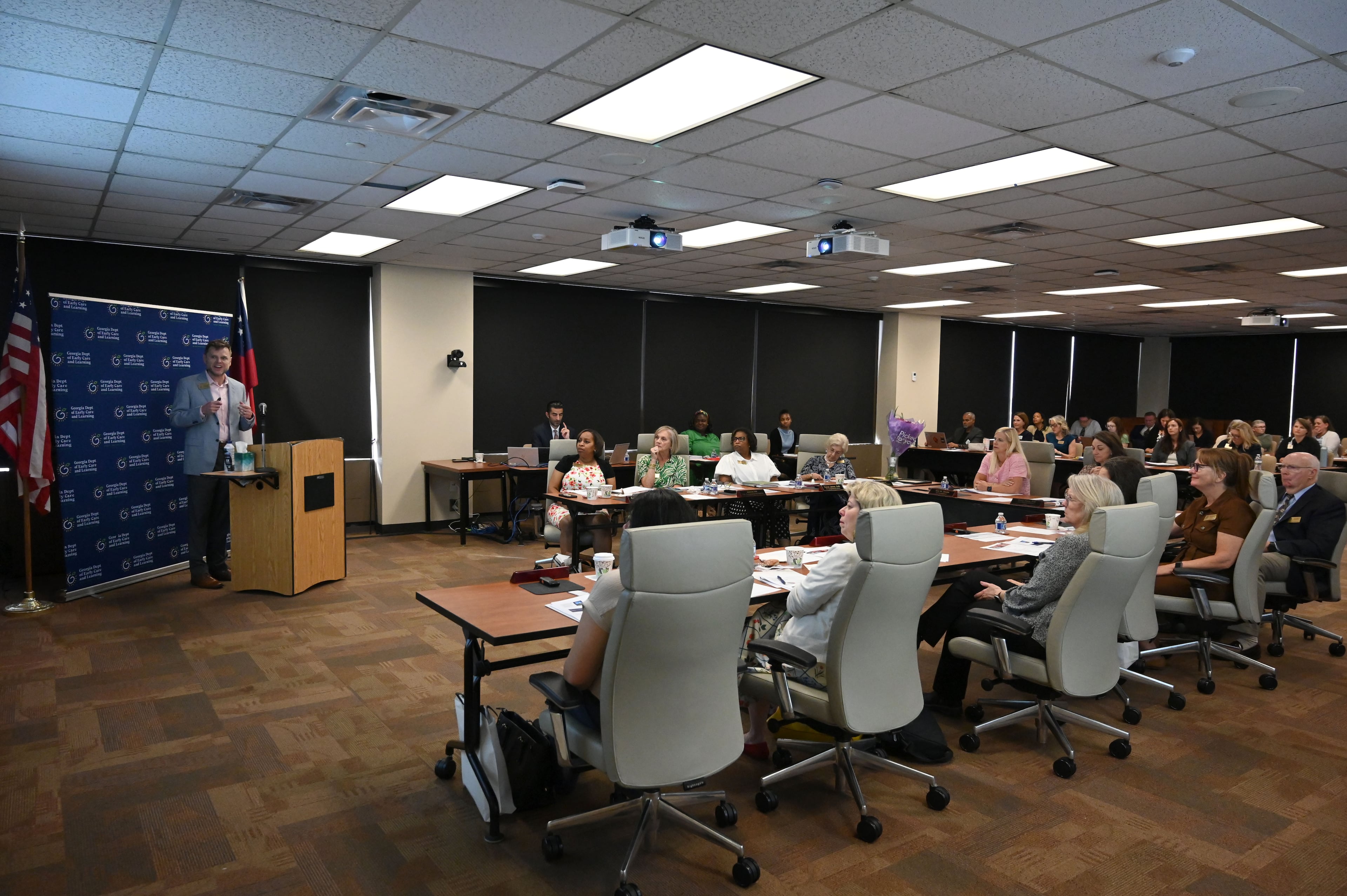
Families are trusting the department to investigate and weed out bad actors, and state lawmakers are trusting the agency to spend money appropriately, he said. Strickland said he strongly supports these programs because they help working families, but funding for daycares that go astray should be evaluated on a case-by-case basis.
“If you’ve got a daycare where there’s intentional actions or gross negligence happening, that needs to be obviously addressed before they get any state funding,” Strickland said.
More than $5 million, including $511,000 in bonuses, went to Excell Preparatory Center in Lithonia since 2017 even as the department repeatedly reprimanded the daycare for hurting children.
The department has cited the daycare at least nine times for severe safety violations, records show. Excell was a 1-star facility for much of that time and yo-yoed between being in good standing or deficient with the department’s standards. Three of its employees were also arrested in recent years on charges of child cruelty or battery following incidents at the daycare.
Records show the department paid Excell $462,000, including $45,000 in bonuses, the same year a worker pushed a thumbtack into the backs and sides of five toddlers as they watched a movie. That worker went to prison.
The department paid Excell another $882,000, including $149,000 in bonuses, the year a different employee slapped a 3-year-old boy’s face. She also was sentenced to prison.
The daycare’s problems continued this year. In March, another Excell worker was arrested and accused of slamming a 1-year-old boy down on a cot and bruising his eye.
Excell’s owner, Elizabeth Nelson, declined to do an interview or answer written questions from the AJC. She said in a written statement that the center works hard to provide quality programming for children, and the daycare is cooperating with criminal investigations and coaching from the department.
“We fire any teacher charged with inappropriate discipline at our center,” Nelson wrote.
State law says the department should revoke the license of a daycare with uncorrectable issues, according to Jacobs. When a daycare fires an employee, the danger is removed, she said.
Through it all, Excell has remained a Quality Rated daycare. The state increased Excell’s rating to 2 stars in 2025 and continued to pay it cash subsidies and bonuses.
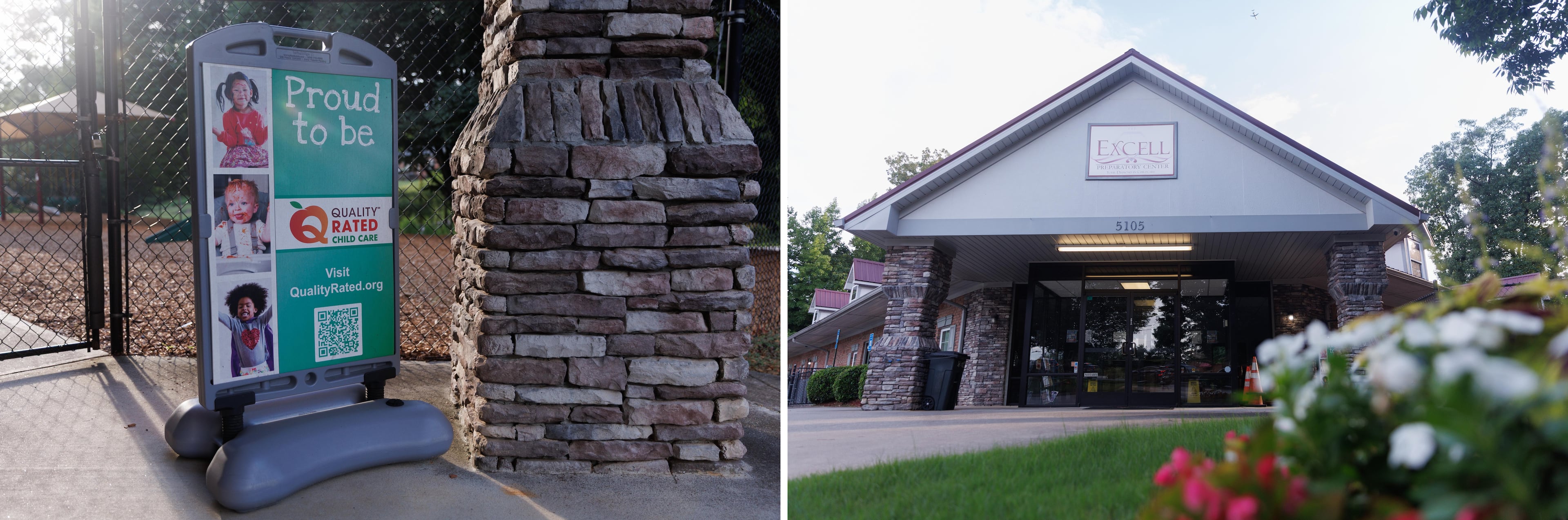
Excell also continued to display its “Proud to be Quality Rated Child Care” sign from the department next to its front door.
The department suspended the daycare’s license and required it to close twice this year — for two days in April and again for five days in July. State regulators cited Excell for child injuries, supervision violations and workers hitting children, records show. Staff were required to complete mandatory training on discipline, reporting child abuse and identifying “red flags” in classrooms, among other topics.
During its April suspension, Excell privately emailed parents about what happened, records show. Publicly it posted on Instagram that the daycare was closing for a two-day “Spring Break.”
The message: “Enjoy this special time with your little ones and stay safe!”
A sudden death
Even when a child dies, a daycare can keep its star rating.
In February 2021, a daycare worker rocked 7-month-old Ocean Carter to sleep and laid him on top of two intertwined Boppy nursing pillows on the floor, records show. She tucked a blanket around him, then tended to other children in the classroom at Easterseals Child Development Center-Sylvan in Atlanta.
When she checked on him, Ocean was turned toward the cushions, unresponsive and his face was tinted blue. Workers immediately started CPR and called 911, records show.
Paramedics rushed Ocean to Children’s Hughes Spalding Hospital in downtown Atlanta. His mother, Zakiyyah Morris, raced from her barista job to be with her son, but was directed to a family waiting room instead.
“I immediately started praying, ‘Father, God, Jesus, please protect my baby,’” Morris recalled. “‘Do whatever you can to save his life.’”
Doctors tried to revive Ocean before he was pronounced dead.

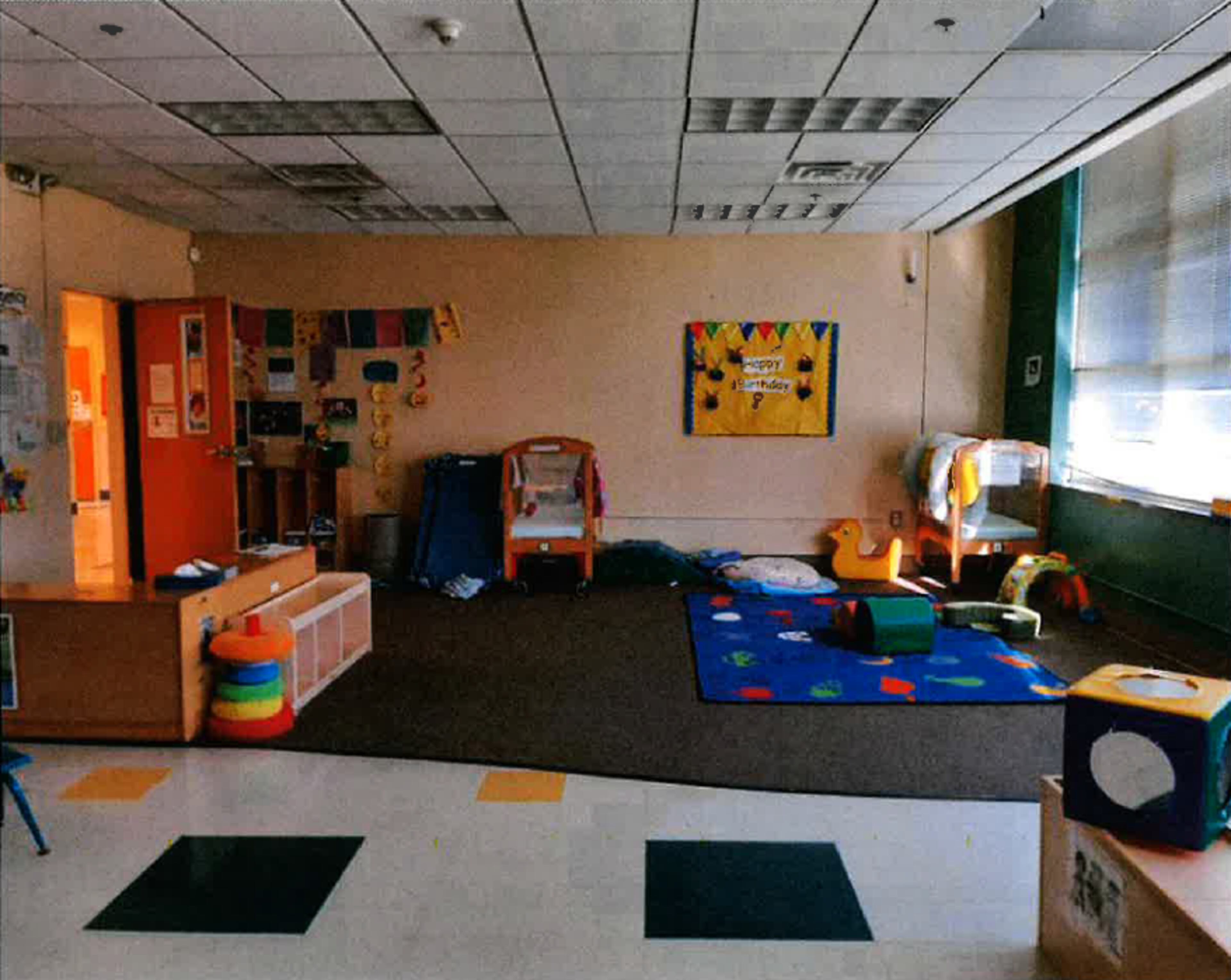
Easterseals-Sylvan violated safe sleep guidelines and failed to properly supervise Ocean, department investigators found. Witnesses said Ocean was left between 20 minutes to an hour on the pillows, records show. The state’s rules require daycares to place babies less than a year old to sleep in a crib with a firm mattress like the ones in Ocean’s classroom.
The punishment after Ocean’s death? A $499 fine.
Easterseals North Georgia, the nonprofit that runs multiple childcare centers around metro Atlanta, declined an interview request and didn’t answer specific questions about Ocean’s case sent by the AJC. The daycare removed pillows from the classroom and said it would increase supervision after the incident, records show.
In a statement, CEO Donna Davidson wrote, “It is heartbreaking when these rare incidents happen — we have a deep and lasting commitment to (kids’) growth and well-being, which is why we ensure all of our locations are Quality Rated, proactively self-report these types of events and quickly discipline or terminate employees when warranted.”
Because Ocean was old enough to roll over, he was at risk of dying when the worker placed him on the pillows to sleep, said Dr. Rachel Moon, who chairs the American Academy of Pediatrics subcommittee on Sudden Unexpected Infant Death.
The Fulton medical examiner’s office concluded the cause of Ocean’s death was unexplained and noted that the sleep environment was “not likely a concern.”
Still, a criminal investigation led to involuntary manslaughter charges against the daycare worker. The case was later dropped by Fulton County prosecutors due to insufficient evidence.
Ocean’s death was not the daycare’s only safety-related troubles with department regulators. The daycare was cited again in 2023, 2025 and 2026 for serious supervision or discipline lapses, records show. Each time, the department fined Easterseals hundreds of dollars.
Jacobs said the goal is to rehabilitate struggling programs.
“By helping providers correct their mistakes, we can ensure more licensed childcare programs remain open to serve Georgia’s families,” Jacobs said.
As a single parent, Morris eventually had to put her other children back in daycare. It scared her. She said police, prosecutors and childcare regulators all let her down.
“It just makes me angry,” Morris said. “It’s hell to know that they don’t care about children.”
Throughout it all, Easterseals-Sylvan’s 2-star rating stayed intact.
How the AJC investigated Georgia daycares
When AJC reporters started looking in January into how Georgia regulates childcare, they came across a curious detail: The state rated and advertised thousands of daycares as quality programs, but hundreds of them had serious health and safety violations.
To find out why, reporters Samantha Hogan, Katherine Landergan and Justin Price spent several months investigating a daycare industry that working parents rely on across Georgia.
Since February, the team has filed more than 40 open records requests with state regulators at the Georgia Department of Early Care and Learning. They analyzed a decade of data to examine the relationship between quality ratings and incidents where children were seriously injured or put at risk of harm. They reported out these findings through dozens of interviews with parents, childcare center owners and employees, lawyers, state lawmakers, researchers, doctors, child welfare experts, regulators in other states and leaders of nonprofit organizations focused on quality childcare access.
Reporters read thousands of pages of police reports, court records and state investigations detailing incidents where children were hurt or put at risk of harm at their daycares. The team also read research studies about Georgia’s early childcare system and the state’s own policy and rule manuals.
The news organization then did a data analysis that involved reviewing thousands of citations issued by state regulators over the past decade. That review revealed hundreds of daycares were cited for severe rule violations while being rated favorably in the state’s Quality Rated program, a three-star rating system meant to demonstrate quality commitments beyond basic licensing.
The analysis revealed that children suffered a range of harm at these places, from crushed fingers to physical abuse to death. Other children were put at risk of harm when they wandered away from their daycares and were found in the street or parking lots. Reporters found that these serious incidents did not trigger the state to review a daycare’s status as a quality program.
On June 9, the team disclosed the findings of its investigation about child safety issues at Quality Rated daycares to DECAL and asked to sit down with Commissioner Amy Jacobs and other department officials for interviews. Then on June 25, the AJC shared its data findings and methodology with DECAL.
DECAL declined our requests to do any in-person interviews in the intervening months.
In September, the AJC sent a letter to DECAL detailing its findings as part of its fact-checking and accountability process.
In October, Jacobs told the AJC for the first time that sweeping changes are planned for the Quality Rated program in 2027. She said the department was working to revise the rating and licensing systems since before the investigation.
Among the proposed revisions is the ability for the department to strip ratings from daycares that violate the rules or have a “major incident involving harm to a child,” Jacobs wrote.
Jacobs said a framework for the revisions was discussed in March and June 2026. She said the changes were shared with childcare providers during a webinar in August. A department spokesman later said the agency is still collecting public feedback about the changes, which are not yet a department policy.
The AJC additionally reviewed a decade of subsidies and bonuses that Georgia paid to daycares in the Quality Rated program. Many daycares continued to receive money even after serious incidents.
Read the full investigation at AJC.com.