MARTA’s World Cup wedding is over. Now it’s time for an enduring marriage.
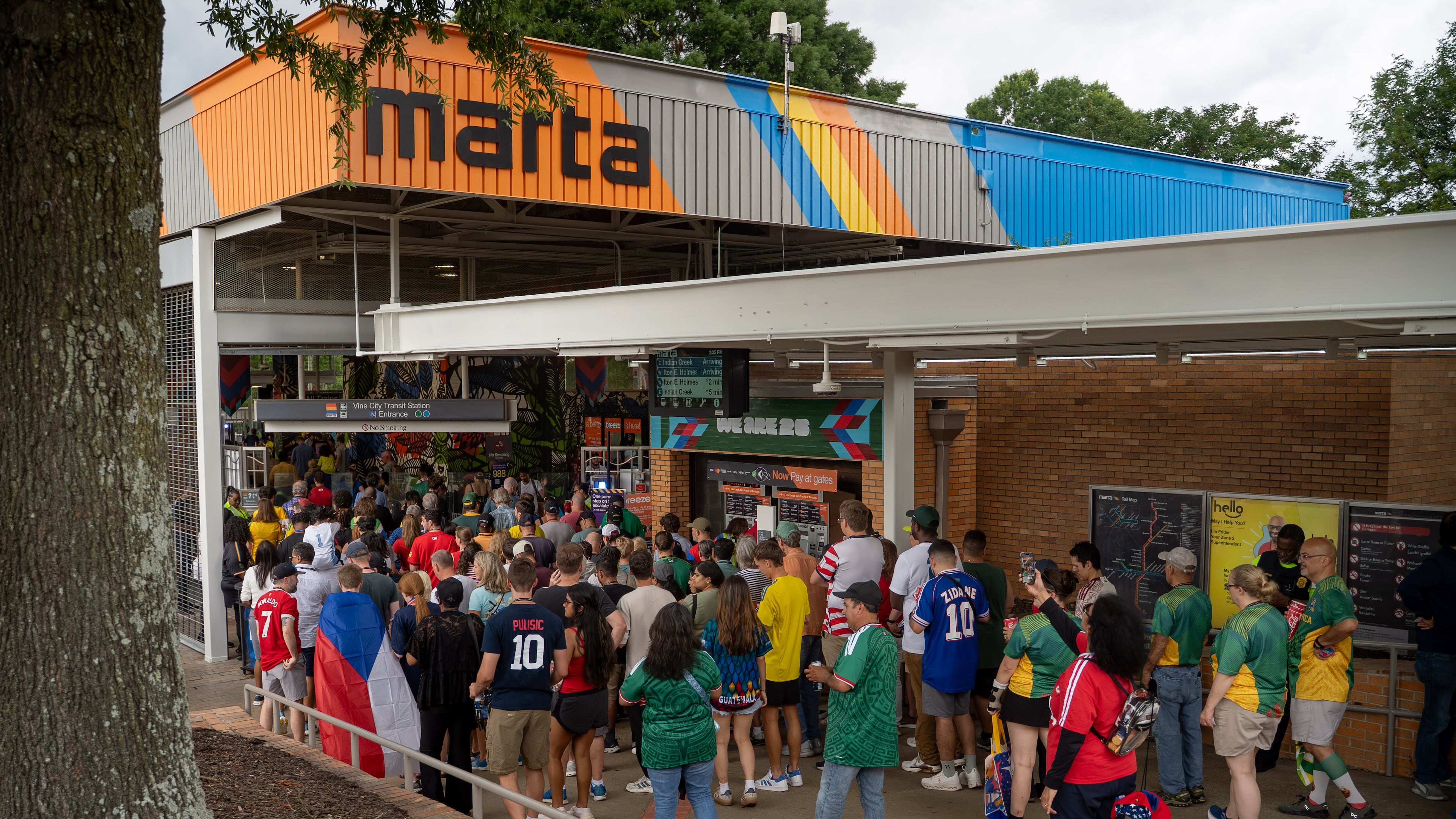
The final whistle blew. Tourists departed. Barkeepers restocked. Ludacris, Big Boi, CeeLo Green and Killer Mike exited stage left. And MARTA returned to its normal rail and bus scheduling.
The eight Atlanta FIFA World Cup matches and associated festivities defined the city’s summer and brought about prolific collaboration. Right in the middle of cheering, reveling masses was MARTA — a connective system of veins that efficiently moved the happy throngs.
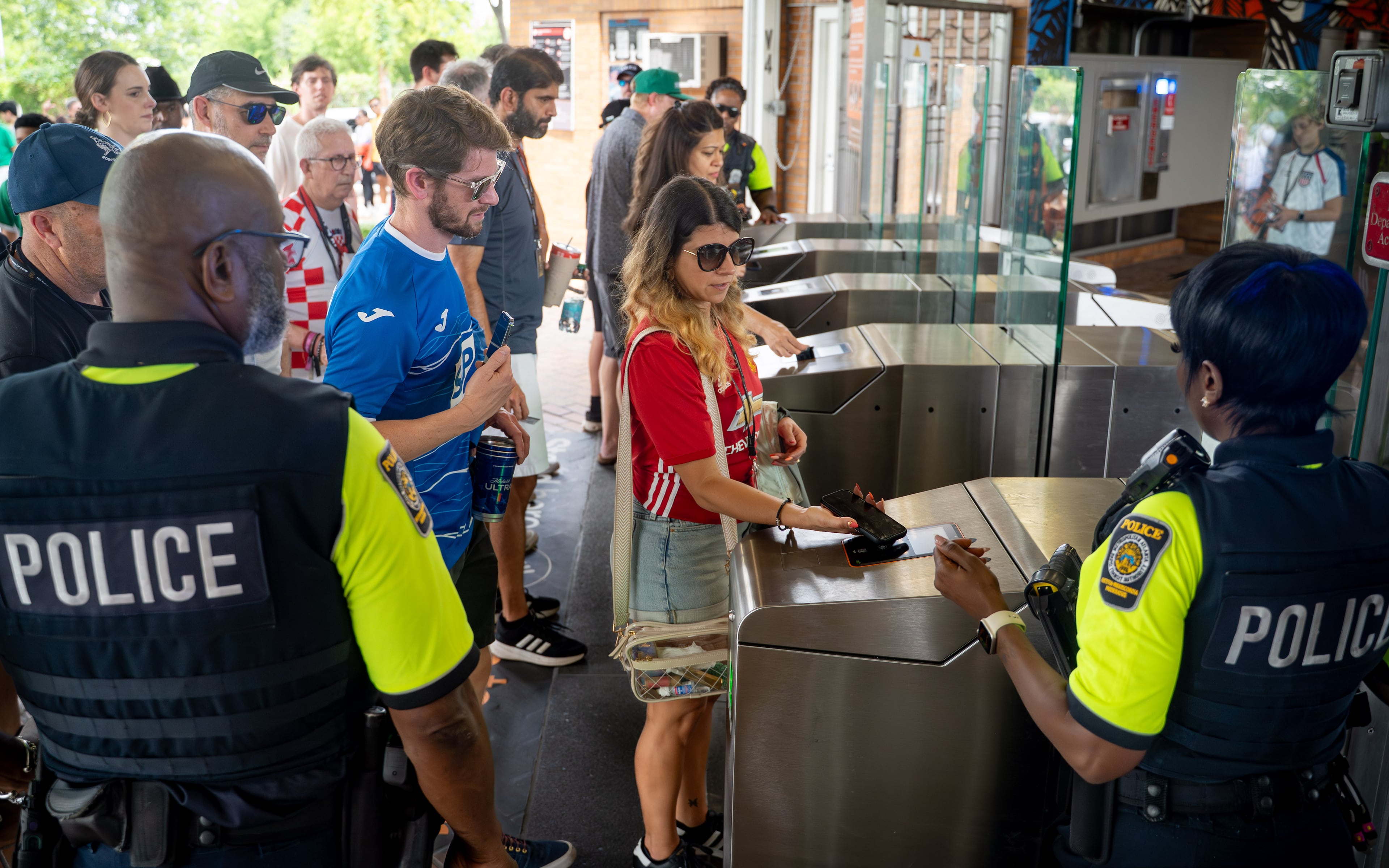
In fact, though MARTA had an incomplete fare gate system for its new Better Breeze tap-and-pay system, was not able to remove the scaffolding and open all entrances at the Five Points central hub and was battered through a crime and dysfunction-laden news cycle in the weeks before the World Cup, Atlanta’s transit system performed quite well under the immense pressure.
But for that momentum to continue, MARTA has to staff up, shape up and treat locals the way it treated the world.
The main appeal to use transit to get into downtown Atlanta or Decatur for the tournament activities is how close the rail stations are to Mercedes-Benz Stadium (FIFA is “allowing” us to call our home stadium its name again), Centennial Olympic Park and the Decatur Square. The tens of thousands of people traveling at once and the road closures near the stadium and Atlanta park made driving very unattractive.
Also, throngs of die-hard fans had come from out of town. Some had followed their teams from city to city, spending thousands of dollars on flights, tickets and lodging. Taking MARTA for $2.50 (or less, depending on if certain fare gates were functioning) was a welcome respite.
Two English fans told me that riding MARTA from their hotel to various Atlanta attractions reminded them of London. Yes, MARTA reminded them of the famed London Underground. Known as “The Tube,” London’s subway has 272 stops across 11 lines. Yes, MARTA and its four lines and 38 train stations reminded Londoners of their home rail.
This is because MARTA most closely resembled a world-class transit service in downtown Atlanta during the World Cup, with five stations in relative walking distance to the stadium, the park and the newly revived South Downtown district.
Fans told me Atlanta’s transit situation for the World Cup was so much better than in Dallas, New York (really, New Jersey) and Boston, where fans had to take long expensive commuter trains or shuttle buses to far-flung stadiums. Getting to the stadium was less expensive than more than half the host cities, too.
MARTA ran trains as often as every five minutes on the days of soccer matches and the FIFA Fan Festival next door. Rapid shuttle buses scooped up gobs of pedestrians and dropped them off at nearby stations. MARTA police stepped up its presence in stations and on train cars, and MARTA ambassadors flanked portals at each station to answer riders’ questions and assist with the new fare gates.
Likewise, MARTA reported no serious or violent crimes during the month-plus World Cup window. The only major reported railway snafu was when a train broke down on a Saturday night after a busy evening, delaying fans for over an hour.
MARTA reported over 4.6 million rail trips during the World Cup and attributed over 1.7 million of those to the tournament. Keep in mind, the agency could not measure ridership exactly because fare gates were not fully in place. The agency said this was 160% above normal ridership during the selected days they measured during the tournament.

As Atlanta comes off its World Cup high, MARTA may be slipping back into its malaise. I rode it on a recent Monday date night with Momo and saw zero police in the two rail stations or on the railcars in which we sat. The tap-and-pay terminals on both buses we took were out of order. And the trains did not arrive at the times listed on the signs in the stations.
Each bus and train we entered had at least one seat we skipped because of trash or moisture. The new fare gates have been installed at the New Peachtree Road entrance at Chamblee Station, but are still not in use. The Peachtree Road entrance still had the old, open gates.
Jonathan Hunt has been MARTA’s interim CEO for a year and has stated he wants to be considered for the permanent role. This means he has been at the helm during some of MARTA’s darkest times before the World Cup, but he also successfully steered the agency during the tournament.
MARTA and many other Atlanta mainstays sure spiffed up and looked really good for the wedding banquet that was the World Cup. But now that the reception has ended, MARTA should capitalize on some locals’ new romance with transit and keep that spark alive.
Likewise, those who discovered transit in Atlanta should try to keep using it when it makes sense. However, if MARTA, metaphorically, goes right back to the couch to eat lemon pepper wings and watch football, its new marriage or courtship with some Atlantans will go back cold immediately.
Doug Turnbull covers the traffic/transportation beat for WXIA-TV (11Alive) with Rachel Cox-Rosen. Their reports appear on the 11Alive Morning News from 6 a.m. to 9 a.m. and on 11Alive.com. Email Doug at dturnbull@11alive.com. Subscribe to the weekly “Gridlock Guy” newsletter for the column here.