Emory to lead study of industrial pollution in coastal Ga. community
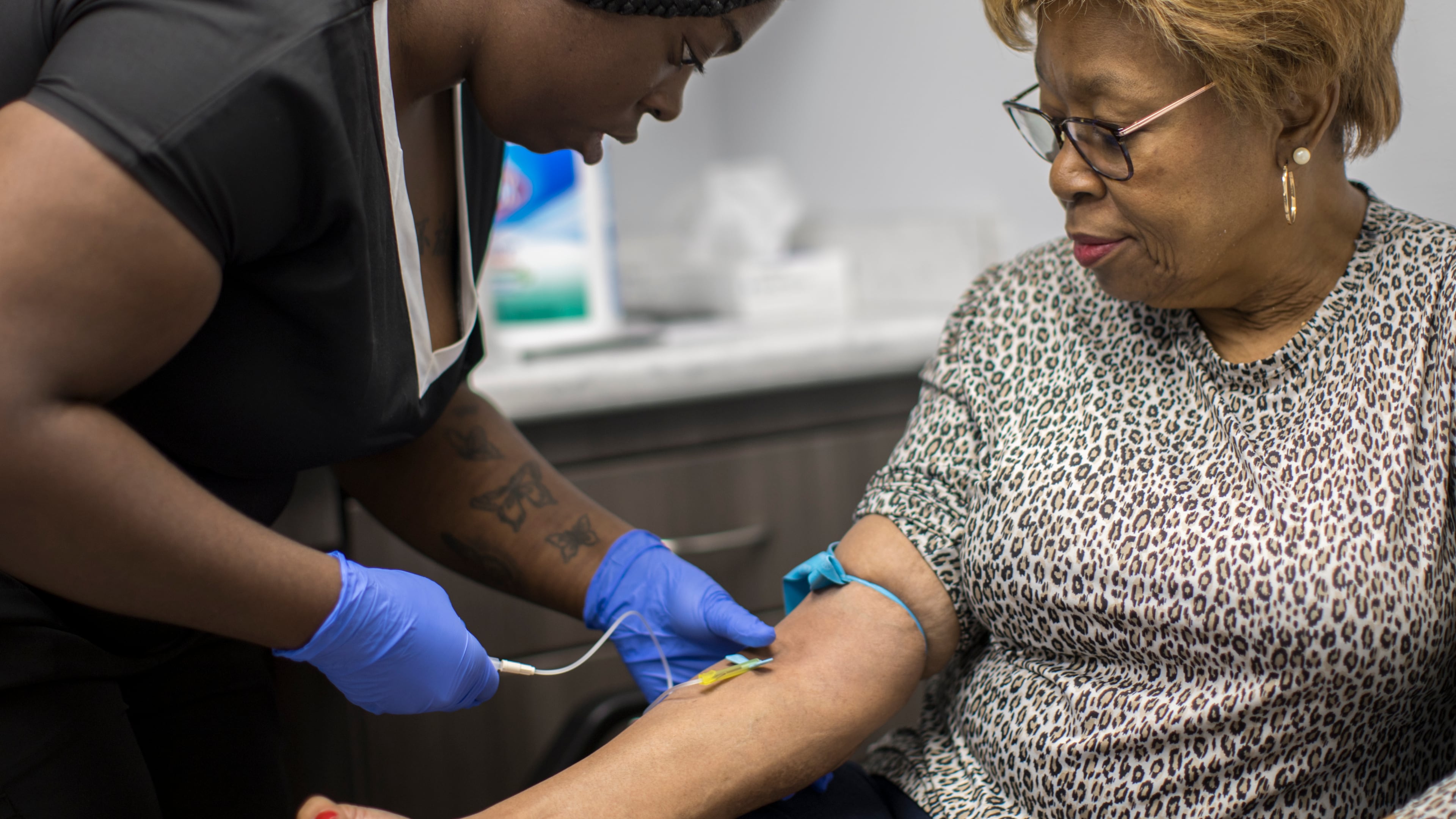
One of Georgia’s most contaminated counties will soon benefit from a $15 million grant to study the effects of the industrial chemicals that have long plagued the community.
A team of roughly 50 researchers led by Emory University will use this funding granted by the National Institutes of Health to investigate the exposure pathways, health effects and cleanup options for two chemicals tied to local industry.
The first is polychlorinated biphenyls, also known as PCBs, a class of now-banned synthetic chemicals. The other is toxaphene, a pesticide produced for years by a local factory. Both have been classified as probable human carcinogens by the U.S. Environmental Protection Agency. PCBs in particular are also linked to immune system impairment, lower birth weight and neurological defects.
A study published last year found elevated levels of these chemicals in the blood of many Glynn County residents. Brunswick alone is home to four Superfund sites, contaminated land designated by the federal government for long-term cleanup — more than any city in Georgia.
Organized under what’s known as a Superfund Research Center, it’s the first of its kind in Georgia and one of about two dozen similar centers across the U.S. Researchers will be able to investigate how residents are being exposed to these unusual chemicals and what effects they may be having on the community’s health.
“The only way to reduce exposure is to find out how they’re getting exposed,” said Dana Barr, a professor of environmental health at Emory and director of Georgia’s Superfund Research Center.
The center will also study how extreme weather in hurricane-prone Brunswick affects the spread of these chemicals. The weather and the coastal region’s sensitive marshy ecosystem also require a careful and unique approach to clean up, Barr added.
Emory began looking into the area following years of outcry from local residents and groups. Brunswick is a majority Black, lower-income city. Barr stresses this effort will rely on local residents for input and, hopefully, solve some of their long-standing problems.
“All of this research is kind of driven by the community,” she said. “This is what they want. They’ve been very vocal about it.”
The other universities included in the Superfund Research Center are: the University of Georgia, Georgia Institute of Technology, Morehouse School of Medicine, Spelman College, and Texas Tech University.