Trump calls off AI executive order over concern it could weaken US tech edge
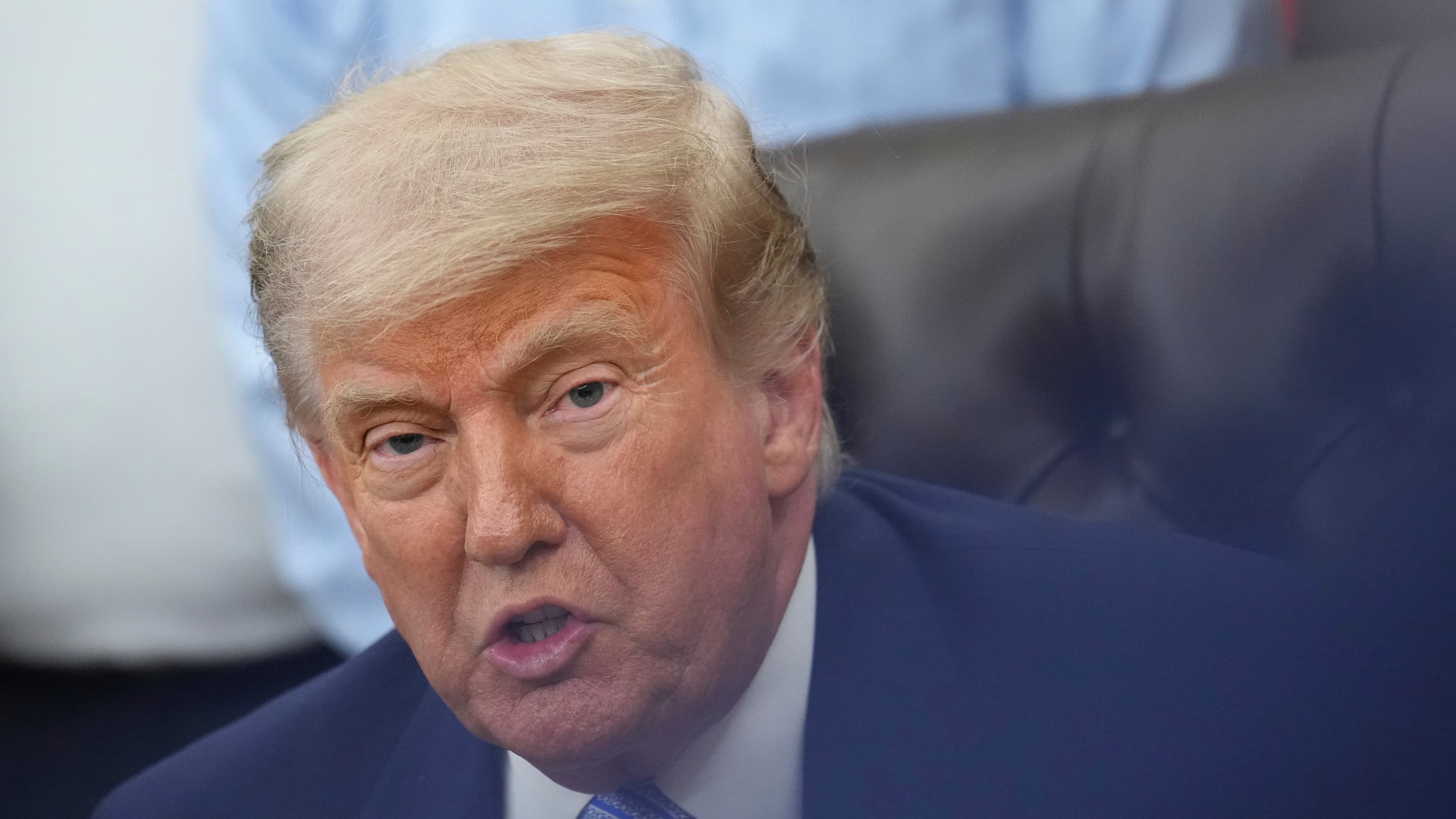
WASHINGTON (AP) — President Donald Trump called off plans to sign a new executive order on artificial intelligence hours before an expected White House ceremony Thursday because he said he was worried the measure could dull America’s edge on AI technology.
Trump said he was postponing the Oval Office event with tech industry executives because he did not like what he saw in the order’s text. “We’re leading China, we’re leading everybody, and I don’t want to do anything that’s going to get in the way of that lead,” Trump told reporters.
The order would have established a framework for the government to vet the national security risks of the most advanced AI systems before their public release, according to a person familiar with the White House’s deliberations with the tech industry but not authorized to speak about them publicly. The directive was being characterized as a voluntary collaboration with participating U.S.-based tech companies, including Anthropic, OpenAI and Google, the person said.
The push for some kind of government action to review leading AI systems follows growing concern within the banking industry and other institutions about the leaps in AI’s abilities to find cybersecurity vulnerabilities in the world’s software.
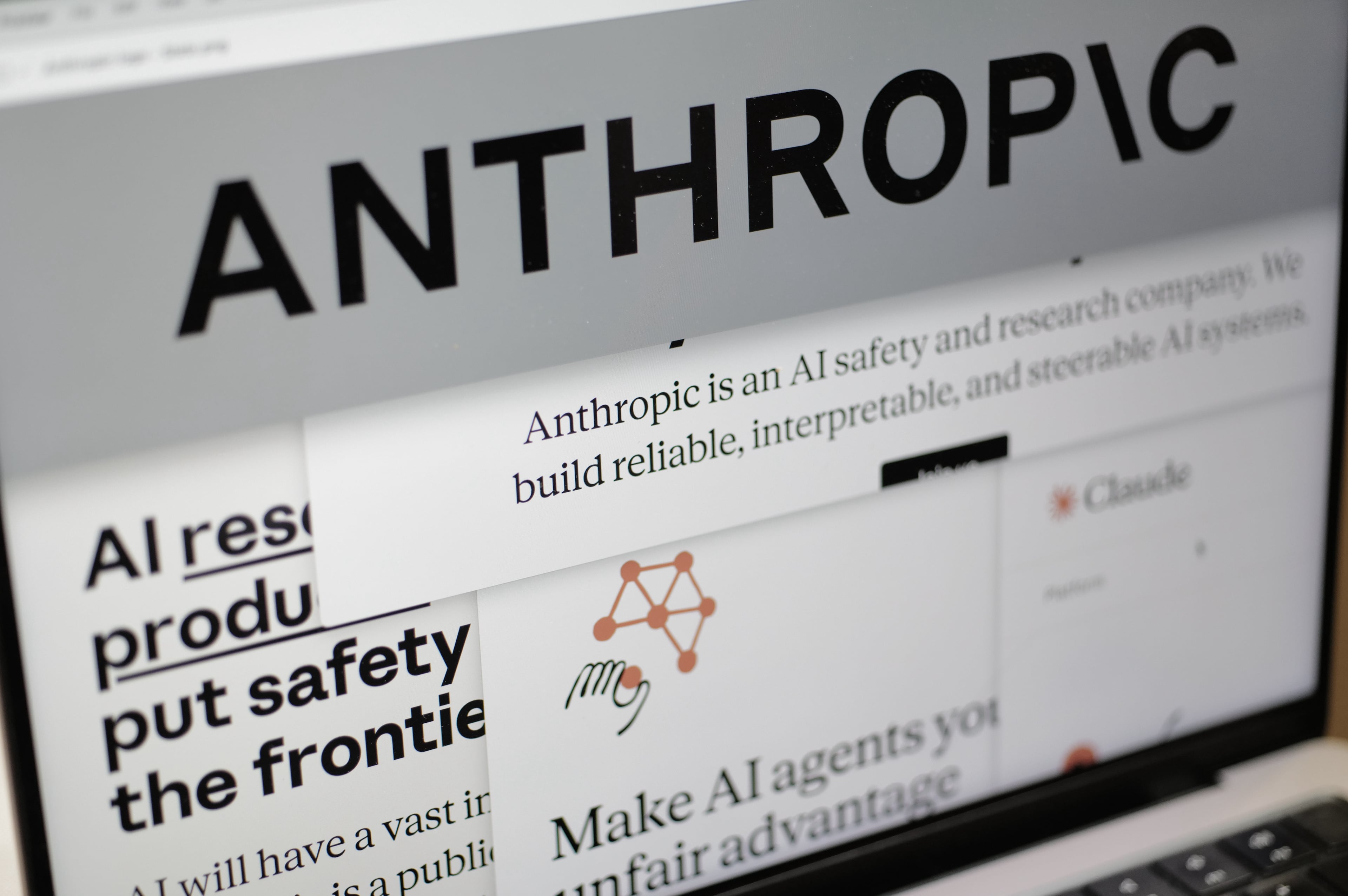
Treasury Secretary Scott Bessent and outgoing Federal Reserve Chair Jerome Powell convened an urgent meeting with Wall Street CEOs in April, warning them about the cybersecurity risks posed by Anthropic’s AI model, Claude Mythos.
The meeting, urgently assembled at the Treasury Department's headquarters, was intended to ensure that banks were aware of the risks associated with the models, Bessent said at CNBC’s “Invest in America Forum” in Washington in April. “This new Anthropic model is very powerful,” he said. “Some banks are doing a better job in cybersecurity than others, and we want to have the ability to convene them and talk about what is best practices and where they should be heading."
That led some allies of the Republican president to propose better methods for getting those AI tools in the hands of trusted cybersecurity experts.
Trump's hopes for AI have run up against voters' fears of its impact
Trump had pledged to undo the AI safety regulations set by his predecessor, Democratic President Joe Biden. Trump's administration has viewed the AI sector as an engine to help deliver on his pledges to expand the economy and he has promoted its major players at events at the White House and around the world. Last week, Trump had tech CEOs in tow for a summit with China’s Xi Jinping.
Trump's ambitions for the sector have collided with the fears of voters over the impact of the technology on American life, jobs and electricity bills. Republicans themselves are divided over whether to embrace the AI industry or side with voters who express skepticism about the technology.
Also complicating the government's interest in working with Anthropic on cybersecurity is the government's ongoing legal fight with the company. Trump in February ordered all U.S. agencies to stop using Anthropic’s chatbot Claude after an unusually public clash between the Pentagon and CEO Dario Amodei.
There are competing factions within the administration, said Serena Booth, a computer science professor at Brown University and former AI policy fellow in a Democratic-led Senate committee.
“We do see this kind of public fighting,” she said. ”‘We will release an executive order. No, we won’t. We’re going to sign it this afternoon. Oh, the signing is canceled.’ I think this whiplash is because we’re seeing these fractures.’”
Some of those divides are balancing what Booth said is a “reasonable idea” to test the most capable AI models before their public release, with a concern that government scrutiny, if it takes too long, could burden AI developers.
“It does come at a potential very large cost to innovation and speed of development,” she said. “There is, I think, a real risk here and I do see both sides.”
The White House has pushed back against state laws seeking to regulate AI, saying the measures could curb growth. A new executive order that could have been perceived as government screening of commercial AI models would have signaled a significant shift in the administration's approach.
At the same time, similar screening is already happening. Trump’s Commerce Department announced earlier this month that it signed agreements with Google, Microsoft and Elon Musk’s xAI to evaluate their most powerful AI models before their public release, building on previous agreements the Biden administration made with Anthropic and OpenAI. But the announcement later disappeared from the Commerce Department website.
White House describes a balance between safety and innovation
At a White House press briefing Tuesday, Vice President JD Vance declined to discuss specifics from the order but said the administration wants to promote innovation while also addressing cybersecurity threats and data privacy.
“The president wants us to be pro-innovation. He wants us to win the AI race against all other countries in the world,” he said. Vance added, "We also want to make sure that we’re protecting people.”
Asked about new models that could pose security risks, Vance said the administration is taking a collaborative approach with tech companies.
“It also does have some downsides,” he said, “and we’re trying to balance that safety against innovation.”
A former White House tech policy adviser who was a lead author of Trump’s AI policy road map said the disagreements likely represent “healthy tension” in an administration that has long been wary of regulating the “frontier AI” companies like Anthropic, OpenAI and Google.
“They don’t want to do it because it’s politically risky in a million different ways,” said Dean Ball, now at the Foundation for American Innovation. Ball said he would welcome an executive order that would get those companies working more closely with the government on cybersecurity but “ultimately, I’m fine with them taking time to get this right.”
—-
O'Brien reported from Providence, R.I. Associated Press writer Fatima Hussein contributed to this report.
More Stories
The Latest