The Latest: US indictment of former President Raúl Castro raises pressure on Cuba
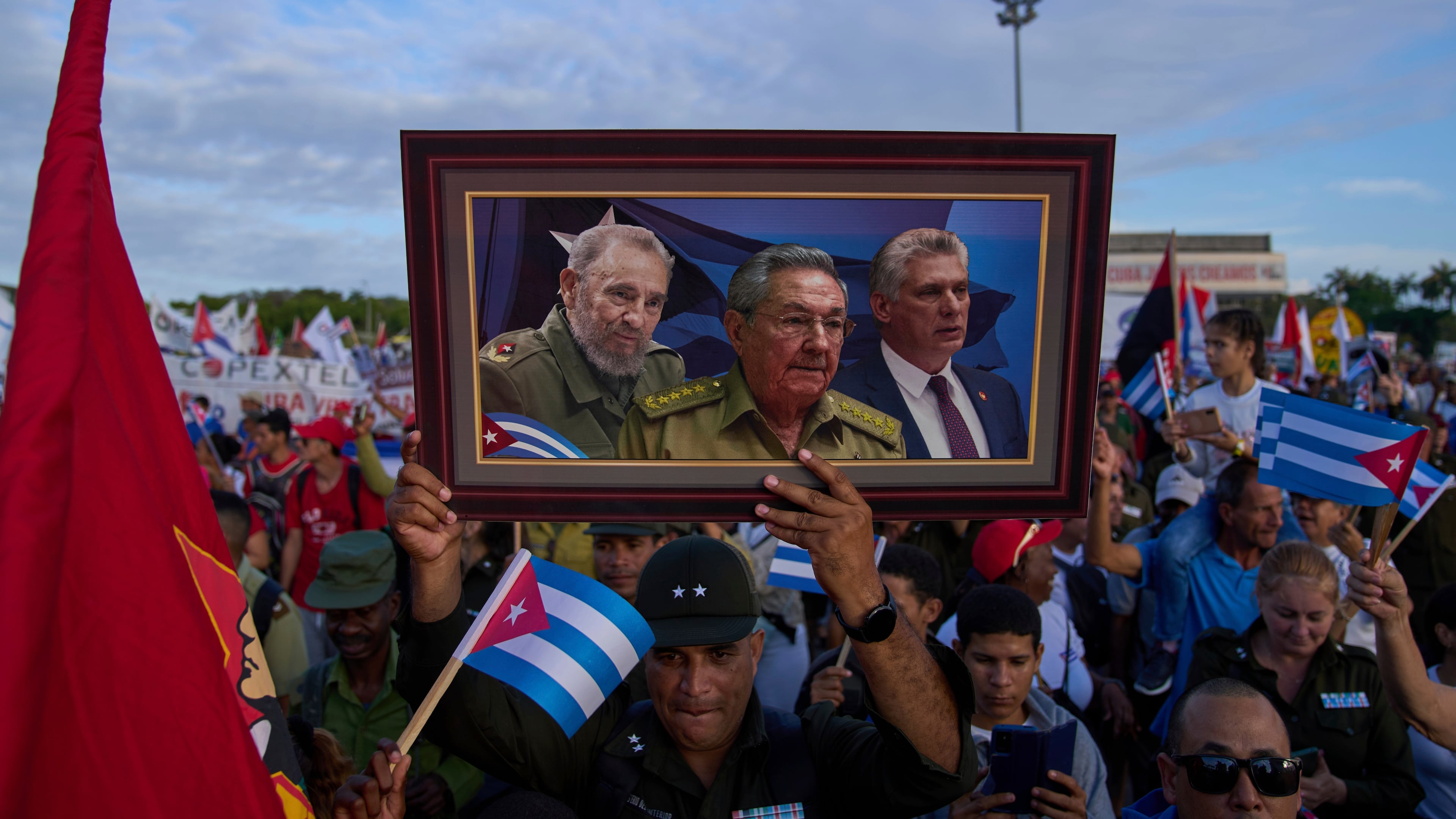
The Trump administration's indictment of former Cuban President Raúl Castro in the 1996 downing of civilian planes flown by Miami-based exiles is escalating pressure on the island’s socialist government.
Meanwhile, Senate Republicans are expected to abandon a proposal for $1 billion in security money for the White House complex and Trump’s ballroom on Thursday. And Trump's plan to build a triumphal arch in Washington is getting a second look from the U.S. Commission of Fine Arts, a federal agency that suggested changes before it approved the concept last month.
The Latest:
Timeline of relations between the US and Cuba
Trump has been escalating talk about regime change in Cuba ever since he sent the U.S. military to capture Venezuelan President Nicolás Maduro in January. Now a federal indictment of former Cuban leader Raúl Castro is raising questions about whether Trump might try something similar in Havana.
Here’s a timeline of U.S. relations with the communist-run island, including repeated meetings with Raúl Guillermo Rodríguez Castro, the grandson of Castro known as “Raúlito.”
China opposes US sanctions and pressure on Cuba
“China always firmly opposes illegal unilateral sanctions that lack a basis in international law and have no authorization from the United Nations Security Council and the abuse of judicial measures, and we also oppose external forces exerting pressure on Cuba under any pretext,” Foreign Ministry spokesperson Guo Jiankun said Thursday.
The U.S. should “stop wielding the stick of sanctions and judicial measures” against the country, Guo added. “China firmly supports Cuba in safeguarding its national sovereignty and national dignity and opposes external interference.”
Trump’s proposed Washington arch gets another review
Trump’s plan to build a triumphal arch in Washington is getting a second look from a federal agency that suggested changes before it approved the concept last month.
The proposed 250-foot (76 meter) arch is one of several projects the Republican president is pursuing alongside a White House ballroom to leave his imprint on Washington. Critics of the project, including an overwhelming number of people who submitted public comment in April, said the arch would be taller than any other monument in the capital city and dominate the skyline.
He has said some of his other projects, such as adding a blue coating to the interior of the Lincoln Memorial Reflecting Pool, will beautify the city in time for July 4 celebrations of America’s 250th birthday.
The U.S. Commission of Fine Arts, whose members were appointed by Trump, approved the concept for the arch at its monthly meeting in April. Commissioners are set to consider and possibly vote on updated plans when they meet again on Thursday.
Young Republicans wrestle with their disappointment in Trump and their party
The more than a dozen young Republicans who gathered with beers and brightly colored cocktails at a bar called dEcORa in Kentucky this week were picking apart the presidential administration they welcomed with high hopes last year.
By now, their enthusiasm for Trump had curdled into frustration. What poured out at the bar was a sense that the Republican establishment — which they initially applauded Trump for disrupting, but which some now see him sustaining — had forsaken them.
That festering feeling has widened a generational gap between younger and older conservatives as the party slowly begins to consider a future without Trump in charge.
The Republican primary defeat of Rep. Thomas Massie — who had earned a younger and anti-establishment following while feuding with Trump — cost them one of their strongest allies in Congress.
Republicans expected to abandon $1B security proposal for White House and Trump’s ballroom
Senate Republican leaders are expected to abandon a proposal for $1 billion in security money for the White House complex and Trump’s ballroom on Thursday after members of their own party questioned the timing and the lack of detail in the Secret Service request.
Pressured by the White House, Republicans have tried to add the money to a roughly $70 billion bill to restore funding to U.S. Immigration and Customs Enforcement and the Border Patrol. But the security proposal met with backlash from some GOP lawmakers who are questioning the cost and how the taxpayer dollars would be used.
The bill’s text has not yet been released, but the Senate hopes to pass it this week and send it to the House before leaving for a weeklong Memorial Day recess.
Sen. Thom Tillis, R-N.C., said the effort to add the security package to the bill was a “bad idea” and he does not think there is enough backing to pass it, even if the cost were reduced.
US indictment raises pressure as Cuba's president condemns charges
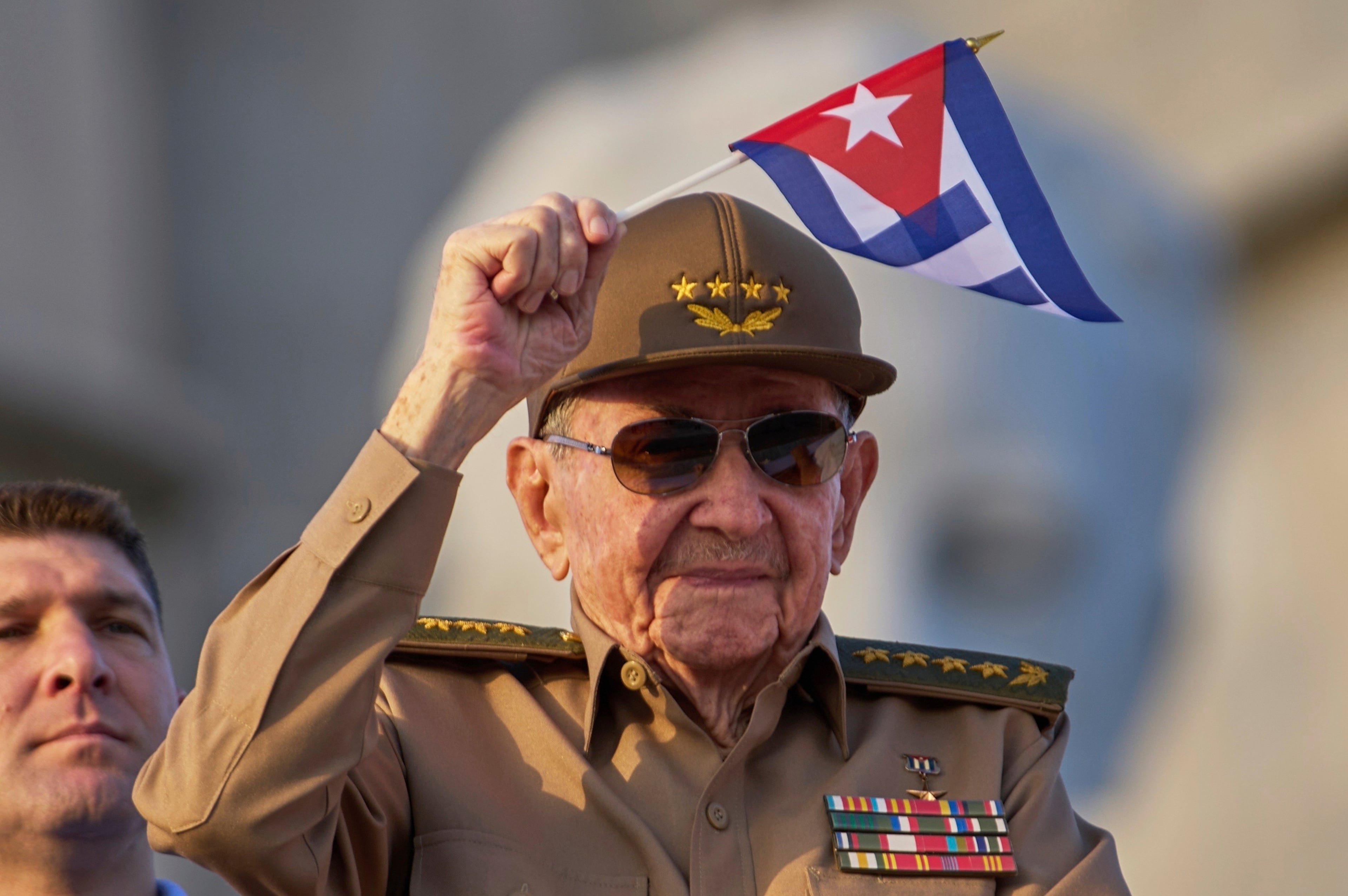
Federal prosecutors on Wednesday announced criminal charges against former Cuban President Raúl Castro in the 1996 downing of civilian planes flown by Miami-based exiles as the Trump administration escalated pressure on the island’s socialist government.
The indictment accuses Castro of ordering the shootdown of two small planes operated by the exile group Brothers to the Rescue. Castro, who turns 95 next month, was Cuba’s defense minister at the time. The charges, which were secretly filed by a grand jury in April, included murder and destruction of an airplane. Five Cuban military pilots were also charged.
Asked to what lengths American authorities would go to bring Castro to face charges in the U.S., acting Attorney General Todd Blanche said: “There was a warrant issued for his arrest. So we expect that he will show up here, by his own will or by another way.”
The charges pose a real threat, observers said, following the capture by U.S. forces in January of former Venezuelan President Nicolás Maduro to face drug charges in New York.