Rare public appearances, low profile mark Raúl Castro's life since stepping down as Cuba's president
HAVANA (AP) — Former President Raúl Castro was last seen surrounded by tens of thousands of people attending a state-organized rally for International Workers' Day along Havana’s famed seawall.
The 94-year-old stood tall and unwavering under a warming sun, even as some people nearby fainted before the May 1 event began. Standing behind him was his security detail, led by grandson Raúl Guillermo Rodríguez Castro.
It was a rare public appearance for the last Castro from the revolutionary era. While he is believed to wield significant influence over the government, he maintains a low profile even as general of Cuba’s army.
He was in the spotlight Wednesday, when U.S. prosecutors unveiled an indictment that accuses Castro of ordering the 1996 shootdown of civilian planes flown by Miami-based exiles. The charges include murder and destruction of an airplane. Castro was minister of defense at the time.
The indictment and remarks Thursday by U.S. President Donald Trump and Secretary of State Marco Rubio renewed fears of a possible U.S. military intervention in Cuba, much like what happened in Venezuela in early January.
“We expect that he will show up here, by his own will or by another way,” acting U.S. Attorney General Todd Blanche said in announcing the charges against the former Cuban president during a press conference in Miami.
Cuba's socialist government condemned the indictment and prepared to hold a rally Friday to honor Castro, who turns 95 on Jan. 3. Protests were planned Friday morning in front of the U.S. Embassy in Havana.
“The Cuban people reaffirm that neither threats, nor blockade, nor energy embargo, nor false accusations will be able to break the will of an entire people in defense of their Revolution,” read a statement published by state media.
It is not known if Castro will attend Friday’s event.
Castro is rarely seen in public
In July 1953, Castro was arrested in Cuba after being accused of armed rebellion following a failed assault against military barracks. He was sentenced to 13 years in prison but was released two years later following a political amnesty. He then left for Mexico and helped organize the revolution.
He married a guerrilla fighter, Vilma Espín, in the 1960s and the couple had four children. Little else is know about Castro's private life: He is considered a family man and officially resides west of Havana.
Even during his years as defense minister under his late brother, Fidel Castro, and later as president, his routine stood out for its discretion: no agendas, official ceremonies, or public or family gatherings.
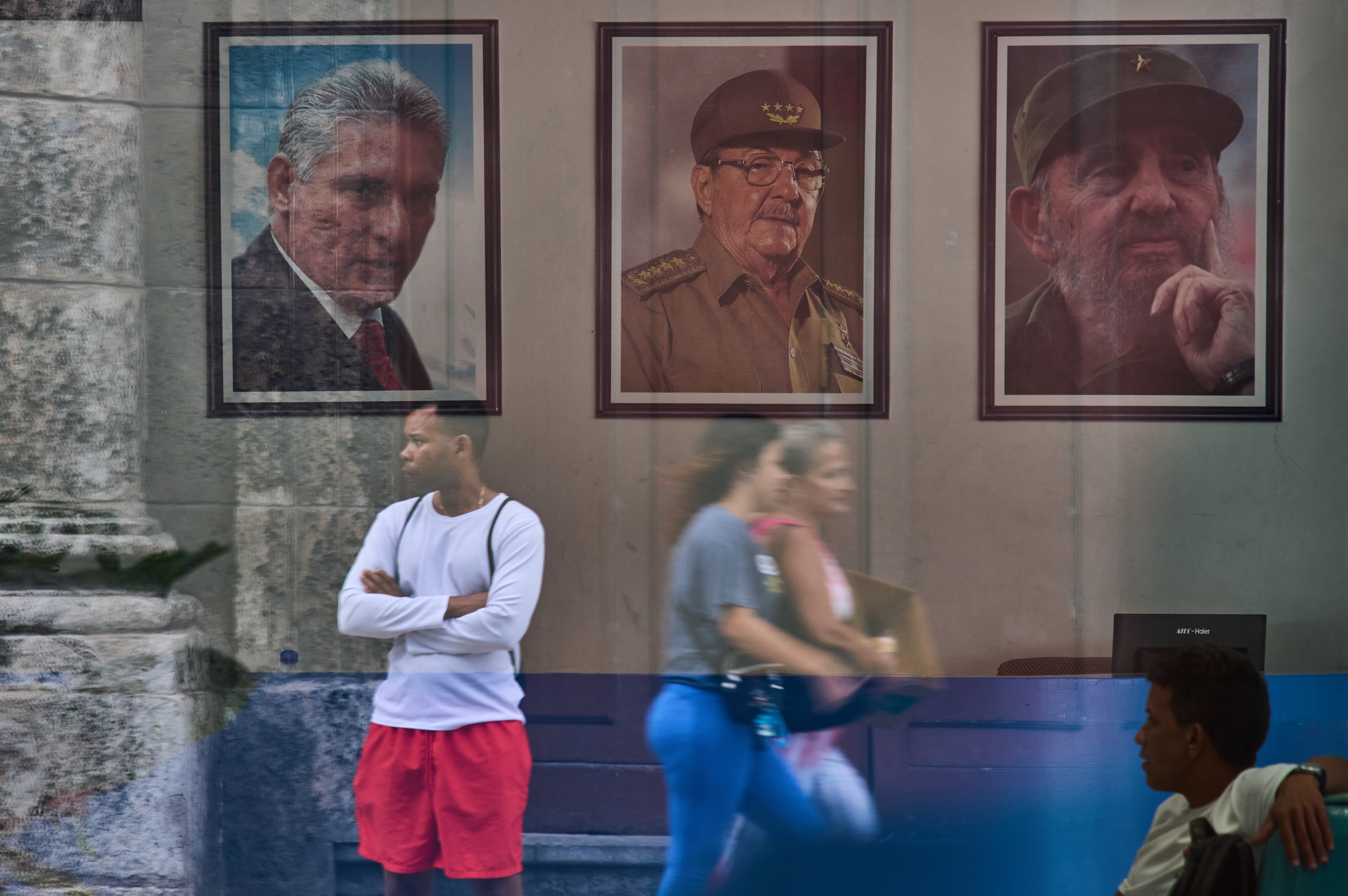
Since stepping down and handing over to President Miguel Díaz-Canel, Raúl Castro has rarely been seen in public. He wears his signature olive-green military uniform when greeting visiting dignitaries.
“He still has influence, and the leadership seeks his opinion on major decisions, but he is not running the government on a day-to-day basis,” said William LeoGrande, a political scientist at American University in Washington.
“If the U.S. were to abduct him, it would not change the operations of government, unlike what happened in Venezuela,” LeoGrande said.
U.S., Cuba tensions worsen
The indictment against Raúl Castro has deepened tensions between the U.S. and Cuba, which recently announced that its oil reserves had run dry because of an ongoing U.S. energy blockade.
The island’s crises have worsened since the Jan. 3 U.S. invasion of Venezuela, which halted critical oil shipments from the South American country. Then in late January, Trump threatened tariffs on any country that sells or provides oil to Cuba.
Top Trump aides — including Rubio, CIA chief John Ratcliffe and other senior national security officials — have met with Cuban officials in recent months to explore improving relations. But the U.S. side has come away unimpressed from those talks, leading to more sanctions imposed on the Cuban government in the past week.