NASA begins a practice countdown for its first moonshot with astronauts in more than 50 years
CAPE CANAVERAL, Fla. (AP) — NASA began a two-day practice countdown Saturday leading up to the fueling of its new moon rocket, a crucial test that will determine when four astronauts blast off on a lunar flyby.
Already in quarantine to avoid germs, Commander Reid Wiseman and his crew will be the first people to launch to the moon since 1972. They will monitor the dress rehearsal from their Houston base before flying to Kennedy Space Center once the rocket is cleared for flight.
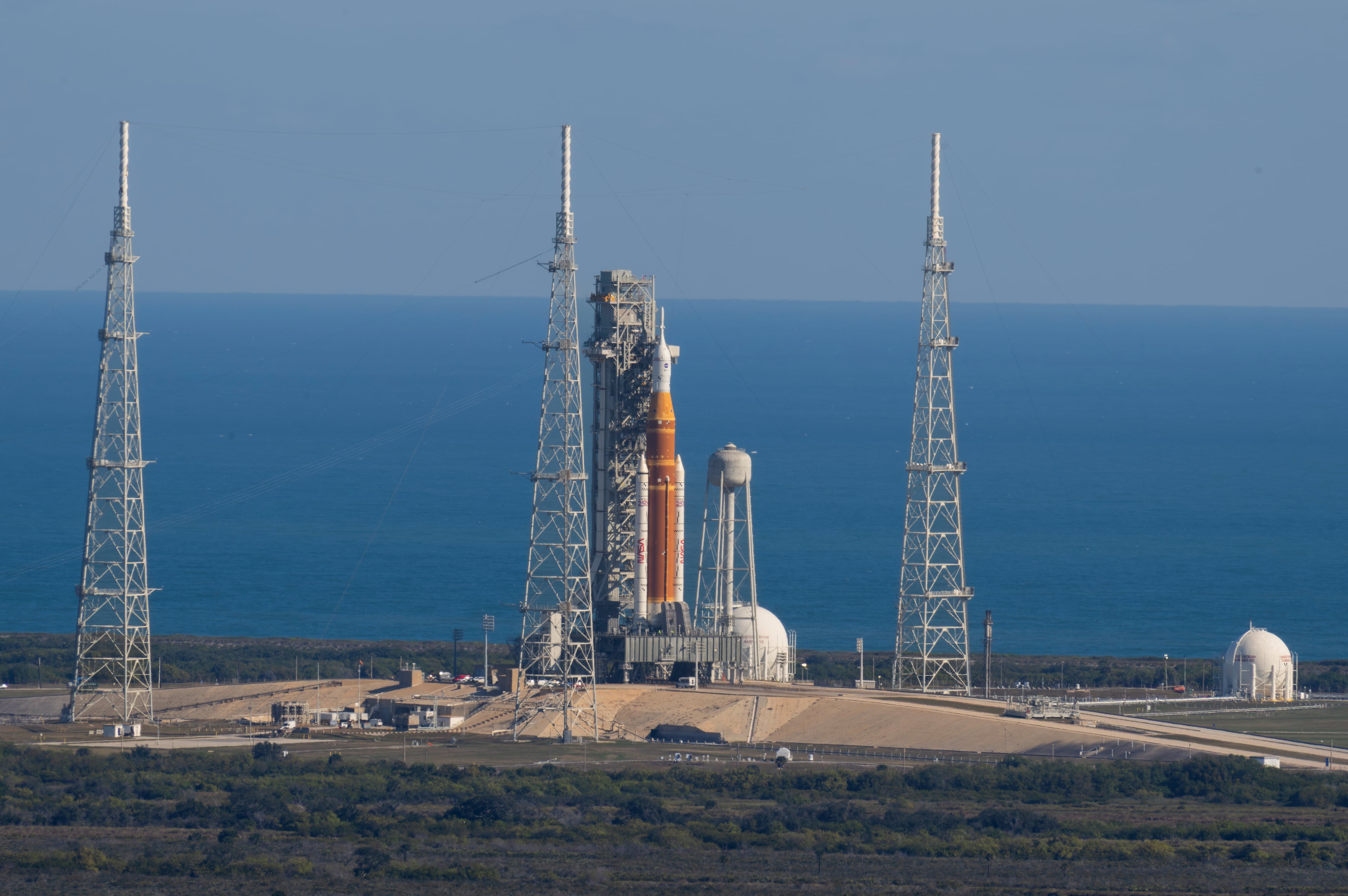
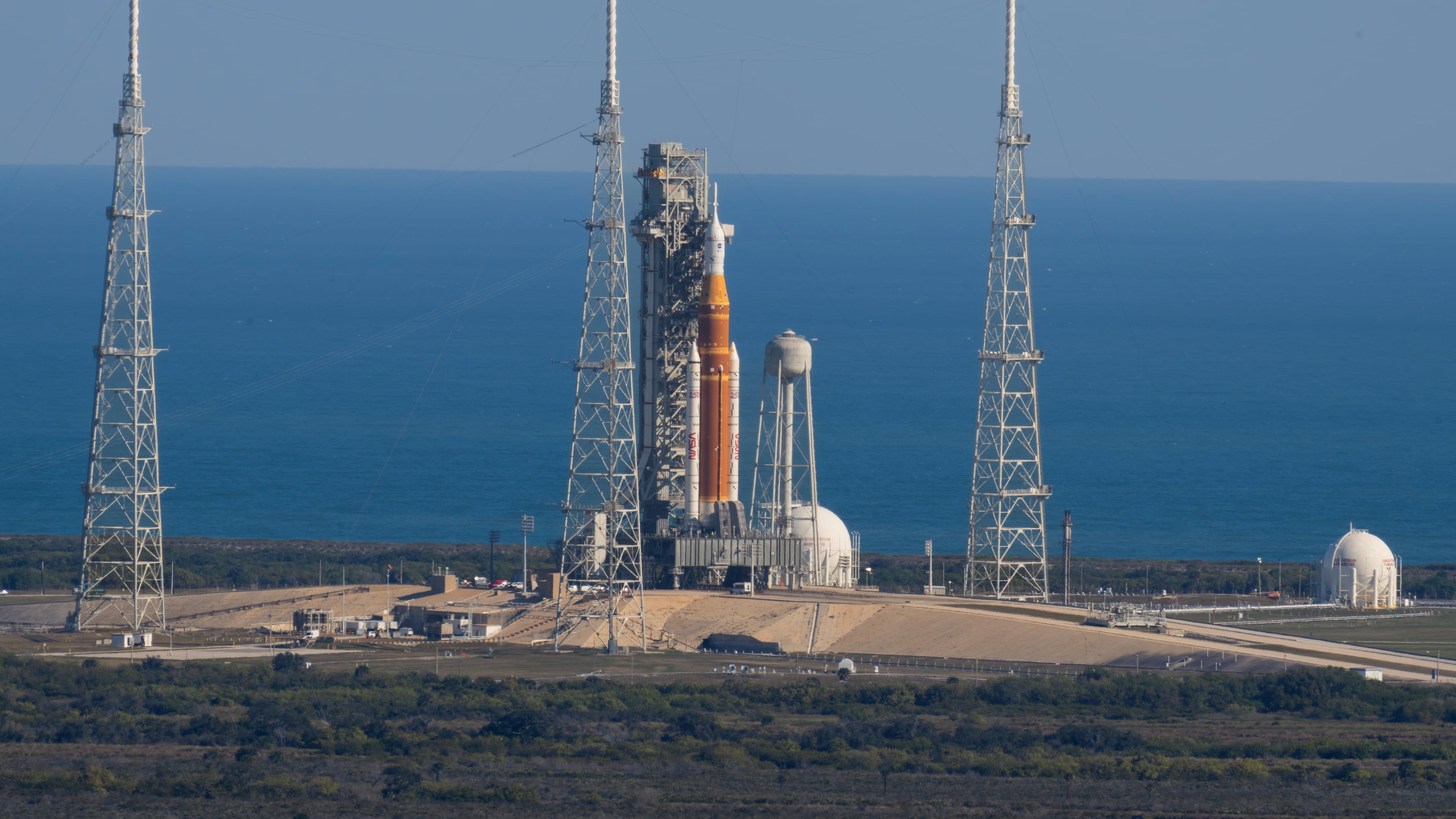
The 322-foot (98-meter) Space Launch System rocket moved out to the pad two weeks ago. If Monday's fueling test goes well, NASA could try to launch within a week. Teams will fill the rocket's tank with more than 700,000 gallons of super-cold fuel, stopping a half-minute short of when the engines would light.
A bitter cold spell delayed the fueling demo, and the launch, by two days. Feb. 8 is now the earliest the rocket could blast off.
Riding in the Orion capsule on top of the rocket, the U.S. and Canadian astronauts will hurtle around the moon and then straight back without stopping until splashdown in the Pacific. The mission will last nearly 10 days.
NASA sent 24 astronauts to the moon during the Apollo program, from 1968 to 1972. Twelve of them walked on the surface.
___
The Associated Press Health and Science Department receives support from the Howard Hughes Medical Institute’s Department of Science Education and the Robert Wood Johnson Foundation. The AP is solely responsible for all content.