Georgia Medicaid glitch briefly disenrolls disabled children
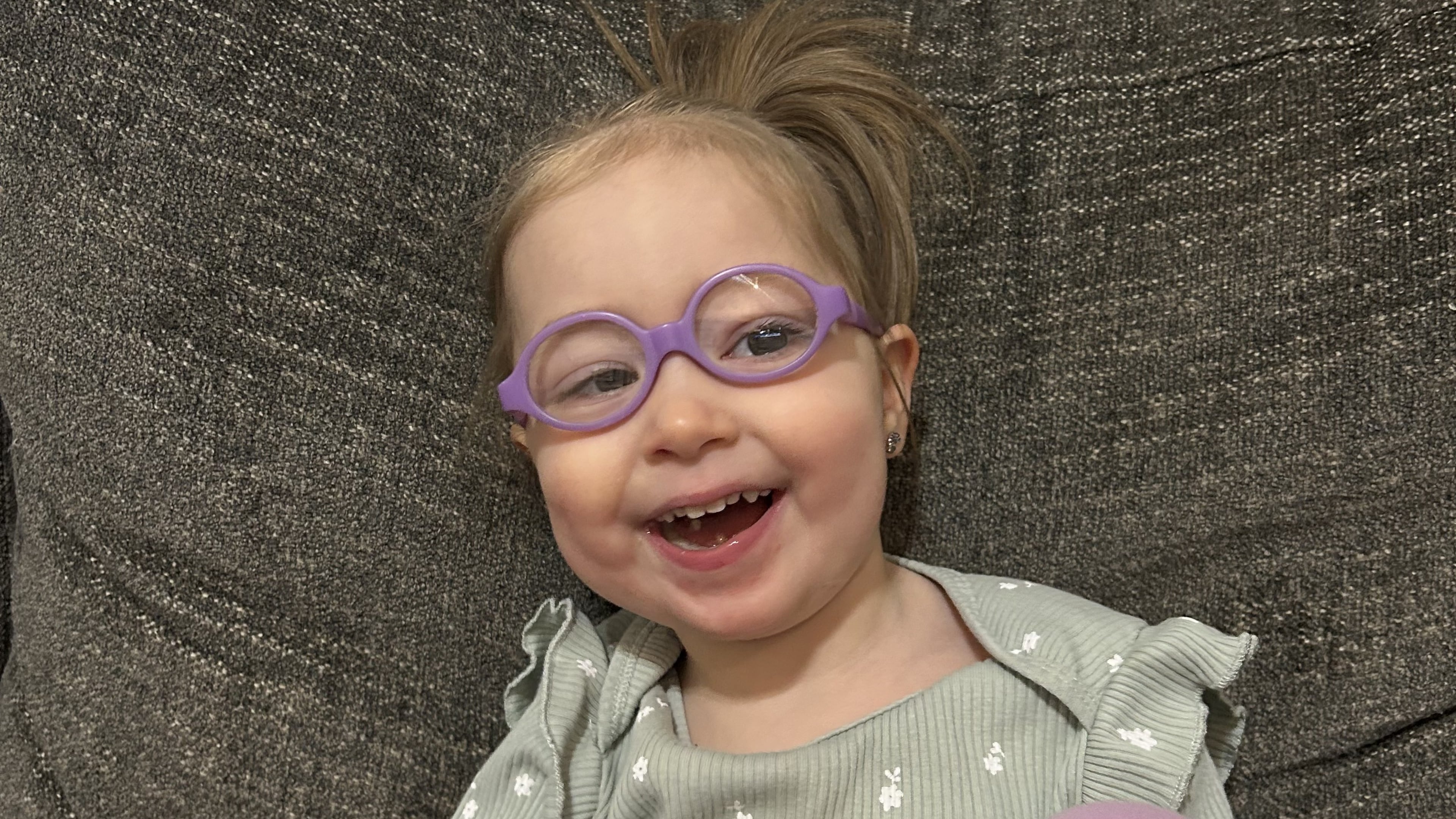
Three-year-old Charlee Kilpatrick was at occupational therapy for her muscular disability Monday morning when the front desk staff pulled her mother, Kelli, aside to say the Georgia Medicaid coverage that helps pay for the visits had been canceled as of Feb. 1.
The Kilpatricks are among a wave of families told the same thing following a computer glitch over the weekend, according to patient advocates and officials with the state Department of Community Health, which oversees Medicaid.
DCH officials said the problem was fixed Tuesday morning.
The glitch affected a special group of cases under what’s known as the Katie Beckett waiver, which covers extra costs like copays and equipment for disabled children.
And it underlined concerns from patient advocates about the challenges looming for states’ aging computer systems when new federal paperwork requirements arrive in the next couple of years. Georgia’s Medicaid system has a history of serious glitches.
DCH spokesperson Fiona Roberts on Monday did not provide a number of people affected, but the Katie Becket waiver has historically covered fewer than 10,000 children in Georgia.
Melissa Eagling wrote in an email to The Atlanta Journal-Constitution on Monday that her 9-year-old son’s services were all paused: nursing, unskilled care help, prescriptions and approvals for devices, including a wheelchair.
Kilpatrick said she put a stop on orders the family placed for a $10,000 wheelchair and a $3,000 walker for Charlee. Those orders can now proceed.
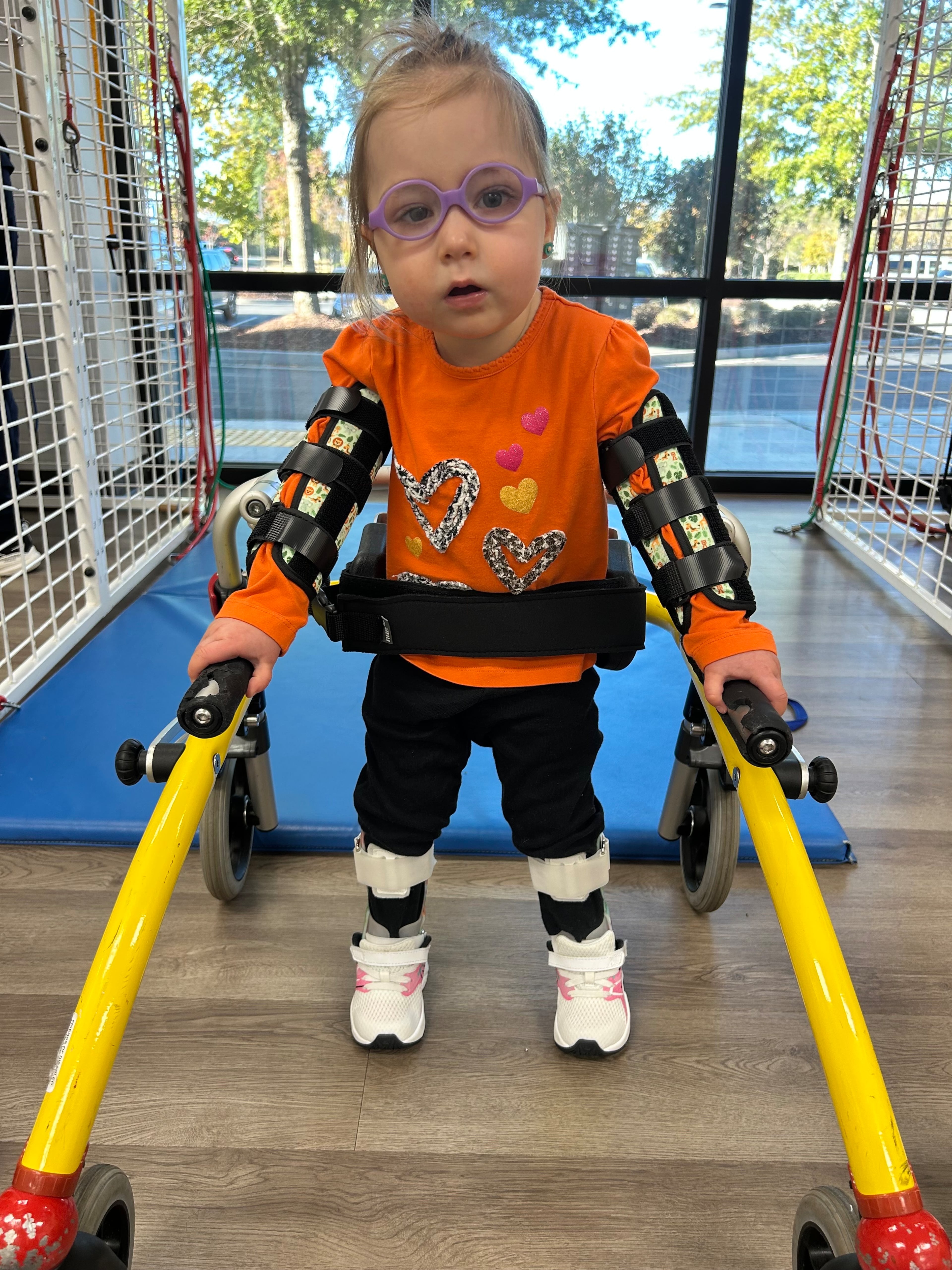
Kilpatrick said the family relies on the program — she had to quit her job to take care of Charlee’s needs and her husband is a mechanic — and there was no advance warning about the problem from the state.
“She pulled it up and it showed that as of Feb. 1, (Charlee’s) coverage had been terminated,” recalled Kilpatrick. “No prior written notice, no nothing. I mean, it just showed that the coverage was gone.”
Many families said on social media Monday that they were unable to get details from the state’s Medicaid eligibility workers, or even get past recorded messages on the phone system. Some heard about the glitch after reaching out to elected officials.
President Donald Trump’s One Big, Beautiful Bill law, which passed last summer, will impose more paperwork requirements on states’ Medicaid systems. As a result, about 32,000 Georgians are expected to lose Medicaid coverage who would still be eligible, according to the health research organization KFF.
One example is having to file proof of citizenship. Kilpatrick said she spent two hours last fall trying to upload copies of her and her husband’s driver’s licenses — again and again and again.
“It’s a terrible system,” she said.
About the Author

Ariel Hart is a reporter on health care issues. She works on the AJC’s health team and has reported on subjects including the Voting Rights Act and transportation.


