Famous Cherokee led Native American boarding school near Cartersville

A second Native American boarding school operated in Georgia during the 19th century, though far less is known about it than the one Moravian missionaries established earlier at Spring Place near Chatsworth.
Both schools are intertwined with the man who became editor of the country’s first Native American newspaper and signed the treaty that forcibly relocated Cherokee people on the deadly Trail of Tears.
Located near Cartersville between 1823 and 1834, High Tower Mission School was affiliated with the American Board of Commissioners for Foreign Missions, according to U.S. Department of the Interior records created during the Biden administration. Those records do not show any students died at the school, which was also called Etowah Mission School or Etonee School.
A 1827 U.S. Department of War document shows the school was federally funded, according to the National Native American Boarding School Healing Coalition. The coalition also found an 1829 report by American Board of Commissioners for Foreign Missions that says 15 children were boarded and taught at the school.
The coalition says the school was located just north of the Etowah River near a present-day mining company. The company’s president said he wasn’t familiar with it. He added his company wasn’t allowing visitors because of mining operations.
Georgia’s High Tower and Spring Place appear on a list of more than 400 Native American boarding schools the federal government supported or operated across the United States before 1969. The Biden administration compiled the list, saying it was acknowledging the federal government’s role in forcibly separating Native American families, assimilating them and stripping them of their lands.
Among the people who worked at High Tower was Elias Boudinot, a Cherokee man from northwest Georgia who was originally named Gallegina “The Buck” Watie. He and two of his siblings enrolled at the Moravian school at Spring Place.
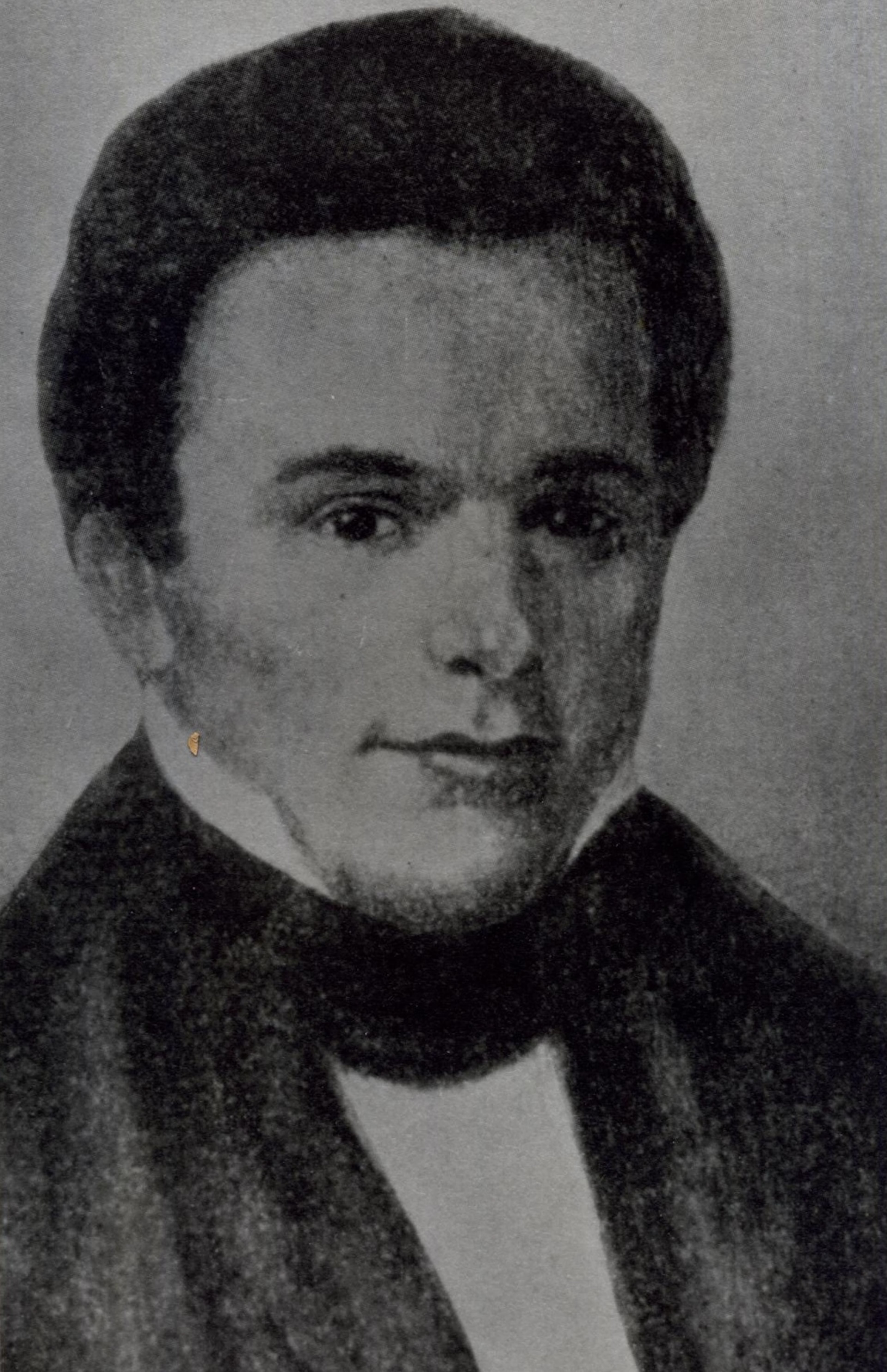
Boudinot’s 12-year-old sister, Dawnee, died while attending the Spring Place school in 1812. His younger brother Stand Watie was also educated by the Moravians and would later become a Confederate brigadier general during the Civil War, according to the Encyclopedia of Oklahoma History and Culture.
Boudinot received an invitation in 1817 to attend the American Board of Commissioners for Foreign Missions school in Cornwall, Connecticut, according to the New Georgia Encyclopedia. Boudinot spent several years at the school, according to the encyclopedia, and converted to Christianity in 1820. Six years later, he married Harriet Ruggles Gold, the daughter of a Cornwall physician.
Between 1826 and 1827, Boudinot worked as a missionary and schoolmaster at High Tower, according to Ralph Henry Gabriel’s book, “Elias Boudinot: Cherokee & His America.” The mission, Gabriel wrote, was “tiny and somewhat dilapidated” when Boudinot arrived.
“On December 1, 1826, Elias and Harriett Boudinot came to High Tower to renew in that sector the war against heathendom,” Gabriel wrote. “By early January the building had been put in order and about a dozen scholars had been gathered.”
Boudinot is more well known for what he did after he left High Tower.
In 1828, he became editor of the Cherokee Phoenix, the first Native American newspaper in the United States, according to the New Georgia Encyclopedia. And he signed the New Echota Treaty of 1835, which led to the forced removal of Cherokee people to present-day Oklahoma, according to the encyclopedia.
After moving west with his family in 1839, Boudinot and two other treaty signers were assassinated.
About the Author

Jeremy Redmon is an award-winning journalist, essayist and educator with more than three decades of experience reporting for newspapers. He has written for The Atlanta Journal-Constitution since 2005.

