
Welding school leader seeks more women in trades as modern Rosie the Riveters
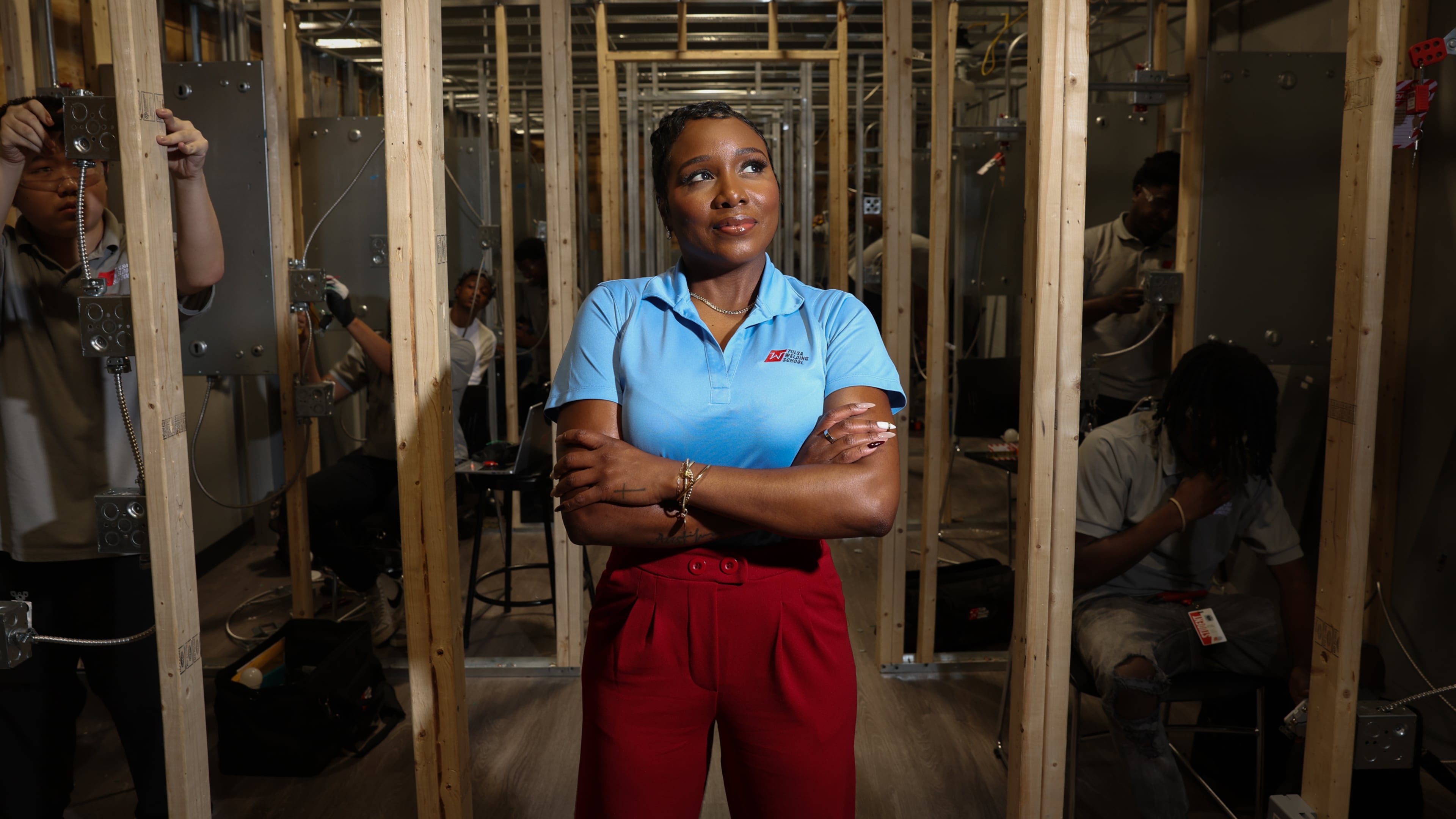
Tamekia Morris didn’t start her career thinking about welding torches or HVAC units.
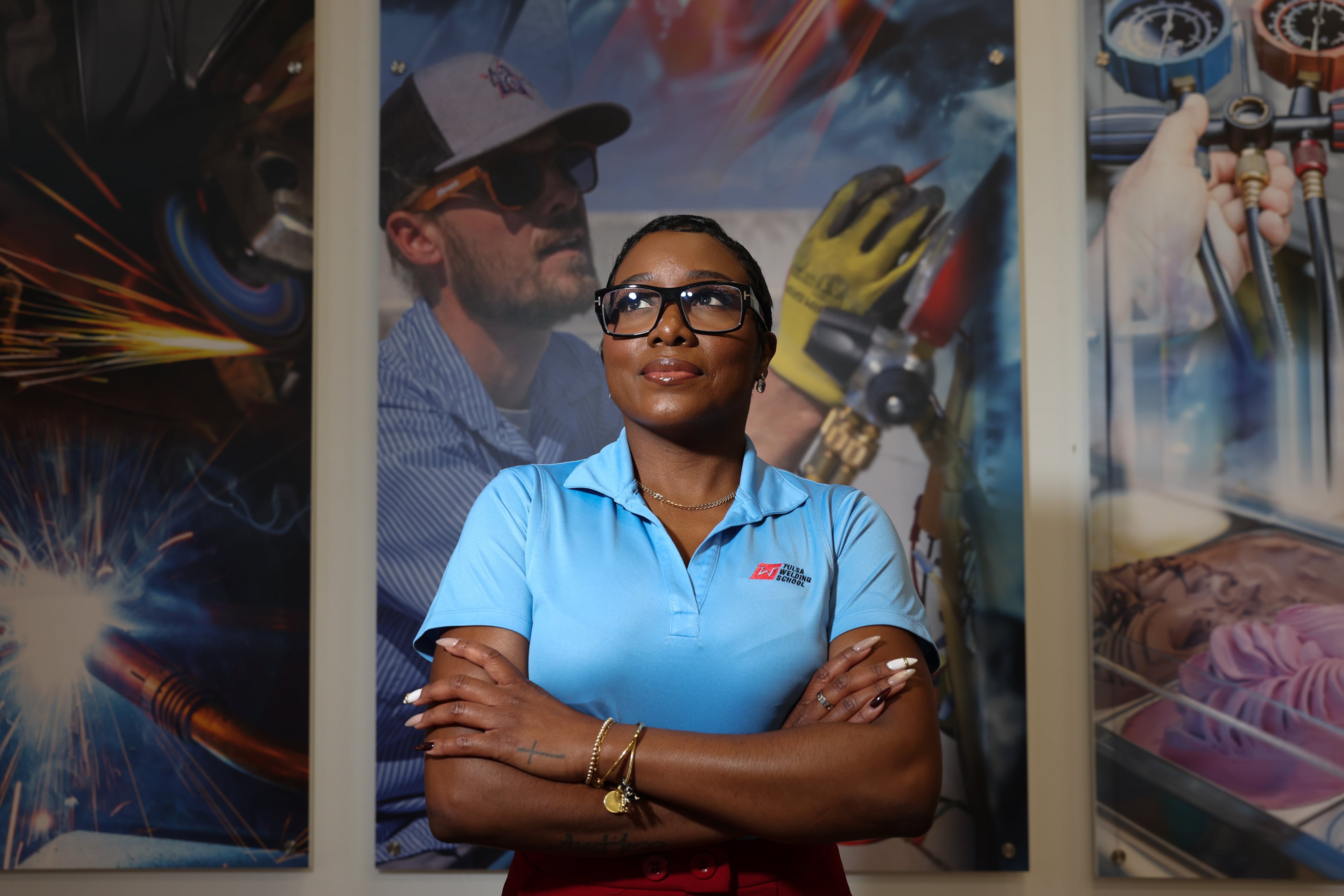
She started it wanting to help people find better futures, a mission that’s carried her through nearly two decades in higher education and landed her, most recently, as president of Tulsa Welding School’s new metro Atlanta campus.
Morris has held other leadership roles in education before stepping into her current position, first leading the school’s Dallas-area campus in Irving, Texas, then returning to the Atlanta area last year to lead the campus in Decatur.
Along the way, she’s become an outspoken advocate for getting more women into skilled trades, a sector she says has been overlooked by a demographic that could help close a growing labor shortage.
Edited for length and clarity.
Q. Tell me a little about your background and what brought you to this role.
A. I have been in higher education since 2007. I know I don’t look that old. At my core, I have always been passionate about education and creating opportunities for people to build better futures.
I went the traditional education route, where I got a four-year degree from the University of Florida, did my master’s at (Florida International University).
But quickly realized when I got into this industry after I graduated that four-year universities just aren’t for everyone. I have younger siblings I’ve helped get on the track of getting into something like a trade as opposed to going that four-year route. ...
My brother, he got into diesel mechanics, and my uncle also is a welder, and he’s always been an advocate for skilled trades. (That) completely changed my perspective on what success looks like for education. It doesn’t have to look like the route that I took, right?
Q. Why is women’s representation in your industry so important to you?
A. I feel like for us women, our demographic has been completely untapped because the visibility for these types of programs was not there. The perception around women doing these types of programs wasn’t a great perception.
Even if I think about myself, my mom raised me super soft, feminine. This isn’t the route you would go. You should go be a doctor or a lawyer.
But I feel like now, many women are looking for careers that allow them to enter into the workforce faster. As I mentioned earlier, being able to avoid the heavy debt that comes with these four-year degrees, and being able to still be successful and have fun and do things that men can do.
We can do it, and sometimes we do it even better.
Q. What’s an important lesson you’ve learned in your roles that you weren’t expecting?
A. Just thinking from a woman’s perspective, being able to be confident in what you’re doing and making sure these trades are given the exposure that’s needed.
I think just having more visibility for everyone and creating environments that are inclusive, not just for men but for women alike (matters), so that when they do want to enroll ... that they feel good and still have fun and then be able to be successful in the path they chose.
Q. How do you think the rise of artificial intelligence has affected interest in trade careers like these?
A. When I think about AI, it may not be completely true to say these type of careers are irreplaceable with AI. I personally don’t believe that these skills and trades would be completely taken over by AI.
These are trades that require a human touch, especially welding. Like it’s a lot of tactile, it’s all about hand motion. I think AI can help make these skills more efficient but won’t completely take it over.
These are recession-proof career fields that our students are getting into or graduating from, and I like to say they’re AI-proof too. They can make it more efficient, but you can’t replace us.
Q. What kind of training can students at your school expect?
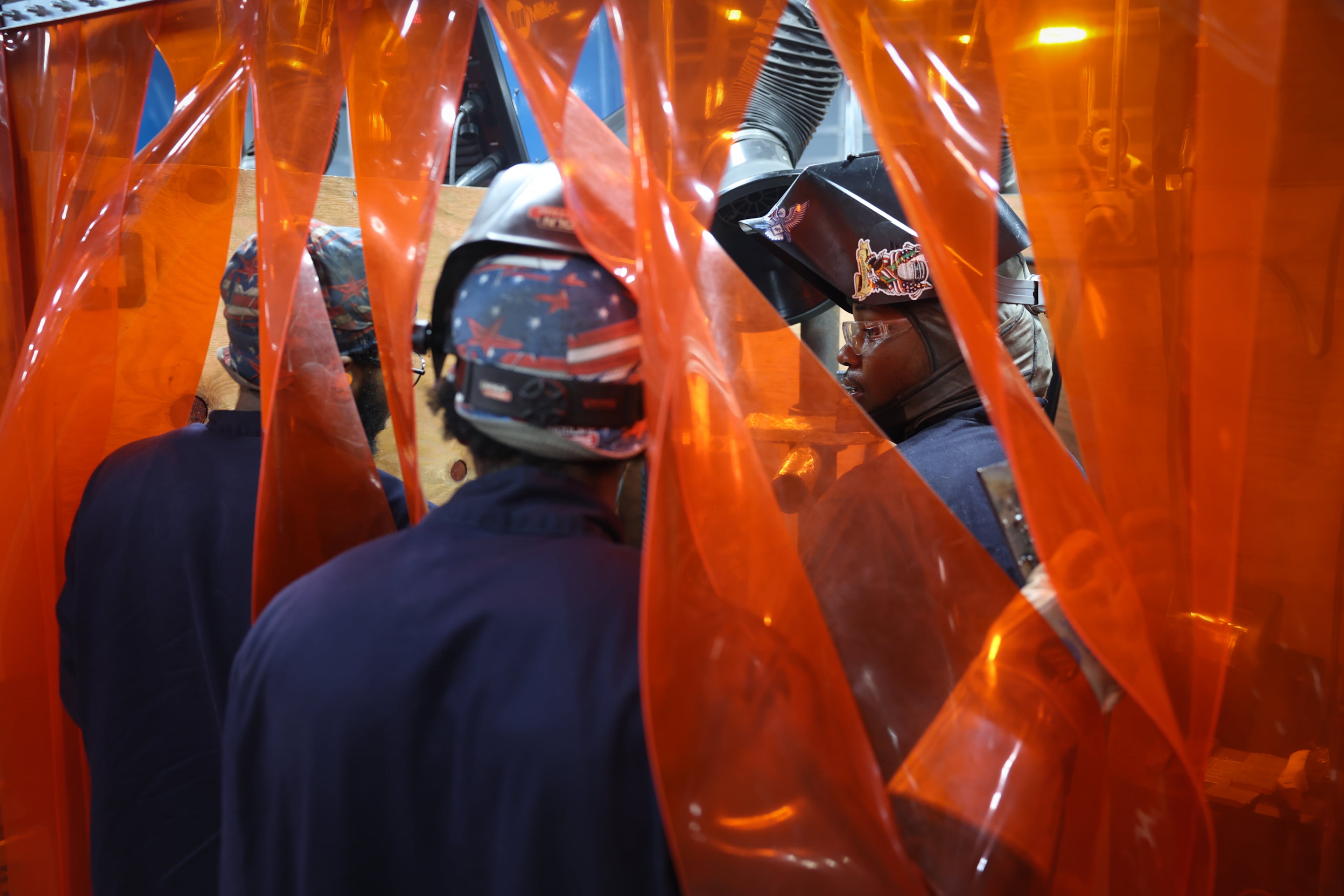
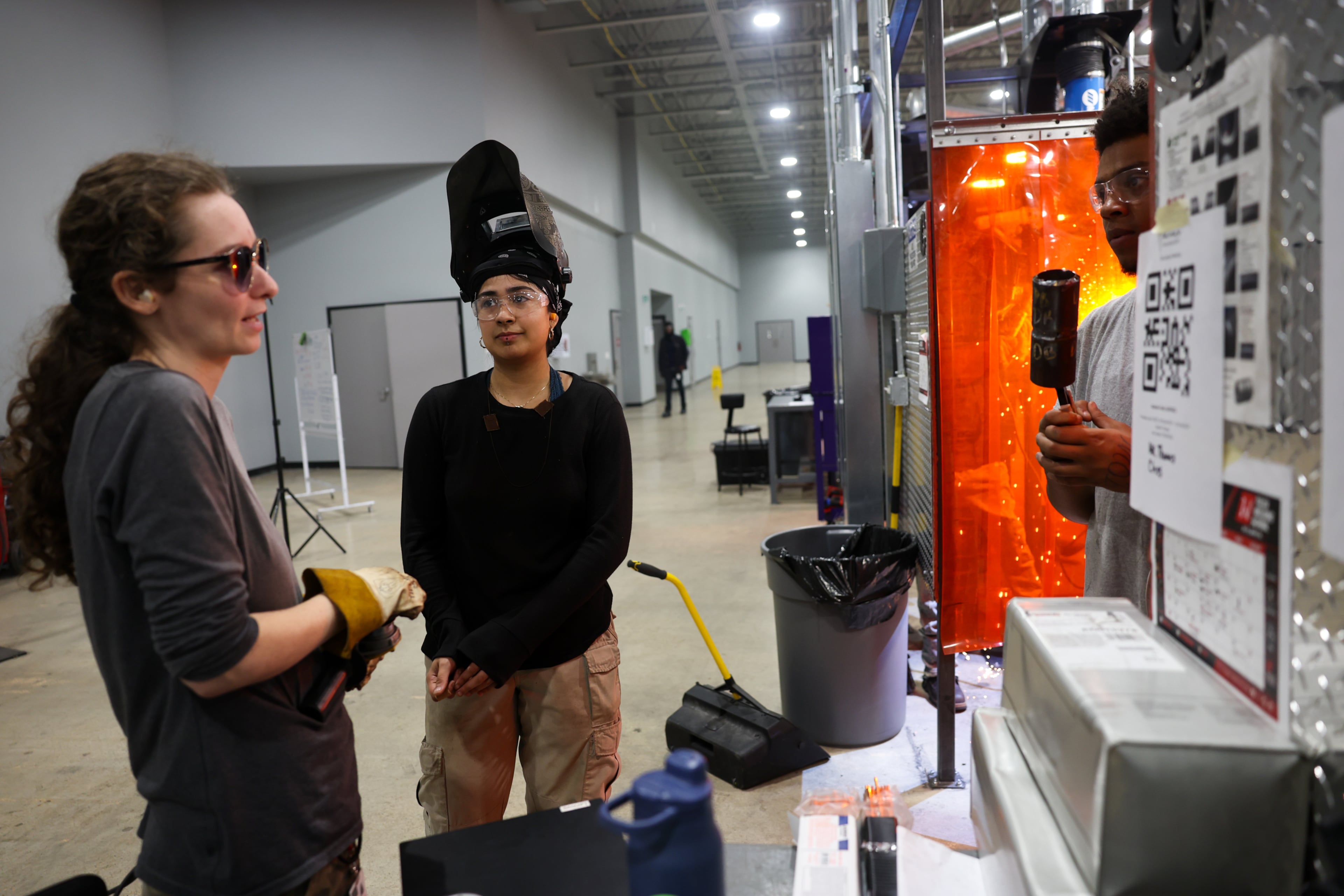
A. So they‘ll receive hands-on training in state-of-the-art labs that basically mimic the real-world environment. So all of our equipment will mirror exactly what they can expect to see when they get out there and start working in the workforce.
As of today, for the Atlanta campus, we currently offer welding specialists, electrical technologies as well as refrigeration technologies. And all of our programs are short term; they’re seven-month programs delivered in a hybrid format where students are physically on campus for a certain amount of hours for labs and they also have an online component.
We have one classroom, a space dedicated for life orientation and safety meetings, but when they are physically here, they are literally hands on in the labs practicing what they will expect to do when they get out into the workforce.
My No. 1 favorite motto and line is: The more you burn, the more you learn. They are welding five hours a day, they’re working on HVAC units five hours a day. So there isn’t a lot of lecture that happens when they’re here on campus.
Q. How do you decompress when you’re not working?
A. To decompress and relax, I love to do a lot of Pilates and yoga. I also have a 14-year-old who keeps me very busy because she wants to be involved in everything.
My decompression comes from a lot of self-care … fitness, working out, running. I do a lot of journaling, too.
Q. What advice would you give women considering a switch into a historically male-dominated industry?
A. I would encourage them to know that as long as they have the confidence in being able to do the skills that these employers need, there has been a big shift in employers where they’re no longer just looking for males, right? Like these were male-dominated industries.
They’re looking for individuals who can get the job done. So if you have the confidence to be able to do the skills which we will provide to you through our programs by making sure you get all of the hands-on training, you’ll be able to be employed and be able to have lucrative opportunities once you graduate.
And don’t be afraid, and don’t be intimidated by the fact that for a very long time, women weren’t in these trades. If they can do it, we can do it, too.
Q. Did you picture yourself in this kind of role 10 years ago?
A. Yeah, I did. Once I got into this industry, I knew that this was my niche. (And) I always wanted to get into operations because a lot of times, even with our students, if they see people who look like them, they’ll feel more confident in knowing like, if they can do that, I can do it too. So being a woman in operations, in leadership, it’s like “man, she’s running a welding school.” I get it all the time.
Q. What are your hopes for the future of your industry?
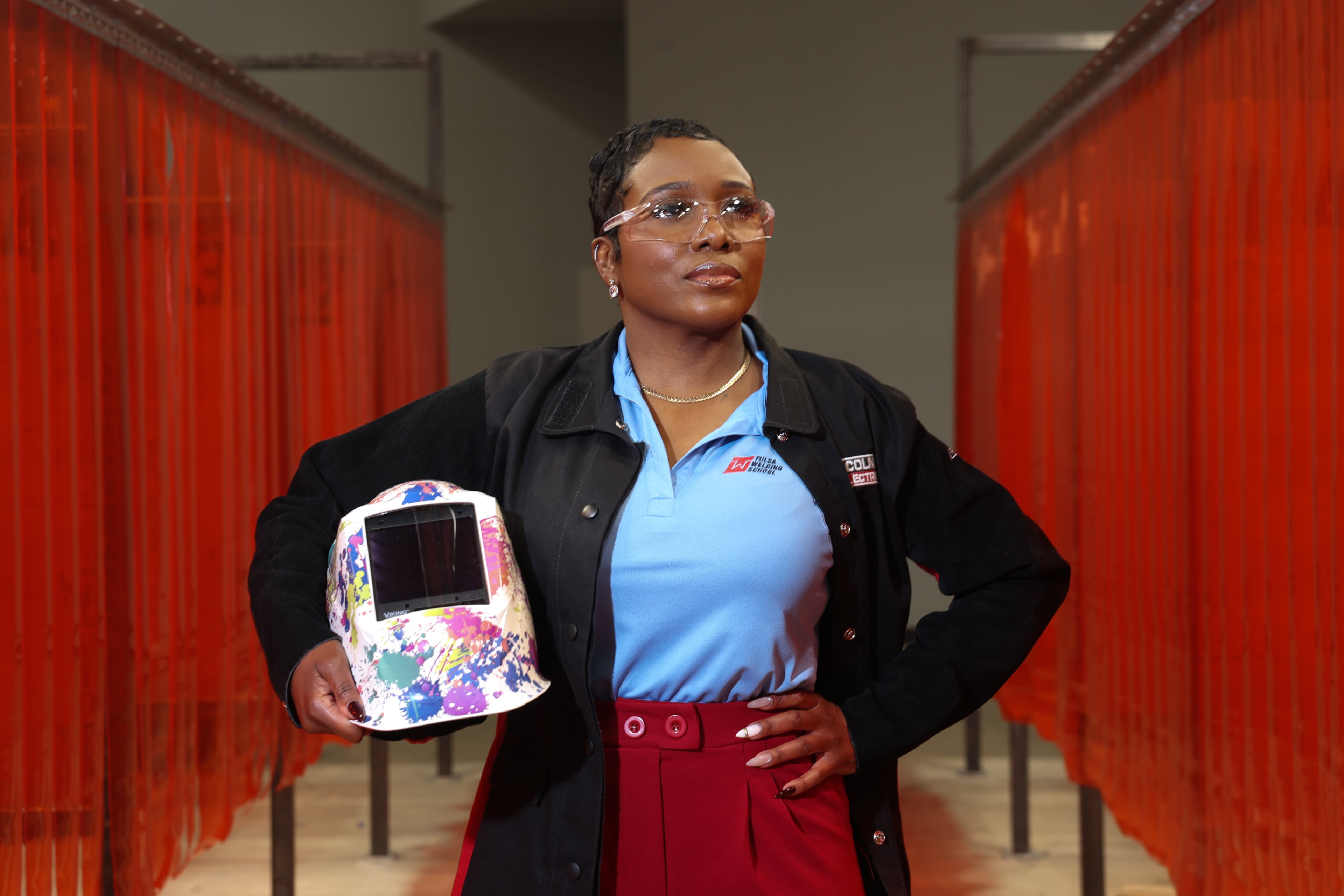
A. My hope is that there will be inclusiveness, equality, especially when it comes to women. As of today on our campus, only about 15% are women in trades. So I would love to see that level out. I will also love to see more exposure to our industries because it’s not just for women. ...
I would love to see people’s perceptions change about our trades and understanding that this can be a first choice option. It doesn’t have to be a backup plan, and it has been a backup plan for a very long time — not just for women but for everyone.
AJC Her+Story is a series in The Atlanta Journal-Constitution highlighting women founders, creators, executives and professionals. It is about building a community. Know someone the AJC should feature in AJC Her+Story? Email us at herstory@ajc.com with your suggestions. Check out more of our AJC Her+Story coverage at ajc.com/herstory.