The restaurant app that helps people with food allergies dine safely
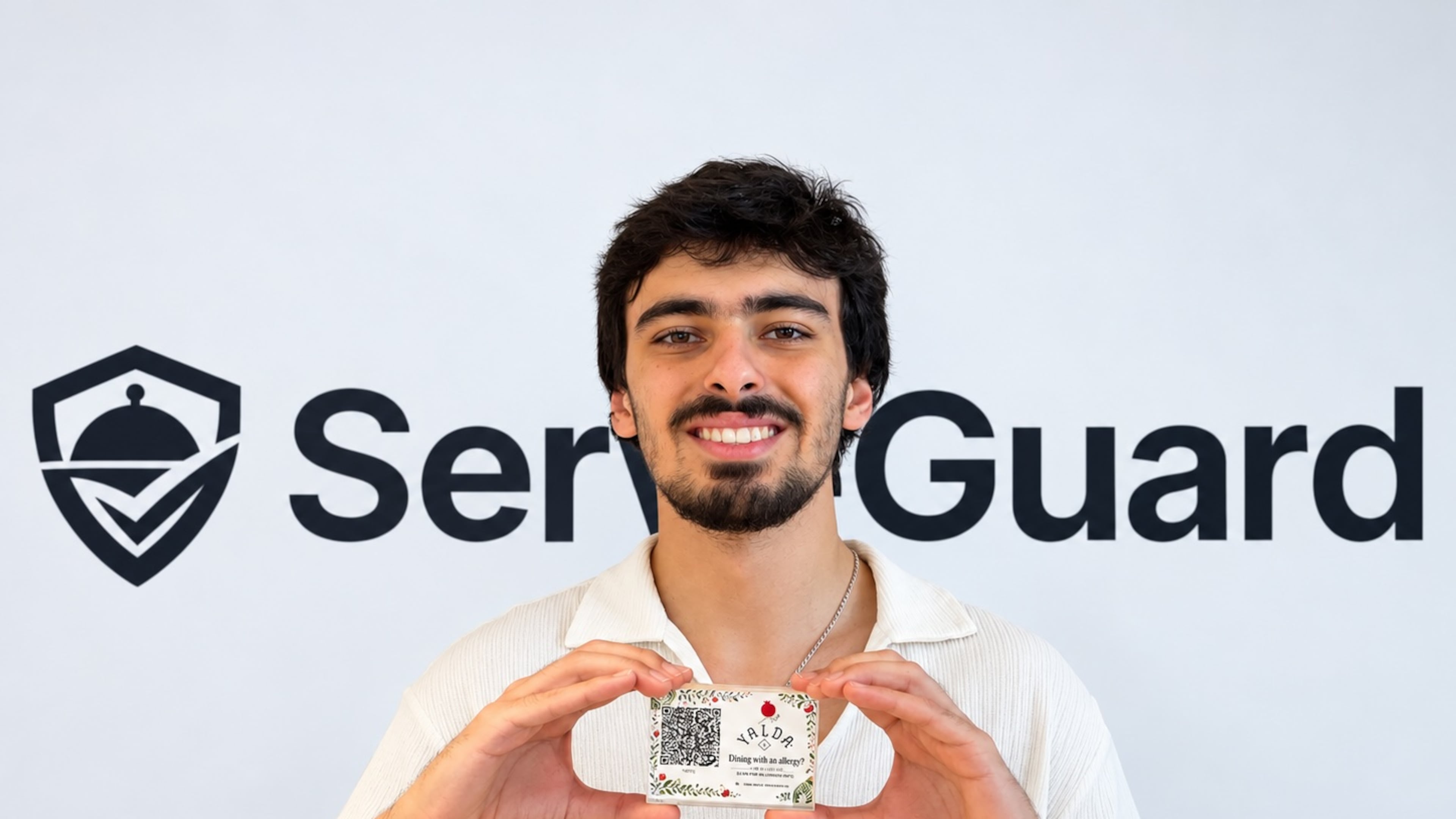
Amirali Naderian lost his job over a mistake. Now he’s trying to make sure other restaurant servers don’t make the same one.
“I got fired from my job for an allergy incident,” Naderian recalled. “That instantly kickstarted something in me.”
The third-year Georgia Tech student who moved to Atlanta from Iran in 2016 was working as a server at Del Bar in Alpharetta. He watched how easily allergy instructions could slip through the cracks.
“I thought, ‘OK, you know what? I’ve got to do something about this, because I can’t be the only one to see how an outdated system could be detrimental to a guest’s health,” he said.
Why dining out is risky for people with food allergies
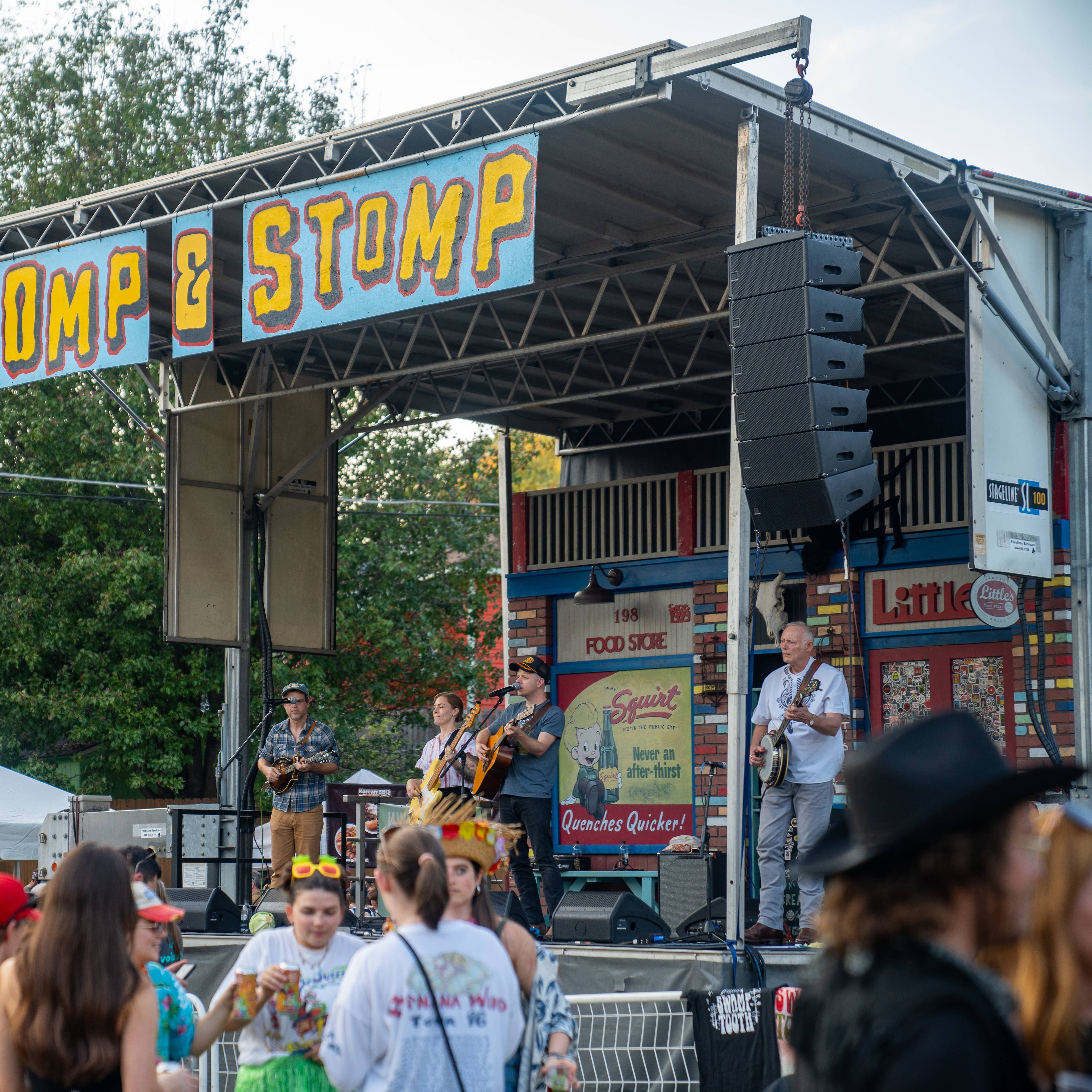
For millions of Americans, dining out with food allergies isn’t just stressful, it’s a calculated risk. According to Food Allergy Research and Education, food allergies affect an estimated 33 million people in the United States. Every year, an estimated 3.4 million people go to the emergency room for a food allergy-related concern. That’s roughly one ER visit every 10 seconds. In restaurants, where cross-contamination is a constant threat and ingredients like gluten, dairy, eggs, soy, seafood and nuts often hide in broths and marinades, a single error can trigger severe health risks or lead to a business-ending lawsuit.
Naderian doesn’t have food allergies himself, but as he spoke with diners and restaurant managers across Georgia, he realized how many families had simply stopped eating out altogether. “To me, as a Persian, that scares me,” he said. “Dining out with your family is the one way to spend time with your loved ones.”
Determined to eliminate the gamble, Naderian, who taught himself to code through artificial intelligence alongside his computer science and finance studies, created ServeGuard. It’s an app that Naderian sells to restaurants to help keep their customers safe.
How does ServeGuard work?
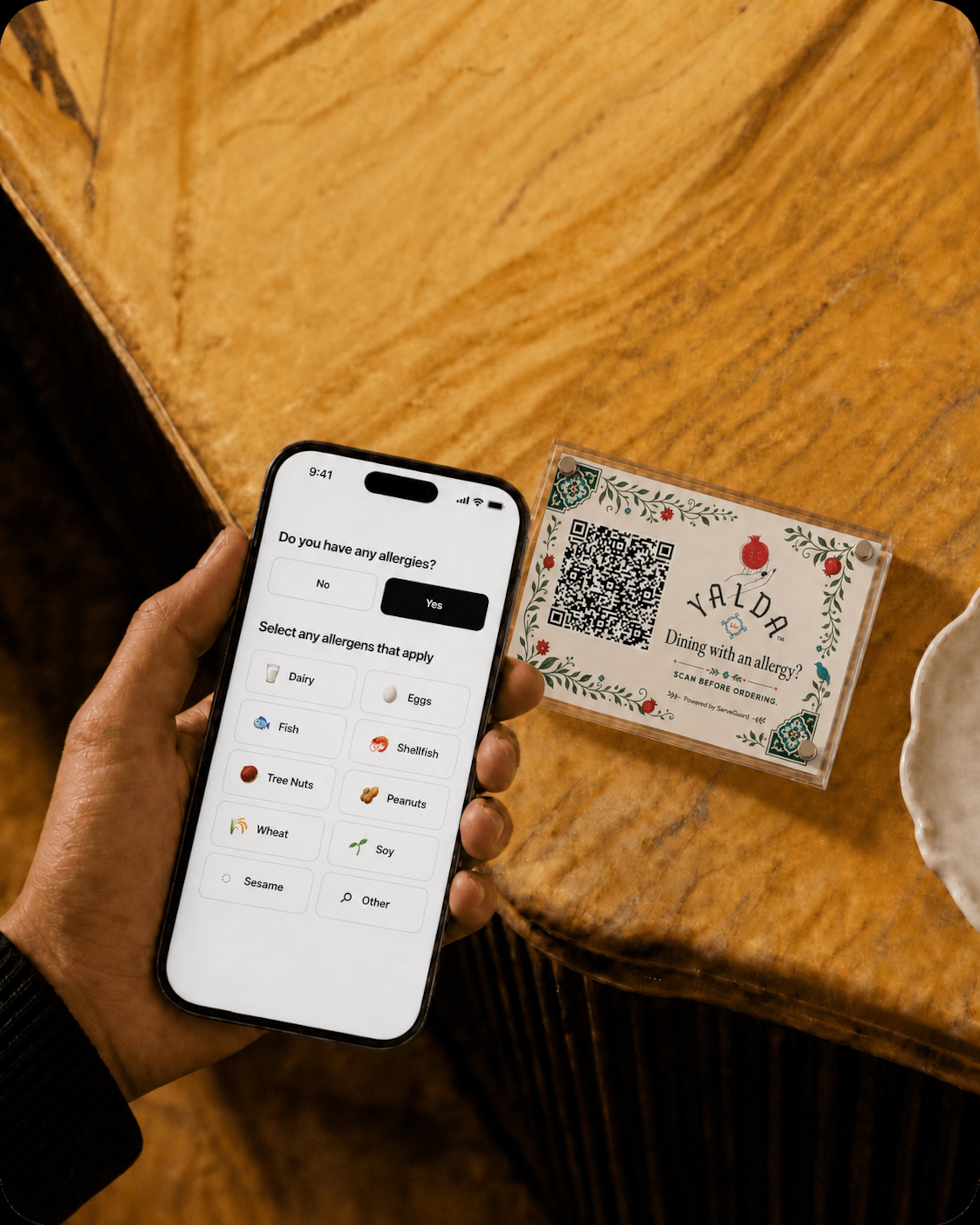
ServeGuard takes less time than reading the menu, Naderian said. In a restaurant using the app, each table or menu carries a small QR code. Guests don’t need to download anything. The code works with a regular iPhone camera app or Android camera app. Scanning it opens a single question. “What pops up is, ‘Do you have any allergies?’. You click yes or no,” Naderian said. “You click yes, you mention your allergies, you submit and that’s it.” Guests list their allergies, not the foods they avoid, and the app does the translating.
Once they submit, the guest sees a version of the menu filtered to their needs. “It filters out all of the items you can’t have and shows you all the items you can have with your allergies, plus modifications as well,” he said. “If there is something you can have that just needs to be modified, it will tell you.” The goal is to spare diners from relying only on the server’s memory. “They’re not constantly second-guessing, or they’re not relying 100% on the information that the server gives them,” Naderian said. “All of the information about the menu and everything is just going to be right in front of them on their phone.”
Meanwhile, the same entry goes to the restaurant staff. “It’s kind of just like that guard shield for the restaurant to be able to double-check the server’s knowledge,” he says. “Chef, manager, anybody can catch a mistake before it hits the table.” Diners pay nothing. “I don’t charge the guests,” he said. “I charge the restaurant.”
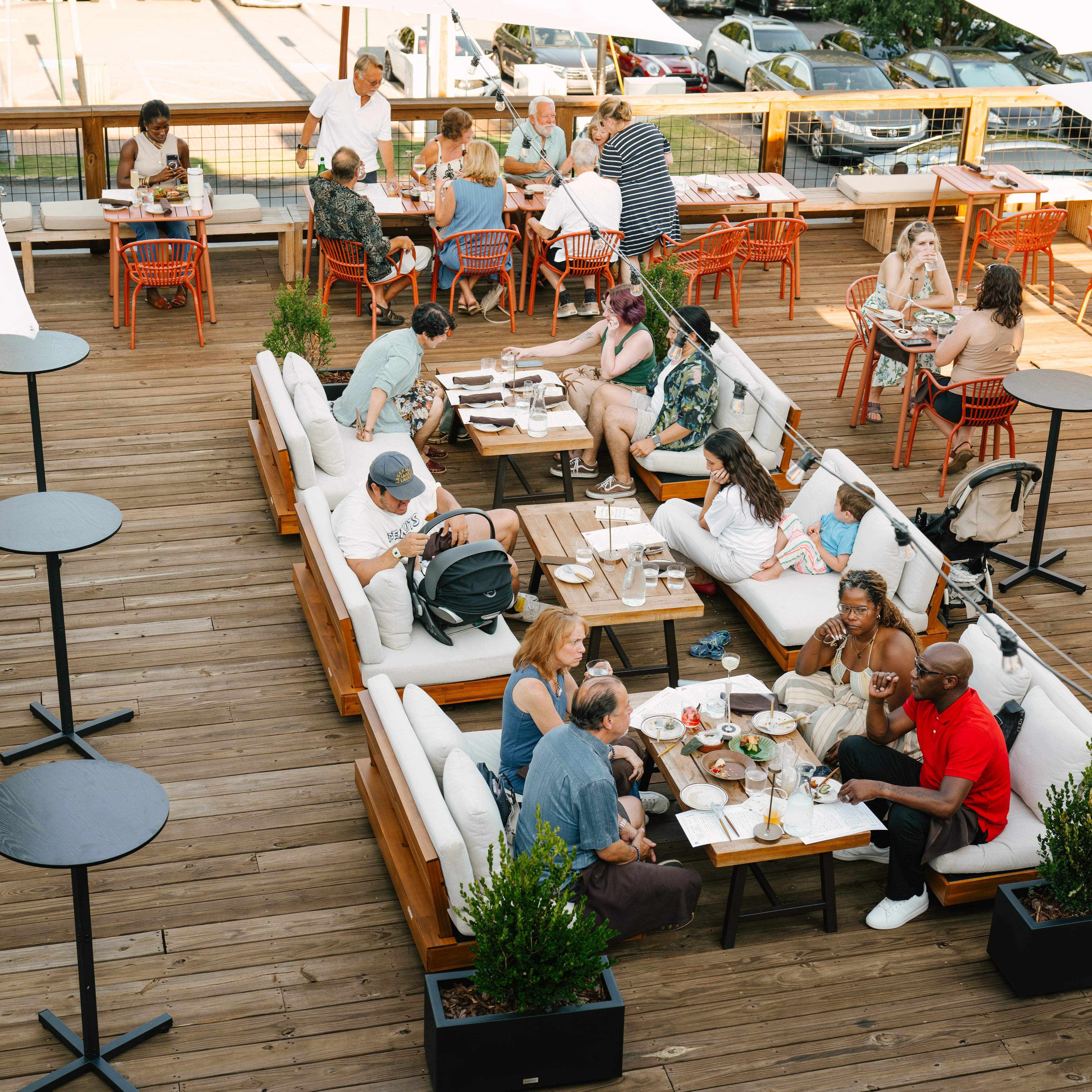
ServeGuard bridges the communication gap between the dining room and the kitchen. Beyond alerting the kitchen, it puts control back in the diner’s hands. To keep data accurate, Naderian works directly with restaurants to audit and update their ingredient lists monthly, catching hidden allergens — like those in marinades or fryer oils — that physical menus often omit.
During a recent pilot run at Yalda in Sandy Springs, the response from diners was immediate. Within the first week, guests with allergies left glowing online reviews praising the added peace of mind. To streamline the experience and keep tables clutter-free, Naderian adapted the platform so QR codes could print directly onto physical menus rather than sitting on table stands.
“No other app does this for restaurants,” Naderian said.
Looking ahead, Naderian is working to integrate ServeGuard directly into major restaurant point-of-sale systems like Tabit, which would open the technology to hundreds of restaurants across Georgia.
For Naderian, the goal isn’t just software, it’s giving people back the joy of a shared meal. “I’m not looking for money for this,” Naderian says. “I’m just looking to make dining out a better experience for everyone.”
Request that your favorite restaurants use the app at serveguardapp.com.