How the World Cup could shape Atlanta’s restaurant scene for years to come
Despite Team USA’s embarrassing exit from the 2026 FIFA World Cup, the world’s most-watched sporting event has been perceived as a success in North America so far.
Barely a month ago, there was plenty of fretting that FIFA had grossly overestimated the crowds that would descend on the tournament’s host cities and stadiums. Hotel bookings and short-term rental demand did not seem to indicate a major influx of visitors was on the way.
From the outside looking in, it wasn’t clear if Atlanta’s restaurant scene saw much opportunity in this global event. When the first local games were just days away, quite a few restaurants around Mercedes-Benz Stadium (temporarily renamed Atlanta Stadium for the duration of the World Cup) had not yet opened. Some that were open added service fees to every bill, in anticipation of large crowds unfamiliar with tipping culture.

Atlanta’s World Cup reality versus expectations
Many of those concerns have been swept away by the excitement of the games. Atlanta, in particular, has enjoyed a warm spotlight on the international stage. Much of the city’s positive perception among visitors can be tied to Mercedes-Benz Stadium, which has awed soccer fans with its scale, futuristic design and fan-friendly pricing.
The FIFA Fan Festival has been an unqualified success, as have community-driven gatherings to watch games, like Decatur’s WatchFest. June was a huge month for restaurant openings, with hotly anticipated places like Broad Street BBQ, El Tesoro, Glide Pizza, Brewhouse, the Irish Exit and the planetariumlike entertainment venue Cosm all beginning service near the World Cup’s kickoff.
“When you have a deadline … it makes things you never thought were possible, possible,” Jason Furst, co-owner of Broad Street BBQ, told The Atlanta Journal-Constitution. “More than anything, the World Cup has been great for us as a catalyst to get things done.”
It hasn’t all been rosy news for Atlanta’s restaurants and other small businesses. The Welcome to ATL experience, a city-sponsored small-business fair with multiple locations downtown, lost one of its main sponsors and dozens of vendors after foot traffic failed to meet the estimates provided by FIFA. One vendor, chef Jarvis Williams, told The Atlanta Journal-Constitution the event was “a financial nightmare.”
Long-term investments paying off early
As much fun as the World Cup has been, it’s worth remembering that it’s a merciless competition: It’s already created winners and losers, both on the field of play and in the Atlanta restaurant scene.
The dividing line between the restaurants enjoying success and those unable to capitalize seems to have a lot to do with perspective. Those that have taken a short-term view, like the businesses that committed to the troubled Welcome to ATL experience or changed their tipping policies and faced backlash, have struggled. The restaurants taking the long view welcomed the World Cup as a way to kick-start their business, but never planned to rely on it.
Furst said he’s looking forward to the end of the World Cup so Broad Street BBQ can settle into a more regular, predictable rhythm.
“The World Cup had more of an impact on timing and less of an impact on the decision-making,” Furst said. “We signed a long lease, and I believe in downtown, I believe in south Downtown and I believe in Atlanta.”
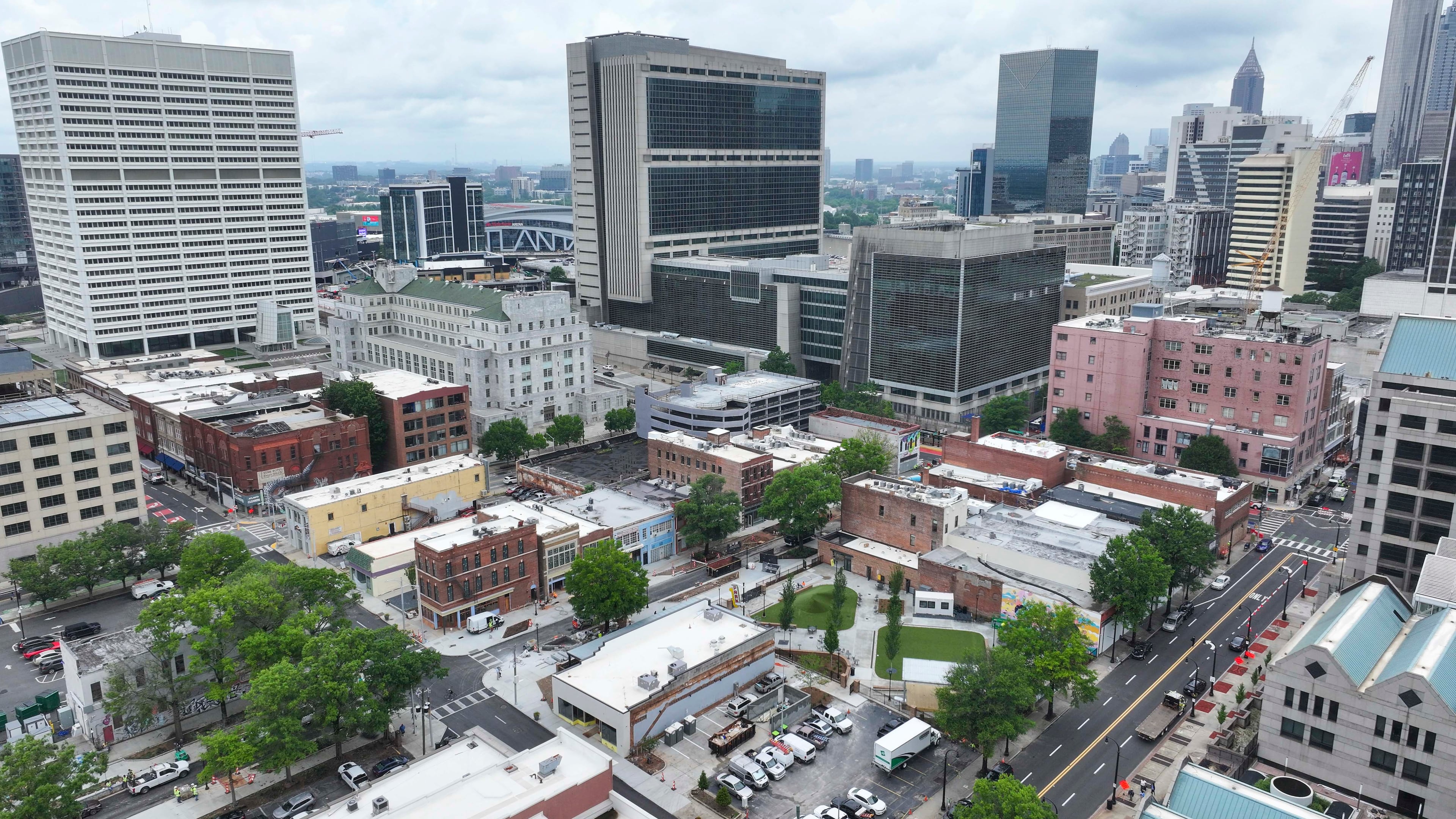
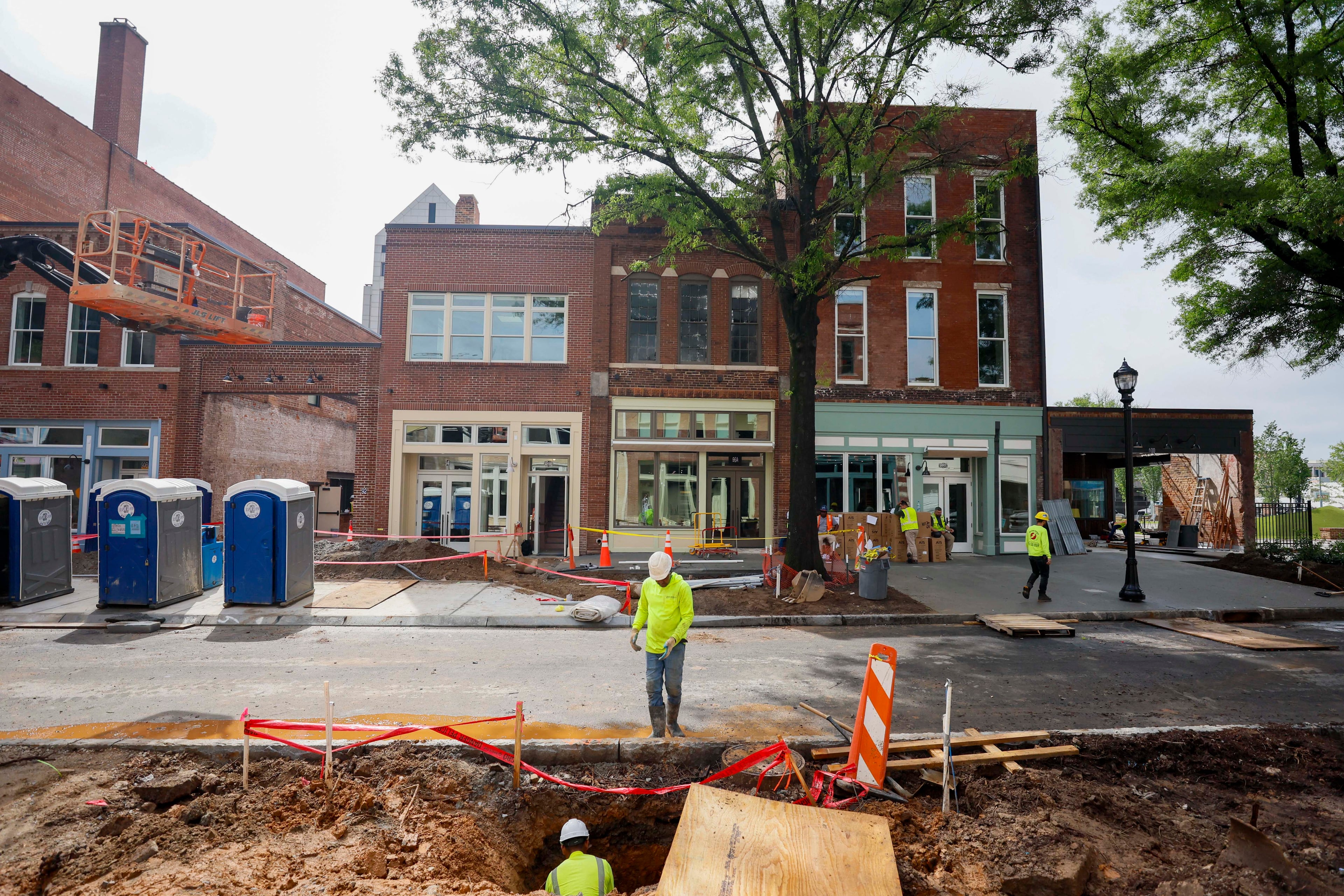
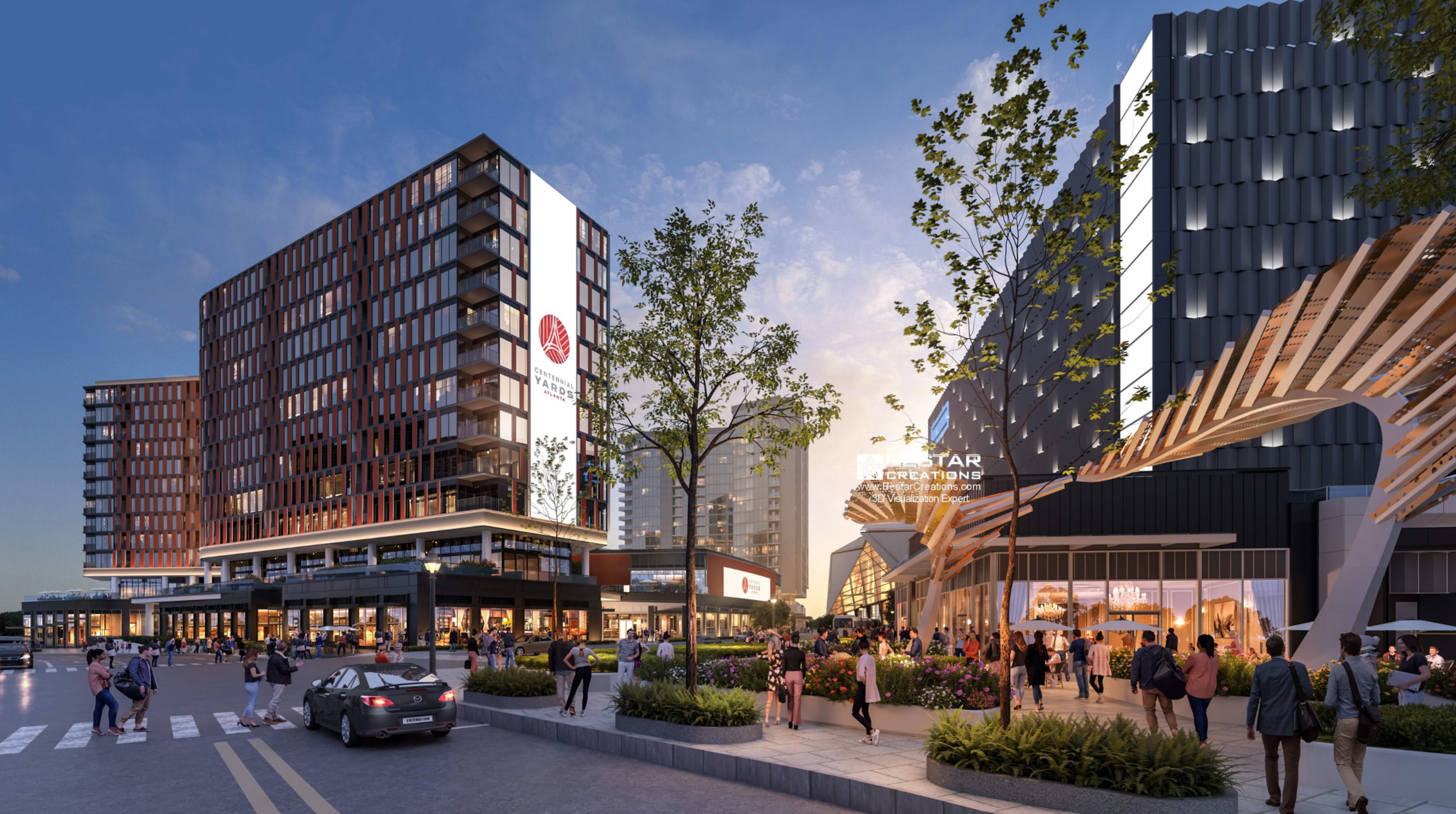
In South Downtown and Centennial Yards, downtown Atlanta has seen massive investment in real infrastructure. Well ahead of the World Cup, new hotel towers like Hotel Phoenix Atlanta and the enormous Signia by Hilton Atlanta brought more capacity to downtown.
In an interview with the AJC ahead of the World Cup, Signia’s executive chef, Joe Graffeo, pointed out many of the hotel’s permanent features ahead of the World Cup, including four separate restaurants and the state’s largest hotel ballroom.
The regular cadence of massive events in downtown Atlanta, from College Football Playoff games to Beyoncé concerts, prepared Graffeo and his staff well for the weeks of World Cup events, the chef said. But he expects their restaurants to capture the attention of the local dining public, not just tourists and conference attendees — especially the flagship Italian fine-dining destination Capolinea.
The World Cup could change the perception of downtown Atlanta
A couple of weeks ago, I went to Cosm for the World Cup match between the U.S. and Bosnia-Herzegovina. I was struck not just by the amount of new development downtown, but also the mixture of new restaurants, shops and attractions.
South Downtown has finally brought progress to a long-derelict area with local ownership and the recruitment of local restaurateurs. Cosm itself is a unique and spectacular attraction, providing an experience that can’t be easily replicated. The Center (aka the CTR, in the former CNN Center) has only just become operational.
While hanging out in Centennial Yards during the World Cup, with thousands at the nearby Fan Fest in Centennial Olympic Park, downtown Atlanta felt genuinely alive and vibrant. Aside from the festival, every other attraction, bar and bustling restaurant was a permanent fixture.
The popular reception of so many new downtown businesses, the rapturous social media posts from visitors and a huge audience of young, diverse, local festival attendees can only help with the area’s biggest hurdle: its perception.
Earlier this year, chef Ben Vaughn of long-running downtown restaurant White Oak Kitchen & Cocktails spoke to the AJC about his return to the city. He helped open White Oak in 2012 before leaving to pursue a career in TV; he returned to the kitchen in late 2025.
“We haven’t developed any serum or potion for what’s going to change the mind when someone goes out to dinner in Atlanta, whether that be to come downtown or to go to the Buckhead or the Westside,” Vaughn said, noting downtown has had a dining stigma since his first stint at White Oak. “I don’t even know where the dang line is. I wish I knew — I’d wipe it off the pavement.”
Perhaps the addition of so many new businesses, investment in infrastructure and a new generation of Atlantans forming positive World Cup memories downtown will turn the tide of perception.
“At the very least, it’s been a scene — an absolute scene,” Furst said of the World Cup festivities. “It gives me a lot of hope and pride for our city, and hope for the future of this area, that people want to be down here. … There’s so much more life here than there was when I first started coming down here.”
Only one country can win the World Cup, and not every business can benefit from it. But it could become an important point on the timeline of downtown Atlanta, when the World Cup was part of a confluence of events and developments that catalyzed its transformation. Even with the USA out of the competition, an energized downtown Atlanta gives us all something to root for.
Freelance writer Sheeka Sanahori contributed to this article.