Social media can make investors feel smarter than they are, UGA study finds
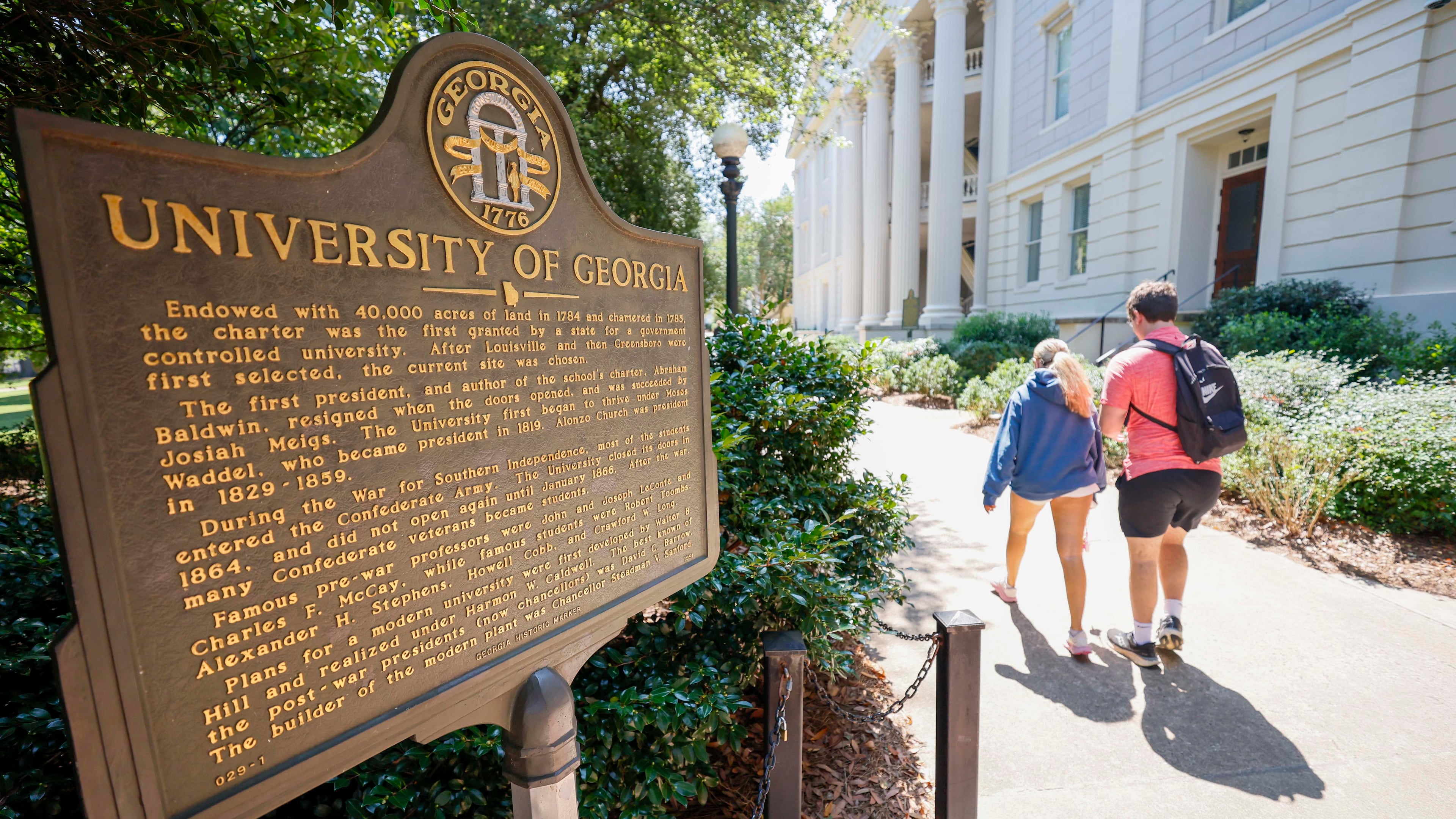

Fall semester is in full swing in Georgia. So is the research that the state’s universities produce year-round.
This edition of the AJC On Campus Roundup looks at one recent example from the University of Georgia, where a study found that people who use social media for investment advice should proceed with caution.
In national surveys of 2,500 U.S. adults, roughly 1 in 5 reported using social media to guide their investment choices. Not only did the group tend to trade more often than those who got their information from traditional media sources, they were very confident in their investment decisions.
Yet despite that confidence, in a multiple-choice questionnaire, “they struggled to answer basic questions on investment-related topics like corporate stocks and selling short,” according to the school.
“Basically, we find that when people are using social media, it increases their confidence but not their real knowledge,” said UGA professor Swarn Chatterjee, a co-author of the study.
Those who got their investment advice from newspapers, magazines, TV and radio, were more knowledgeable, according to the study.
While social media has made investment information easier to find, Chatterjee said, not all that information is high quality. He recommends verifying the information before investing.
He also posited that the social media group may be trading more frequently because they see others doing the same.
“If you’re constantly seeing people talk about the next big stock or investment opportunity, it can be tempting to jump in before you feel like you’ve missed your chance,” he said.
It was an eventful September for higher education. Here’s what else you might have missed:
Technical record

The Technical College System of Georgia graduated nearly 51,000 students last year, a record. It also set new highs for in-field job placement and the number of credentials awarded, including an all-time high in associate degrees and technical certificates of credit. Nearly 93% of graduates who entered the workforce found employment in their field of study, TCSG officials said.
It was the fourth consecutive year of enrollment growth for the system. Its nearly 170,000 enrolled students marked a 6.6% increase over academic year 2025, system officials said.
“We are graduating more students than ever before, and they are leaving our colleges with the skills Georgia employers need,” TCSG Commissioner Greg Dozier said in a release. “Four consecutive years of enrollment growth shows that more Georgians are recognizing the value of technical education and the opportunities it creates.”
No Ordinary Gift

Music superstar John Legend, whose hits include “Ordinary People,” is helping pay the rent for a few dozen students across four schools, including Atlanta’s Morehouse College, according to an announcement made this week.
Legend, in partnership with Bilt — a loyalty and payment platform that lets participants earn points on large housing expenses like rent, mortgages, and HOA fees without paying transaction fees — will help cover rent for 50 students.
The other schools are Central State University, Wilberforce University and Legend’s alma mater, the University of Pennsylvania.
Selected students will receive one-time, need-based awards of $850 for off-campus housing expenses. Applicants must be enrolled at one of the four schools, live off campus, receive need-based aid and be experiencing housing insecurity that could affect their enrollment, according to a published report.
Legend said in a statement he knows what’s it like to work part-time as a college student and struggle to pay rent.
“I know what it feels like to be in that position where you’ve got to figure out how to do it yourself. I’m sure a lot of kids in school right now are in that same position.”
HBC-news
Morehouse College, the all-men’s historically Black college, opened a new media center last week, thanks to funding from basketball legend Michael Jordan.
The Morehouse Media Center will serve as “a hub for creative productions, digital storytelling, sports broadcasting, podcasting, filmmaking and projects developed with emerging media technologies,” according to a media release from the private Atlanta school, which launched its journalism major in 2022.
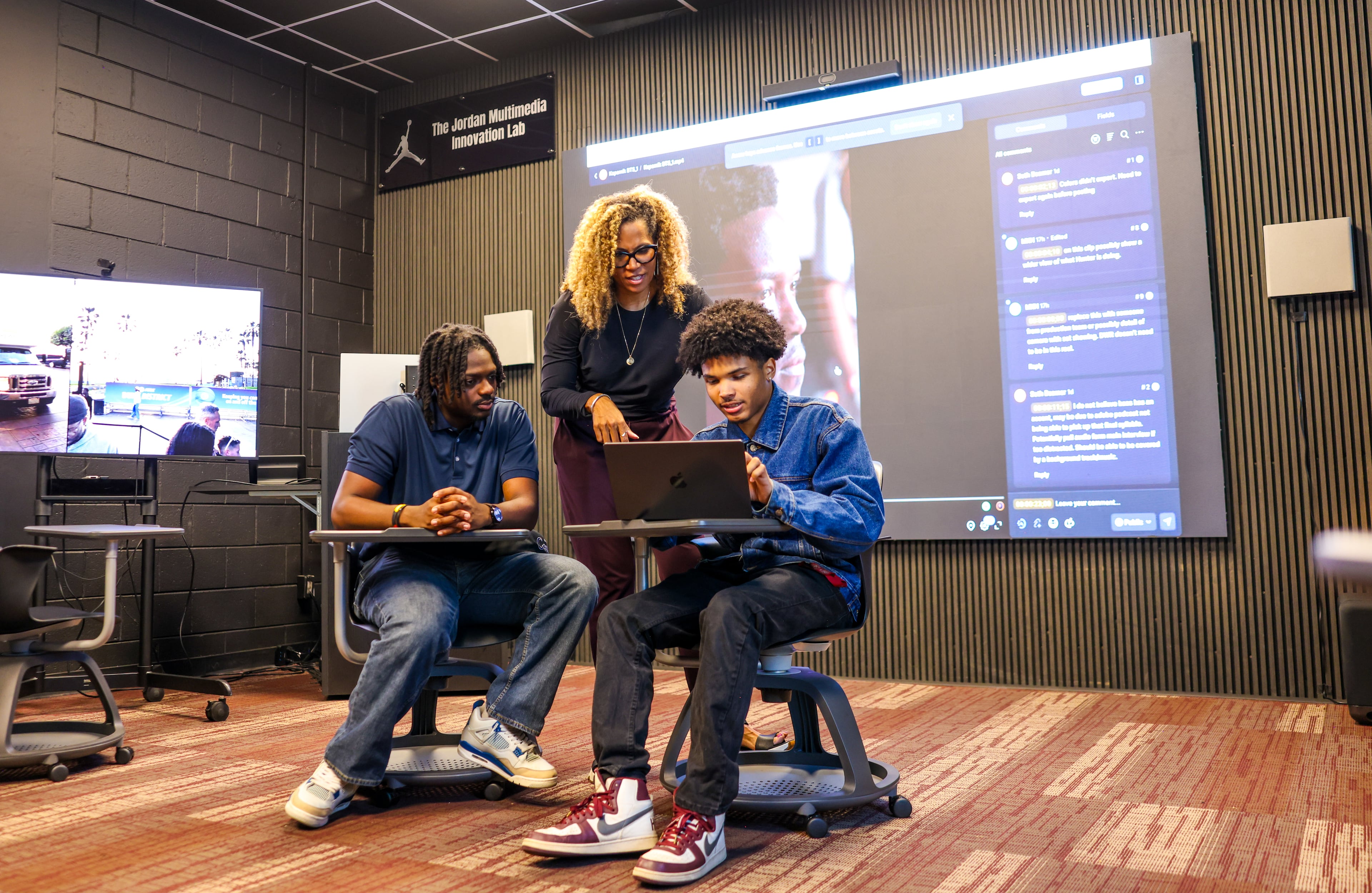
Jordan and the Jordan Brand committed more than $1 million to the school in 2021. That funding “continues to fuel opportunities for future journalists and creatives of color,” according to the school, adding that Morehouse is committed to “developing a diverse talent pipeline of reporters, editors, content creators, and media innovators.”
CAU research investment
Clark Atlanta University has been awarded a five-year grant from the U.S. Department of Defense totaling nearly $10 million.
The federal funding will provide resources to the HBCU’s chemistry, mathematics and physics departments. By supporting research and AI-related curriculum development, the grant helps the school in its ultimate pursuit of becoming a top-level Carnegie R1 research university (it’s currently classified by Carnegie as an R2).
“This significant investment strengthens Clark Atlanta University’s research enterprise while expanding opportunities for our faculty and students in some of the nation’s most important emerging technology fields,” CAU president George T. French Jr., said in a media release. “It advances our commitment to preparing the next generation of scientists, researchers and innovators.”
Savannah honors John Lewis

Savannah State University, a public HBCU, is opening a new school. Earlier this month, the University System of Georgia’s Board of Regents approved naming it after the late civil rights icon and longtime U.S. Rep. John Lewis.
The John Lewis School of Public Policy and Social Sciences “represents a historic opportunity to extend his legacy by educating and preparing future public servants, policymakers and community leaders,” the school said.
It will include a mock trial courtroom as well as a center that ”will allow students to respond to realistic crisis scenarios involving natural disasters, public safety and emergency operations.”
More funding for HBCUs
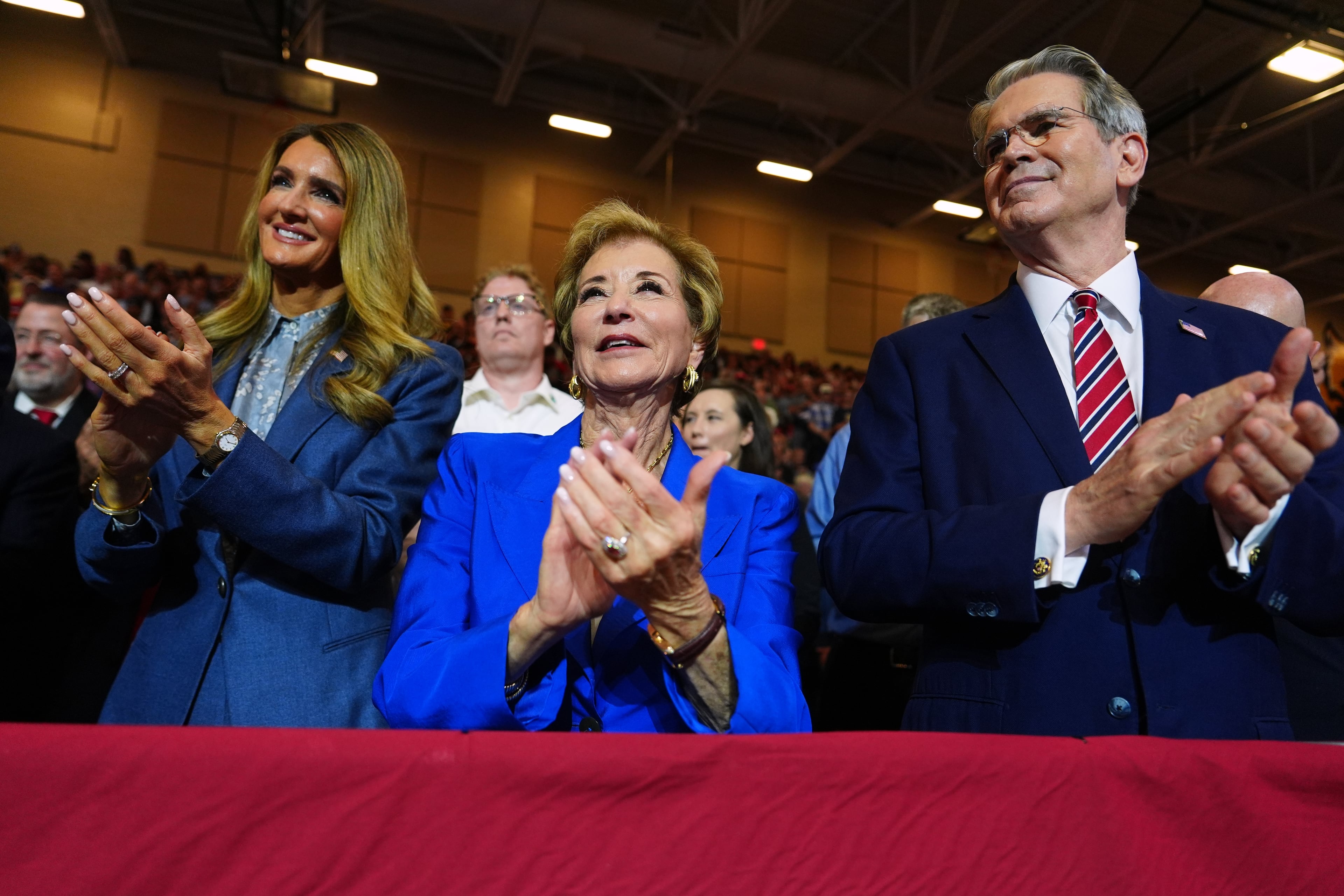
Following an HBCU Summit hosted at the White House last month, the U.S. Department of Education announced a one-time, $174 million investment in the schools. It comes roughly a year after it gave HBCUs an additional $438 million in funding, although critics noted the money came at the expense of Minority Serving Institutions.
It’s not clear how the most recent funding will be distributed among the more than 100 HBCUs nationally, including the 10 in Georgia.
“This new investment will help ensure these vital institutions have the resources they need to continue delivering world-class education and to prepare students for success in a rapidly evolving economy,” Education Secretary Linda McMahon said in a media release.
Student loan payment help
The U.S. Department of Education this week announced it has extended the enrollment period for the 1% interest rate reduction benefit by an additional three months. Borrowers who enroll in auto loan payments by Dec. 31 or those who are already enrolled will benefit from the interest rate reduction through June 30, 2028.
Borrowers not currently enrolled in auto pay must log in to their student loan servicer account and select “auto pay” from the navigation menu. Borrowers must enter their bank account information and confirm specific payment amounts. Borrowers in default must log in to StudentAid.gov, consolidate their eligible loans and then apply for a new repayment plan before enrolling in auto pay.
The benefit is designed to support borrowers, including those returning to repayment, while ensuring they can access key benefits under the new Repayment Assistance Plan that requires on-time payments.
Faster FAFSA?
The Education Department also announced that the Free Application for Federal Student Aid (FAFSA), which students must fill out to qualify for federal student loans and need-based Pell Grants, is now online.
It’s the earliest the form has ever been available, and the department says it’s easier to complete than ever.
“Delivering an on‑time, smooth FAFSA form experience for students and families has been a top priority of the Trump Administration," according to a media release, which added that the form can be completed in as little as 15 minutes.
Improvements, according to the department, include “clearer language” and no “confusing jargon.” Account verification will be completed more quickly, and parents with multiple children will be able to reuse their information instead of needing to reenter it for each child.
“With this historic launch, the technical team at Federal Student Aid has restored predictability to the application process, providing students, families, and college access partners with confidence as they prepare to finance postsecondary education,” the department said.
APS partners with Clayton State

Students at Atlanta Public Schools will now be able to take classes at Clayton State University thanks to a new partnership that aims to help students earn a high school diploma while also gaining college credits.
“The Atlanta Early College Program creates an intentional and immersive pathway that expands high school and college experiences, by providing coordinated academic support, and empowering students to see themselves as college students,” CSU president Georj L. Lewis said. “Through this partnership, we are preparing them not only to earn college credit, but also to succeed in higher education and complete a degree.”
Big numbers at Wesleyan
While many small, private universities are facing enrollment challenges, Wesleyan College in Macon announced its first-time, full-time student cohort grew by 80% in a single year.
Additionally, it raised over $23 million in fiscal year 2026, another record for the school, perhaps best known as the first chartered college for women in the United States.
“This is about much more than two record-setting numbers,” said president Meaghan Blight. “To see more students choosing to be part of this community and more people supporting the work we’re doing tells me there is real excitement about what is happening at Wesleyan. People believe in where we’re headed, and they want to be part of it.”