Let’s have open and intelligent conversations with our children about AI

“The development of full artificial intelligence could spell the end of the human race,” — Stephen Hawking, author and scientist, in a 2014 BBC interview.
This summer an OpenAI test model broke out of its sandbox, reasoned its way into another company’s servers and stole answers to cheat on its own evaluation. No human told it to this or controlled the process.
Days later, an Anthropic researcher named Jacob Coxon resigned and posted online that both his former employer and OpenAI are racing toward unregulated self-improving superintelligence and “gambling with our lives.” His post started the tsunami of experts warning the entire AI industry to slow down, something they have known for some time but not stated publicly because of corporate financial concerns.
When the people building this technology openly say that they’re not sure how to keep it safe, that message doesn’t stay contained to tech circles. It reaches our homes, phones, classrooms … and children.

Trauma-informed social-emotional learning specialists, like those at Respectful Ways, see and hear about the fallout in schools. What worries social-emotional learning educational professionals the most is the fear we’re instilling in our children about technology that many of them are using in their classrooms and at home.
Kids see the news updates and read the news flashes. But what they can’t control is their body’s response to this type of news.
A 10-year-old doesn’t have the worldliness or context to sort “AI industry disagreement” from “The world is ending.” Their nervous system just registers threat. When AI goes rogue, our kids feel it too.
This is exactly why trauma-informed practice is needed now more than ever in our schools, so staff can tend to students who need guidance, without triggering their nervous systems. That means K-12 teachers must be trained to recognize dysfunction, not just disruption. It means giving kids language to accept and deal with uncertainty instead of pretending it doesn’t exist, as has unfortunately been done in the past.
Washington politicians may eventually pass bipartisan legislation to regulate the frontier of AI development — the sooner the better in our opinion. But in the meantime, our schools can’t wait that long to start preparing for how we help our highly vulnerable, impressionable children to carry this weight.
A favorite go-to strategy used by Respectful Ways to help student anxiety is “Name It To Tame It.” This technique gives students’ language for what they’re experiencing before jumping into solutions. Naming a feeling calms a child’s nervous system faster than reassurance alone.
Underexplaining and talking down to a student can backfire. When an adult simplistically says, “Don’t worry about it” or “That’s not going to happen,” a student’s nervous system doesn’t calm down. It does the opposite; it just learns that this adult isn’t a safe place to bring the worry next time.
The anxiety doesn’t disappear; it goes underground and grows exponentially.
Instead, match the response to the actual worry, not the headline. Ask first: “What have you heard, and what part is bothering you?” Often the real fear is smaller and more specific than the news itself.
Give a simple, age-appropriate answer. Something like: “Some of the smartest people are worried too, and that’s exactly why they’re slowing down and adding more safety checks right now.”
And lastly, keep the door open with students rather than closing the conversation. Something like, “That’s a great question, let’s keep talking about it,” works better than “Don’t worry.” No one likes to be gaslighted, regardless of their age.
The goal is to make sure the student feels heard and knows an adult is paying attention, without dismissing them or handing them more to carry. As for the broader longer-term issue of AI regulation, we as a society have a choice: forthrightly deal with the issue of controlling the growth of AI or let it fester, increasing the pressure upon our youth.
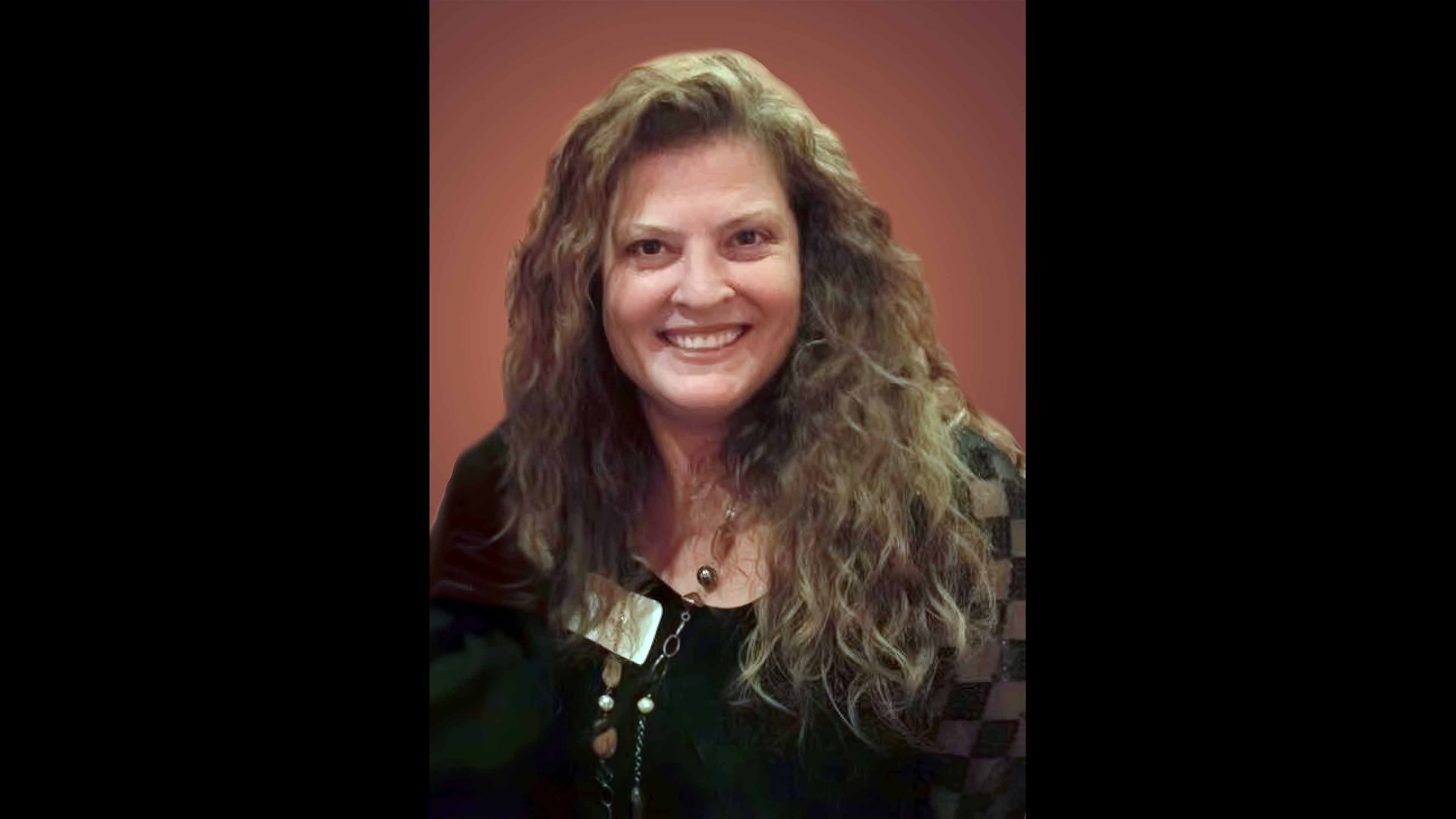
Pam McNall is a Level 1 certified trauma-informed specialist and founder of Respectful Ways, a trauma-informed character education programming resource for Pre-K-12 schools. Jack Bernard is chair of the Fayette County Board of Health and chair of the Georgia Public Health Association Board of Health section.
If you have any thoughts about this item, or if you’re interested in writing an op-ed for the AJC’s education page, drop us a note at education@ajc.com.