Sorting out the new emphasis on literacy
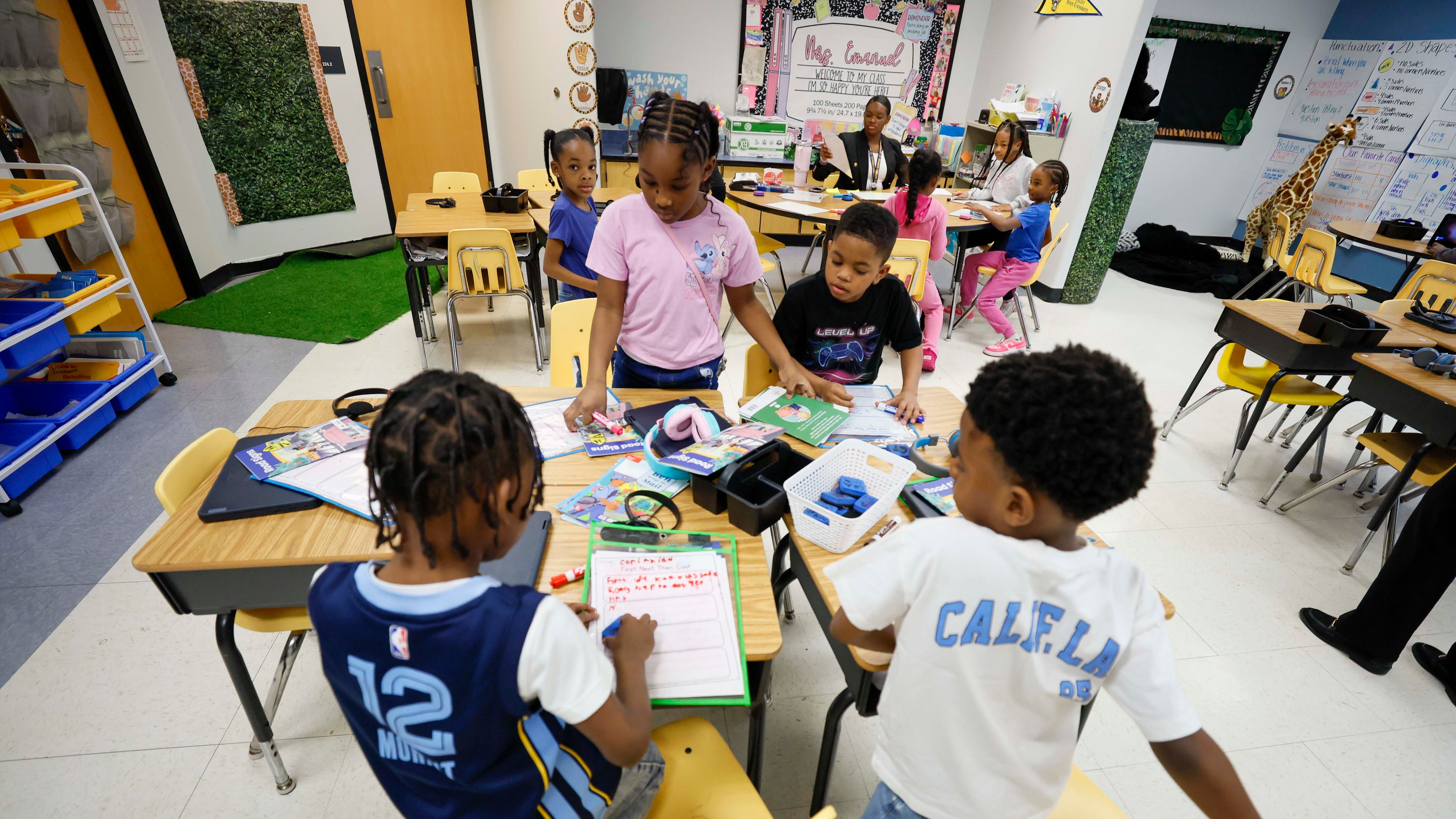
Compared with most news about learning to read, we found a refreshing contrast within a recent article published in the Flagpole, a weekly publication serving Athens. The article, titled “Clarke County School District Puts New Emphasis on Literacy,”opens with the following:
“In 2022, after the COVID-19 pandemic ended, an evaluation showed that only 27% of Clarke County public school third-graders were reading on grade level. That figure spurred the CCSD administration into action. In 2023, the district changed the way it was teaching reading, moving to the Science of Reading, which emphasizes phonics and ‘evidence-based teaching methods.’ Teachers themselves had to learn how to teach according to the Science of Reading protocols.”
The beginning of the article mirrors today’s dominant narrative. Politicians, parents and policymakers have been persuaded that many third-graders don’t read at grade level, that the COVID-19 pandemic has had a strong negative influence nationally on reading achievement, and that retraining teachers to focus narrowly on phonics, per the Science of Reading, will save the day.
We and others have pointed out the evidence for this single emphasis is at best mixed. Ironically, given the call for “evidence-based” reading instruction, there is evidence that focusing exclusively on phonics provides no clear advantage over broader approaches — evidence that is typically ignored or discounted. Further, perhaps it isn’t coincidence that the decline in national reading scores coincides with the beginning of states passing laws inspired by the Science of Reading movement, which presently stands at 47 states.

As we have explained in a previous Get Schooled posting, grade-level is a mythical concept with no precise, reliable meaning. Furthermore, national scores on reading ability (narrowly defined by performance on multiple choice tests) were no worse after COVID than in the early 2000s. The drop after COVID looks worse because scores had been rising slowly, but steadily, but started dropping in 2015, well before the pandemic.
Even more telling is who accounted for the overall drop in scores. It wasn’t because all readers at all levels were scoring lower. Higher scoring students remained high at usual rates. But lower scoring students were dropping to even lower scores at a level that erased past gains. Who are these low-end scorers? They tend to be socially and economically disadvantaged students.

What is often ignored is the strong correlation, much stronger than any instructional approach or education initiative, between socio-economic status and academic achievement. Across all subject areas, students from impoverished backgrounds score lower than their more affluent peers. This robust finding suggests that factors outside school play an influential role in determining academic achievement, well beyond the reach of an instructional method.
However, for strong Science of Reading advocates such factors receive virtually no attention. To them, the only relevant evidence is “horse-race” studies comparing different approaches to instruction as the only way to insure improved reading achievement. Some believe that the best way to get the “gold standard” significant findings is to stack the deck by comparing the favored approach to one that is likely to work poorly.
That brings us to a rarely considered, so refreshing, view a few paragraphs later in the Flagpole article. The article shifts to reporting a Clarke County School District conference called “Culture of Literacy, Community Stakeholder Forum.” Two researchers spoke about how numerous factors influence a child’s “path to literacy” and that “there are a host of good reasons for children to be reading well by third grade, as well as numerous factors that could impede them.”
The factors they identified included families who have time and opportunity to read to children daily, readily available healthcare, food insecurity faced by roughly 1 in 3 families in Georgia, and absences from school. For example, students who miss 5 days or more are more likely to have reading scores as much as 20% lower than average.
The researchers argued that literacy development is a matter of public health, introducing the term “language nutrition.” In that view raising reading scores in particular and academic performance in general can be accomplished more fundamentally by taking into account and improving societal conditions that enhance learning. Of course, how reading is taught is important, but in the larger scheme of things, it alone isn’t likely to account for reading scores on reading tests, let alone be a single pathway to literacy.
Our conclusion: Phonics plays an important role in learning to read, but is not sufficient by itself. Out-of-school factors matter a great deal. When will people making policy acknowledge that one teaching method can’t overcome the greater inequities faced by children living in compromised situations?
David Reinking is a retired professor at Clemson and the University of Georgia, an inductee in the Reading Hall of Fame, and a former co-editor of Reading Research Quarterly and Journal of Literacy Research. Peter Smagorinsky is a retired professor at UGA, an inductee in the Reading Hall of Fame, and a former co-editor of Research in the Teaching of English.
If you have any thoughts about this item, please go to our AJC Get Schooled Facebook page. If you’re interested in writing an op-ed for the AJC’s education page, drop us a note at education@ajc.com.