OpenAI’s $20B data center dominated Georgia headlines. But it wasn’t alone.

It’s hard to imagine a billion-dollar project getting overshadowed, let alone two.
But that was before the data center boom came to Georgia, upending development norms.
OpenAI last week made national headlines by announcing a $20 billion data center complex near Savannah that already had its local approvals in order, leaving few barriers for the tech giant to clear. The project is one of Georgia’s largest, prompting promises of economic prosperity from backers and outrage among thousands of residents who just learned of the plans.
But lost amid the noise were two other mammoth data center projects making moves in metro Atlanta, both of which filed key state paperwork on the same day as OpenAI.
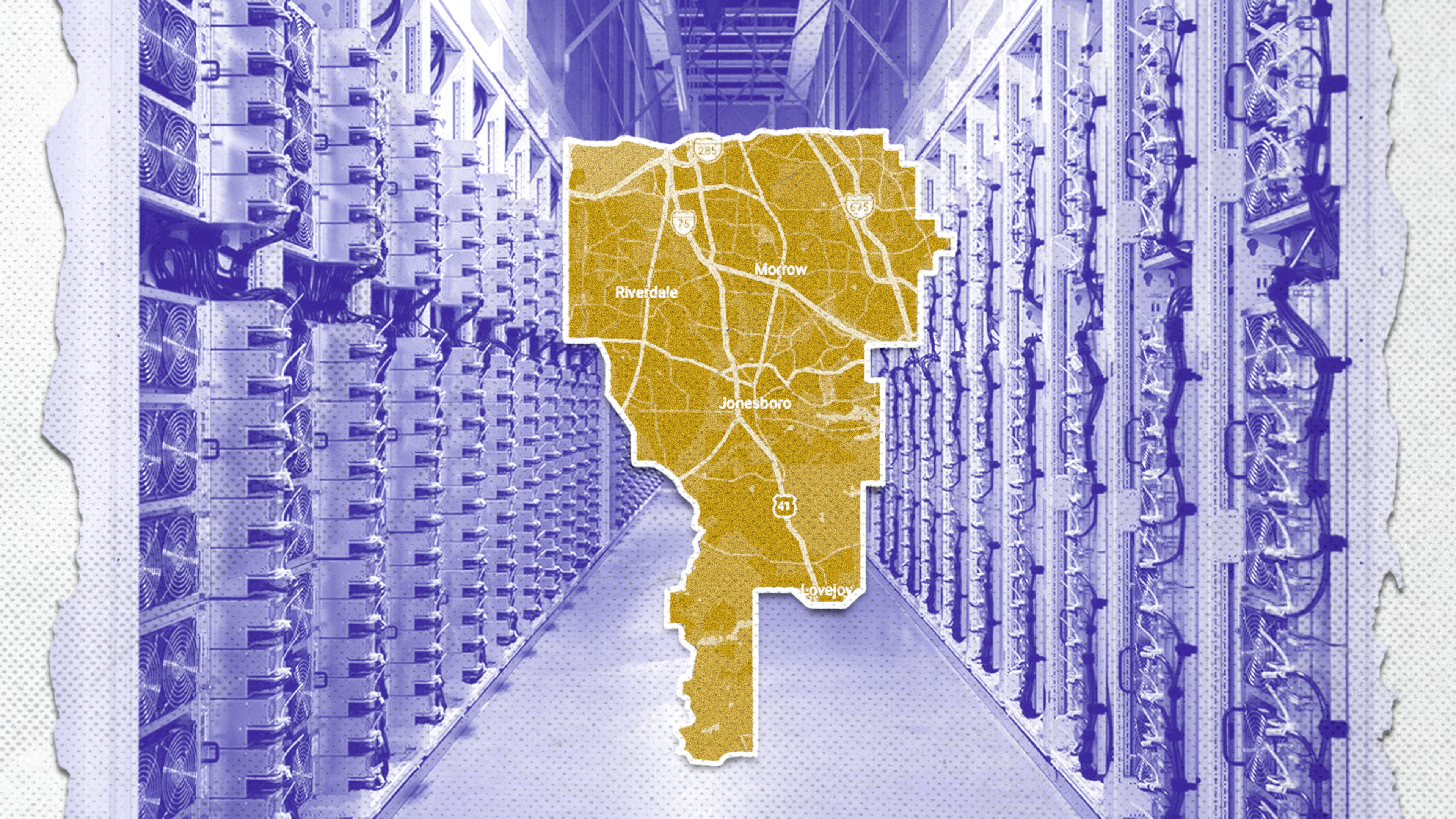
A $13 billion data center project called Stillwater Technology Park in Clayton County was unveiled Wednesday alongside a $1 billion expansion to Google’s existing computing campus in LaGrange. The flurry of mammoth projects highlights how the rush to fuel the artificial intelligence revolution is cropping up across the Peach State at lightning speed, presenting challenges to document and track.
“Data centers are moving so fast,” Femi Adesanya, founder of data and monitoring organization Environmental Equity Information Institute, told The Atlanta Journal-Constitution. “The ability to generate data that is meaningful and useful can’t keep pace with that speed of construction and speed of implementation.”
Metro Atlanta emerged as the darling of the AI industry about three years ago after OpenAI shook the tech world with its public launch of ChatGPT. The Atlanta region rose to become the globe’s second-largest data center hub after only Northern Virginia, according to data from real estate services firm CBRE. The Atlanta area ended 2025 leading the country for new data center construction.
But as data center developers expanded their search beyond just metro Atlanta and continue to announce new projects at rapid speed, their efforts have become harder to track in a timely fashion.
Even studies commissioned by the Georgia General Assembly, such as the University of Georgia’s analysis of data center tax breaks, rely on data from third-party firms founded only three years ago to count the number of projects proliferating in the Peach State. In December, UGA’s study cited data showing there were 63 active data centers, 35 under construction and another 249 that had been announced — all figures that are vastly outdated only eight months later.
Data centers have become a hotbed for controversy across Georgia. They represent massive private investments that tech companies and business recruiters say are transformative for community tax rolls and employment. But data centers are broadly unpopular with Georgians across the political spectrum, recent polling shows, and critics raise concerns over their electricity and water demands, size and tax breaks.
Louise Palmer, executive director of Environmental Equity Information Institute, said the rush places communities on their back foot, unable to react to proposals in their area.
“We’re in a moment right now of reaction against data centers,” she said. “We don’t have a system in place to really take a good data-driven look at the impacts of data centers over time and how they’re affecting communities.”
“Nor do we have any real coordinated effort to engage communities and educate communities before these decisions come down,” she continued.
Same day, three projects
On Wednesday, three submissions were made to the Developments of Regional Impact program, a state infrastructure review required for large projects.
They were all data centers.
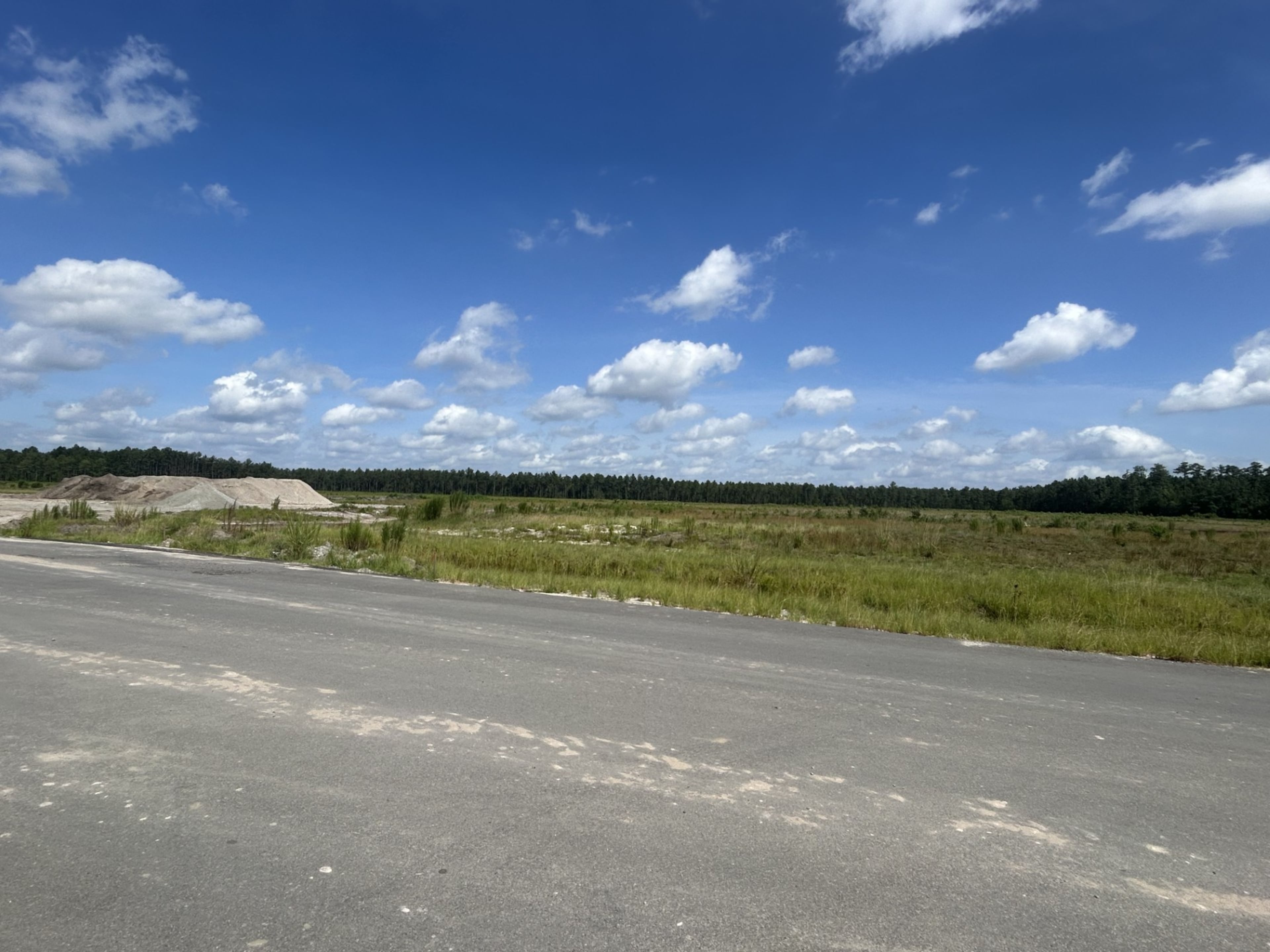
OpenAI’s project in Effingham County called “Project Camellia” jumps off the page. Its first phase includes four buildings spanning 4.4 million square feet, nearly three times the size of Atlanta’s Lenox Square mall.
But it’ll eventually span across a 1,600-acre site and require more electricity than three of the nuclear reactors at Georgia Power’s Plant Vogtle.
“This project represents a major private investment that will generate substantial new tax revenue, bring hundreds of high-paying jobs, and create new opportunities for local businesses, contractors, suppliers and our future workforce,” said Brandt Herndon, chief executive of the Effingham County Industrial Development Authority. His agency approved a tax break to recruit OpenAI to Coastal Georgia.
OpenAI’s commitment is $20 billion, but Sachin Katti, vice president of compute strategy at OpenAI, told Bloomberg the size of the project will probably cost more than $30 billion when complete.
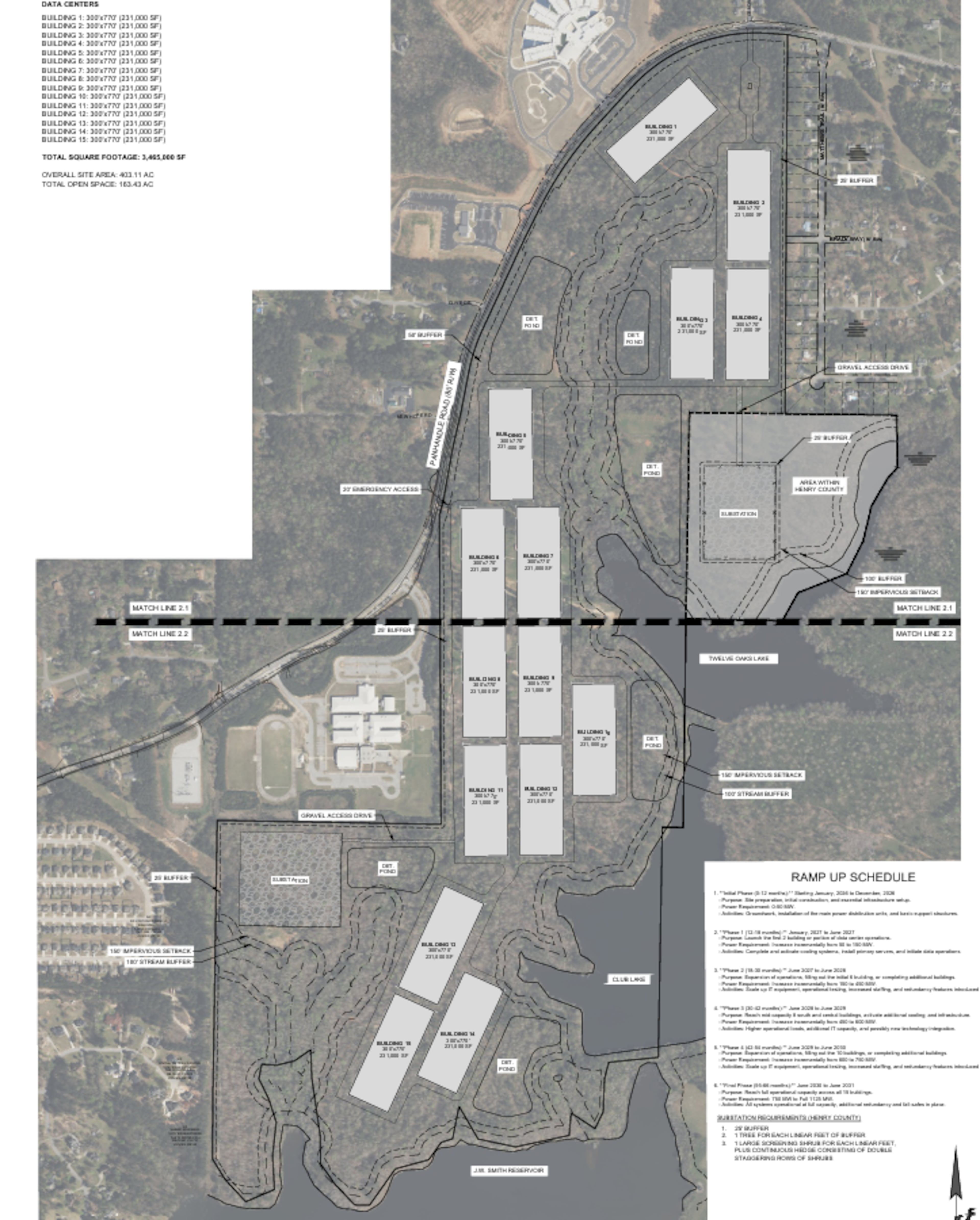
Also Wednesday, Stillwater Development filed plans for a roughly 3.5 million-square-foot data center campus spanning 15 buildings in Lovejoy, a small city in Clayton County near the Henry County line. The 1.2-gigawatt project is about a third of OpenAI’s proposal, meaning it needs the energy of one nuclear reactor, or the equivalent of the electricity needed to power half a million homes.
Central Georgia EMC is the Stillwater project’s electricity provider, making it one of the state’s largest to not fall under the purview of its largest state-regulated utility, Georgia Power. An EMC spokesperson declined to answer questions about the proposal, pointing the AJC to its webpage on data centers.
“Data centers will pay their own way, members will not subsidize these projects, and reliability for existing members will not be compromised,” the page’s summary says.
The project off Panhandle Road is across the street from Michelle Obama STEM Elementary Academy and Eddie White Middle Academy. Lovejoy Mayor Marci Fluellyn, who completed Stillwater’s DRI submission, wrote that any additional traffic “will cause considerable impact and delays for regular traffic, school buses, and parents dropping children off at school.” Fluellyn did not respond to requests for comment Monday from the AJC.
Stillwater Development, which also didn’t respond to interview requests, is a subsidiary of The Stillwater Cos. based in Charleston. Its website focuses on its land selection and pre-development services, with a history of mostly residential and community projects in the Carolinas. It’s unclear if Stillwater has development partners or an end-user on board to occupy its Lovejoy proposal.
The roughly 400-acre site was annexed into Lovejoy in 2024 for a residential project, but it was rezoned in December to allow for potential data center development, according to WABE. Multiple commissioners for Clayton County, which has a moratorium for new data centers, criticized the site choice during a county meeting last week.
“It’s why we selected DRI as the tool for this critical review,” Fluellyn told the commission board, according to WABE. “It brings everyone willing to participate to the table.”
About 70 miles southwest of Lovejoy, Google is expanding its LaGrange data center campus. Announced in early 2024 as “Project Pegasus,” a Google development partner filed a DRI on Wednesday for the project’s next phase, which is expected to be a $1 billion investment.
The entire project is in an industrial park at 411 Pegasus Parkway and is projected to be worth $8 billion when finished. It’s being built speculatively based on demand, according to the DRI, so a completion timeline was not included.
Regulation and oversight
While many residents have had a lukewarm — or hostile — response to data centers, many state and local leaders continue to champion the investment and welcome new projects.
Gov. Brian Kemp is among them.
“We’re not trying to go around and push a data center in somebody’s neighborhood that doesn’t want it,” Kemp recently told Politico’s Energy Podcast. “But there’s a lot of communities that see the benefits of this and want these projects.”
The Republican governor was among more than 220 elected officials, utility leaders and data center operators to sign a White House pledge that seven Big Tech firms would not pass along data center electricity costs. Kemp in 2024 also vetoed legislation that would have paused a statewide tax break program intended to woo data centers — a program that’s racked up a multibillion-dollar annual tab.
Kemp also criticized other politicians who have implemented or advocated for data center moratoriums, such as in New York, which earlier in July became the first state to implement a temporary ban on large computer server farms.
“I’m not saying we need a data center in every community that’s out there, but to have a moratorium — just like the governor of New York did, and what (former Atlanta mayor and Democratic gubernatorial candidate) Keisha Lance Bottoms is proposing — to me, is irresponsible,” Kemp told Politico.
Bottoms has called for a “temporary” halt on new data center construction. TaNisha Cameron, her campaign’s communications director, has told multiple media outlets that “Georgia’s status quo of unchecked data center construction without a plan is not acceptable.”
Projects, both those approved and pending local consideration, have sparked petitions and protests. Conserve Henry, an activist group in Henry County that borders Lovejoy, started a petition that garnered more than 380 signatures.
“This is no longer a local issue confined to one city,” Connie Snow, founder of Conserve Henry, wrote in an email to elected officials that was shared with the AJC. “The impacts will cross county lines and affect our shared infrastructure, utilities, environment, and quality of life.
Adesanya, of the Environmental Equity Information Institute, said state and federal officials need to get more involved in overseeing data center development. He said it’s impossible for local officials to have a holistic view with such large projects that can strain regional resources.
“At the local level, there are no guardrails,” he said. “Going to the local city council to get a permit to operate a $20 billion facility is not adequate.”