Atlanta’s Joe Alterman finds his groove in a life surrounded by music, love
This story was originally published by ArtsATL.
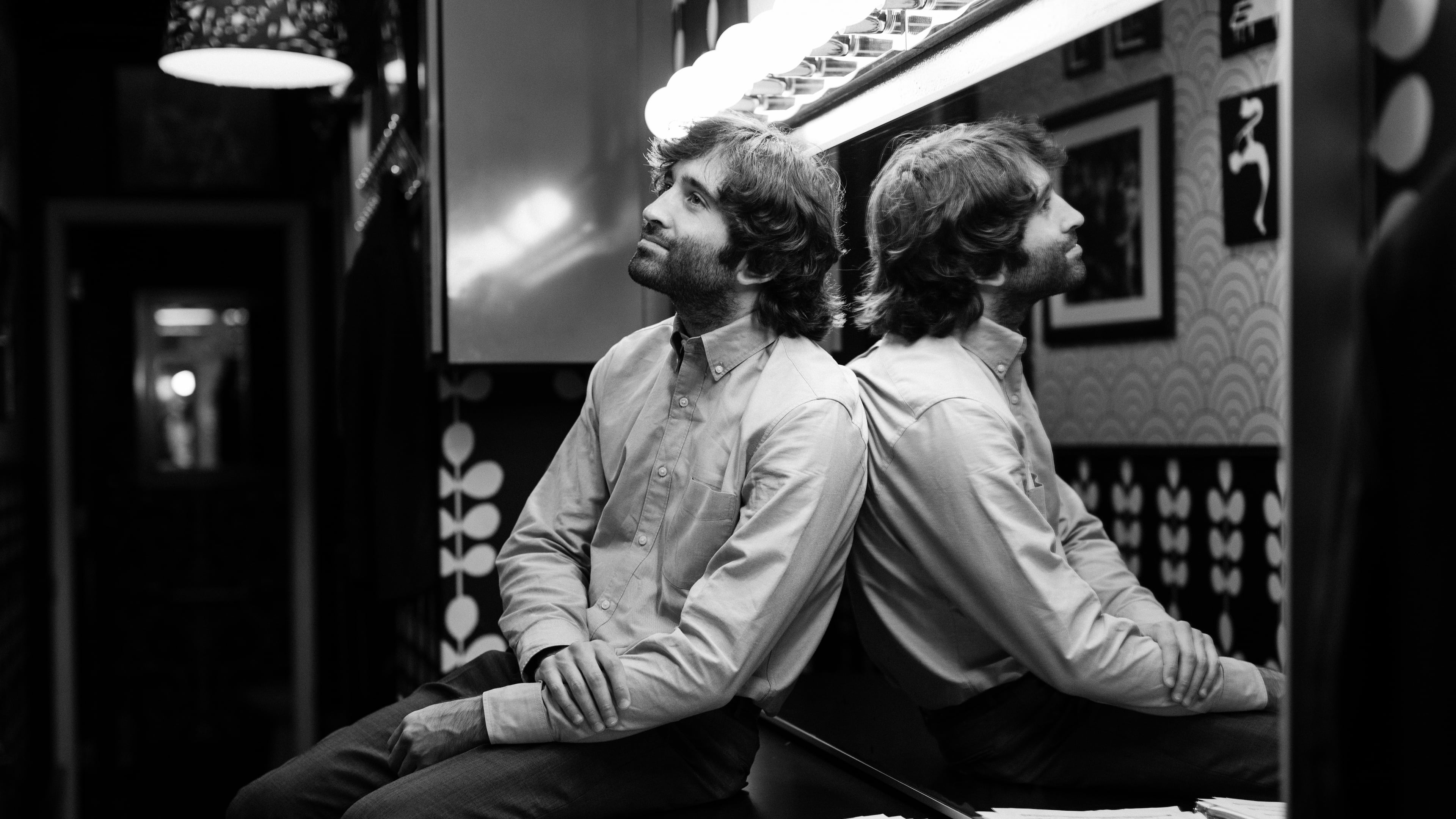
Joe Alterman is an Atlanta-born jazz pianist, composer, writer, radio show host and arts leader whose work is rooted in swing, storytelling and the belief that music can make people feel better. He serves as executive director of Neranenah (formerly the Atlanta Jewish Music Festival) and hosts WABE-FM’s “The Upside of Jazz,” where he shares the stories, records and artists that have shaped his life.
A fourth-generation Atlantan, Alterman has performed with and been championed by many jazz greats, including Les McCann, Ramsey Lewis, Ahmad Jamal and Houston Person. Here, he details 11 good things in a here-there-everywhere life.
1. Music that swings and feels good: At the end of the day, I think I’m mostly drawn to music that makes people feel good. I don’t mean music that ignores the hard stuff but music that somehow lifts you up anyway. To me, that’s what swing does. It has humor, warmth, momentum, soul and a kind of generosity that I’m always chasing.
2. Family: Family is really the center of everything for me. Becoming a husband and a father has only made me feel that more deeply. The more I do in music, the more I realize that so much of it comes back to love, memory, gratitude and the people we carry with us.
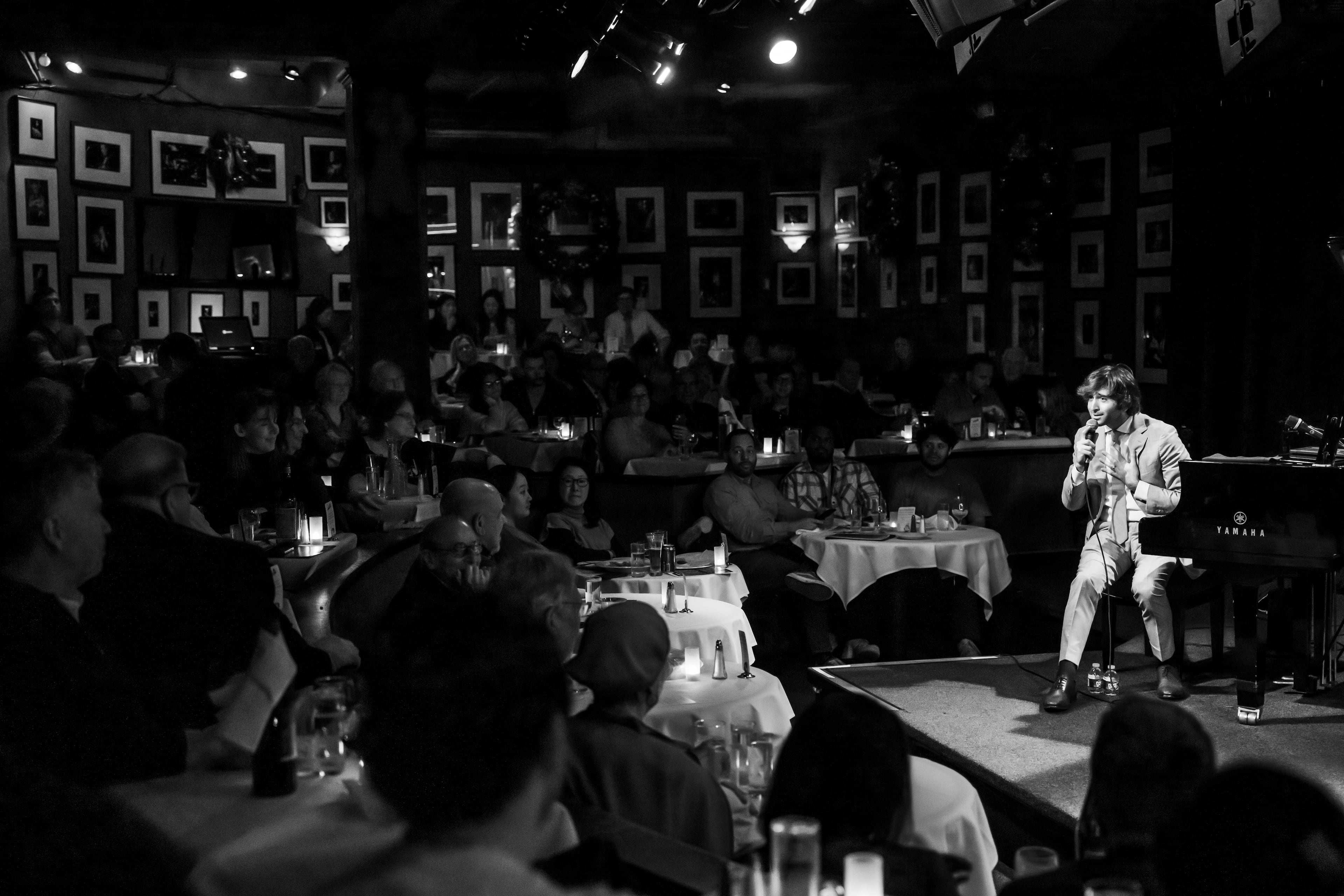
3. The piano: The piano has always felt like much more than an instrument to me. It’s where I go when I’m happy, when I’m sad, when I’m trying to figure something out or when I just need to feel connected to something bigger than myself. I’m very grateful that I get to spend my life sitting at one.
4. WABE-FM and “The Upside of Jazz”: Hosting “The Upside of Jazz” on WABE has been one of the real joys of my life. I love getting to talk about jazz not as homework or as some intimidating museum piece but as something alive, funny, soulful, human and full of stories. The whole point of the show is to help people feel better one jazz record at a time, and I really believe in that.
5. Les McCann: Les McCann was one of my dearest friends and one of the most life-giving people I’ve ever known. He was hilarious, soulful, generous, brilliant and completely himself. Les taught me that music could heal people, feed people, make people laugh and tell the truth all at once.
6. Toast & Jam Brunch at Sandy Springs Performing Arts Center: I love (this event) because it brings together so many things I love: live music, community, good food and a room full of people having a good time. To me, that’s one of the best ways to experience jazz — not as something intimidating or distant but as something joyful, social and alive.
7. Ahmad Jamal: Ahmad Jamal changed the way I heard the piano. His music taught me that space can swing, that elegance can be funky and that you don’t have to play more to say more. He also had this incredible way of making the piano feel orchestral, graceful and deeply soulful all at once.
8. Ramsey Lewis’ Steinway: I’m incredibly fortunate to have Ramsey Lewis’ beloved 1963 Steinway in my life. Ramsey’s music has meant so much to me for so long, and, every time I sit down at that piano, I feel grateful and honestly a little overwhelmed. It feels like a blessing but also a responsibility to get to spend time with an instrument that carries so much joy and history.
9. Hard-to-find jazz records and liner notes: I love searching for hard-to-find jazz records because every discovery feels like opening a little door into another world. Sometimes it’s a forgotten player; sometimes it’s an alternate take; sometimes it’s a mysterious personnel listing that sends me down a rabbit hole for hours. And I love liner notes because they give you the world around the music — the people, the stories, the session dates, the photos, the friendships and all the little details that make a record come alive.
10. Researching jazz in authoritarian regimes: I’m really fascinated by what happens to jazz under authoritarian regimes, because jazz so often represents freedom, individuality, improvisation and human dignity. So when a government tries to suppress it, control it, use it or misunderstand it, that tells us a lot — not only about the music but about the government. It’s one of those subjects that reminds me how powerful jazz really is.
11. The Black and Jewish story of American music: One subject I keep coming back to is the Black and Jewish story of American music (which Alterman is exploring in a concert with vocalist Karla Harris in a concert Sunday in Roswell, see the If You Go details below). So much of what we think of as American music was shaped through that complicated, beautiful, painful and deeply creative relationship. It’s a story full of collaboration, tension, borrowing, admiration, misunderstanding and extraordinary art — and I think it tells us a great deal about America itself.
IF YOU GO
Neranenah
4 p.m. Sunday: “When Rivers Meet: The Black and Jewish Origins of America’s Sound,” a concert featuring vocalist Karla Harris and pianist Joe Alterman. $47.75. Studio Theater, Roswell Cultural Arts Center, 950 Forrest St., Roswell. 770-594-6120, roswellcac.showare.com.
7 p.m. Sept. 3: Live with Naama and the Joe Alterman Trio. In this 2026-27 Neranenah season preview show, the jazz vocalist joins Alterman’s ensemble for a program of travel-inspired songs. From $45.06. Eddie’s Attic, 515 N. McDonough St., Decatur. 404-377-4976, dice.fm.

MEET OUR PARTNER
ArtsATL (artsatl.org) is a nonprofit organization that plays a critical role in educating and informing audiences about metro Atlanta’s arts and culture. ArtsATL, founded in 2009, helps build a sustainable arts community contributing to the economic and cultural health of the city.