DMC talks Peachtree Road Race, Atlanta, Adidas and Run-DMC’s legacy
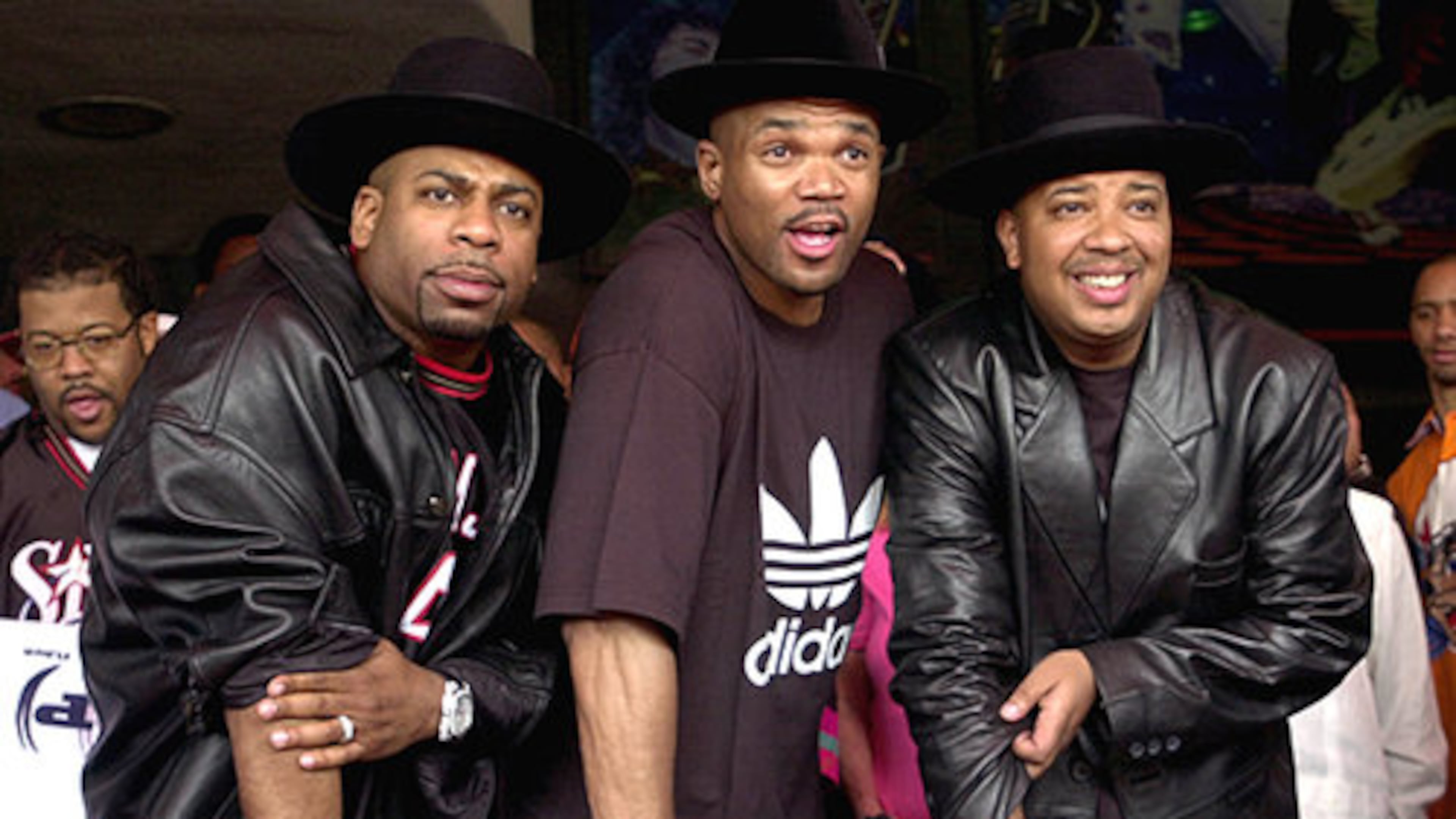
Before sneaker collaborations became commonplace and hip-hop became a global industry, there was Run-DMC and Adidas.
As one-third of Run-DMC, Darryl “DMC” McDaniels helped transform rap from a New York street movement into a global cultural force.
The group helped define hip-hop’s golden age, became the first rap act inducted into the Rock & Roll Hall of Fame and remains one of the genre’s most influential pioneers.
With the 1986 anthem “My Adidas,” Run-DMC transformed a German athletic shoe into a cultural symbol, forging one of the first and most influential partnerships between a music act and a major brand, permanently reshaping the relationship between hip-hop, sportswear and popular culture.

This weekend, that history comes full circle in Atlanta.
On Friday, as part of the lead-up to the 57th running of the Northside Hospital Peachtree Road Race, McDaniels will headline a free performance at 8:30 p.m. at Lenox Square, presented through Atlanta Track Club’s partnership with Adidas.
The concert, held on the eve of the nation’s 250th Independence Day and just days before Atlanta again welcomes thousands of visitors for the FIFA World Cup, will cap an unusually symbolic weekend for the city, blending music, sport and civic celebration before fireworks light up the sky over Buckhead.
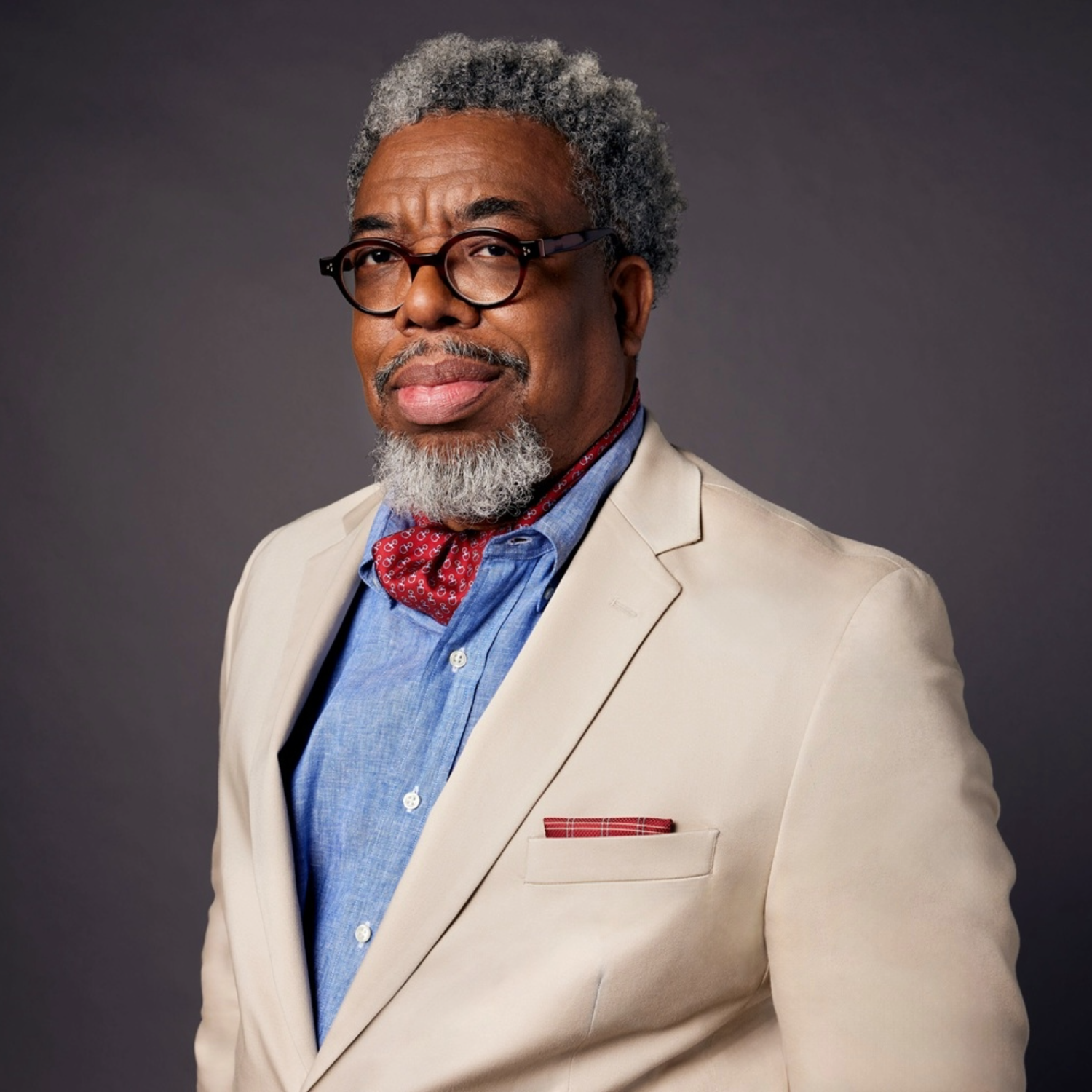
Ahead of his performance, McDaniels sat down with AJC senior editor Ernie Suggs to talk about Atlanta’s role in early hip-hop, the enduring bond between Run-DMC and Adidas, the responsibility that comes with influence and why, more than four decades after releasing “Sucker MCs,” he still believes that positivity can be gangster.
You’ve been coming to Atlanta for decades. What does it mean to be back here for the Peachtree Road Race?
First of all, I’ve been coming to Atlanta since 1984, when “Sucker MCs” was our first single. A lot of people don’t know that Atlanta, before its spectacular historical rise, helped put hip-hop on the map.
Atlanta was one of the places where Run-DMC, Houdini, LL Cool J and all of the early hip-hop artists came all the time. I played almost every club and roller skating rink there.

A big shout out to Jermaine Dupri, and also to a forgotten Atlanta legend, my man Shy D. Not only was he an artist himself, he used to promote Run-DMC and Houdini down there.
There’s a lot of history here, but it’s an honor to come down here for Adidas and perform at the Peachtree Road Race.
Run-DMC and Adidas, what we did together, was bigger than music. When people see those three stripes, they know they’re getting something authentic.
It’s not just about music and records. It’s about community. It’s about culture. It’s about us coming together to do some good things with and for each other.
You look great. Do you work out? Do you run?
No, I don’t run, but I do exercise.
I’ve been sober for 24 years. It’s good to do a lot of exercising instead of a lot of drinking.
The beautiful thing is a lot of people are looking at health like it’s a cool thing to do. We need to live healthier lifestyles because, personally, in the last five years I’ve had friends and family members under 50 die from heart attacks, strokes and diabetes.
We’ve got to get moving to be proven.
I work out because I eat a lot of cookies. I started a cookie company called Darryl Makes Cookies. Life is about balance. If you’re going to eat the cookies, you’ve got to go to the gym.
So what kind of Adidas are you wearing in the gym?
I’m wearing the Adidas Cloudfoam. I’m not wearing the Superstars (shell toes) when I work out. But I’ve got my classic white Superstars with the black stripes when I’m rocking the mic.

You’ve built one of the most influential careers in hip-hop. How do you think about your legacy?
My legacy is this.
I’ve been to almost every country in the world. I’ve been in the music business for over 43 years.
I could go to a country tomorrow that I’ve never been to, and people talk about the moment in the “Walk This Way” video when Steven Tyler knocked down the wall separating Aerosmith and Run-DMC.
They tell me that didn’t just happen on the screen. It happened for real.
My legacy is this: Culture creates community.
Culture and collaboration create cooperation. Cooperation creates conversation. Conversation creates transformation.
When we were young, we wanted the older generation to tell us we were doing something good.
There’s no such thing as a generation gap. That’s something created to keep people separated.
When the OGs communicate with the young generation, the OGs bring experience and the young generation brings ideas.
Hip-hop didn’t create anything. Hip-hop re-created everything in a positive way.
So my legacy is this: I made positivity gangster.
I told you the last time we talked that your verse on “Sucker MCs” changed my life. It’s still one of the greatest verses in hip-hop.
Thank you.
But here’s what I tell the young generation: Old school isn’t a time period. It’s a consciousness.
How you present yourself creatively to the world, that’s hip-hop.
When I wrote my verse on “Sucker MCs,” I wasn’t the first to do that. I learned from Kool Moe Dee when he was in Treacherous Three.
When it came time for his solo verse, he didn’t rap about money or women. He rapped about going to school, thinking positively and living right.
That blew my mind.
Everybody knew Kool Moe Dee didn’t get high. Everybody knew he stayed in school.
So when Run handed me the microphone on “Sucker MCs,” I knew I had a responsibility. I wanted to say something powerful and positive that would resonate with the listeners.
I had just been accepted to St. John’s University.
Other rappers talked about gold chains, diamonds, money and girls. I rapped about getting into college.
No matter who you are, whether you’re a journalist, doctor, lawyer, scientist or CEO, with great power comes great responsibility.
It’s cool to have hit records. It’s cool to be in the Rock & Roll Hall of Fame. It’s cool to make money. But once people are listening to you, you have a responsibility to everybody who hears you.
I’ll never forget that.
You’ve become more than an artist. Do you think of yourself now as a teacher, philosopher or mentor?
No. I don’t see it like that.
The Run-DMC thing was just a setup to put me where I’m supposed to be.
Now I’ve got comic books. I’ve got children’s books. I just started a cookie company.
It’s all about using who you are and what you do to connect with other people and make things better.
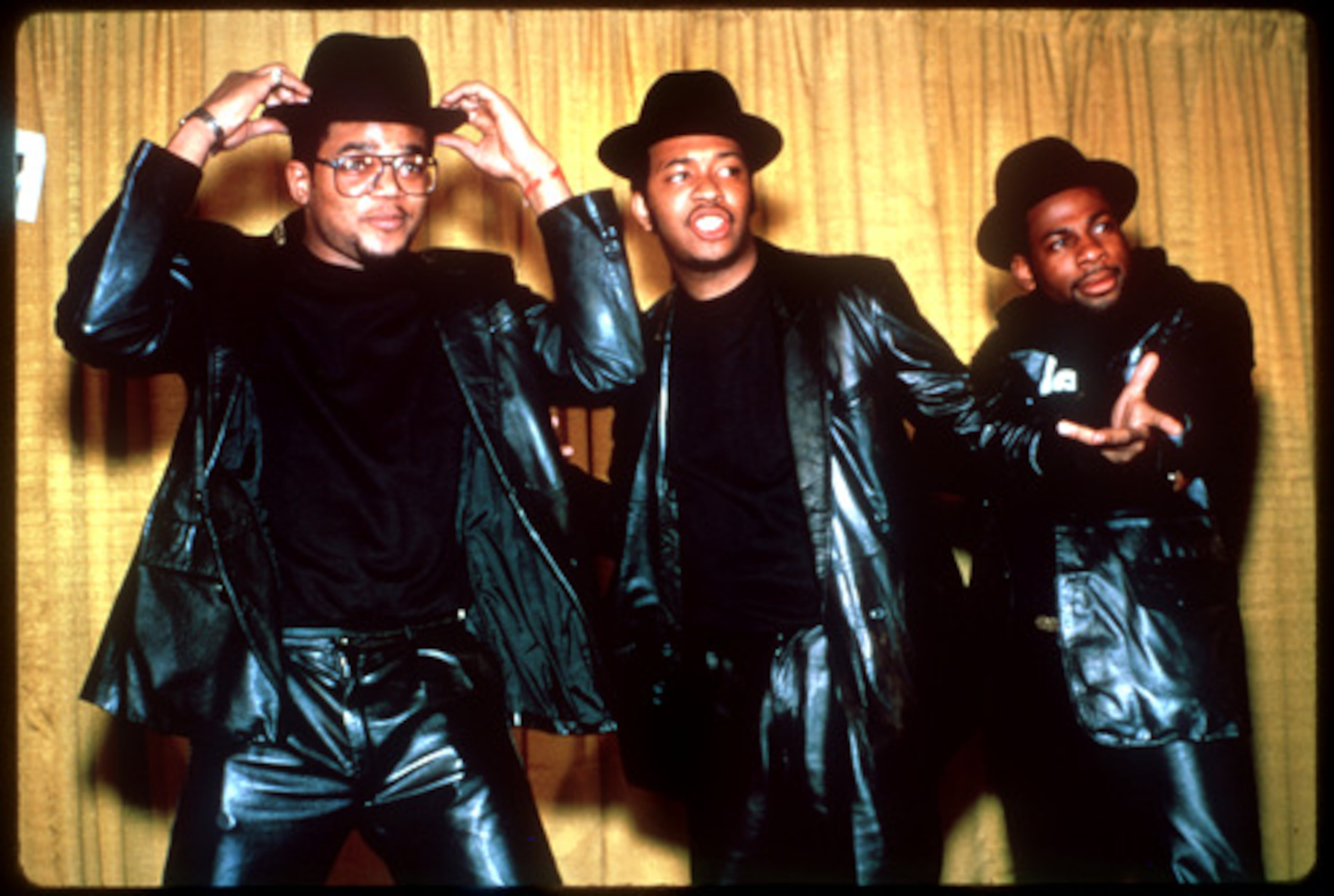
I loved school. I hated summer vacation because I loved reading and writing.
I was a straight-A student because I wanted to understand what they were talking about in comic books. I needed to understand what Professor X, Reed Richards and Tony Stark were talking about.
Education gave me those tools.
Here’s my secret: Every rhyme I ever wrote, every time I said I was the King of Rock, I was pretending. I was imagining that I was the most powerful force in the hip-hop universe.
Believing that made it come true.
Everything you believe about yourself can come true.
Dreams really do come true. The proof isn’t me. The proof is the person you see when you look in the mirror.
Now when I walk this Earth, people don’t just say, “What’s up, DMC?” They say, “What’s up, King?”
I laugh because I was joking.
But I wasn’t.
Before I let you go, what’s your message to everyone lining up for the Peachtree?
Tell everybody this:
“My Adidas” or your Adidas, it’s all about which way you choose to walk.
Life can be tricky, tricky, tricky.
But it doesn’t have to be difficult if you walk the right way.
I’ll see you at the show, and I’ll have my Adidas on.
I appreciate it, brother. I’m looking forward to rocking Atlanta and raising some hell.