Hey, hey, he’s the last Monkee, and people can’t say he’s monkeying around
Picture a federal agent sweating inside a stadium of screaming teenagers, convinced a clean-cut TV pop group is brainwashing America’s youth. That’s basically what happened in 1967, when an FBI informant grew alarmed at a Monkees concert and the bureau opened a file on the band, flagging the anti-war and Civil Rights footage flashing on the arena screens as “left-wing innovations of a political nature.”
It was a strange twist for a band most critics wrote off as fluff. But while the press focused on their manufactured origins, their British peers knew better. John Lennon called them “the greatest comic talents since the Marx Brothers” and said he never missed an episode.
It would only be a matter of time before the Monkees’ subversive streak broke their sitcom image wide open. By 1968, they’d spent their TV earnings on “Head,” a strange, fourth-wall-breaking movie that tore apart their Hollywood image, while their albums grew more experimental.
The Monkees were never your typical band. Micky Dolenz, Mike Nesmith, Davy Jones and Peter Tork were four actors hired through a trade ad looking for “4 insane boys” to play a group on TV. Decades later, the music holds up — but the real story behind it all turned out to be a lot stranger.
As he prepares to hit the road, Dolenz looks back at the madness, the music and the myth of the Monkees.
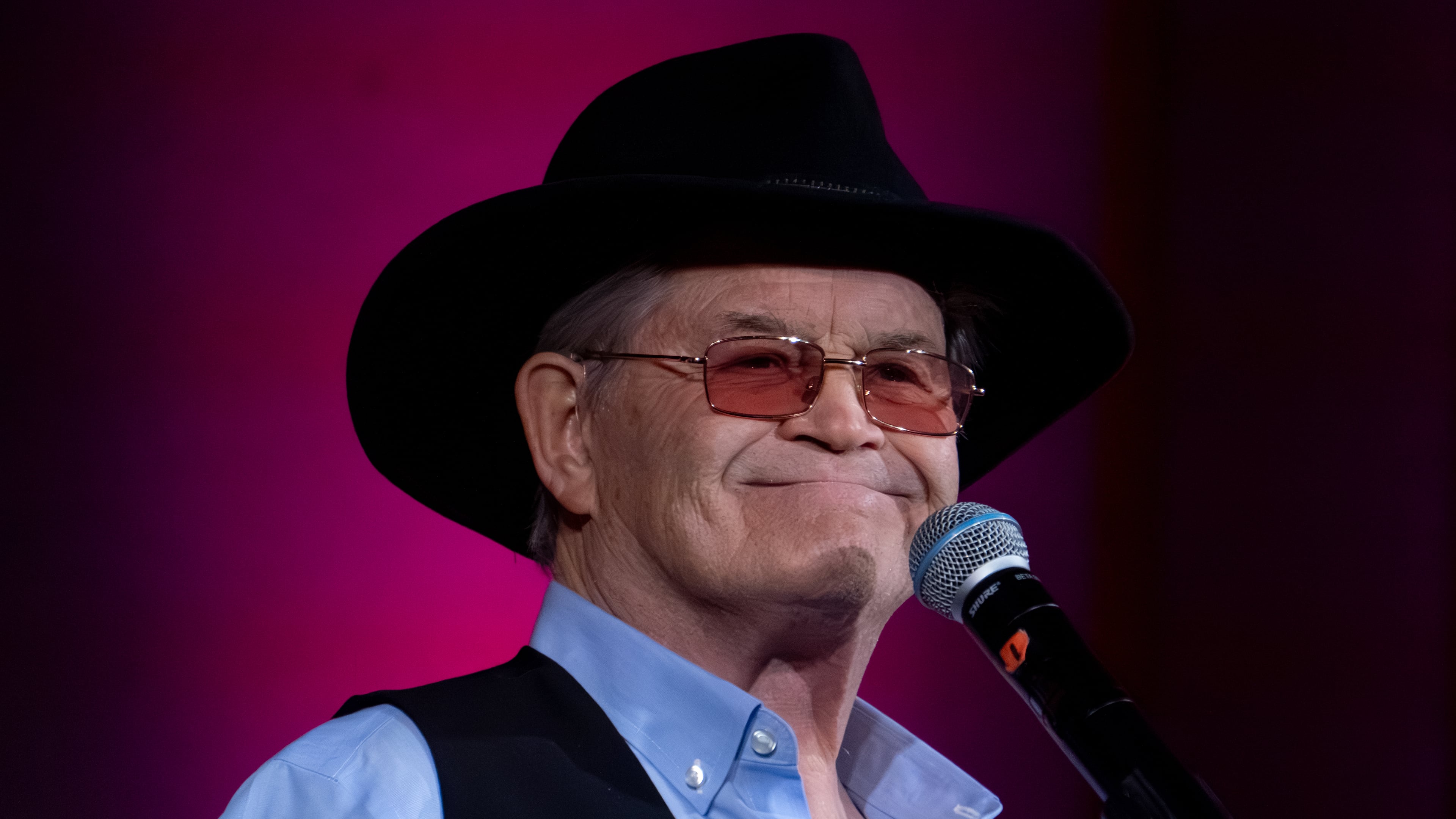
We recently caught up with Dolenz, the band’s last surviving member, who will play sold out “60 Years of the Monkees” shows at City Winery Atlanta on June 30 and July 2.
Q: In America, you were constantly hit with that “Prefab Four” label. But having the Beatles throw a party in your honor in London at that exact same time — that had to feel like the ultimate validation.
Dolenz: The short story is that I always knew what our show was actually about. It wasn’t a real group or a band trying to compete with the Beatles. It was a television sitcom about an imaginary band that wanted to be the Beatles, that wanted to be famous. I tell the story in my live show: The Beatles completely got it. It was John Lennon who said, “The Monkees are like the Marx Brothers.” That was the most accurate description. By the time that “Prefab Four” stuff came out, I had already been in the entertainment business for 10 years. I understood sensationalism and tabloid journalism. Frankly, I just didn’t care.
Q: That was back in 1967, right before you went on tour with Jimi Hendrix opening for you. When you look back at that whirlwind of a week, what is the single clearest memory that stands out for you?
A: That party was pretty huge. Before that, I made a trip by myself, like a press junket publicity tour, where I met Paul. He was the first Beatle I met. We just had dinner together at his house — just him, me, and Martha the sheepdog — and he invited me to (Abbey Road) studios.
Q: You were one of the very first people to buy a Moog synthesizer and brought it to tracks such as “Daily Nightly.” What drew you to that instrument so early on?
A: I was at the Monterey Pop Festival, and Paul Beaver and Robert Moog had a booth basically among a lot of other booths selling hippie paraphernalia. When I got back to LA, I ordered one that I was going to take on the road. Looking back, that was really stupid. It wasn’t modular; it was the original. The ones that Paul Beaver built were one big console. But I said, “Well, yeah, but I want to take it on the road.” So they built that one. I never took it on the road. That early on, it was a very difficult instrument to play. You couldn’t really play it live at all. It was monophonic, so you could only play one note at a time, not even a chord. But it really made great flying saucer sounds. I did use it on those songs, and to my knowledge, it’s the first time that it was used on pop-rock songs.
Q: The movie “Head” came out in 1968, where you deconstruct the band’s pop persona, and it has since become a psychedelic cult classic. Did you realize while you were filming it that you were making something that would confuse people?
A: You never know when you’re doing anything in this business if it’s going to work or not. You have no idea. You do your best and surround yourself with talented people. I knew at the time it was going to be different. It was not going to be a typical Monkees episode because that’s what we discussed with Jack Nicholson, who at the time was a B-movie actor who wanted to branch out into writing.
Bob Rafelson, who created the Monkees, came to me and said, “We want to make a movie, but we don’t want to make a 90-minute episode of ‘The Monkees.’ We’ve done that. We want to spread our wings.”
I was all for it. We were 20-somethings and we had done 52 episodes in two years. These days, that would be at least seven years of a show. So I remember thinking, ‘This is cool, we’re spreading our wings.’ We met talked, and wrote down ideas about what we wanted to do.

Q: On your recent projects such as “Dolenz Sings R.E.M.,” you reimagine classic songs from very different eras and styles. What is your approach to taking a modern indie rock track and stripping it down to fit your distinct vocal style?
A: In this case, it was pretty simple. Mike Nesmith’s son, Christian Nesmith, is a wonderful producer and musician. We had previously done an album called “Dolenz Sings Nesmith,” and he was really good at “reenvisioning” a song. When a record company showed interest in the R.E.M. project, I went to Christian. Once we came down to a short list of songs I was comfortable with, he went away and did his magic in terms of reenvisioning them. He did an incredible job.
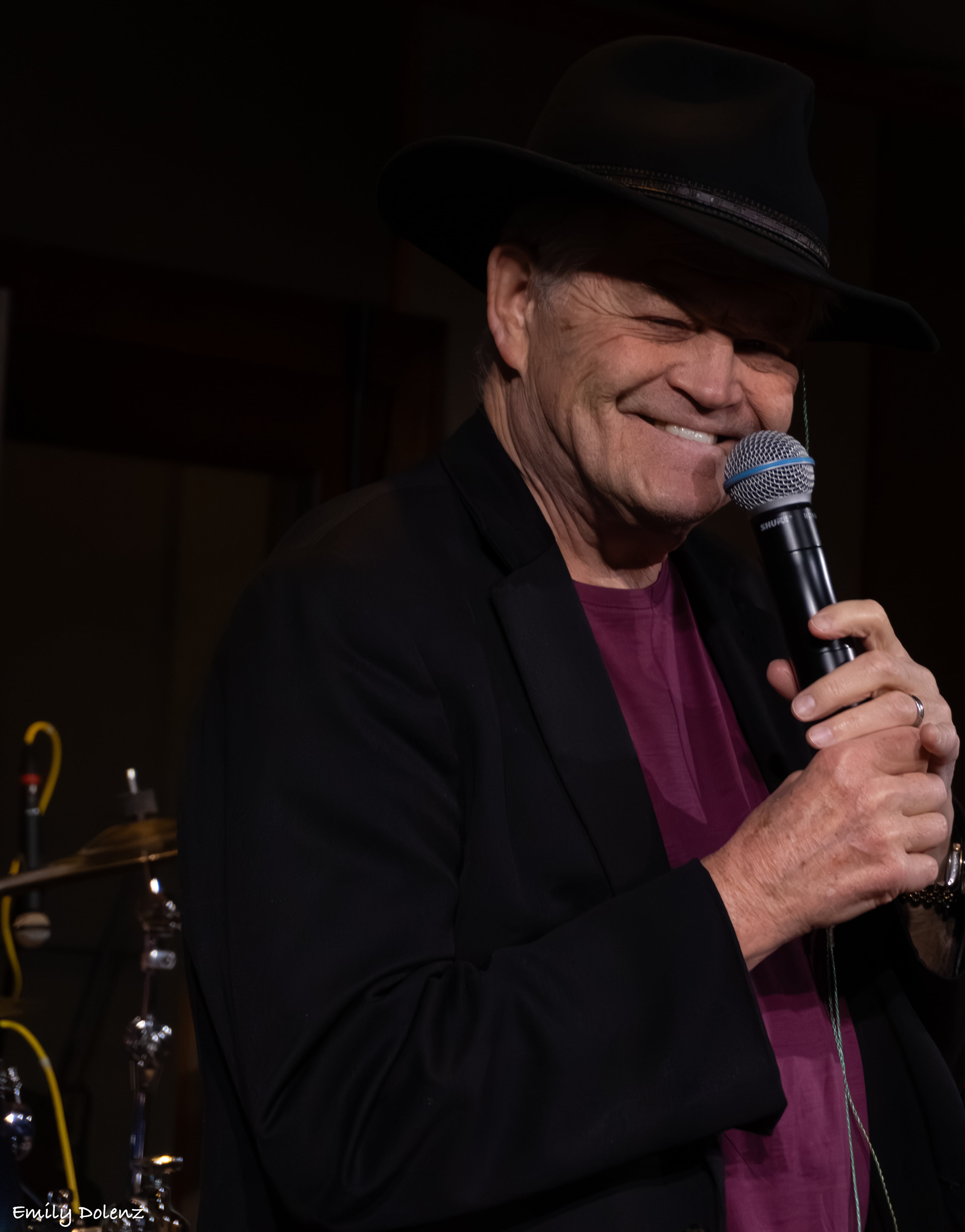
Q: What should people expect from the set list and arrangements on your current “60 Years of the Monkees” tour?
A: It’s pretty simple. It’s always the same music and I don’t alter the arrangements of the songs. I really believe the audience wants to hear what they remember as a child. This particular show is “Micky Dolenz Celebrates 60 Years of the Monkees,” and we’re doing the hits off of each album in chronological order, starting with “Last Train to Clarksville” from the first album.
During the show, I talk a bit about the different albums and how they happened. I always highlight a very important point: If you look at the original trade ad for the show, it says something to the effect of “Folk and rock musicians wanted for acting roles in a TV series.” There’s no mention of it being a band. It was acting roles in a television show. That’s a real important point because it was not a band or a group in the traditional sense where people got together by being related, like the Beach Boys, or being childhood friends, like the Beatles. The Monkees was a television series about a band.
MUSIC PREVIEW
Mickey Dolenz: “60 Years of the Monkees”
8 p.m. June 30 and July 2. Sold out. City Winery Atlanta, 650 North Ave NE, Atlanta. tickets.citywinery.com.