From Appalachian coalfields to Harvard, memoir charts extraordinary journey
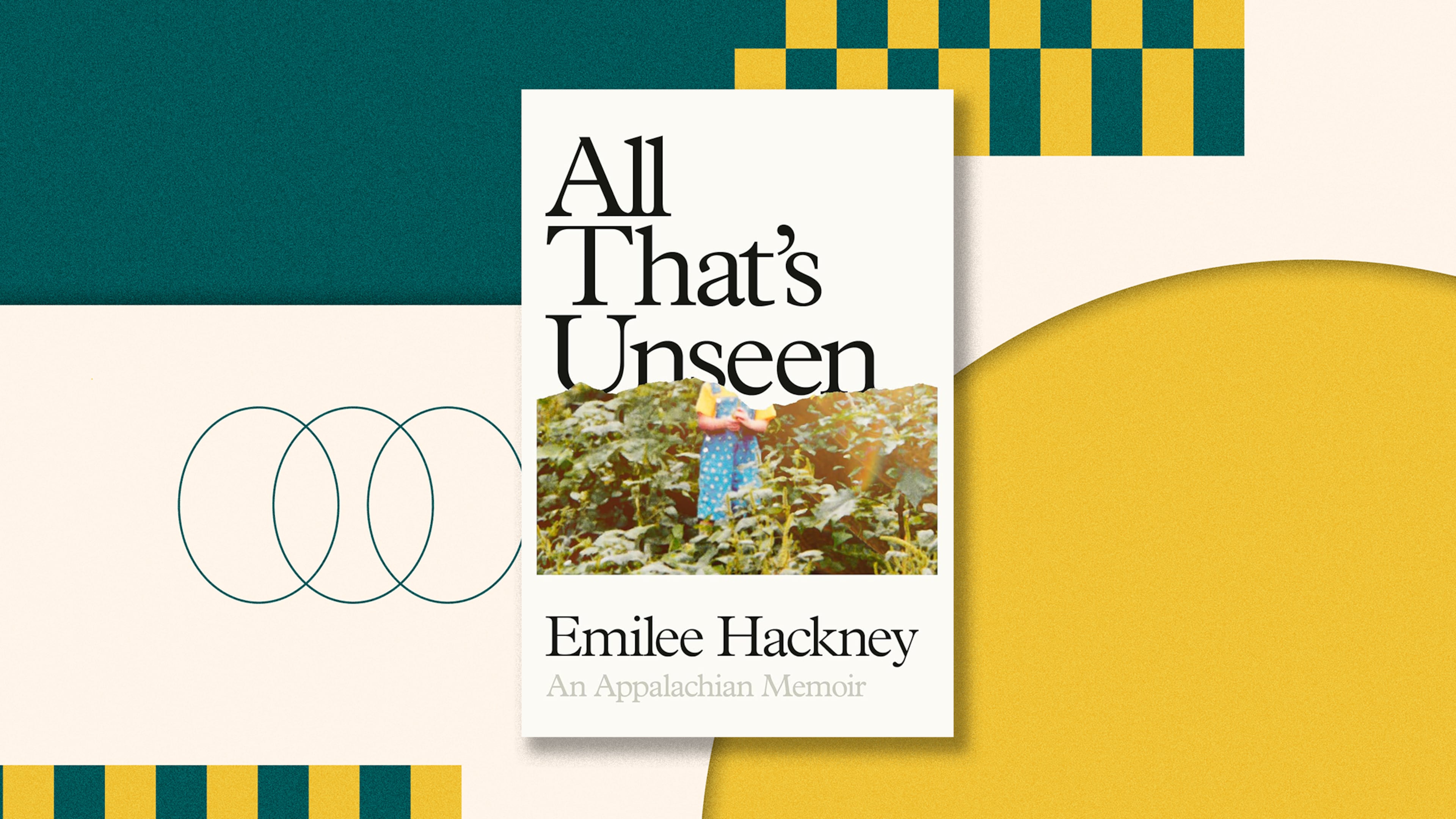
Emilee Hackney is an eighth-generation Appalachian who grew up in the coalfields of southwest Virginia in a family so impoverished her parents occasionally raided her and her brother’s piggy banks to pay the mortgage and buy groceries.
Unlike the parents in Jeannette Walls’ “The Glass Castle,” whose addictions, mental illness and impulsive behavior undermined their family’s stability, Hackney’s God-fearing parents were hard-working and aspirational. They were just stuck in a paycheck-to-paycheck rut like their neighbors and 29% of American families who qualify as the working poor.
In her unflinching new memoir, “All That’s Unseen” (Penguin Press, July 28), Hackney gives readers an intimate look at a way of life unfamiliar to many but more widespread than imagined by those of us whose worldview is shaped by social media and pop culture.

Like many contemporary rags-to-riches stories, education proves to be Hackney’s ticket out of the cycle of poverty, but she nearly derails her escape in a number of harrowing ways.
Her first disastrous detour occurs in her early teens when she falls for an older boy named Sam, and they begin attending a small, fundamentalist Pentecostal church. The couple goes all in on embracing the strict religious principles, and soon Hackney is removing Van Halen album covers from her wall and Harry Potter books from her shelves.
Convinced that God wants them to marry, despite their youth and Sam’s increasingly controlling behavior, they become secretly engaged. Hackney’s half-hearted plans to attend community college after graduation are supplanted by her newfound duty to support Sam as he pursues becoming a pastor.
Like a car crash unfolding in slow motion, their wedding day approaches. But in the 11th hour, their plans implode in a spectacularly awful way, leaving the reader horrified but relieved and sending Hackney into emotional free fall.
In a surprise twist following a series of dead-end jobs and relationships, Hackney applies to Harvard on a whim and gets accepted with a full ride. But that’s hardly the end of her hurdles on the road to success.
Plagued by a sense of shame, isolation and impostor syndrome, Hackney is a fish out of water in Boston and struggles to fit in, nearly dropping out on several occasions. It’s not until she discovers her voice as a writer and starts to process her complicated feelings about where she comes from that she begins to soar.
“All That’s Unseen” is a gripping exploration of identity, class, religion and a large swath of American life that is fighting with all its might to survive.
Also new this summer are the following nonfiction books by Atlanta authors:

“Never Tell a Black Girl How to Black Girl.” Filled with humor, insight and compassion, Amena Brown’s collection of entertaining essays and poems explores the joys of Black womanhood across a range of topics, including hair, food, romance, friendship and body positivity. Brown will be in conversation with Morgan Harper Nichols July 18 at the Lawrenceville branch of the Gwinnett County Public Library. For details, go to eventbrite.com. (Tiny Reparations Books, out now)

“Albert Sabin: The Life of a Polio Vaccine Pioneer.” Jonas Salk may be credited for creating the first polio vaccine, but according to Karen Torghele’s biography, it was controversial scientist Albert Sabin and his easily administered oral vaccine that eradicated the disease among children in the U.S. A Cappella Books presents Torghele in conversation with infectious disease expert Roger I. Glass July 14 at the Jimmy Carter Library. For details, go to acappellabooks.com. (Yale Books, out now)
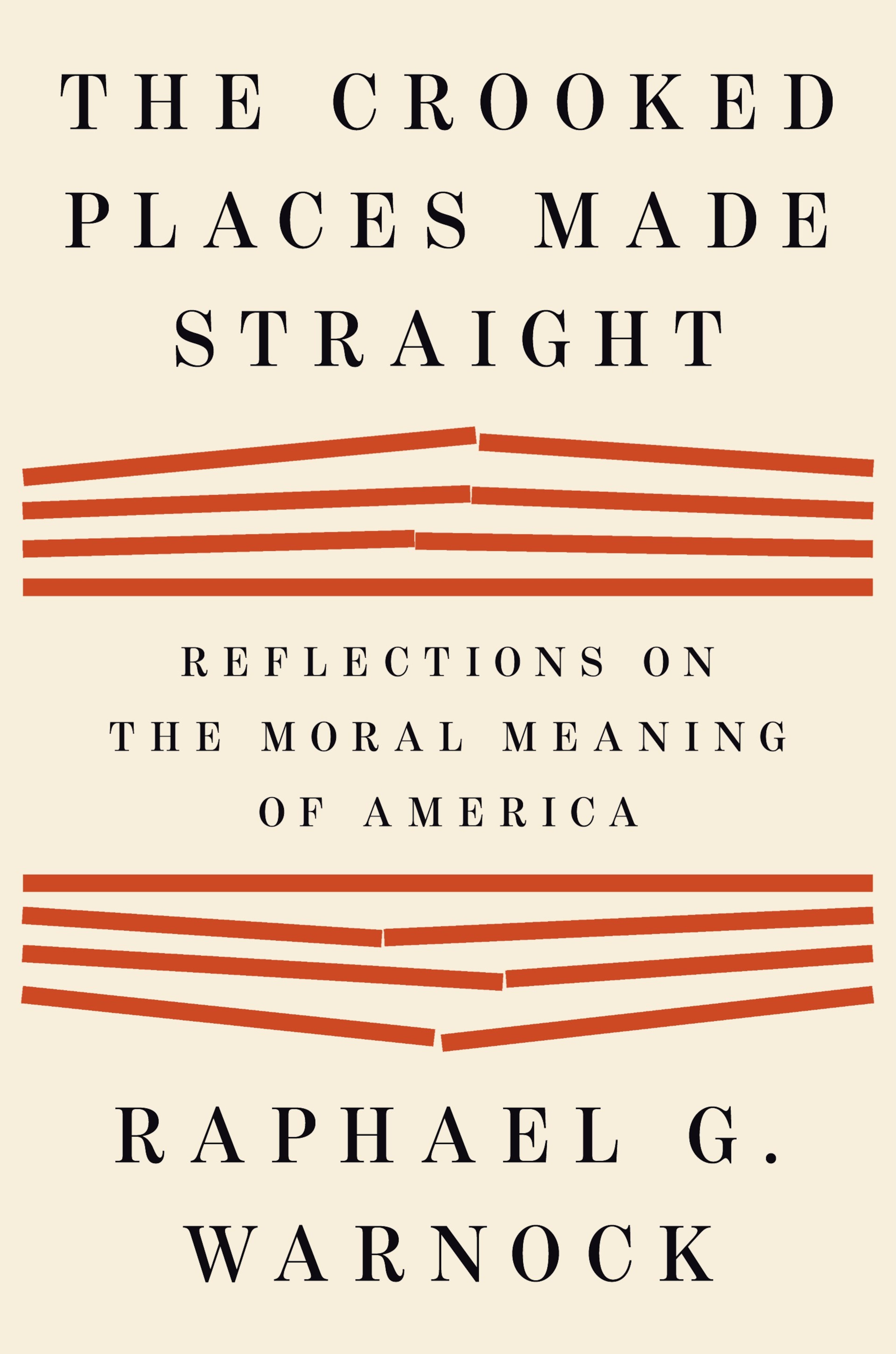
“The Crooked Places Made Straight.” U.S. Sen. Raphael Warnock grew up in public housing and became the first Black United States senator from Georgia. But he draws on his role as senior pastor of Ebenezer Baptist Church to deliver a sermon in book form that identifies “crooked places” in our government and society, such as gerrymandering, gun violence and the unfair distribution of wealth, and offers ways to address the issues. (Penguin Press, out now)

“The Price of Exclusion.” Subtitled “The Pursuit of Healthcare in a Segregated Nation,” journalist Nicole Carr explores the disparity in access to health care between Black and white populations, which was underscored during the COVID-19 pandemic, and the systemic racism in an industry that undervalues Black medical professionals. Charis Books presents Carr in conversation with GPB’s Pamela Kirkland July 7 at the Duluth branch of the Gwinnett County Public Library. For details, go to Gwinnett.org. (Dey Street Books, out now)
Suzanne Van Atten is a columnist for The Atlanta Journal-Constitution. She may be reached at Suzanne.VanAtten@ajc.com.