Southern authors’ new collections pack a punch

A new book by New York Times bestselling author Lauren Groff is always cause for celebration, and “Brawler” (Riverhead Books, $29) does not disappoint.
Based in Gainesville, Florida, where she and her husband run the independent bookstore The Lynx, Groff is a three-time finalist for the National Book Award.
Her novels and short stories span the ages from 12th-century England (“The Matrix”) to 17th-century Jamestown (“The Vaster Wilds”) to present day (“Florida”), but they all share a focus on scrappy women and girls striving for autonomy in an often inhospitable world. Themes of domesticity, the natural world and religion are laced throughout her work.
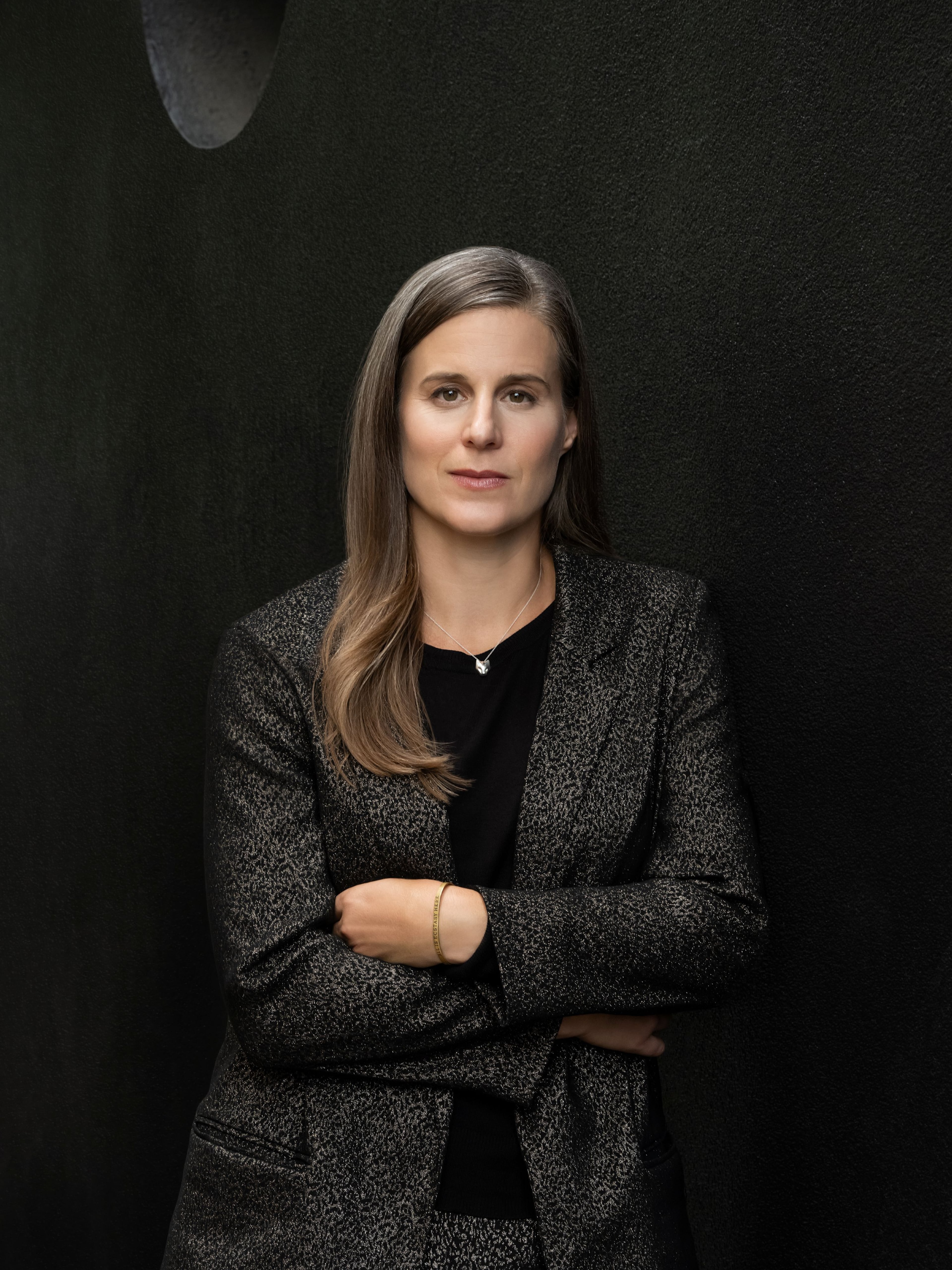
The nine stories that compose “Brawler” transpire during pivotal turning points in the lives of Groff’s deeply complex characters. Immersed in the in-between moments of time that separate a character’s before and after, the reader can’t help but root for these resourceful females as the narrative tension mounts. Fair warning: They don’t always get what they want, and when they do, the outcome isn’t always as they imagined.
The collection opens with “The Wind,” a heart-racing story about a woman plotting her and her children’s escape from her violent husband. Set in the mid-’50s, “To Sunland” follows two orphaned siblings on a bus ride toward separate futures, one in an institution for the mentally disabled and one to college. The titular story “Brawler” paints a desperate portrait of a teenage athlete’s bleak home life. In “Between the Shadow and the Soul,” a recent retiree battling depression jeopardizes her loving marriage “to brush up against the dazzling future again.”
Each one is a gem illuminating the diversity and complexity of women’s hopes and fears.

Oxford, Mississippi, author Beth Ann Fennelly coined a new genre of writing with her 2018 book “Heating & Cooling” ― the micro-memoir. In that slim volume, she explored topics such as marriage, motherhood, family dynamics and death in essays both breezy and profound, ranging in length from a few pages to a single sentence.
“The Irish Goodbye” (W.W. Norton & Co., $22.99) is her second volume of micro-memoirs, and it is equally light-hearted and thought-provoking.
Fennelly’s marriage to author Tom Franklin continues to be a frequent topic, as is aging. Several essays pay homage to Fennelly’s beloved mother-in-law.
The briefest essays often have a jokey quality that makes them feel like an amuse-bouche between weightier entries. For instance, in one titled “Number One Sign You Shouldn’t Send That Letter,” the essay’s single sentence reads: “Your tongue, dragging across the envelope glue, leaves a ghost of Malbec.”
Where Fennelly really shines, though, is in the longer pieces that often take unexpected turns like the 16-pager, “The Stories We Tell About the Stories We Tell.” The essay recounts a year Fennelly spent teaching English in a depressed coal-mining town in the Czech Republic in the early ’90s. Describing herself at the time as “a very smiling, very trying girl,” she was dismayed to find she was “disliked by almost everyone I met.”
When she returns there 20 years later, Fennelly is shocked to receive a warm welcome from her former colleagues in a radically transformed environment, prompting her to question her perspective and memories of that time so long ago.
Stitched throughout “The Irish Goodbye” are essays about Fennelly’s older sister, who died in 2008. Spanning the arc of their time together from childhood to adulthood, Fennelly’s essays paint a heartfelt and prickly portrait of a fiercely competitive but utterly devoted relationship.
In the free verse poem titled “Two Sisters, One Slicing the Cake, One Choosing First,” Fennelly demonstrates her gift for harnessing brevity to deliver an emotional gut-punch. “I miss my mirror enemy,” she writes. “Without you to sharpen myself against, I’ve lost my edge.”
Suzanne Van Atten is a columnist for The Atlanta Journal-Constitution. She may be reached at Suzanne.VanAtten@ajc.com.
About the Author

Suzanne Van Atten is a book critic and contributing editor for The Atlanta Journal-Constitution.


