What the SEC’s and Big Ten’s approval of the Protect College Sports Act means
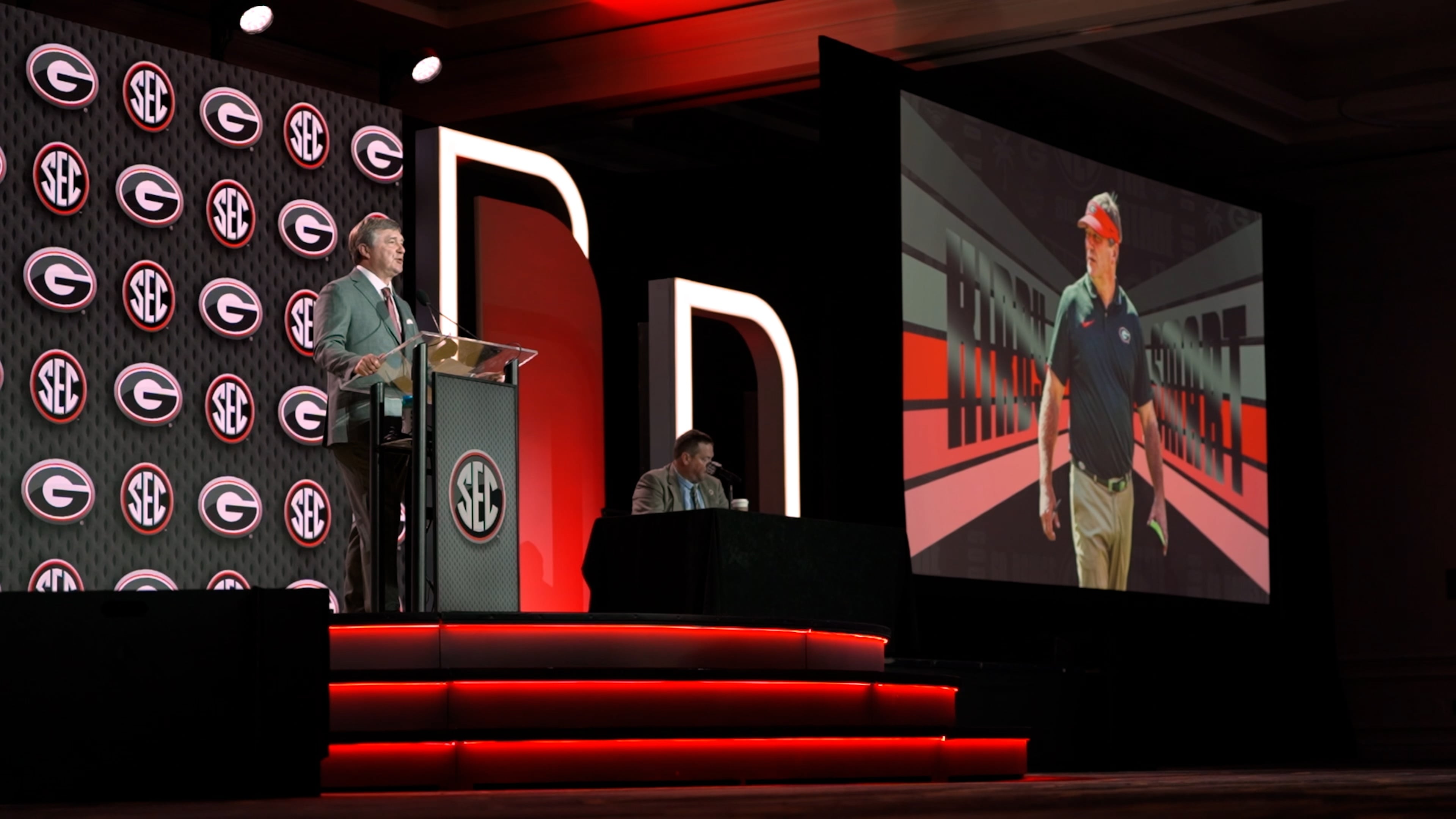
The Protect College Sports Act is expected to be voted on in the Senate this week after the SEC and Big Ten publicly agreed to support it.
The bipartisan bill, co-authored by Republican Sens. Ted Cruz and Eric Schmitt and Democratic Sen. Maria Cantwell, would provide the NCAA and conferences limited antitrust exemptions to create and enforce rules and policies.
Schmitt told Yahoo Sports he anticipates a vote this week, saying, “We have to stay to get it done if that means Friday-Saturday.”
The bill would still need to be passed by the House, however, which means there could be more revisions before it’s voted on there.
The Big Ten, SEC and Notre Dame scrambled to complete an agreement Thursday night and Friday, per Yahoo sources, after President Donald Trump “engaged with stakeholders through intermediaries … .”
The most pivotal adjustment to the bill is a $27.5 million allotment — in addition to the current $21.3 million cap.
Of that $27.5 million, $22.5 million would go for schools to retain players, while another $5 million would be spent on nonrevenue sports and women’s athletics.
The SEC and Big Ten also asked for stronger language in the bill where name, image and likeness third-party rules enforcement is concerned as they relate to third-party deals.
Among the major changes/rules the new bill introduces:
- Athletes would be allowed one penalty-free transfer and eligibility unless there is a head coach firing.
- Athletes’ eligibility would be capped at five years over a five-year span.
- Professional athletes would be banned from returning to college.
- An agent registry would be established, with agents allowed a maximum fee of 5%.
- Coaches would be prohibited from leaving a job for another head coaching job midseason.
- Major conference schools would be prohibited from cutting varsity sports, roster spots or funding for nonrevenue and women’s sports.
- Power conference membership would be capped at 19 schools and would require programs moving from one conference to another to operate as an independent for five years.