New insurance commissioner looks to lower costs without unsettling industry
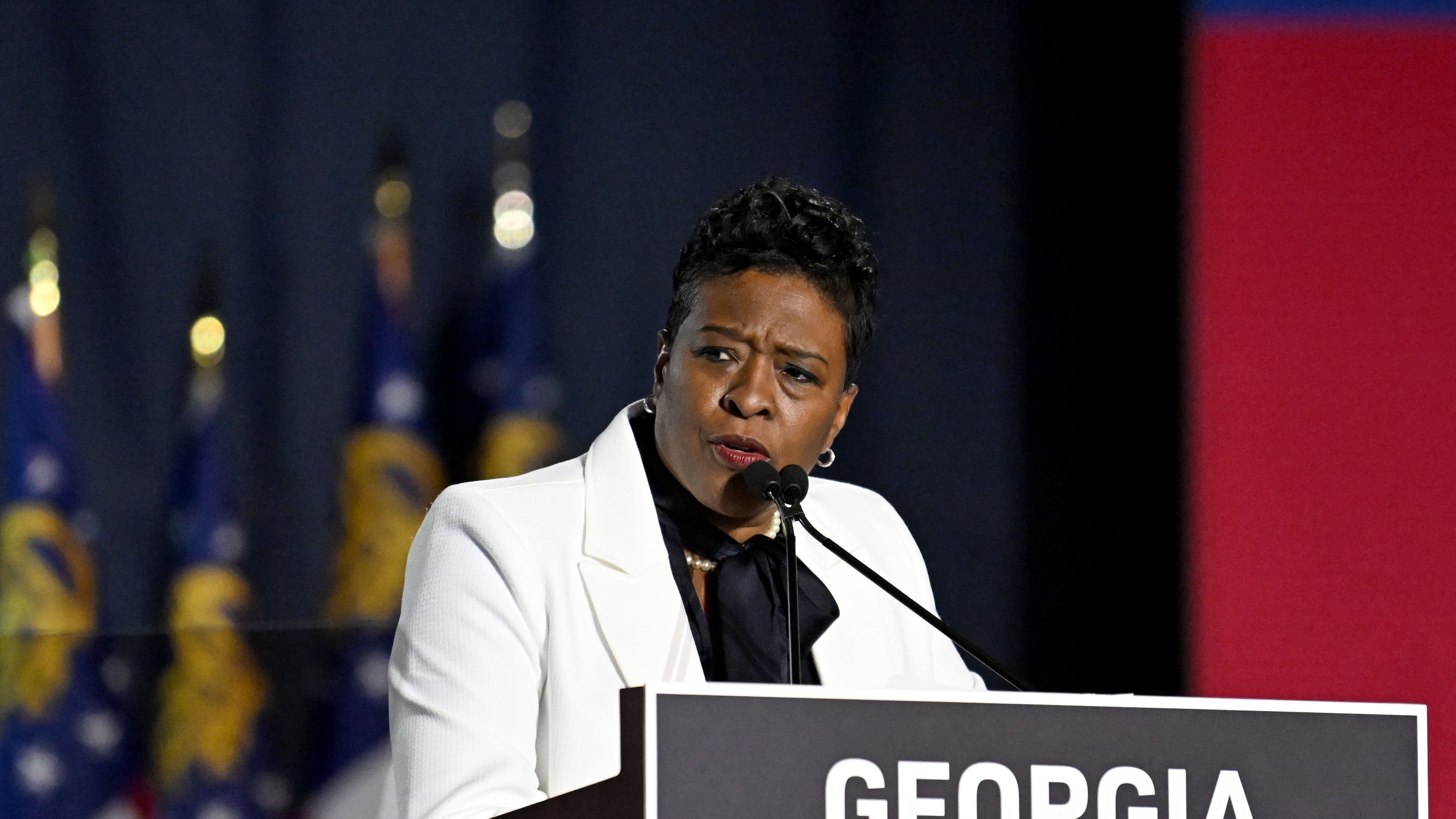

Democrat Keisha Sean Waites campaigned for insurance commissioner on an ambitious agenda that included banning insurers from using ZIP codes and credit scores to set premiums.
Now, after sweeping statewide Democratic victories, she faces the challenge of delivering on voters’ demands for lower costs without angering insurers and driving them out of the state altogether.
In a lengthy interview with The Atlanta Journal-Constitution, Waites said while she’s cautious of upsetting the market, the position ultimately has to prioritize changes that benefit consumers.
“The voters made it very, very clear that there is a mandate, they’re not going to wait a year to get results,” she said. “Within the first 100 days, we have to deliver.”
Georgia’s insurance commissioner is one of only 11 regulators elected by voters across the country. Waites beat her opponent, incumbent Republican Commissioner John King, by more than 358,000 votes while Democrats secured all other statewide constitutional offices.

The office is responsible for licensing agents, making sure insurers don’t overcharge policyholders, responding to consumer complaints and investigating suspected fraud. The office also conducts fire safety inspections of buildings and inspects amusement park rides.
In 2023, state lawmakers passed legislation that gave the insurance commissioner more authority over auto insurance rate hikes.
Waites has authority to review and approve or reject insurance rates, rating plans and underwriting rules across Georgia. She has pledged that “rate filings will face a rigorous process.”
“We simply want to make sure that families don’t feel like an ATM card,” Waites said.
Waites said she’s relying on King’s advice as she transitions into office. But unlike other newly elected officials who have publicly unveiled prominent transition team members, she’s “strategically” keeping her other confidants under wraps — a glimpse into the delicate balancing act of navigating industry interests.
But Waites will need legislative action to make good on her campaign promises. After Democrats secured not only the governor’s office but also a majority in the state House and narrowed the margin in the Senate, party leaders are cautiously optimistic that major changes will pass.
Democratic Gov.-elect Keisha Lance Bottoms has signaled that making more people eligible for Medicaid, the government-funded health insurance program, is a top priority for her administration.
Democrats believe they have enough votes to finally get it done after years of Republican governors blocking the move.

Waites’ office would play a major role in any expansion proposal. She would also be involved in decisions over the future of Gov. Brian Kemp’s Pathways to Coverage program, which makes more people eligible for Medicaid but only if they meet certain requirements like having a job or going to school. She deferred questions about what those conversations may look like to the incoming governor’s team.
“(Bottoms) sets the tone for all of us,” Waites said.
Liz Coyle, executive director of Georgia Watch — a nonprofit consumer advocacy organization — said addressing health insurance disparities should be Democrats’ first goal.
“That is going to be a really important piece for the insurance commissioner here in Georgia to navigate,” she said. “What do we do with all the Georgians who are in that coverage gap?”
The pressure is on for lawmakers this upcoming legislative session to help lower the cost of living, Coyle said, adding that “voters will be watching.”
“People will be looking for real action,” she said. “What Georgians expect, I believe, is for Republicans and Democrats to work together on bipartisan solutions to address the crisis of affordability.”
Insurance industry on watch
Insurance industry leaders are also watching closely to see what kind of proposals Democrats will push during the legislative session that begins in January.
John Barbour, CEO of the Independent Insurance Agents of Georgia, said Georgia already ranks 49th across the country for underwriting profitability — meaning the profit insurers make for writing and pricing policies.
“It’s an optional marketplace, (insurers) do not have to write in the state of Georgia,” he said.
Barbour said changes to ZIP code and credit-score based assessment or other changes “restricting insurance carriers’ abilities to properly rate may have unintended consequences” but sees opportunity for collaboration with the office.
“Commissioner Waites has said that one of the things that she wants to work on is increasing the number of insurers that are writing in Georgia by increasing competition,” he said. “I think that aligns very much with independent agents.”
Georgia wouldn’t be the first state to outlaw using ZIP codes or credit scores in setting premiums for homeowners or auto insurance policies. Waites pointed to other states like California, Hawaii, Massachusetts and Maryland that have instituted various bans.
The incoming commissioner emphasized she wants to examine “non-driving rating factors and geographic pricing disparities,” to ensure auto insurance prices reflect driving behavior but also address the need to mitigate potential market impacts.
“We have seen what happens in places like California and Florida when insurance companies leave in an exodus,” Waites said. “So, we don’t want to do anything that’s going to agitate the market.”
Marc Ragin, associate professor in the C. Herman Terry Risk Management and Insurance Program at the University of Georgia, also pointed to California as a cautionary tale after policies implemented by the insurance regulator and state lawmakers made it hard for insurers to raise rates even if risk increased.
“There are a lot of things that have led to higher costs for insurance companies, and they needed to raise rates,” he said. “And because of the laws in California, they weren’t able to.”
Nationally, Ragin said, there are bright spots for consumers in terms of insurance prices trending down.
“Really, over the last five years, we’ve seen the most significant increases,” he said. “It’s cooled down a little bit in the last two years, 2023 was really the peak of insurance price increases.”
Georgia’s Republican House Speaker Jon Burns also announced last month that more than 40 insurance companies across the state reduced rates this year following changes made in last year’s legislative session.
But for Democrats taking office in January, voter expectations will be difficult to meet.
Waites said her office will publish a “consumer protection report” that includes rate review standards, fire safety readiness initiatives and what legislation the office will advocate for under the Gold Dome.
“High insurance bills don’t check party registrations before arriving in the mailbox,” she said. “That means whether you’re a Republican, whether you’re a Democrat, or an independent, all families across Georgia are demanding relief.”