For Georgia, expanding Medicaid will look a lot different from before
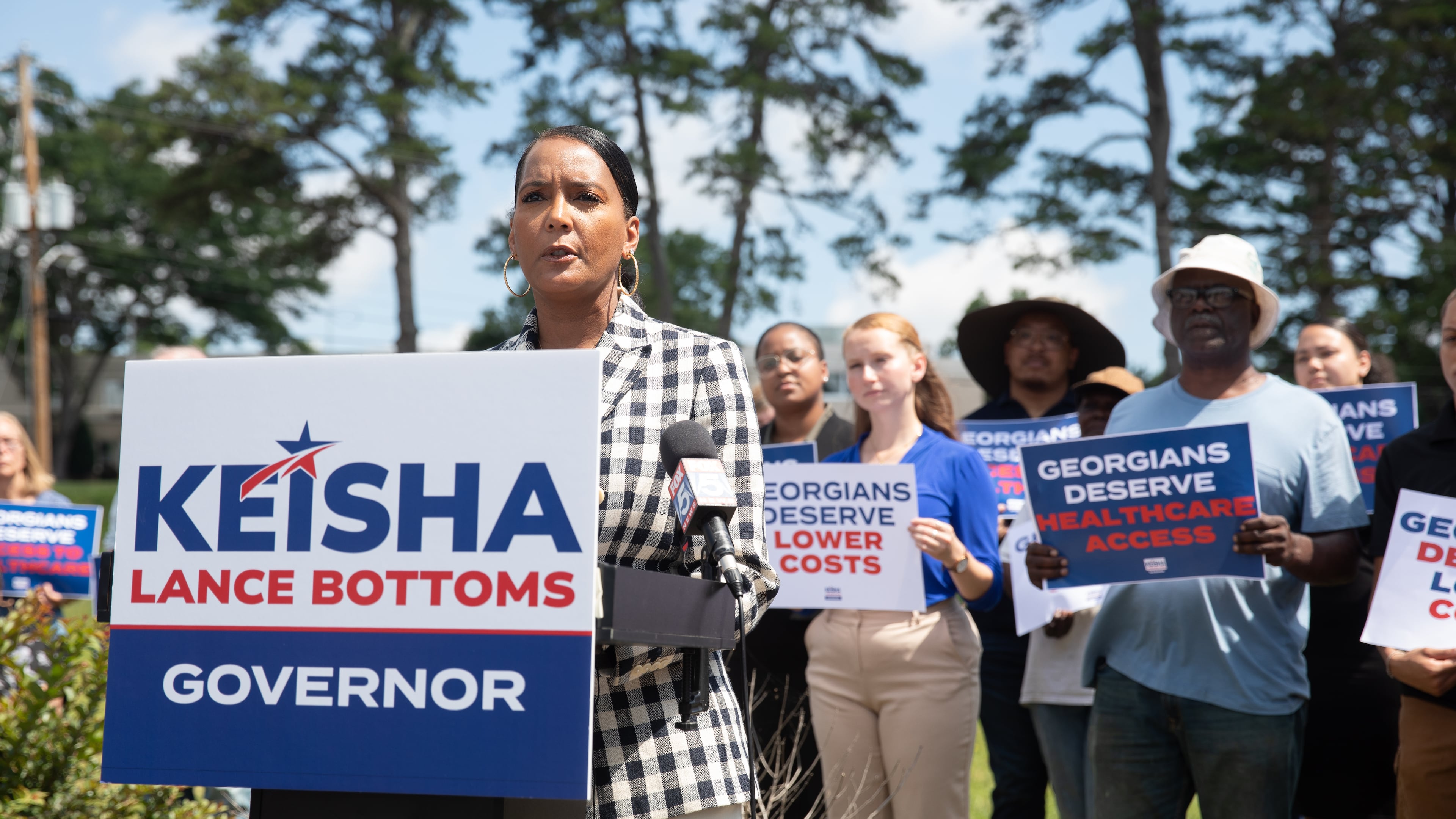
Governor-elect Keisha Lance Bottoms has put Medicaid expansion at the center of her agenda when she takes office in January.
But even if Georgia’s first Democratic governor in a generation can steer such a proposal through the politically divided General Assembly, expanding Medicaid will look much different than had the state done so even a few years ago.
Georgia would be the first state to expand since Trump signed the One Big Beautiful Bill Act into law in 2025. That massive tax and healthcare package made sweeping changes to Medicaid that are projected to reduce program spending by roughly $1 trillion in the years to come.
Among those changes: new work requirements that are set to take effect in January, though the Trump administration said Friday it would allow states the option of delaying enforcement for six months.
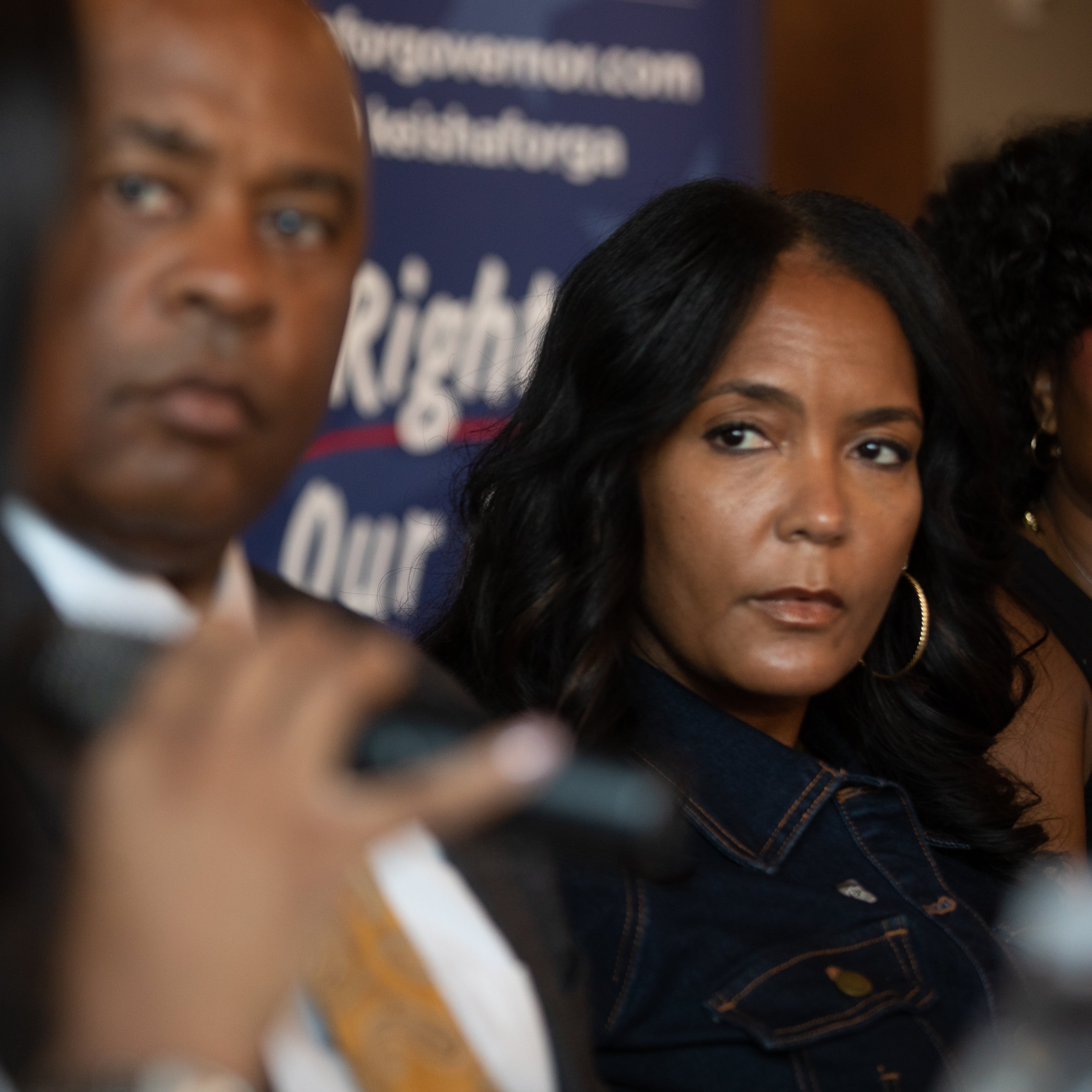
Previous estimates found that Georgia could cover somewhere between 293,000 and 453,000 additional uninsured people if leaders expanded Medicaid to adults making up to 138% of the federal poverty level, or roughly $22,000 per year for an individual in 2026.
But those numbers are expected to shift downward because of the work requirements and other red tape in the One Big Beautiful Bill Act.
Democrats are pushing to reverse some of those changes with their new majorities on Capitol Hill, but questions remain about how quickly, and how extensively, they could act.
Meanwhile, there are real questions about whether Georgia Pathways to Coverage, Gov. Brian Kemp’s more limited expansion program, will continue to exist after its current waiver expires at the end of the year — and what would happen to its roughly 21,000 participants.
“It’s an interesting time,” said Leah Chan, director of health justice at the left-leaning Georgia Budget and Policy Institute. “All of it will be revealed within the next month and a half, essentially.”

Path forward for Pathways?
In 2024, Medicaid and PeachCare for Kids covered a combined 1.8 million Georgians, including 37% of children in the state and 71% of nursing home residents, according to KFF, a nonprofit health policy research, polling, and news organization.
Medicaid spending in the state was roughly $15 billion, and the federal government covered two-thirds of the cost. If Georgia were to expand Medicaid, Washington would pick up 90% of that tab.
Bottoms has promised that one of her first actions once she’s sworn in will be to sign an executive order directing state agencies to prepare for an expansion.
She will likely need to make another quick healthcare decision: what to do about Pathways.
Launched in 2023, the program focuses on Georgians earning less than 100% of the federal poverty level and includes an 80-hour-per-month work, volunteer or schooling requirement. Its implementation has been marred by technical issues and it currently enrolls only a fraction of the 90,000 Georgians the governor’s office once projected it would.
The Kemp administration recently sought a multiyear program extension from the White House and is waiting to hear back. It also requested that Washington grow it’s share of the price tag from two-thirds to 90%.
The state asked for the additional money because of the new national work requirements in the One Big Beautiful Bill Act, which offer more generous exemptions to the Medicaid work requirements than Georgia currently does. Certain caregivers, the medically frail and people in drug or alcohol treatment programs are among the new categories of people who can get around the work requirement.
The state Department of Community Health estimated that once the new requirements are put into place, Pathways could grow six times its current size to nearly 120,000 people by June 2028. The Kemp administration warned that without the extra money from Washington, the state would “have no alternative but to make decisions that imperil health policy goals around personal responsibility and healthy choices.”
“The financial burden of this federally-mandated coverage expansion is simply not sustainable for Georgia in the long run,” Department of Community Health officials told the feds.
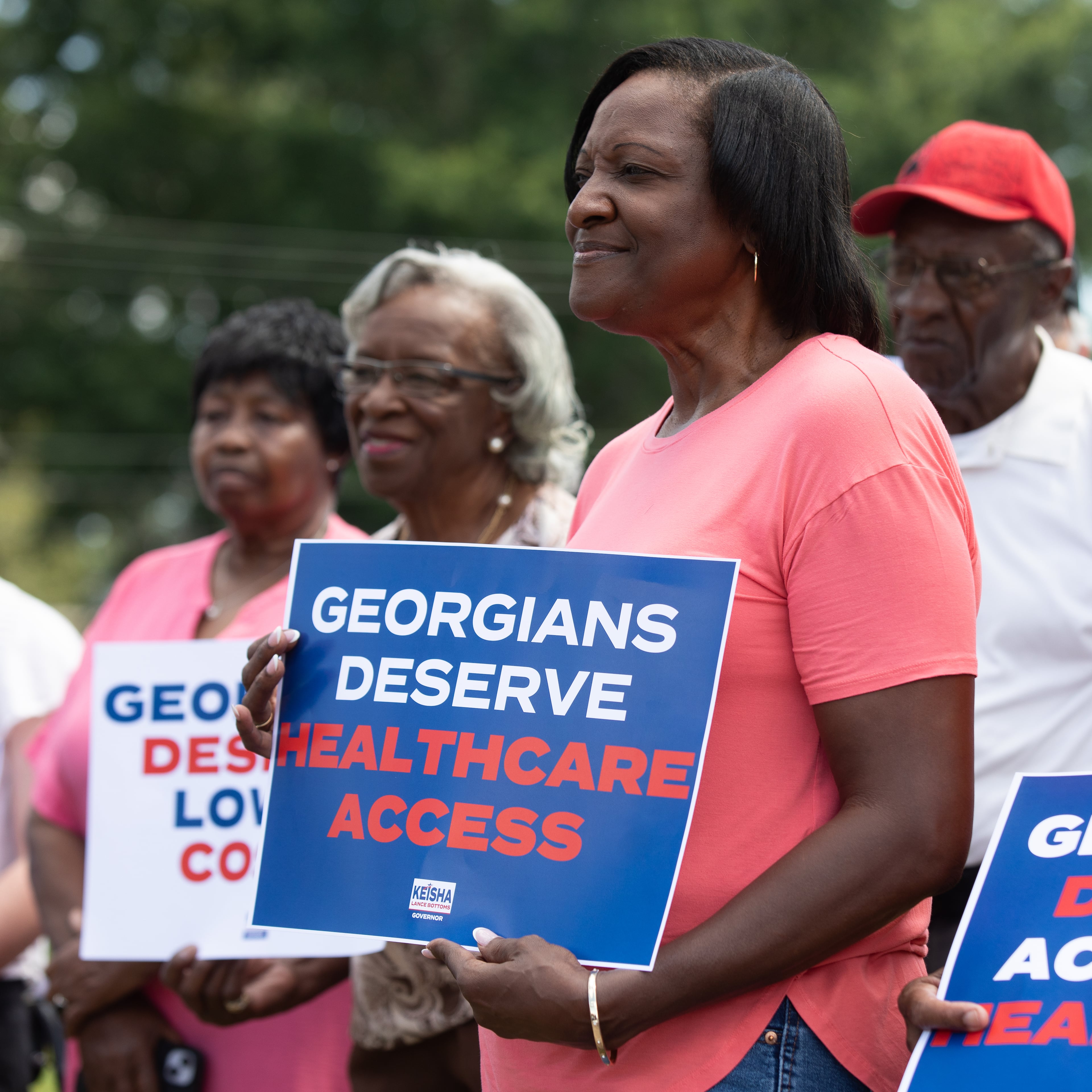
Bottoms has made clear she is no fan of Pathways, which her campaign described as a “costly boondoggle.”
But if Pathways is allowed to expire at the end of the year, or if the Trump administration doesn’t up the federal contribution, there is a real question of what would happen to the program and the people it serves.
DCH officials declined to comment about Pathways’ fate.
Paloma Morales, Bottoms’ transition spokesperson, said the incoming governor will move to pass Medicaid expansion during the upcoming legislative session and “take action to cut Pathways’ red tape until full expansion is in place.”
“Governor-elect Bottoms believes that no Georgian should lose their health coverage because of red tape, and she will use every tool the state has to keep eligible families covered,” Morales said.

Layering programs
Should the Legislature endorse Medicaid expansion, Georgia would need to mesh its program with the new requirements in the One Big Beautiful Bill Act.
“There are all these technical considerations” that come with layering an expansion to the new requirements, said Chris Denson, director of policy and research at the right-leaning Georgia Public Policy Foundation, which has advocated against a full expansion.
That includes a twice-a-year requirement to check enrollees’ eligibility for the program, which critics warn will prevent some eligible people from gaining or maintaining coverage due to the more frequent paperwork.
Robin Rudowitz, a senior vice president at KFF, said Georgia could have an easier time adapting because of Pathways.
“I think a lot of states are struggling to implement because they have not done work requirements. So Georgia is somewhat ahead of other states in terms of being able to implement a lot of these new provisions because they’ve been doing it,” Rudowitz said.
Roughly a dozen Democrats on Capitol Hill, including Georgia U.S. Sen. Raphael Warnock, recently called on Senate leaders to delay the national work requirements for two years.
“The midterm results reveal a clear message: the American people are hurting, and we must do what we can to alleviate and prevent further harm,” Warnock and his colleagues wrote in a recent letter to leaders of the chamber.
But even with their new majorities in Congress, the Democrats do not have enough votes on their own to override a presidential veto. So it’s unclear how much they could accomplish, even if they can employ a budgetary maneuver to dodge a Republican filibuster in the Senate.
The One Big Beautiful Bill Act also queued up funding cuts that make Medicaid expansion less attractive than before by slashing funding for an expansion incentive program and reducing a multi-billion-dollar funding stream on which Georgia hospitals are very reliant.
Even with the feds picking 90% of expansion costs, Denson of the Georgia Public Policy Foundation warned it could be hard on the state’s coffers to cover the remainder, which he estimated could total $200 million to $300 million a year.
But Chan of the Georgia Budget and Policy Institute said with hundreds of thousands of Georgians falling within the health insurance coverage gap, “the most fiscally responsible decision for Georgia would be more covered lives in our state.”