Outside groups spend millions on Georgia legislative races


Outside groups have spent $5 million in recent months on Georgia legislative races as Democrats try to take control of the state House of Representatives and flip some state Senate seats.
Liberal groups like Planned Parenthood have sunk $1.4 million into legislative races since August, according to disclosure reports filed with the state. Conservative groups — some bankrolled by the California tech industry — have countered with $3.6 million in spending.
Most of the spending is concentrated in suburban districts held by Republican incumbents — the kind of seats Democrats need to flip to win control of the state House. University of Georgia political science professor Charles Bullock said that remains a long shot, but it’s not out of the question.
“These districts looked like they were secure for Republicans,” Bullock said. “Because of population shifts and changing attitudes about (President) Donald Trump, maybe not now. The movement of a few hundred voters might make a difference.”
The outside spending on legislative races comes as an Atlanta Journal-Constitution survey shows the governor’s race and other statewide races are deadlocked. The survey suggests Democrats have a chance to break Republicans’ generation-long lock on state government.
The independent spending suggests some groups believe key legislative races also are in play. Under Georgia law, outside groups can spend unlimited amounts to advocate for or against candidates, but they cannot coordinate their efforts with the candidates.
Recent campaign spending reports show:
- Planned Parenthood is the biggest spender on behalf of Democratic candidates with about $613,000. The group has targeted Republicans who supported Georgia’s 2019 abortion law. That law bans abortions after fetal cardiac activity, which can be as early as six weeks of pregnancy. Other top outside spenders on Democratic candidates include American Future ($443,000), a group backed by the sports-betting industry, and Care in Action ($142,000), which supports domestic workers like nannies, house cleaners and personal care providers.
- First Amendment LLC is the top spender on behalf of Republican candidates with about $2 million. The group gets its funding from California tech investor Scott Bannister. Other top spenders include Forge the Future Project ($612,000), which gets its funding from Facebook and Instagram parent company Meta Platforms; and AFC Victory Fund ($235,000), which promotes school choice initiatives.
- Independent spending is concentrated in 11 House races and four Senate contests. Most of those are in the Atlanta suburbs — territory that has drifted decisively toward Democrats over the last decade.
- Among the Republican incumbents targeted by liberal groups are state Reps. Sandy Donatucci, R-Buford, Scott Hilton, R-Peachtree Corners; Don Parsons, R-Marietta; and Matt Reeves, R-Duluth. The Senate targets include state Sens. Ed Setzler, R-Acworth; and Shawn Still, R-Suwanee.
- Conservative groups have targeted Democratic incumbent state Reps. Eric Gisler, D-Watkinsville, Tangie Herring, D-Macon, and state Rep. Ruwa Romman, D-Duluth, who is running for an open state Senate seat.

Hilton, the Peachtree Corners Republican, said the growing attention to legislative races is “fascinating,” and he believes his race may determine which party controls the House come January. But he said he’s not worried about the outcome.
“For someone like myself, who is a three-term incumbent, you’ve built a reputation in the community,” Hilton said. “When folks get these flyers, they roll their eyes and throw them away.”
Hilton’s Democratic opponent, Adam Cleveland, said the outside spending indicates “how Georgia goes, so goes the country.” He said he’s proud to be supported by groups like Planned Parenthood. But he’s also experienced what it’s like to be a target — Cleveland said he’s seen far more negative ads about himself than positive ones.
“It’s been pretty eye-opening about the financial capabilities of Democrats compared to Republicans,” he said.
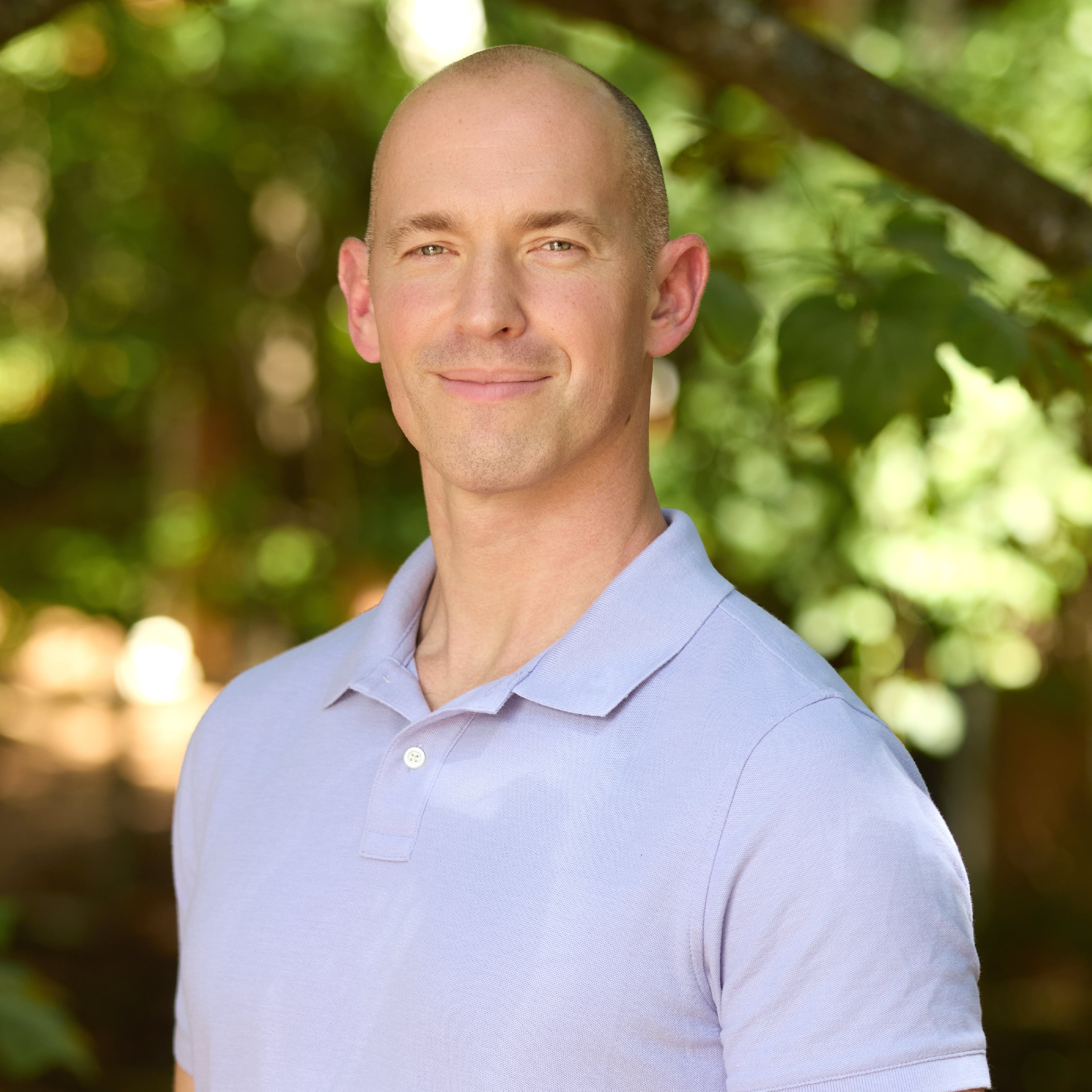
Care in Action Executive Director Jenn Stowe said Georgia is home to nearly 40,000 domestic workers and an estimated 2.5 million family caregivers. She said her group supports candidates who want to protect Medicaid funding, raise wages for care workers and make care more affordable and accessible.
“Investing in Georgia is a no-brainer when you consider what’s at stake,” Stowe said in a written statement to The Atlanta Journal-Constitution.
AFC Victory Fund has endorsed Republicans who support school choice legislation, which often uses public money to help families attend private schools. Chief State Strategy Officer Ryan Cantrell said the group is “investing in state legislative races that we feel are paramount to that mission.”
“Georgia voters need to know where candidates stand on school choice up and down the ballot, and we seek to engage in races that we believe will strengthen educational freedom policy,” Cantrell said.
Bullock said the independent spending is further evidence that Georgia is drifting from a solidly Republican state to something like a 50-50 partisan split.
In the past, he said legislative races got little attention, and candidates often can’t afford to spend much. That makes the influx of outside spending potentially decisive.
“It used to be these were very low-level affairs,” Bullock said. “Now someone is spending $100,000. Wow, that sounds crazy.”