Battle over Fulton County election board reaches Georgia Supreme Court

Julie Adams refused to certify the county’s 2024 primary election results as required by law. Jason Frazier challenged the eligibility of thousands of Fulton County voters who turned out to be legally registered.
Now the Georgia Supreme Court will decide whether Fulton County must accept them as members of the board that oversees county elections.
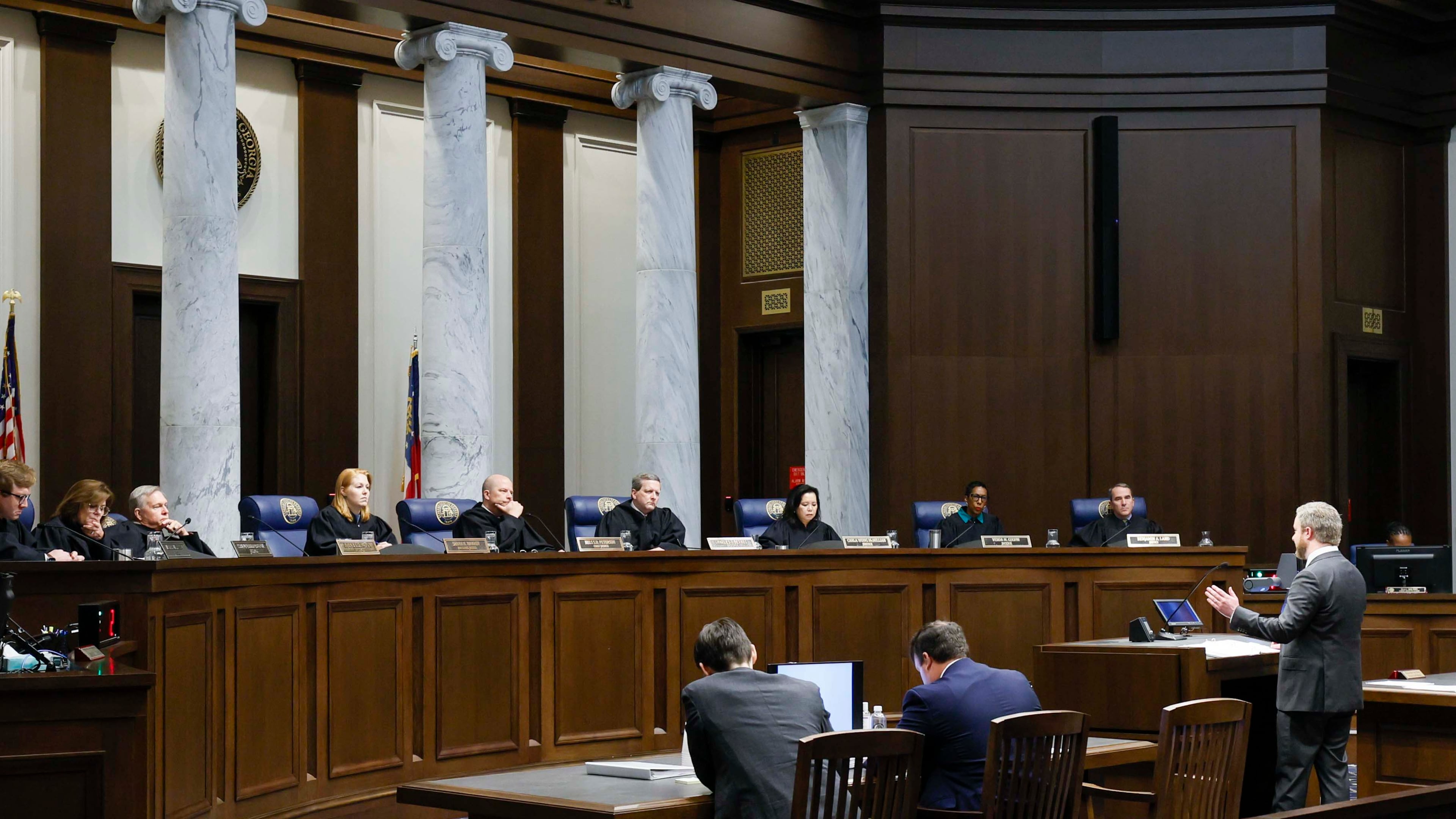
On Wednesday, Justin Gunter, a lawyer for the Fulton County Republican Party, told the court that state law requires the County Commission to accept party nominees who meet minimum qualifications, including Adams and Frazier. He said the commission’s rejection of the nominees last year threatens to undermine the long history of bipartisan election boards in Georgia.
“No (state) constitutional provision creates a constitutional right to discretion in appointments,” Gunter told the justices.
Don Samuel, the county’s lawyer, argued the Georgia Constitution and court precedents grant the County Commission the discretion to say “no” to nominees it deems unfit to serve. He said the Republican Party can submit other nominees for consideration.
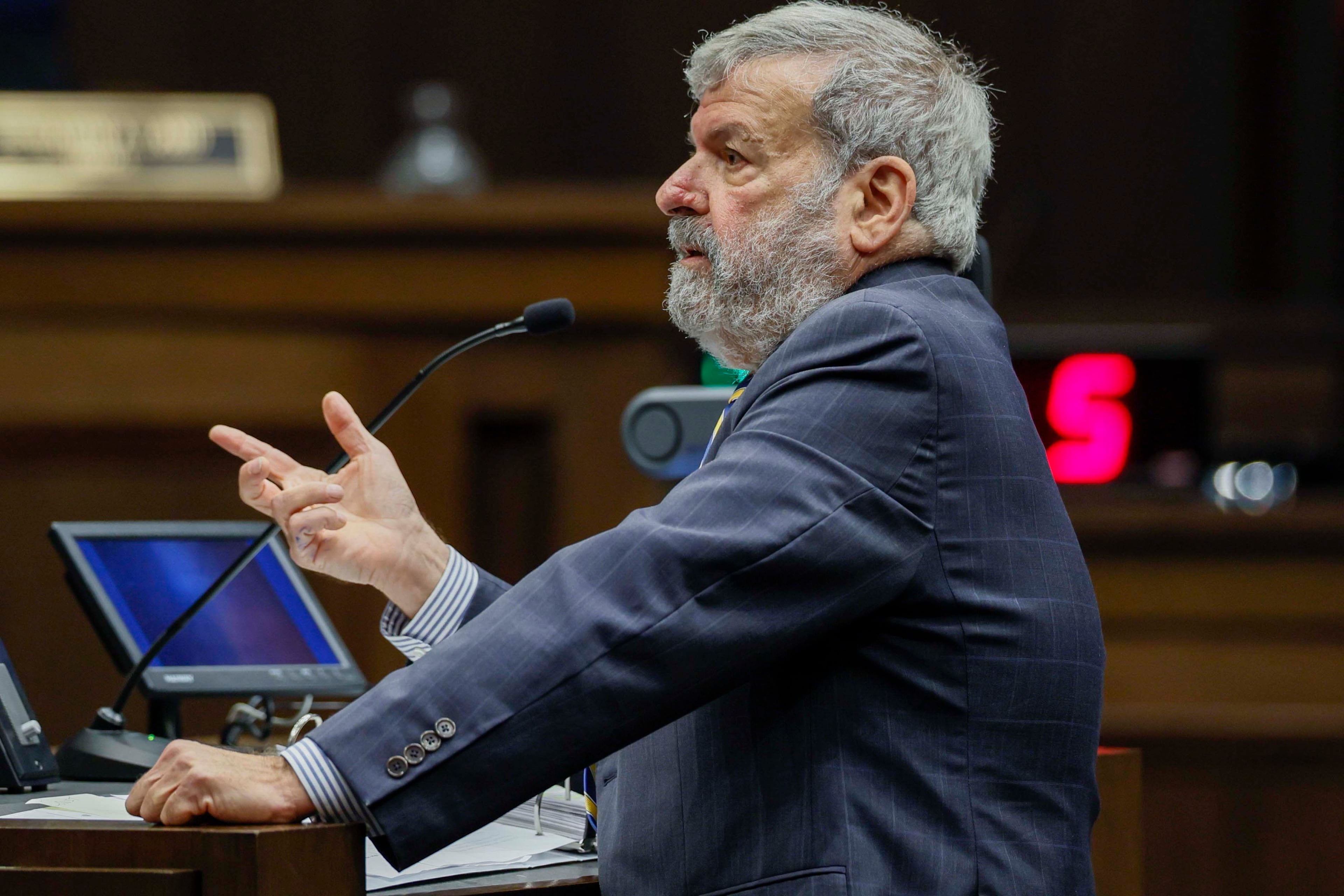
“You have to submit nominees that are going to be acceptable,” Samuel said.
Wednesday’s hearing was the latest skirmish in a long-running dispute over the composition of the election board in Georgia’s most populous county. Under state law, the board is composed of two members each nominated by the Democratic and Republican parties and a chair approved by the Board of Commissioners, which has long been controlled by Democrats.
The bipartisan composition of the board gives both major parties a role in overseeing elections — in theory increasing confidence in the election process and results.
But the board has become a battleground in the years since President Donald Trump falsely claimed the 2020 election was stolen and pinned the blame on Fulton County.
In 2023, the county GOP nominated Frazier to the board. He had challenged the registrations of nearly 10,000 county voters, saying he wanted to prevent potential election fraud by identifying duplicate registrations or voters who might not live where they’re registered.
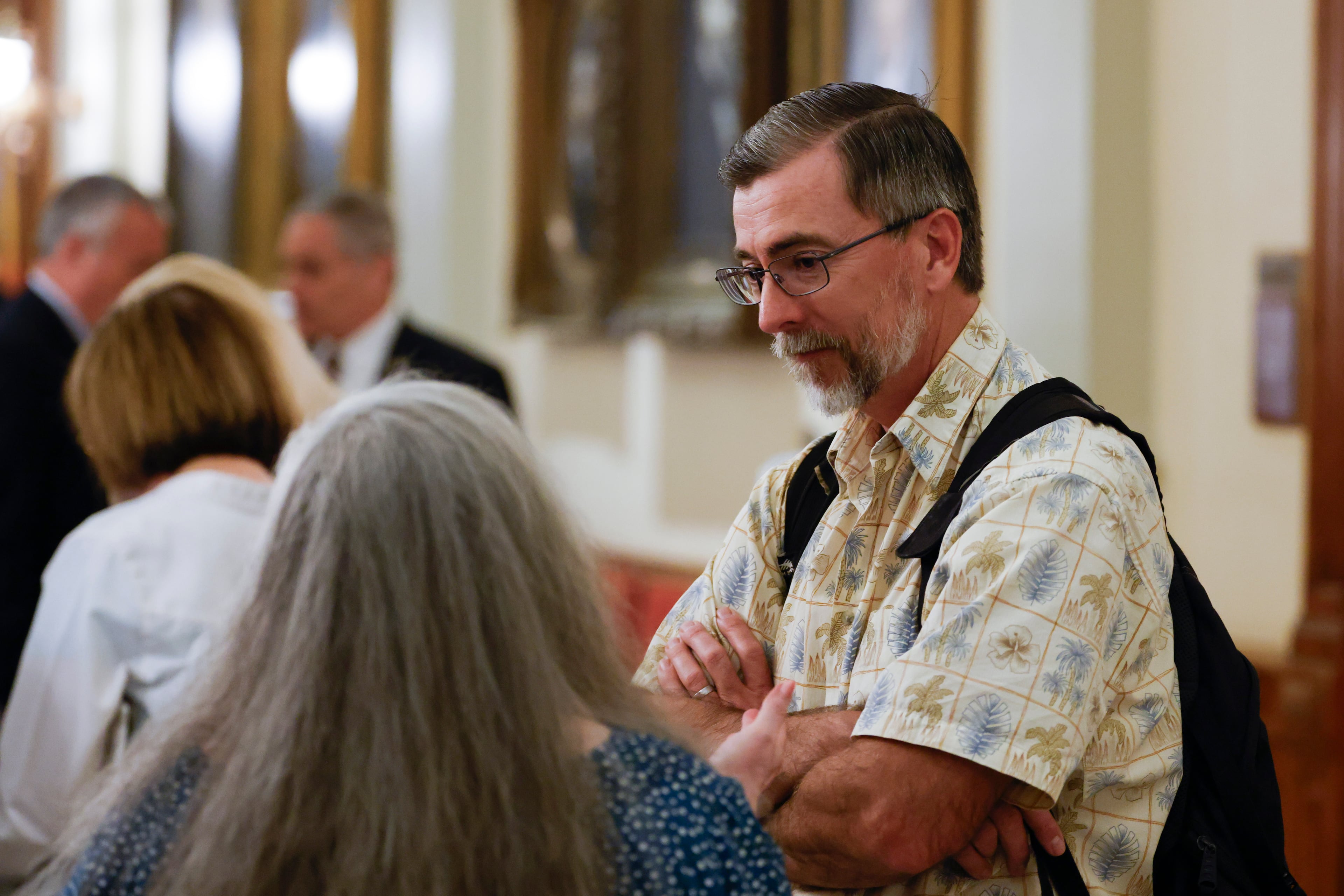
A county review confirmed the vast majority of challenged registrations were legitimate. Many of the addresses of voters Frazier had questioned turned out to be college dormitories, newly built apartments or mixed-use developments. Others had addresses with typos, which election officials corrected. The review found no illegal voting.
County commissioners rejected Frazier’s nomination, saying his voter challenges undermined confidence in elections. The GOP sued but later withdrew the lawsuit and nominated Adams, whom the commission approved to sit on the election board in 2024.
Last year the GOP again nominated Frazier to the election board and renominated Adams.
Adams had refused to certify the results of the 2024 presidential primary, saying she needed to review reams of detailed election documents. She later sued the county, claiming she had the right to refuse certification. Judges disagreed, ruling that election board members must certify results even if they don’t trust the outcome.

The County Commission rejected both nominees, and the GOP filed another lawsuit.
A Superior Court judge ruled against the county, saying state law required Fulton officials to accept the GOP nominees. And he held commissioners in civil contempt when they still refused to approve Adams and Frazier.
But the Georgia Court of Appeals sided with the county, saying commissioners have the authority to reject nominees.
On Wednesday, Gunter argued that the state law establishing the election board grants the County Commission no discretion to refuse party nominees who meet the minimum qualifications — they must be county residents and cannot be an elected official or candidate for public office.
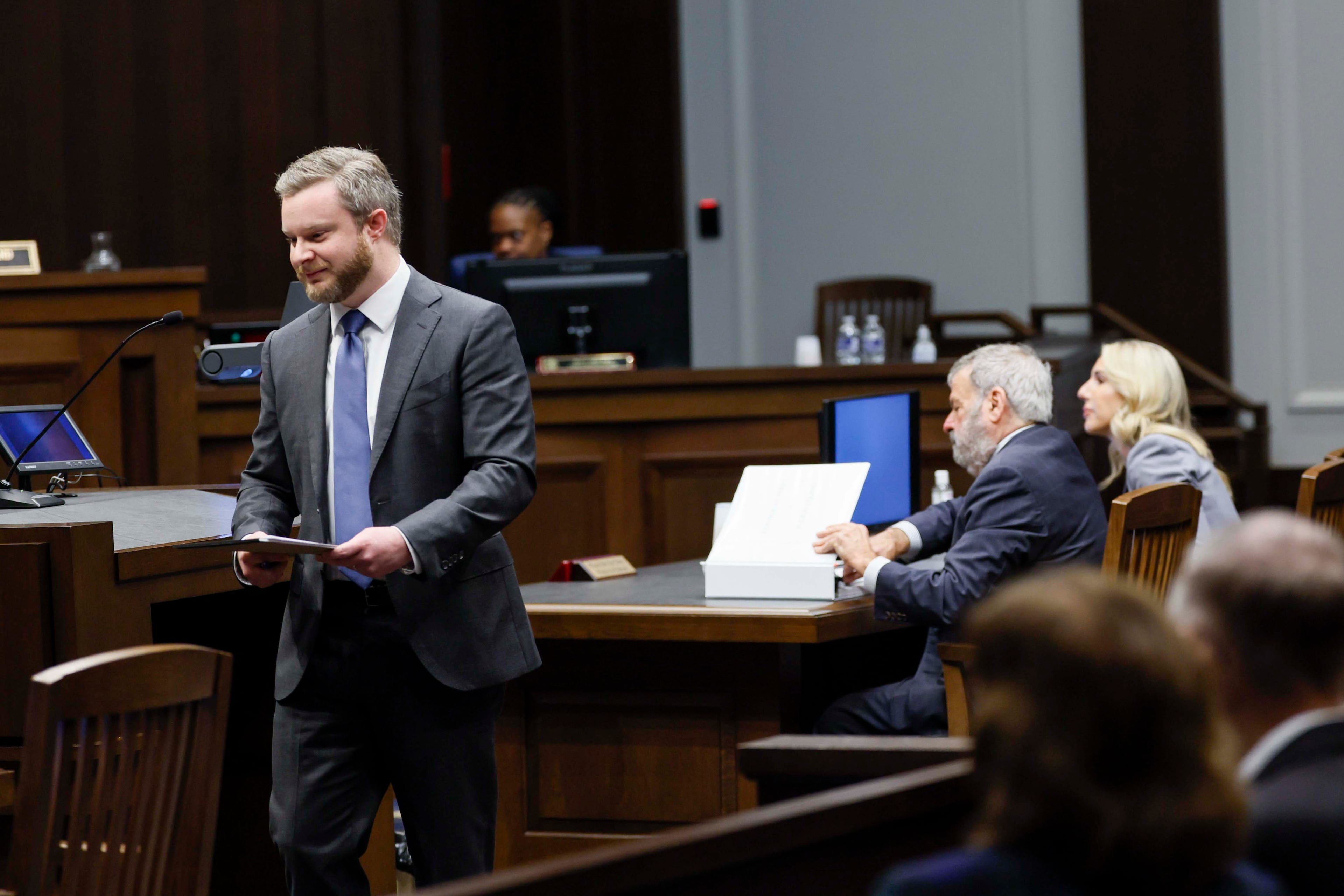
Samuel argued the commissioners have the authority to reject nominees and that the appointment authority cannot be outsourced to political parties.
Several Georgia Supreme Court justices suggested the system of appointing members of the Fulton County election board may be unconstitutional. They cited the court’s previous unanimous ruling in a 1979 case that the governor’s appointments to a state medical examiners board could not be limited to nominees from a private medical association.
But justices also noted that establishing bipartisan election boards could be good policy if there were a way to do it without limiting the discretion of elected officials accountable to the public.
The justices must release an opinion in the Fulton County case by the end of March.