Georgia lawmakers debate access to mug shots, police video
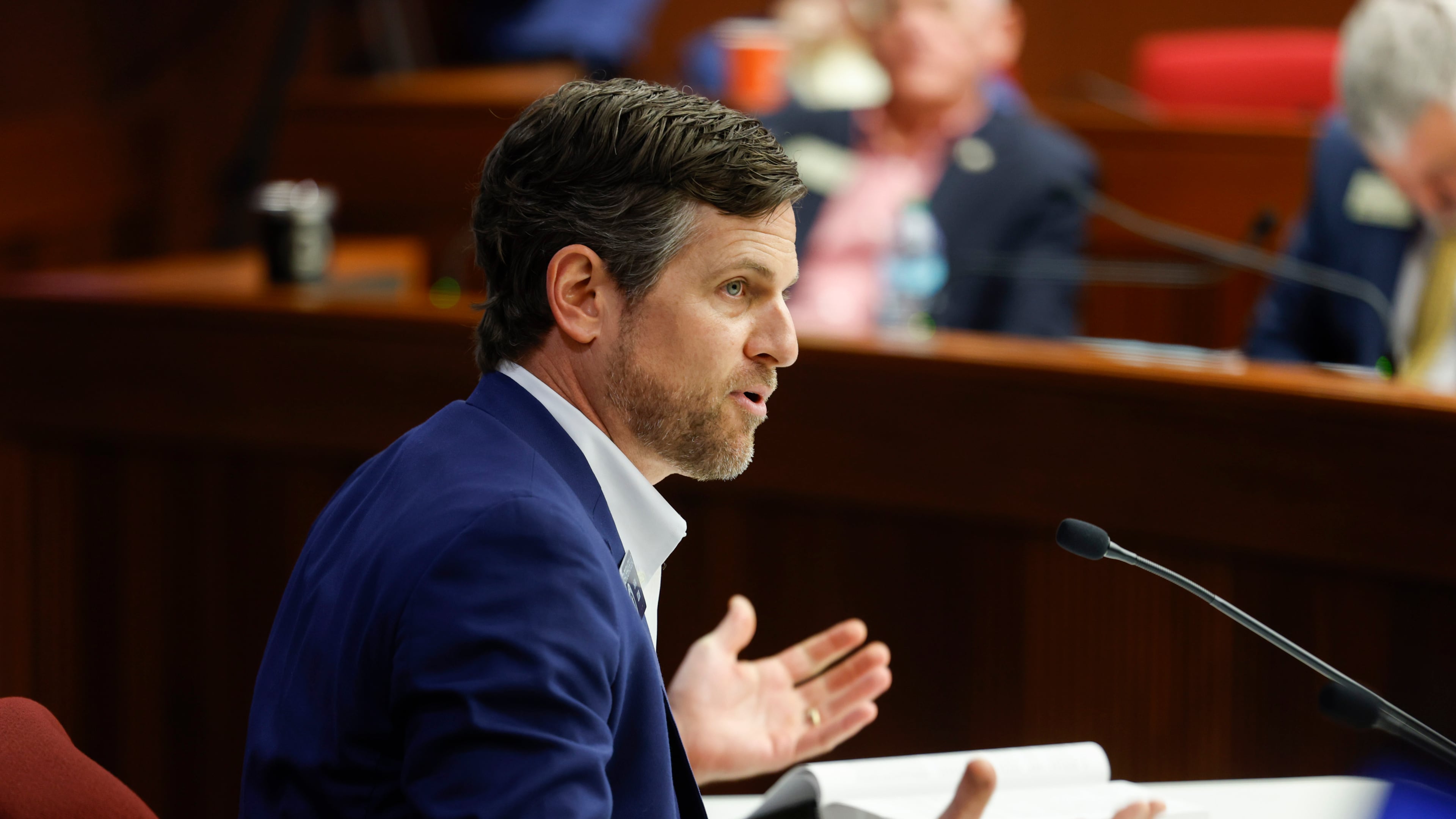
Georgia lawmakers Tuesday wrestled with how to preserve public access to mug shots and police video while protecting the people portrayed in those images from online exploitation.
Senate Bill 482 would make it harder for the public to obtain this material by requiring people to request it in person. Plus, requesters would have to identify by name everyone in the photos or videos, possibly including bystanders. And they would have to sign notarized statements promising to comply with the laws governing the material.
Press advocates have said the bill would make it practically impossible for the public to access police videos and mug shots. They are especially worried about accessing footage from body cameras worn by police officers. That footage is often important to hold police accountable or to shed light on matters of intense public interest, such as the January FBI raid on the Fulton County election office.
Lawmakers expressed support on Tuesday for an amendment that would exempt members of the Georgia Press Association and the Georgia Association of Broadcasters, which represent mainstream news organizations.
Another proposed amendment would let people request video from a certain day, time and location — not just by the name of the people involved.
The committee is expected to consider a revised bill on Thursday. To have a chance at becoming law, the Legislature must pass it by April 2.
Supporters said the legislation is needed to protect people from nontraditional media outlets whose sole purpose is to post these images online. These outlets make money by either selling advertising or, in violation of state law, demand people pay them to take the images down. In some cases, the people depicted in these mug shots or videos are never convicted of a crime.
“People should not be victimized further because people want to make a profit off of it,” Forsyth County Sheriff Ron Freeman told the House Public Safety and Homeland Security Committee.
Others, including some lawmakers, wondered about the costs of making it harder for the public access to police images. Rep. Rick Jasperse, R-Jasper, noted that online mug shots might allow someone to identify a neighbor “arrested as a pedophile.”
“It limits the public’s ability to know,” Jasperse said.
The General Assembly has been wrestling with the availability of online mug shots for more than a decade. In 2013, lawmakers passed a law prohibiting anyone from charging to have a mug shot removed from a website if the person is not convicted of a crime.
When that proved ineffective, they passed another law the following year that prohibits police from posting mug shots online and requires written requests for the photos.

But some websites continue to request all mug shots from police departments and publish them online, often earning money from advertising revenue. That’s why Sen. Brian Strickland, R-McDonough, proposed this bill.
The legislation also limits access to police videos, such as body camera or dashcam video. Suwanee Police Chief Cass Mooney told the committee the people portrayed in such videos are often victims, witnesses or bystanders.
“Their most vulnerable and private moments can be exposed to the public,” Mooney said.
Steve Tippins, an attorney for the Georgia Gazette, which publishes mug shots, told lawmakers that good things also come from sharing such images. He said police have solved crimes by using the publication’s mug shots, and a Georgia woman with children found out someone she’d been dating had been arrested for child molestation.
About the Author

David Wickert writes about the state budget, finance and voting issues. Previously, he covered local government and politics in Gwinnett and Fulton counties. Before moving to Atlanta, he worked at newspapers in Illinois, Tennessee, Virginia and Washington.


