Georgia bill would make it harder to obtain police bodycam footage
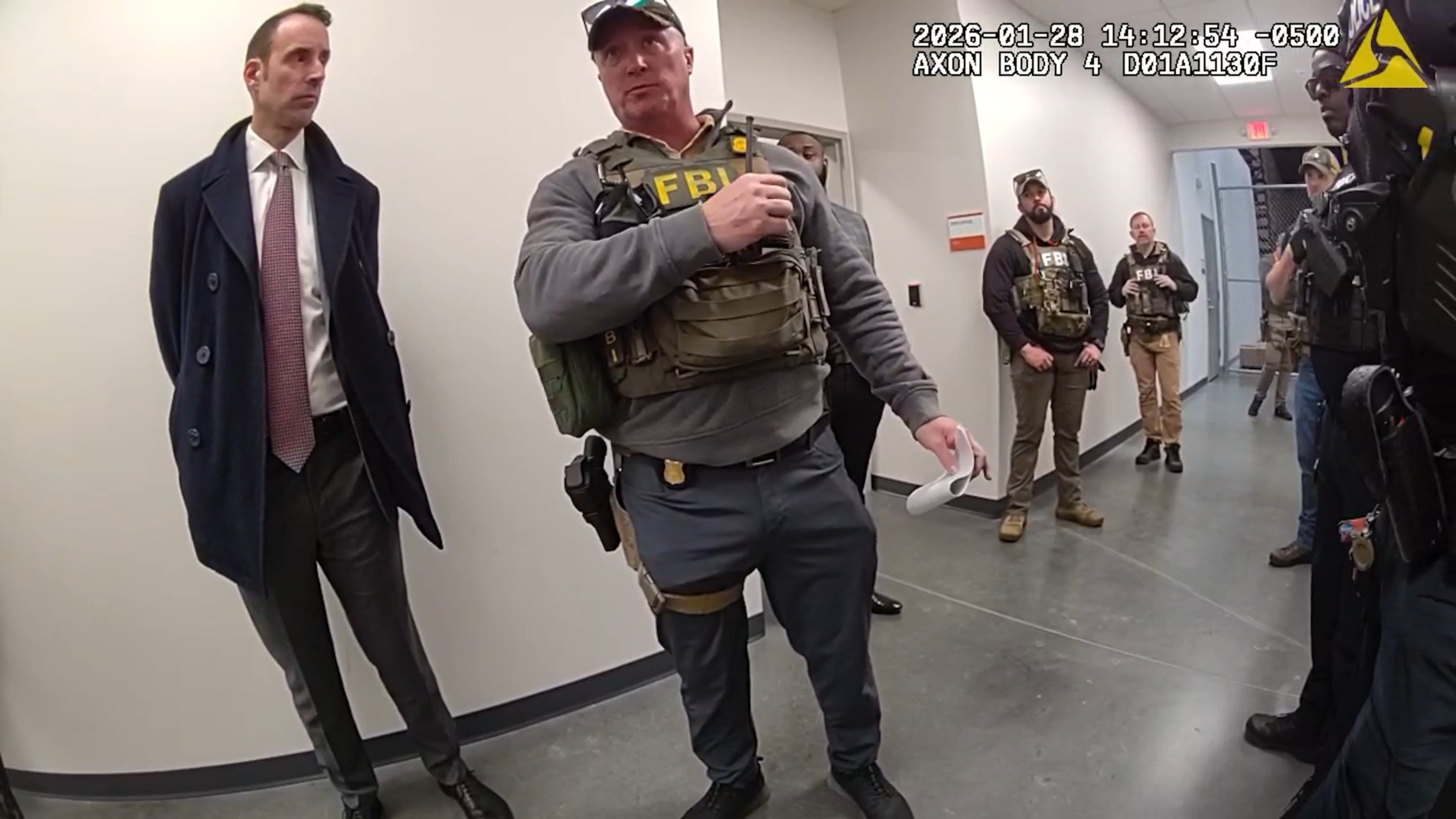
Georgia lawmakers may make it harder to obtain mug shots and body camera video from local police.
Under Senate Bill 482 police would only release such material if the requester shows up in person with a notarized statement promising to comply with laws governing the material. It also would require the requester to identify by name the people in the photos and video they’re requesting, possibly including bystanders.
Opponents say the bill would make it practically impossible for news organizations and the public to obtain images and video that could hold police accountable for officer-involved shootings or other incidents.
“Now the video evidence — the best evidence of what happened — is not going to be available,” said Sarah Brewerton-Palmer, an attorney and board member at the Georgia First Amendment Foundation.
The bill is the latest effort to counter websites that profit from publishing mug shots and police footage. Supporters say those sites prey on people who may never be convicted of a crime or who are unable to put minor convictions behind them because their images continues to circulate online.
“They walk away from the legal experience thinking they’re OK,” said Paige Jann, an attorney with the Georgia Justice Project, which provides legal services to people who can’t afford a lawyer. “Then the charges show up in a Google search.”
Lawmakers have tried for more than a decade to rein in websites that profit from mug shots.
In 2013 they passed a bill prohibiting anyone from charging to have a mug shot removed from a website if the person is not convicted of a crime. When that proved ineffective, they passed another bill the following year that prohibited police from posting mug shots online and requiring written requests for the photos.
But the sites continue to request and publish mug shots, often earning money from advertising revenue. Some also publish police videos. Sen. Brian Strickland, R-McDonough, told a Senate committee recently the sites “use arrest images for entertainment.”
Sheriffs say they’re bombarded by requests for such material. Forsyth County Sheriff Ron Freeman told a Senate committee recently his employees must watch every video that’s released to redact personally identifying information that’s exempt from disclosure under state law.
Strickland’s bill would create additional hurdles to obtaining such images. By requiring in-person written requests and notarized statements, he said police will obtain the names of people who can be prosecuted if they violate the prohibition against charging for removing the images.
“My goal with this bill is to shut down the whole industry of entertainment off arrest images,” Strickland said.
Critics say the bill would prohibit legitimate news organizations and the public from holding police accountable for their actions by making it nearly impossible to obtain most bodycam footage.
Bodycam footage has played a key role in determining what happened in recent incidents like an Immigration and Customs Enforcement shooting in Texas and the FBI raid on the Fulton County election office.
Brewerton-Palmer said SB 482 could be interpreted as requiring requesters to identify all people in such a video, which could allow police to deny its release. She said it “creates a huge barrier to access because it is difficult, if not impossible, to know who is depicted in a law enforcement video before you see it.”
Brewerton-Palmer said other states have taken a different approach to regulating such videos.
She said Minnesota and Illinois make bodycam footage a public record under some circumstances, including when an officer discharges a weapon or when a serious injury or death occurs. Oklahoma makes such footage public but requires images of death to be redacted. Florida also exempts video of some deaths from disclosure, but video of deaths caused by law enforcement officers is available to the public.
By contrast, she said SB 482 is “shutting down this really important evidence.”
The Senate approved SB 482 unanimously last week. It awaits a hearing in the House of Representatives.
About the Author

David Wickert writes about the state budget, finance and voting issues. Previously, he covered local government and politics in Gwinnett and Fulton counties. Before moving to Atlanta, he worked at newspapers in Illinois, Tennessee, Virginia and Washington.


