Why Julian Bond was kicked out of the Georgia Legislature 60 years ago

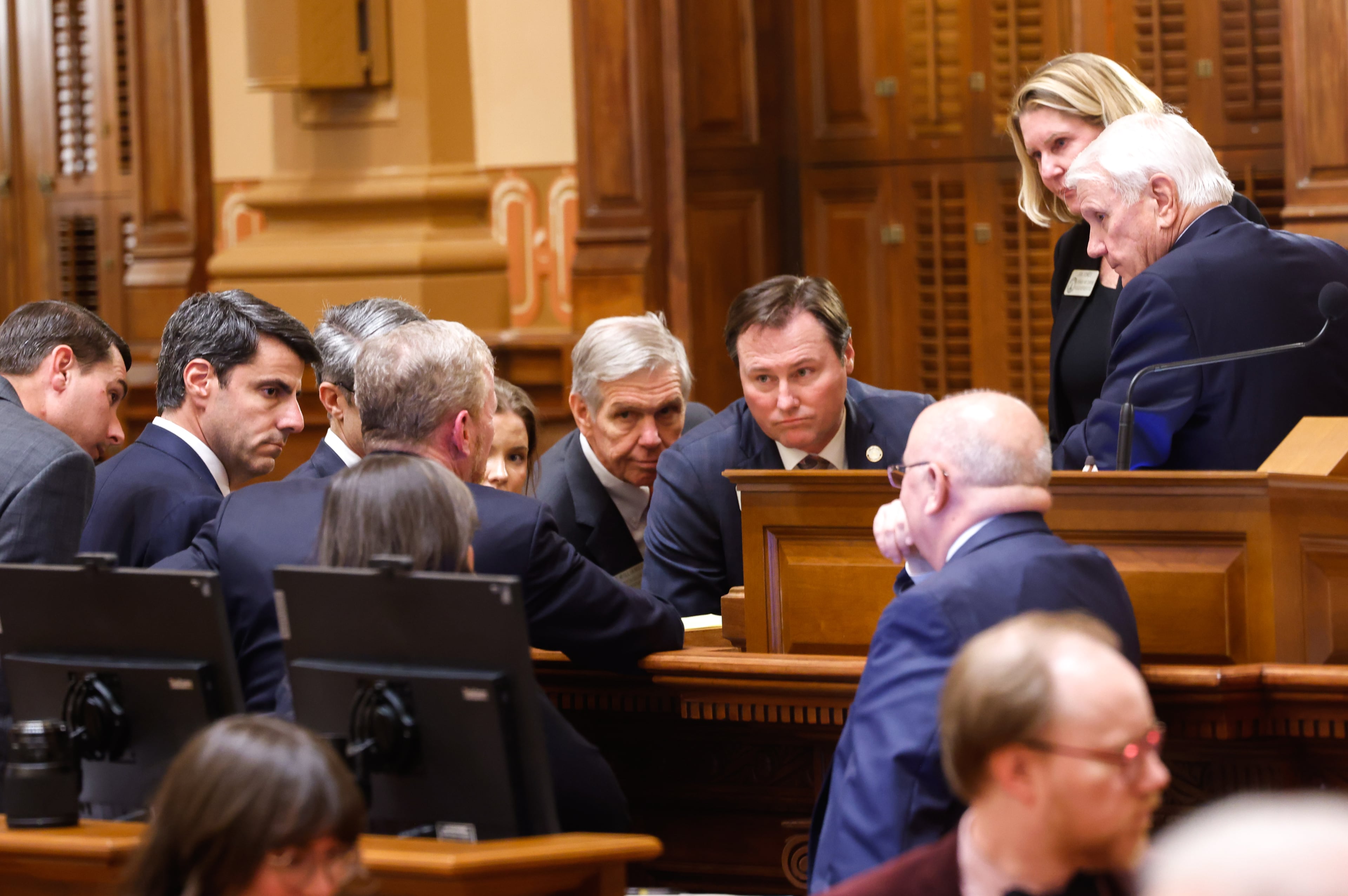
When Julian Bond showed up at the state Capitol in January 1966, he faced a roadblock. Although the 25-year-old had been elected to the Legislature, lawmakers refused to swear him in.
They took issue with his endorsement of a press release from the Student Nonviolent Coordinating Committee criticizing the Vietnam War.
A protégé and former student of the Rev. Martin Luther King Jr., Bond was finally seated a year later after the U.S. Supreme Court weighed in.
In a Martin Luther King Jr. Day episode of the Atlanta Journal Constitution’s “Politically Georgia” podcast, his son, Michael Julian Bond, an Atlanta city council member, talked about his father’s legacy.
These answers have been edited for brevity and clarity.
AJC: Can you talk a little bit about how your father has influenced some of your decisions, maybe even getting into politics?
Michael Bond: Well, I’m the middle of five siblings, and I am lucky enough to be a half junior. So I felt kind of a more of a kinship probably than usual.
AJC: What are some of the earliest memories you have with him?
MB: Some of the earliest memories are seeing him on television and thinking that everybody’s dad must be on TV.

AJC: Speaking of TV, your dad hosted “Saturday Night Live.” What do your remember about that?
MB: He had a great sense of humor, but I was 10 years old. The week that he appeared on “Saturday Night Live” (it was my birthday) and I was like, “Hey daddy, this is great. You could take us to New York. We could see how the show was shot. We could be on stage at the end and in a very deadpan stoic way, he just said ‘No.’”
AJC: How was it sharing your dad with the limited time that you had with him?
MB: Well, I think for me in particular, it was easier than my other siblings. I was third and he was just coming into his national fame. Matter of fact, I’m an election night baby. When he decided to run for the state House for the first time, if you count nine months later, it’s my birthday. So, I was born into the world, where I just kind of accepted how I found the world.
AJC: This year marks 60 years since your father was denied the opportunity to be sworn in to the Georgia Legislature. What do you remember being told about that time from your father?


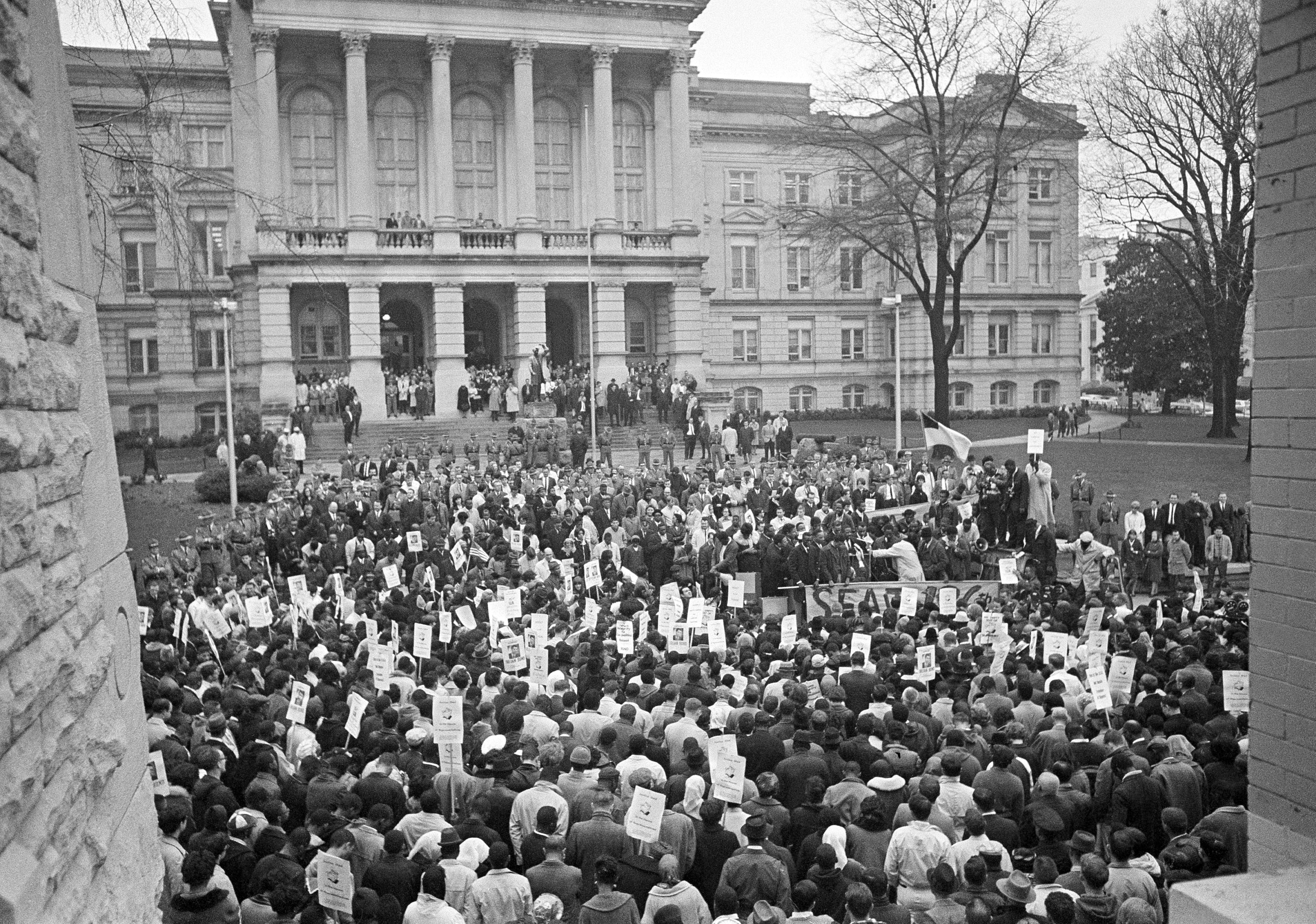


MB: Well he was somewhat embittered about it because of the way that he was treated. He felt that it was his right to freedom of speech to take the stances that he did.
AJC: Dr. King and others were instrumental in calling out the legislature. Eugene Patterson at the time was the editor of The Atlanta Journal-Constitution. He wrote a lot of op-eds, condemning the move as well. How do you think that groundswell of support helped your father?
MB: They had a relationship that went back to my dad being at Morehouse College. Dr. King, came on as an adjunct professor for a philosophy class and in this particular class, there were only eight students and my dad was one of those students. So, you fast forward six years later. Dr. King was the leader of the civil rights movement in the country. And it’s happening right in his own backyard that someone is being persecuted by the state legislature.
AJC: Bond had a landmark U.S. Supreme Court case over the matter. The high court had a unanimous decision in his favor. How important is it that this story about your father be shared?
MB: People should hear this story because you don’t give up. Some people might have turned around and said, “Oh, well, you know, I don’t have time for this.” And, you know, every time that the seat was opened up and he went for it again, it was a stand to say that “I matter.”
AJC: Your father left the legislature to run for Congress against his good friend John Lewis. He lost, and eventually ended up teaching at a couple of colleges, and then went on to be the chair for the NAACP.
MB: John was my godfather. But my dad was in the race first, and John came in the race. My dad was John’s campaign manager when he ran for Congress, first against Wyche Fowler. And so they were trying to decide who should do what. And so they had an agreement that my dad would be John’s campaign manager this time. And if he didn’t win, if my dad ever ran, John would be his. But John didn’t keep the commitment. Then years later, they were able to rectify that.
AJC: What do you think his total legacy should be and how should he be remembered?
MB: Education, activism, speaking truth, bringing people out of the darkness, whether that’s an educational darkness, poverty or some other type of situation. You want to be a bringer of light and directional guidance to people to help them enjoy their own freedom. And I think that that’s his legacy.
About the Author

Natalie Mendenhall is an award-winning producer for the "Politically Georgia" podcast. She also steps in front of the mic, creating compelling segments for the show. Before joining the AJC, the Chicago native worked as a senior producer at Georgia Public Broadcasting.