Atlanta model goes statewide. Can Georgia show America a better way forward?
The dust has now settled from Georgia’s 2026 runoff elections. The slate of statewide candidates for the general election in November has taken shape.
As candidates prepare for this election, one question looms large over Georgia politics and perhaps the future of American democracy itself: Can Georgia demonstrate a new model of coalition politics capable of bringing together a divided nation?
For decades, Atlanta has served as a laboratory for political innovation. The city is known nationally for its ability to build diverse coalitions that cross racial, socio-economic and ideological lines.
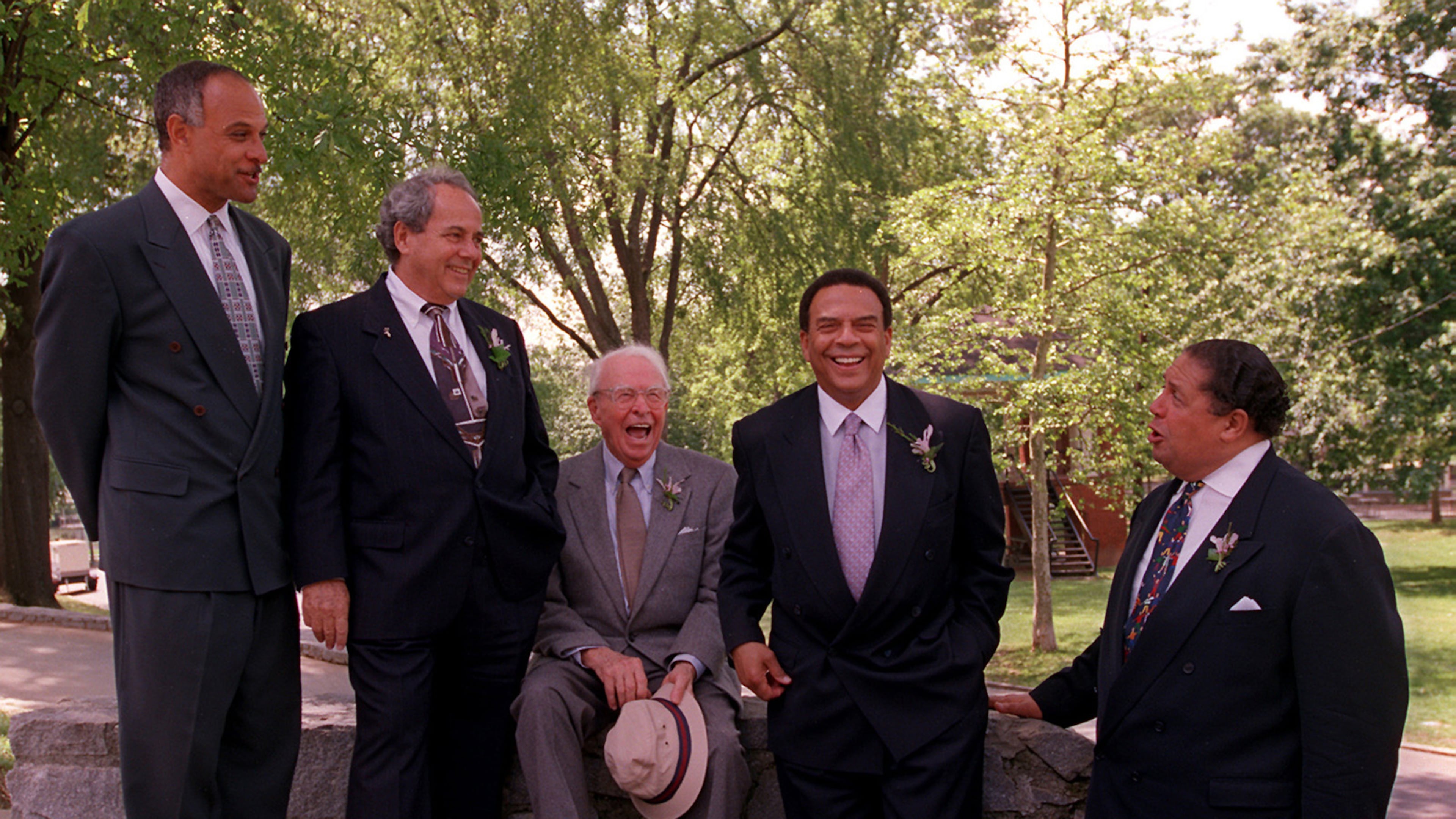
From the election of Maynard Jackson Jr. as Atlanta’s first Black mayor in 1973 to the leadership of such figures as Ambassador and former Mayor Andrew Young, former Mayor Shirley Franklin and two-time Democratic gubernatorial nominee Stacey Abrams, Atlanta has developed a political culture rooted not simply in demographics but in coalition-building.
That Atlanta model will be tested over the next several months on a statewide stage.
Atlanta has a history of coming together for great causes
The Democratic ticket emerging from the 2026 primary season is historic. It is a new generation of leadership that reflects the growing diversity of Georgians who are Black, Jewish, gay or white. Yet demographics alone will not determine the outcome in November. Success will depend upon the ability of Democratic candidates to build broad coalitions that extend beyond traditional partisan boundaries.
The political reality facing both parties is clear: Independent voters are becoming the most influential voting bloc in America.
In a CNN poll released June 16, nationally, 47% of Americans now identify as independents, compared with 28% who are Democrats and 27% who are Republicans. Independents come from every ideological background. What unites them is their frustration with political polarization and their growing skepticism toward party labels.
In Georgia, independent voters may ultimately determine who wins the governorship and other statewide constitutional offices in November. Yet their concerns are not difficult to identify. They worry about economic uncertainty and rising costs.
They struggle to afford housing in communities. They want lower gas prices. They want safe neighborhoods. Most importantly, many are exhausted by the current political climate that embraces conflict more than solutions.
Georgia’s future will not be decided solely in the Democratic strongholds of Atlanta or the Republican strongholds of rural Georgia. It will be decided in the suburbs, small towns, college campuses and among voters who increasingly reject ideological extremes.
This is where the Atlanta model offers valuable lessons.
Since the days of Mayor Ivan Allen Jr. in the 1960s, Atlanta’s success has depended upon building partnerships among constituent groups that did not always agree with one another. Business leaders worked alongside civil rights leaders to honor the Rev. Martin Luther King Jr. in 1964 after he received the Nobel Peace Prize. The Metro Atlanta Chamber worked with the Fulton County Commission and community activists to save Grady Hospital in 2008.

Democrats can’t just talk to other Democrats
As someone who has spent much of my public life working to strengthen civic engagement and foster dialogue across communities, I have witnessed firsthand the power of coalition-building. More recently, my work promoting Black-Jewish relations has reinforced a simple but powerful truth: Progress occurs when people focus on shared interests rather than perceived differences.
That lesson is urgently needed in today’s political environment.
The coalition that carried Georgia into the national spotlight in 2020 and 2021 provides a useful example. The historic elections of Jon Ossoff and Raphael Warnock as the first Jewish and Black U.S. senators from Georgia did not happen by accident. A unique set of circumstances converged at precisely the right moment. High voter engagement, discontent with the Trump administration, demographic shifts, strong grassroots organizing and a desire for pragmatic leadership created the conditions for electoral success.
In many ways, similar dynamics are emerging in 2026.

Georgia remains one of the nation’s premier battleground states. Population growth continues to reshape communities across the state. New voters are entering the electorate. Independent voters are becoming increasingly influential. Citizens across the political spectrum are expressing concern about affordability, economic opportunity and the tone of our politics.
In short, the planets may once again be aligning as they did in 2020.
But favorable political conditions alone are never enough. Leadership matters.
The Democratic candidates who succeed this fall will be those who articulate a vision that transcends partisan talking points. They must speak not only to Democrats, but to Georgians. They must demonstrate an understanding that our challenges are interconnected and that lasting solutions require collaboration.
At a time when many Americans are losing faith in public institutions, Georgia has an opportunity to offer something different. We can demonstrate that diversity is not a weakness but a strength. We can show that coalition politics remains possible in a polarized era. We can prove that citizens with different backgrounds and perspectives can still unite around common goals.
The question facing Georgia in 2026 is larger than any single race or candidate.
Can the Atlanta model go statewide?
Can Georgia build a coalition broad enough to bridge our divisions while addressing the concerns of independent voters and working families?
And can our state show America a better way forward?
The answer will be determined not only at the ballot box this November, but by our collective willingness to build bridges rather than walls.
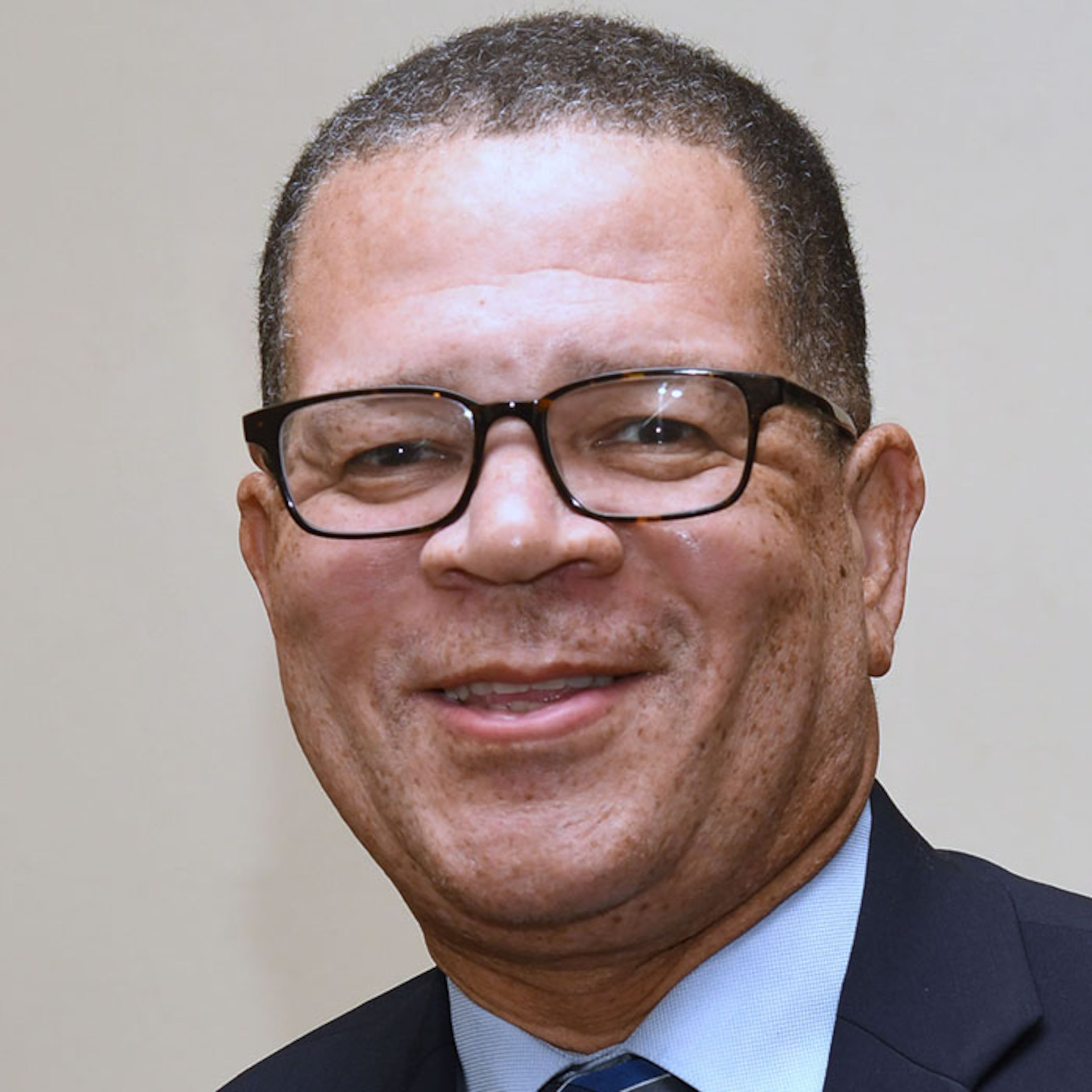
John H. Eaves, an Atlanta Journal-Constitution contributing columnist, is a former Fulton County Commission chairman and a senior instructor in the Department of Political Science at Spelman College.
Send letters to the editor of 250 words or fewer with your name, city or town and contact information to letters@ajc.com.