Gerrymandering reduces voter turnout and increases voter burnout

Based on my experience as a poll watcher at five precincts in the 2026 Georgia primaries, I am convinced the machinery of our elections is highly trustworthy.
To experience the professionalism and efficiency of the process is to come away with a strong sense of confidence that our votes are secure. Corrosive politics outside the polling place, however, are sabotaging our democracy.
It is simply not possible to game the system. Georgia has more than 2,600 precincts, most of which are small enough that anyone on the premises can easily see everything that happens.
Voters enter from one door and exit from another, with every step in between regulated and monitored by poll workers and watchers. Election rules are strictly enforced. Many people are on hand, from both parties. There is simply no wiggle room, no way for voters or poll workers to cheat the system.
Yet, despite the profound professionalism inside the precincts, a host of outside pressures are dividing America and threatening our democracy.
Accusations of voter fraud undermine public trust
Gerrymandering — the upside-down scheme where elected officials pick their voters by remapping districts, rather than voters picking their elected officials — has overtaken our elections.
Gerrymandering battles are ravaging the country. Both parties evidently believe the only way to address gerrymandering is through more gerrymandering, which breeds more polarization, more lies and more mistrust.
In Georgia, Gov. Brian Kemp has called a special session of the General Assembly on June 17 to, in part, redraw congressional and legislative districts in 2028.
Gerrymandering digs a hole from which we may never escape. It also gives rise to several other related problems.
Gerrymandering doesn’t just redraw maps — it rewards politicians who play to their most extreme constituents.
You will recall that the state of Georgia was thrust into the 2020 election spotlight when President Donald Trump coaxed Secretary of State Brad Raffensperger to “find 11,780 votes,” as part of his effort to overturn the presidential election.
Based on what I just observed, day in and day out, it seems hard to believe that anyone could have found one stray vote, let alone thousands.
Research published in the Journal of Experimental Political Science found that even when unsubstantiated fraud claims were countered by nonpartisan experts, those claims could significantly diminish the perceived legitimacy of election outcomes. The study concluded that accusations of voter fraud threaten to undermine public trust in elections, delegitimize results and promote violence or other forms of unrest.
A separate study found that election disinformation has pernicious aggregate effects, skewing public opinion, hampering informed decision-making and undercutting participation. Importantly, the misinformed — unlike the merely uninformed — tend to be more confident in their false beliefs than average citizens, making corrections harder.
Voter gap expected to widen after SCOTUS decision
That culture of disinformation has consequences that reach all the way to the U.S. Supreme Court. The Supreme Court recently gutted the all-important Voting Rights Act of 1965 in Louisiana v. Callais.
Associate Justice Samuel Alito, writing the decision, suggested that Black voters no longer require election safeguards because they vote at the same rate as the rest of America. That conclusion dramatically contradicts the evidence.
A recent study from the nonpartisan Brennan Center for Justice found the gap in voter turnout between Black and white Americans decreased for several years after passage of the Voting Rights Act, but the trend has been reversing over the past decade or longer.
In 2020, according to the report, “if the gap had not existed, 9 million more ballots would have been cast.”
Given the decision in Callais, expect the Black turnout gap to widen even further.
Just as gerrymandering reduces turnout, it increases burnout. Both sides ask so much from voters in the primaries that random outcomes become almost inevitable. This year’s primary ballots in Georgia (which are not the same for Republicans as for Democrats) are multiple pages long.
Voters are asked to vote on offices and policies they probably didn’t know existed.
A 2024-2025 study published in American Politics Research by Spencer Goidel and Brenna Armstrong predicted that large candidate fields would make voters spend less time on each candidate, be more likely to abstain, rely more on ballot position and feel overwhelmed. None of that is promising for America.
Yet none of these problems is inevitable, and none requires a constitutional revolution to fix. Gerrymandering can be ended through independent redistricting commissions — several states have already done it.
Voting rights can be restored by Congress. Ballots can be simplified. Disinformation can be countered with sustained civic education and a press corps that treats lies as lies.
What these solutions require, however, is something that cannot be legislated: citizens who are paying attention. In America’s 250th anniversary year, we owe that to ourselves and the people who built this republic.
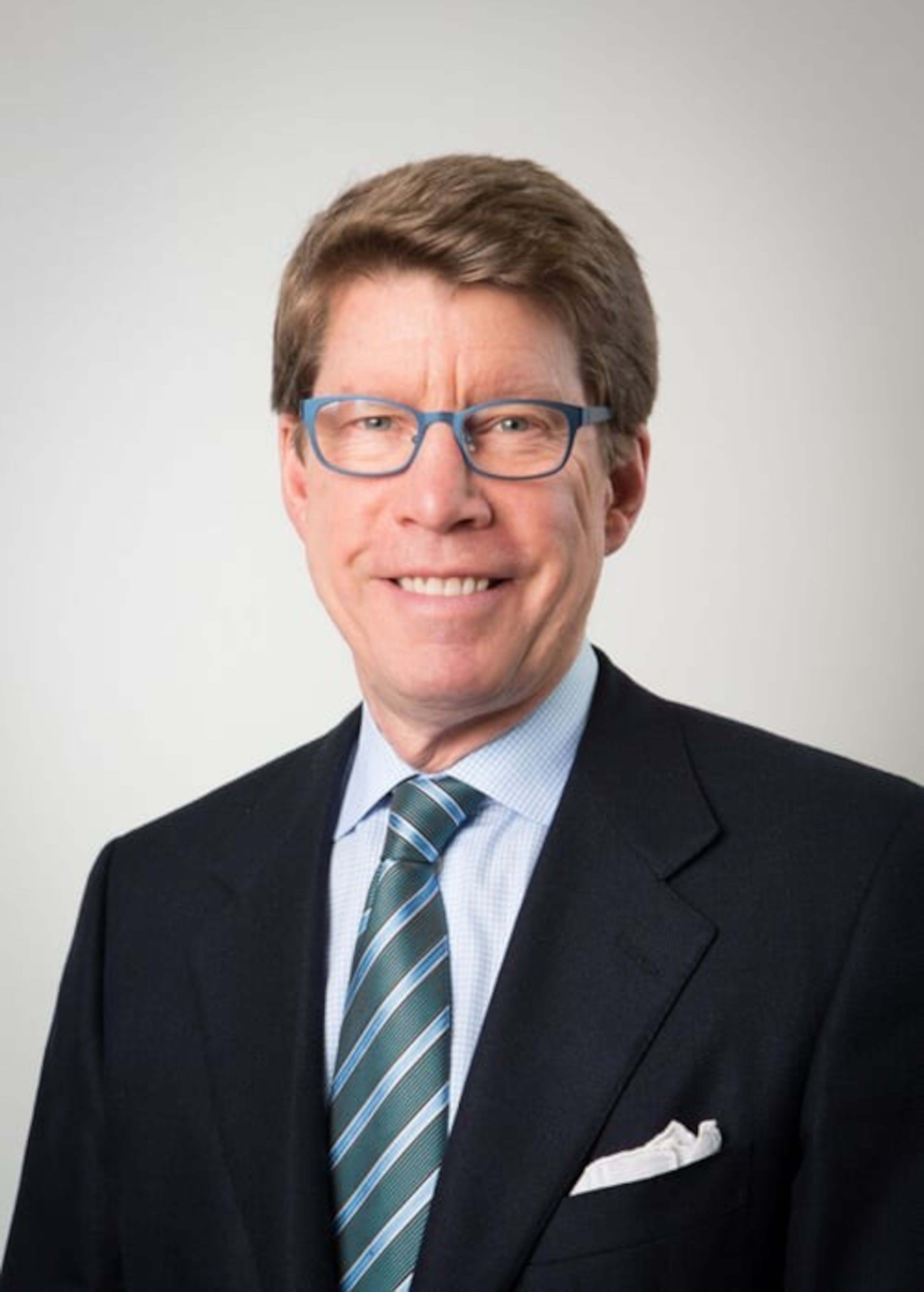
R. Owen Williams is a former investment banker and former liberal arts college president (Transylvania University) and past president of the Associated Colleges of the South. He holds a doctorate in American history from Yale University and is secretary of the Board of Trustees at Morehouse College.