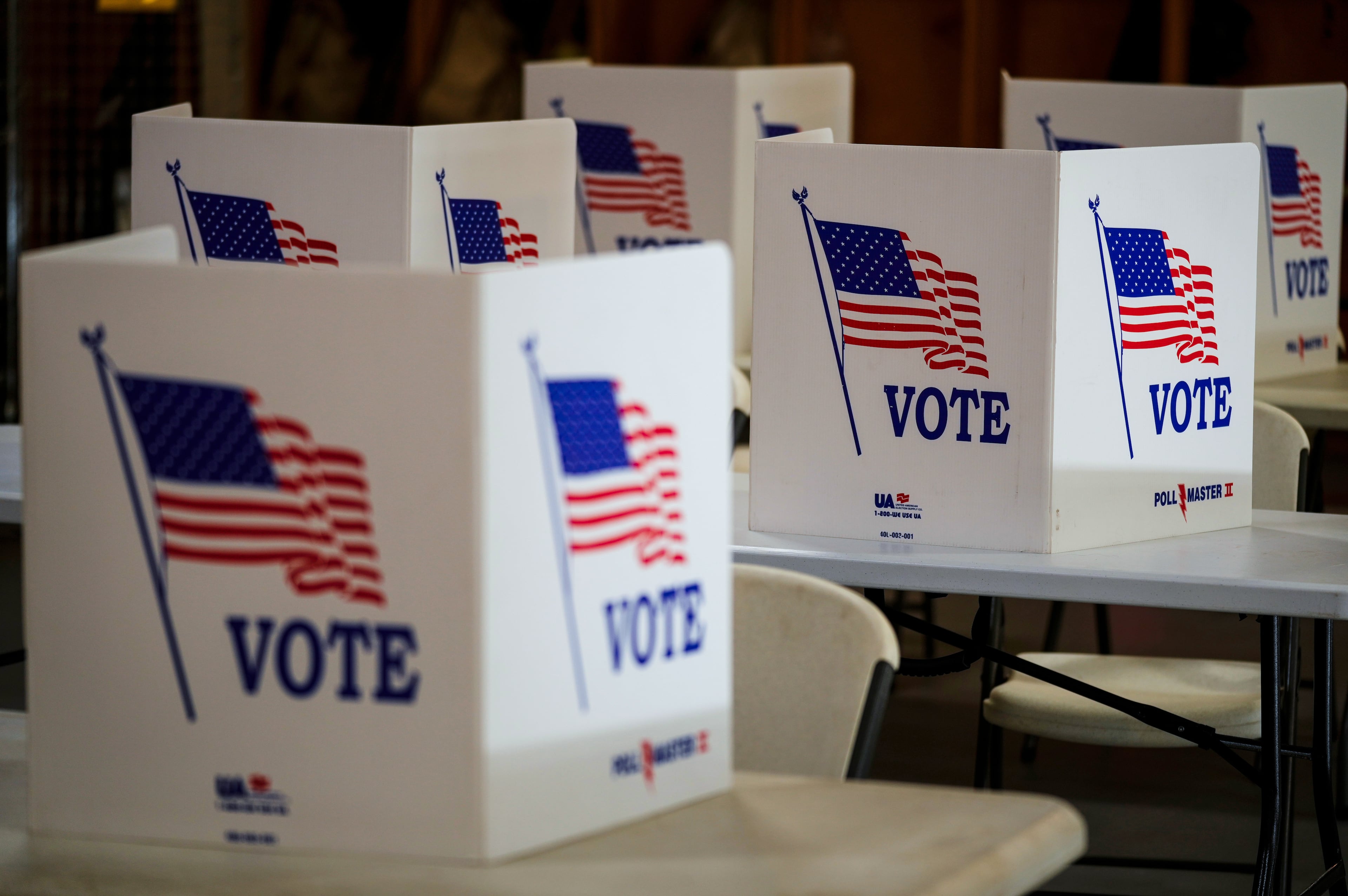
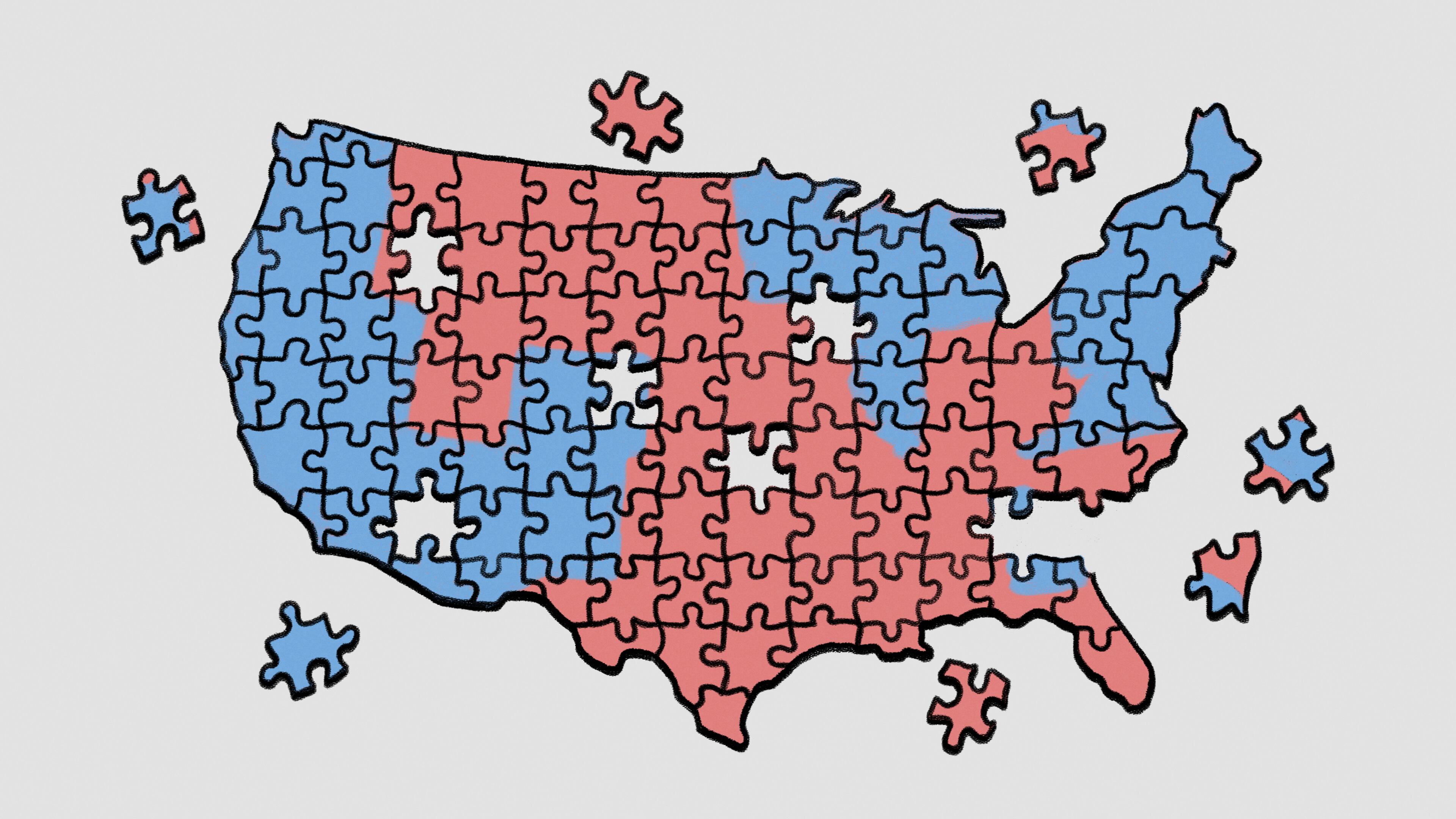
U.S. decentralizes elections for a reason. Defend democracy against despotism.
Trends come and go. Technology advances. Artificial intelligence grows more sophisticated by the day. But some things in America remain steady, enduring and worthy of our trust. Chief among them, the United States Constitution.
That is why I, along with Republicans across the country, was stunned to hear mainstream political voices advocate for “nationalized” elections as a means of ensuring accurate administration, accounting and reporting. Centralizing election power may sound appealing to some, but it is fundamentally at odds with the foundational governing norms that make America great.
As a lawyer, I know the Constitution is clear. Article I, Section 4 of the U.S. Constitution assigns the administration of elections to the states, subject only to limited congressional oversight. There is no ambiguity in this declaration and no room for reinterpretation. Elections are administered by the states. “Nationalized” elections are unconstitutional, plain and simple.
Free and fair elections mean you don’t always win

As a former U.S. senator who served as the ranking Republican on the Senate Select Committee on Intelligence, I witnessed firsthand how authoritarian regimes cling to power.
Dictators and despots rule with iron fists, depriving their people of food, access to the outside world and opportunity. Their reigns are not threatened by the ballot box, because they control it.
Unsurprisingly, they nearly always win reelection, often by overwhelming margins.
That is not democracy, and it is not America.
As a proud American, I have always respected our democratic process, even when it does not produce the outcome I want.
That respect is rooted in the strength of our decentralized system, where each state conducts its own elections within a basic legal framework.
It is a system that is difficult to hack and resistant to foreign interference. This system is a direct reflection of the federalism we cherish as a nation of united — but distinct — states.
“Nationalized” elections are once again a dangerous solution in search of a problem.
Nationalized elections are antithetical to who we are
Here in Georgia, we are a national leader in election integrity. The Heritage Foundation ranks Georgia among the top five states in the country for election administration. We continue to see record turnout in local and state elections, with results confirmed through audits and, when necessary, recounts.
But the facts and figures are only part of the story. Confidence matters just as much.
A statewide survey conducted by Cygnal and commissioned by the Democracy Defense Project shows that confidence in Georgia’s elections is rising. Nearly 75% of voters say they trust our elections, with almost half rating their trust at an 8 to 10 out of 10 — a 12-point increase from the year before.
We should reject calls for “nationalized” elections, because they are antithetical to who we are and what we believe. Beyond their dangerous implications, they also distract from the issues voters care about most today, like rising health care costs, higher property taxes and public safety. Relitigating 2020 and indulging election conspiracies carry real legal, practical and political consequences for the Republican Party. None of them are helpful.
For those genuinely concerned about election integrity, Georgia already has constructive solutions. We should preserve and improve early voting and absentee options, invest in poll worker training and election technology, and communicate clearly and proactively about how the system works. Confidence grows when leaders commit to facts, not fear-mongering.
It might sound cliche, but some things are worth defending. Our democracy is one of them. I believed that when I first entered public service, and I believe it even more today.
Protect our elections so we can protect America’s future.
Saxby Chambliss served as a Republican member of Congress in the U.S. Senate for two terms (2003-2015) and, before that, served four terms in the U.S. House of Representatives (1995-2003).