Domestic violence escalates during the holidays. Time to talk about it.
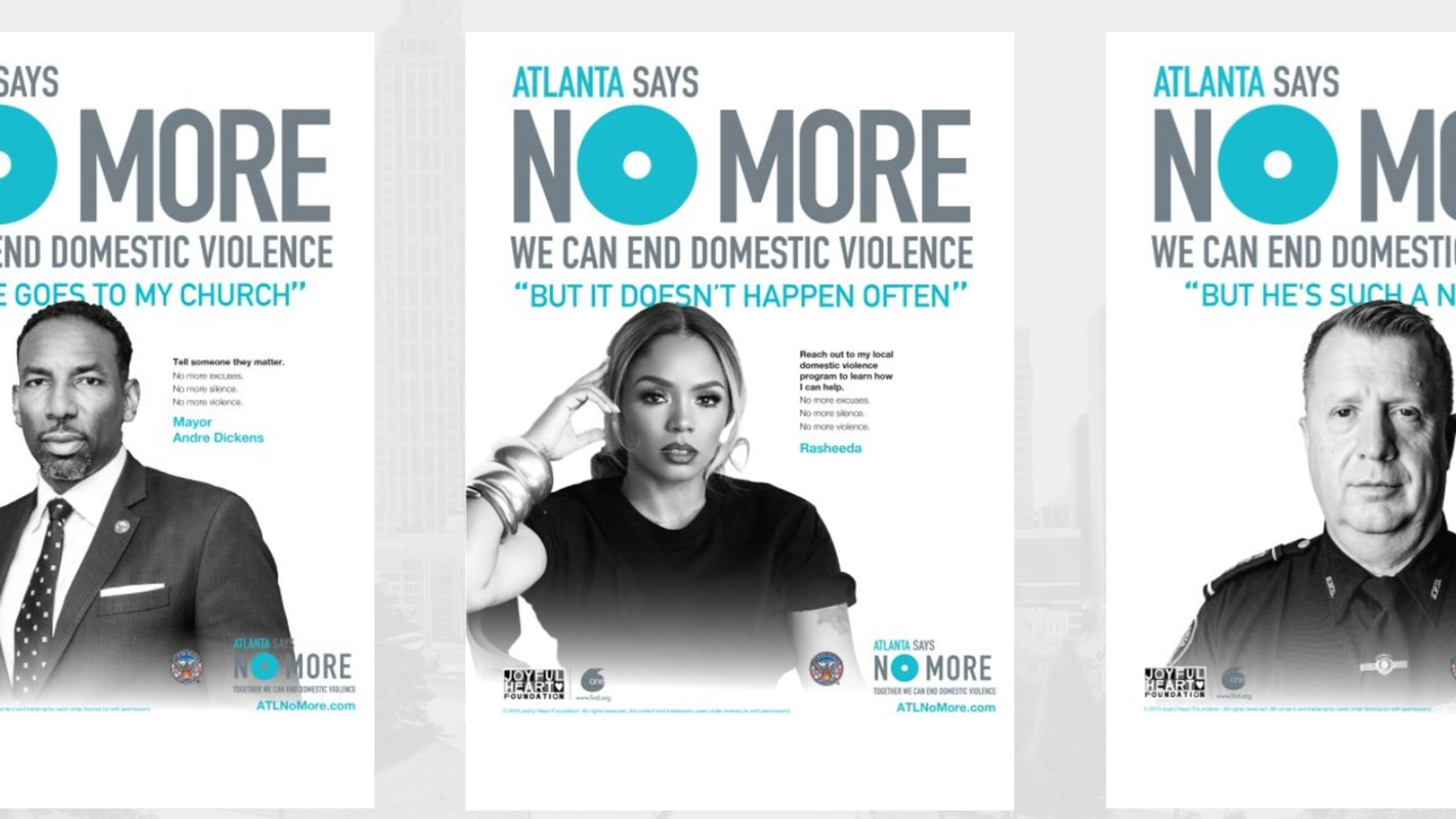
As the horrifying events surrounding Rob Reiner and his family in Hollywood highlight, domestic violence does not have a ZIP code.
As a family law attorney in Atlanta, I have spent years helping clients navigate the hardest moments of their lives, and I see complaints of alleged abuse across every neighborhood and income level.
One pattern that still takes my breath away is how domestic violence seems to escalate during the holiday season. Whether it is alcohol‑fueled arguments at holiday parties or the stress of entertaining extended family, it seems the weight of seasonal obligations can all too often trigger violent outbursts.
As a result, especially in the weeks after New Year’s, my office receives calls from metro Atlanta residents looking for guidance on divorce or otherwise leaving a relationship that may have turned abusive.
Why many victimized people hesitate to seek help
This spike appears to be across the board.

The National Network to End Domestic Violence reports similar spikes around Thanksgiving, Christmas, and New Year’s as financial pressure, substance use, and the abuser’s constant presence at home collide.
Closer to home, advocates in Georgia documented more than 42,000 incidents of family violence and 170 domestic‑violence homicides in 2024.
Mass General Brigham researchers found that nearly 15% of 21 million assault‑related emergency‑room visits occur during holiday periods, with New Year’s Eve standing out as a peak.
Unfortunately, many people seem to hesitate to seek help because they fear public scrutiny or assume protective orders are only for people in different circumstances. Leaving an abusive relationship in and of itself can also be risky.
For that reason, awareness is critical not just for victims but for their friends and family.
I encourage people to trust their instincts and reach out. If you see something, say something. While many may want to keep these events private, this is often not the best practice. If a person does not wish to contact legal counsel, there are other resources, like Georgia’s statewide domestic violence hotline (1‑800‑33‑HAVEN).
How Georgia law protects non-family intimate partners
One piece of good news is that Georgia law has evolved. House Bill 231, enacted in 2021, expanded the definition of family violence to include dating partners and other intimate relationships.
That means not just family members, but also girlfriends, boyfriends, and ex‑partners, can now seek Temporary Protective Orders (TPOs) without having lived with the abuser. Before HB 231, these victims were often left without legal recourse unless the abuse reached an extreme. The change recognizes that intimate‑partner violence is not confined to legal marriages.
For those experiencing abuse, know you are not alone. Domestic violence crosses every income level and neighborhood. There are judges in the Fulton County Courthouse and throughout Georgia who stand ready to protect you.
Georgia courts can often issue an ex parte TPO on the same day the petition is filed. Thanks to HB 231, dating partners and spouses can obtain TPOs. Ex parte orders can be issued quickly. Preserving evidence, contacting a domestic‑violence advocate, and planning your exit can help ensure that you and your children are safe.
By talking openly about domestic violence and recognizing that abuse doesn’t discriminate by ZIP code, we can combat the stigma that keeps so many victims silent.
I hope that by speaking out from my perspective as a family law attorney, more metro Atlanta residents will understand that help is available and that there are laws designed to protect them.
Jessica Fagan is founder of Fagan Law Group in Atlanta and specializes in family law.


