Georgia officials face tough questioning in water war trial
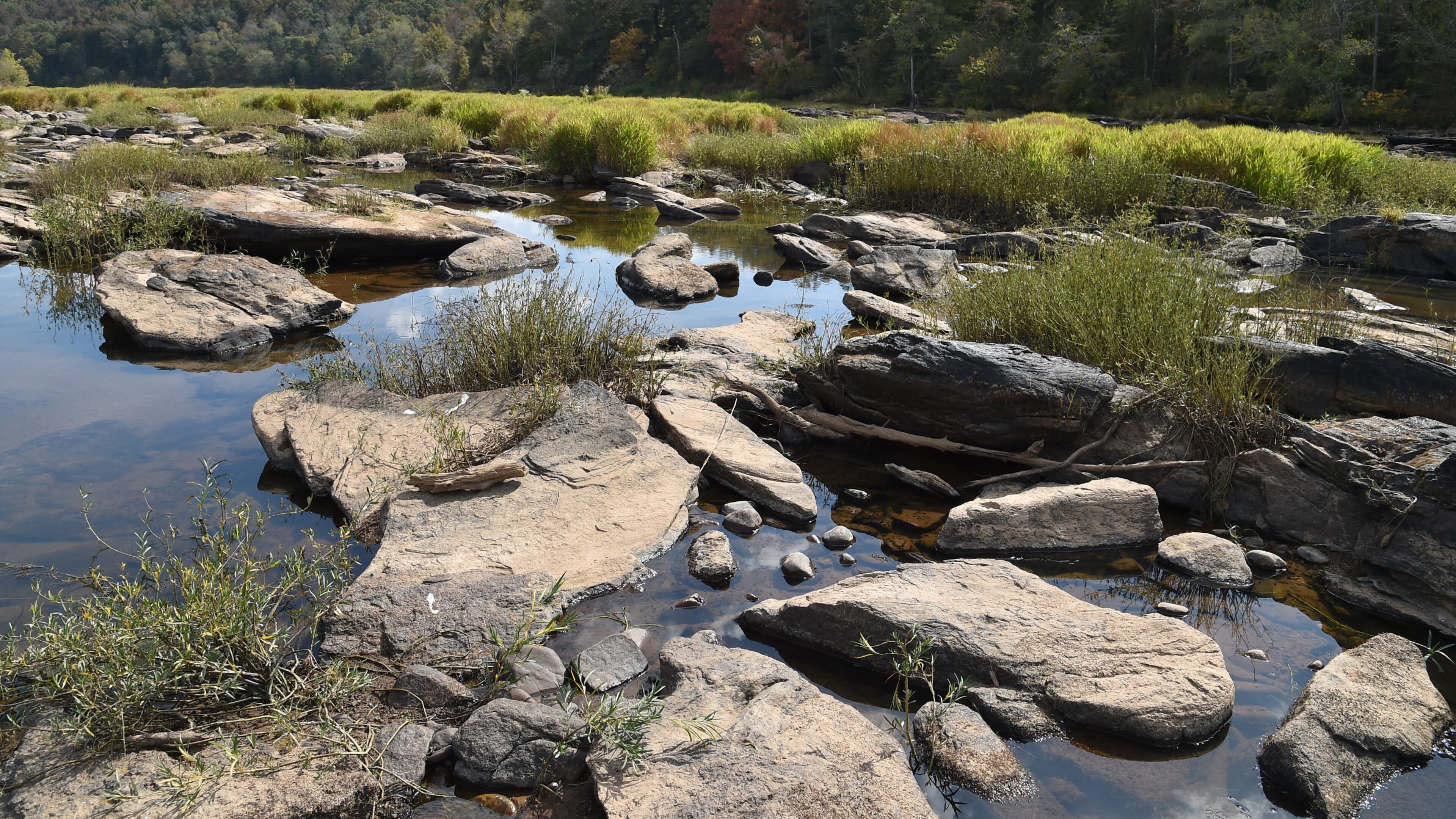
Florida hammered Georgia on Tuesday over its alleged hoarding of Flint River water to the detriment of a parched Sunshine State during the “water war” trial ordered by the U.S. Supreme Court.
Florida, which is suing Georgia to gain an “equitable apportionment” of water from the Flint and Chattahoochee rivers, unspooled its case during the second day of testimony. Highlights included:
- Georgia passed legislation more than a decade ago mandating a reduction in irrigation along the Flint River during times of bad drought such as 2006-08 and 2011-12. Jud Turner, then-director of the state's environmental agency, said in a March 2012 press release that "there is no doubt we need a viable management tool" to handle droughts.
One legislative tool at the state’s disposal: paying southwest Georgia farmers not to irrigate their crops.
Yet his agency didn’t trigger drought declarations. Neither the governor nor the General Assembly put money in the budget to pay farmers. And legislators amended a drought-fighting bill in 2014 to make voluntary drought-fighting rules that were once mandatory.
In a video deposition played Tuesday, Florida attorney Philip Perry asked Turner whether the flow of the Flint River has long been in a “long-term decline.” Turner said he would “not disagree.”
- Florida also accused Georgia of repeatedly scuttling a three-state "compact" that would've managed the water flowing from Georgia into Florida, particularly during times of drought.
“The negotiations failed because achieving water allocation requires dividing up a resource which requires a conservation cap,” testified David Struhs, who headed Florida’s environmental agency in the early 2000s. “Georgia’s unwillingness to accept any limitations on water conservation was (the) end of the compact.”
Georgia is expected to present its case, and rebuttal, the week after next.
- In a telling development, the special master appointed by the U.S. Supreme Court to hear the water war case asked a question about a tri-state — Georgia, Florida, Alabama — compact to ensure all parties get access to the Flint and Chattahoochee rivers, streams and aquifers.
“In your opinion,” Ralph Lancaster Jr. asked a witness, “was the compact a good thing?”
Ted Hoehn, a Florida biologist, answered, “We had great hopes for it.”
The trial resumes Thursday with more Georgia officials likely under the gun.


