Scam alert: Your social security number has not been suspended
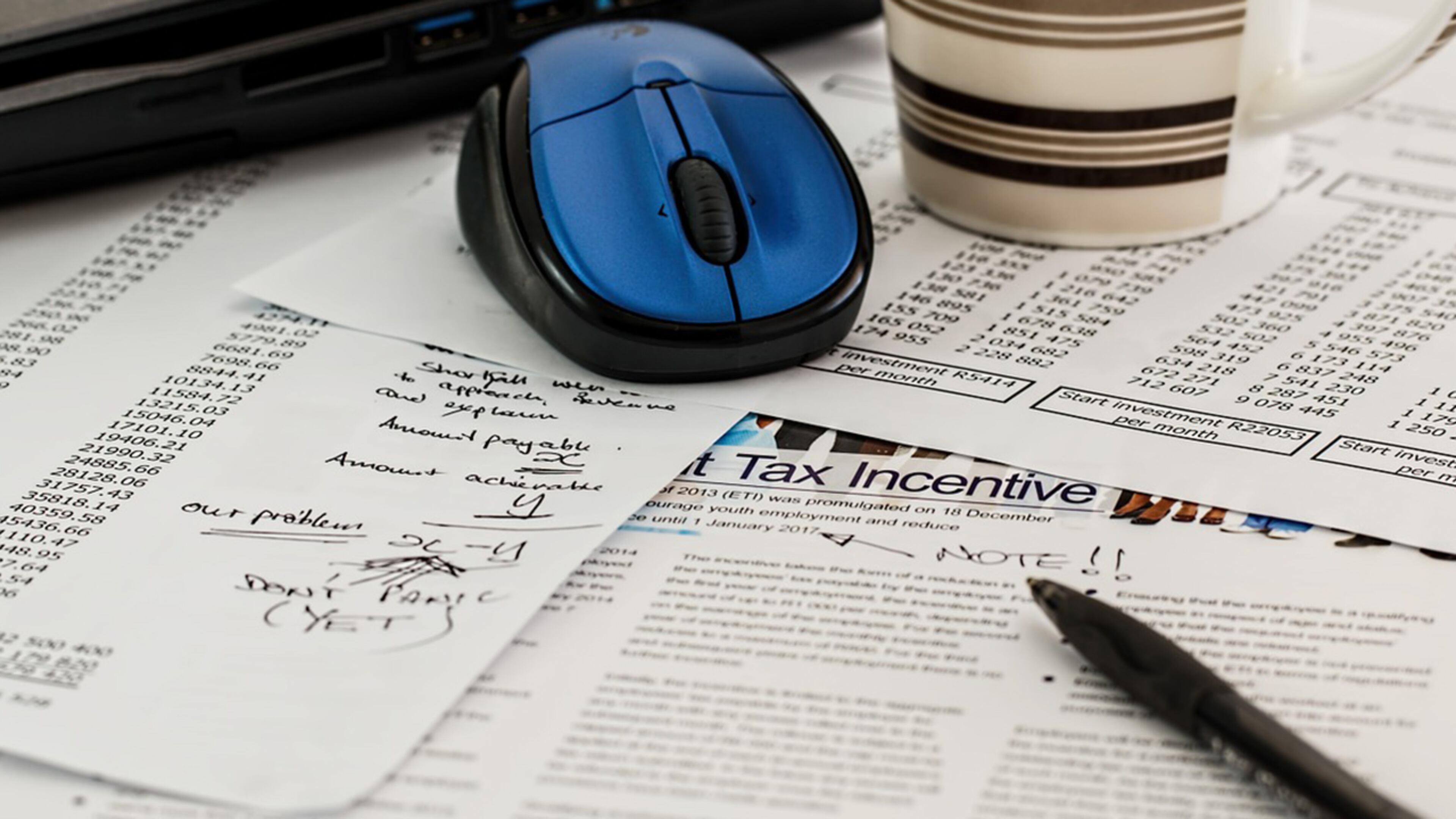
As tax day approaches — it's Monday — there's some good news about costly IRS scams.
The Federal Trade Commission said there’s been a dramatic drop in the number of consumer reports about IRS impostor scams.
The bad news is that scammers have found a new way to try to exploit consumers by falsely claiming to be from the Social Security Administration.
The FTC has seen a dramatic increase in reports from consumers that fraudsters are calling to say their Social Security numbers are connected to a crime and their bank accounts will be frozen or seized.
People filed more than 76,000 reports about social security impostors in the past 12 months, with reported losses of $19 million, according to the FTC. About 36,000 reports and $6.7 million in reported losses are from the past two months alone.
Compare that to the $17 million in reported losses to IRS scams in 2016, the peak year.
In the social security scam callers direct people to “protect” their funds by withdrawing the money in their bank accounts and putting it on gift cards.
The scammers then ask for the gift card PIN numbers for “safekeeping.” The callers also try to get people to reveal their Social Security numbers by falsely claiming they have been suspended.
The Social Security Administration will not suspend your Social Security number, nor will it direct you to withdraw money from your bank account.
The FTC said just 3.4% of people who report the social security scam lost money.
“Most people we hear from are just worried because they believe a scammer has their Social Security number,” the FTC’s report says.
But when people do lose money, they lose a lot. The median individual reported loss last year was $1,500, four times higher than the median individual loss for all frauds.
All age groups are reporting this scam in high numbers, with older and younger adults filing loss reports at similar rates, according to the FTC.
The agency gives the following tips for avoiding impostor scams:
- Do not trust caller ID. Scam calls may show up on caller ID as the Social Security Administration and look like the agency's real number.
- Don't give the caller your Social Security number or other personal information. If you already did, visit IdentityTheft.gov/SSA to find out what steps you can take to protect your credit and your identity.
- Check with the real Social Security Administration. The SSA will not contact you out of the blue. But you can call them directly at 1-800-772-1213 to find out if SSA is really trying to reach you and why.
- Talk about it. People recognize the IRS scam, but many are getting caught off guard by these new imposters. You can help by telling people that the SSA scam is a new version of the IRS scam.