Shirley Franklin, in what might be her final news conference as mayor, was testy, pugnacious and at times, irritable -- and she refused to recount her legacy as Atlanta mayor for the past eight years.
In essence, she said it was time to move on.
“Some women adapt male standards for accomplishments,” Franklin said. “I don’t. For me, there is a beginning, a middle and an end. This is the end.”
And with that, the Franklin era in City Hall is drawing to a close, with Franklin declining to define her legacy as Atlanta’s first female mayor.
At the press conference, Police Chief Richard Pennington said crime is down 12 percent in the city, and the city's national ranking as a dangerous city continues to drop. “We are not touting anything. We are just posting facts. We are not bragging. I have been on record saying that until we are 100 on the list, I will not be satisfied.”
"In 2002, when I came, we had 167 murders,” he said. Pennington added that rape is down 11 percent; auto theft 11 percent; larceny 19 percent; burglary 9 percent; and aggravated assault 18 percent.
“We have had a decrease in every category, which is tremendous when you think about that at the first part of the year, we were on furlough,” said Pennington, adding that when he arrived as chief in 2002, Atlanta ranked as the third most dangerous city in the country.
“Last year, we were 23rd,” he said. “Next year, with the 12 percent reduction, we should fall even further.”
Pennington did not comment on the steady perception that crime is worse than the numbers suggest, especially in light of the recent spate of robberies along college campuses.
Franklin repeatedly refused to talk about her eight years in office. She cut reporters off. She ignored questions.
“This is my last press conference,” she announced after a television reporter claimed that she and Pennington were touting reduced crime stats, while the city is still fearful of crime.
The gathering was originally designed to brief the media on the city pension, city finances, sustainability and crime. But because it was expected to be her final news conference, several reporters were expecting a thoughtful reflection on her years as “the sewer mayor.”
“If you have learned anything about me, do not presume anything. The record speaks for itself. It is either good, bad or indifferent,” she said.
“I will not speak about my legacy. You can say anything the free press will allow you to say. When it is over, you are going to know when it’s over and move on. It’s over.”
When she did reflect, she told stories about her past life, when she toiled behind the scenes in City Hall working for Maynard Jackson and Andrew Young.
She noted that her style was different from theirs in dealing with the media, with criticism and with their legacies. Jackson had news conferences once a week she said. Andrew Young would do them occasionally. She said she remembered how Jackson dealt with the missing and murdered children cases and how Young handled criticism that he traveled too much.
“So I am accustomed to the ebb and flow,” she said. “But the next story is the new administration and the new mayor.”
Kasim Reed, who ran Franklin’s two campaigns for mayor, was elected mayor in December. He will take over the city in early January.
After accusing a television reporter of being rude, Franklin would not let anyone question Pennington or any other city official about their reports.
She added that Pennington, who is retiring, did exactly what she asked of him as mayor, focusing on reducing major crimes and bringing a level of professionalism to the Atlanta Police Department.
“I didn’t run for office to be popular, and some people think that is a problem with my leadership,” Franklin said. “You get the real deal here.”
Franklin was vague about her post-mayoral plans, beyond the next calendar year, when she will join the Spelman faculty as the Cosby chair at the historically black college for women. She will focus on social science and deal with issues such as women in politics, the challenges of urban leadership and efforts to forge coalitions.
With her trademark flower on her lapel, Franklin did allow one moment of personal reflection. “I did my job, I showed at work and I was honest,” she said before one last parting shot. “So relax. You're gonna have new meat soon.”
About the Author
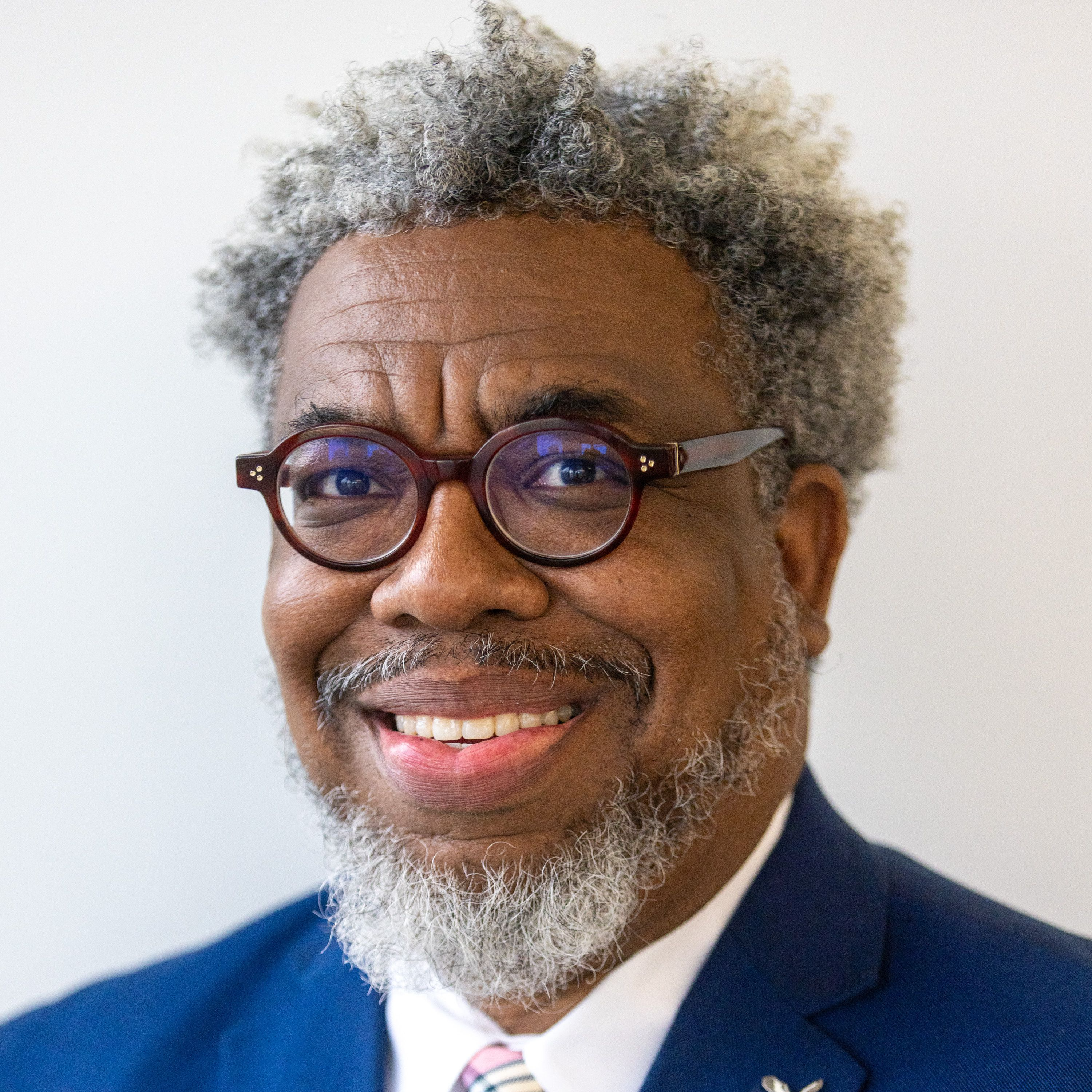
Ernie Suggs is an enterprise reporter covering race and culture for the AJC since 1997. A 1990 graduate of N.C. Central University and a 2009 Harvard University Nieman Fellow, he is also the former vice president of the National Association of Black Journalists. His obsession with Prince, Spike Lee movies, Hamilton and the New York Yankees is odd.