
Coca-Cola Company is launching a major test of its preparedness, asking all employees at its worldwide headquarters in Atlanta to work remotely Tuesday as the nation’s concerns about the new coronavirus continue to grow.
Coke spokeswoman Ann Moore wrote in a Monday email to The Atlanta Journal-Constitution that the company has not had any cases of the virus-caused disease, COVID-19, at the Fortune 500 company’s headquarters.
Many U.S. businesses are contemplating how to keep operations flowing if the new coronavirus spreads further and company sites are closed or workers are restricted from traveling.
“This is simply a drill to evaluate our business continuity plans and ensure that we would be able to operate effectively if we should ever need to close our offices at any time in the future,” Moore wrote.
The drill is for remote working on Tuesday only.
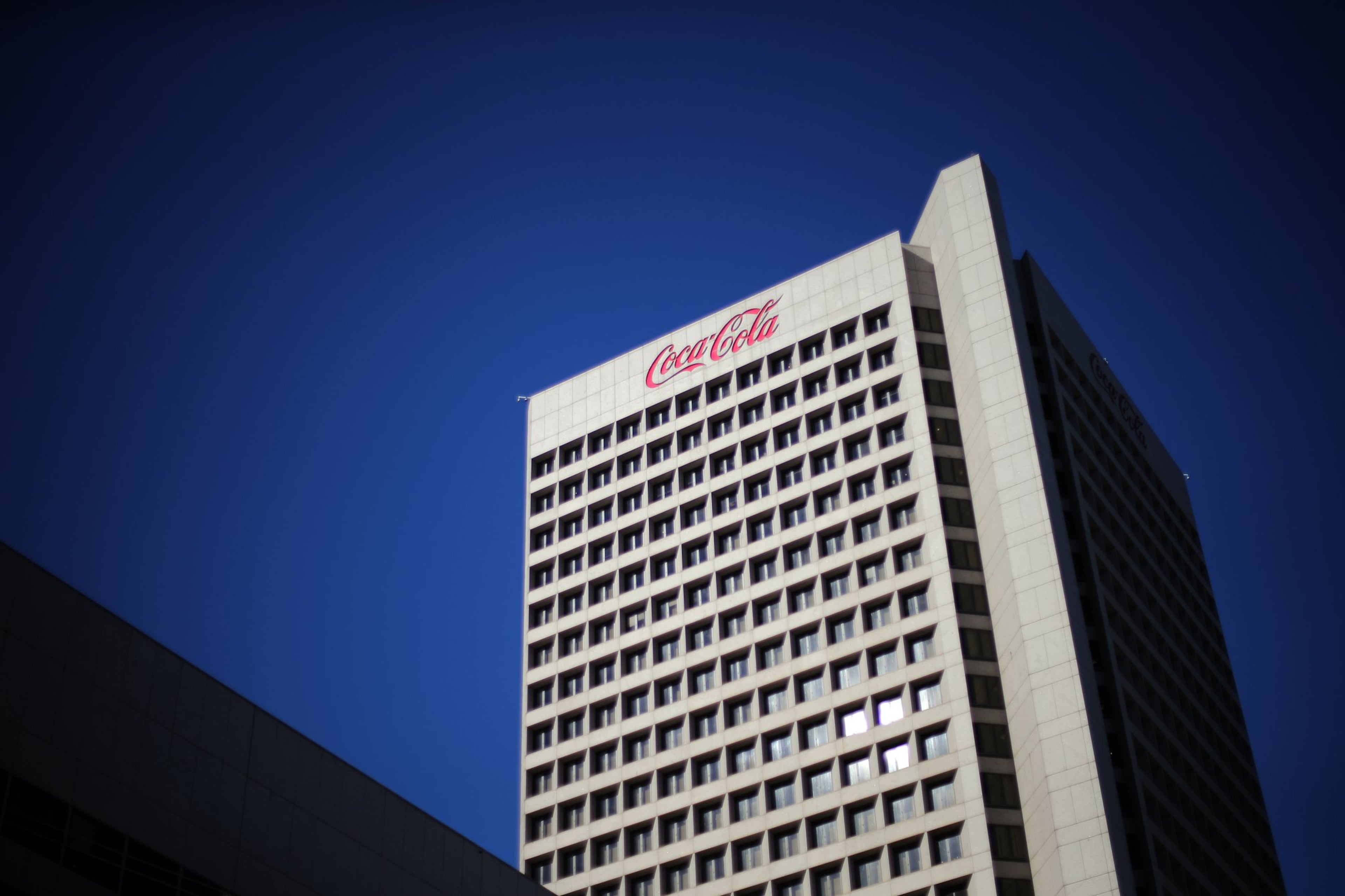
The headquarters campus of Coke, Georgia’s fourth largest publicly traded company, sits across from Georgia Tech, with its central tower and trademark red Coca-Cola script visible from much of intown Atlanta.
Worldwide, the company has 86,000 employees, about 10,000 of them in the United States.
Some of the Coke system's operations in China closed after the new coronavirus first emerged there. Some facilities gradually reopened. Coke continues to restrict employee travel to and from both the Asia Pacific region and Italy, due to concerns about COVID-19 in those areas.
The company continues to permit employees to travel domestically for business, according to Moore. “However, we are encouraging everyone to use good judgment and work with their managers to review plans for meetings that require travel. Our primary goal is to protect our people and help slow the spread of the virus.”