Georgia congressman launches bipartisan effort to combat PFAS contamination in Southeast
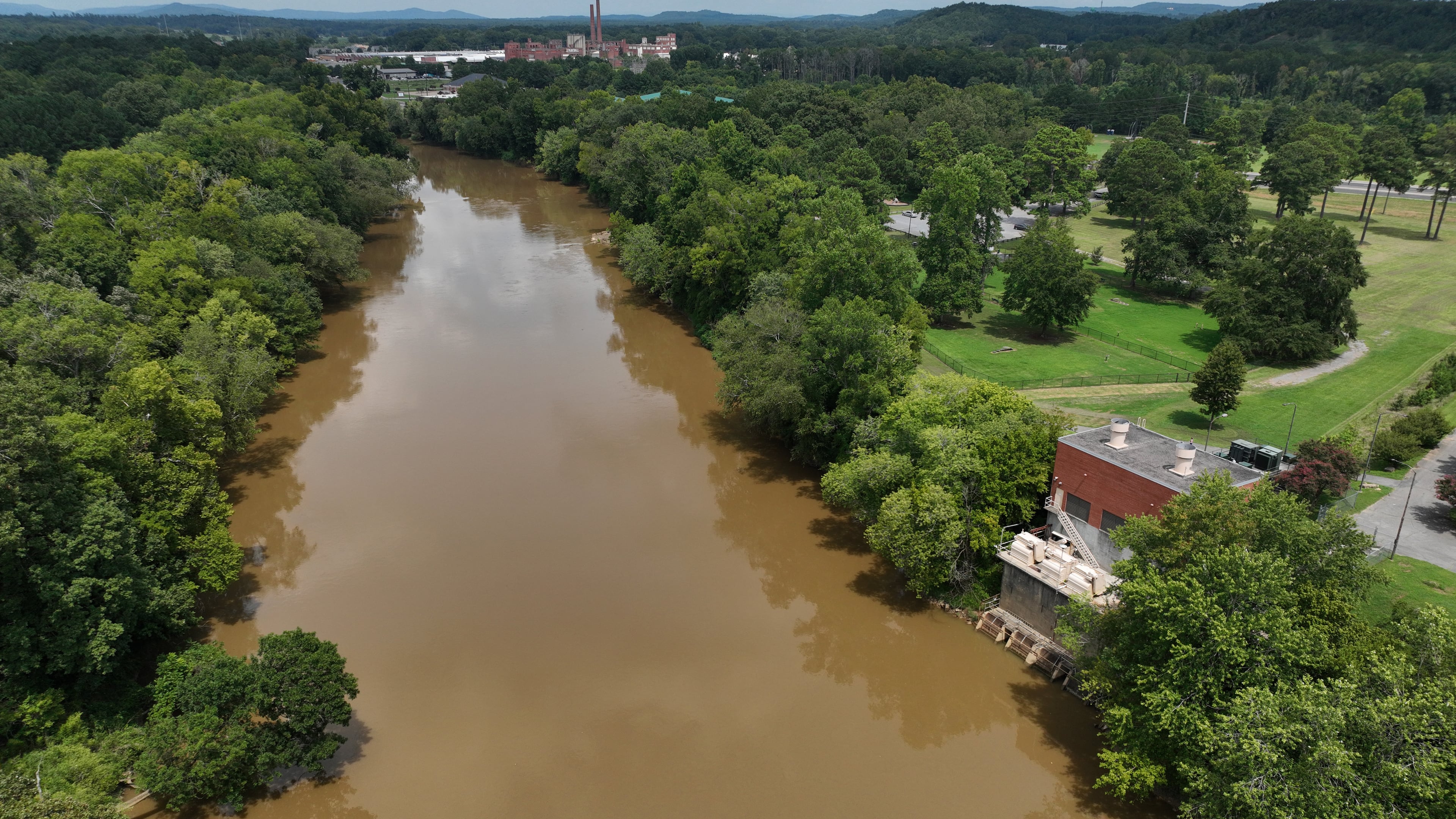

Georgia Republican congressman Clay Fuller and other lawmakers have formed the bipartisan Southeastern PFAS Caucus, which hopes to secure federal funding to clean up the toxic chemicals that have polluted northwest Georgia and other communities across the country.
The problem, Fuller said, is a matter of money and resources. Cities and counties are struggling to fund the necessary drinking water upgrades to filter out PFAS. It can cost upward of $100 million to upgrade a municipal water system to filter out the so-called forever chemicals, which can persist in the environment for decades or more.
“The number one issue is funding for these local communities that have been impacted — to make sure they have the resources to solve it,” Fuller said. “Because the technology is there.”
PFAS contamination became a key issue in the 14th Congressional District race that Fuller won earlier this year to fill Marjorie Taylor Greene’s vacated seat in northwest Georgia. The area, anchored by Dalton, has long been the center of carpet manufacturing in the U.S.
Public awareness intensified around the region’s contamination after an investigation by The Atlanta Journal-Constitution, The Associated Press and PBS FRONTLINE, published in February, that detailed how decades of use of PFAS to manufacture stain resistant carpet had polluted waterways in northwest Georgia, down into Alabama.
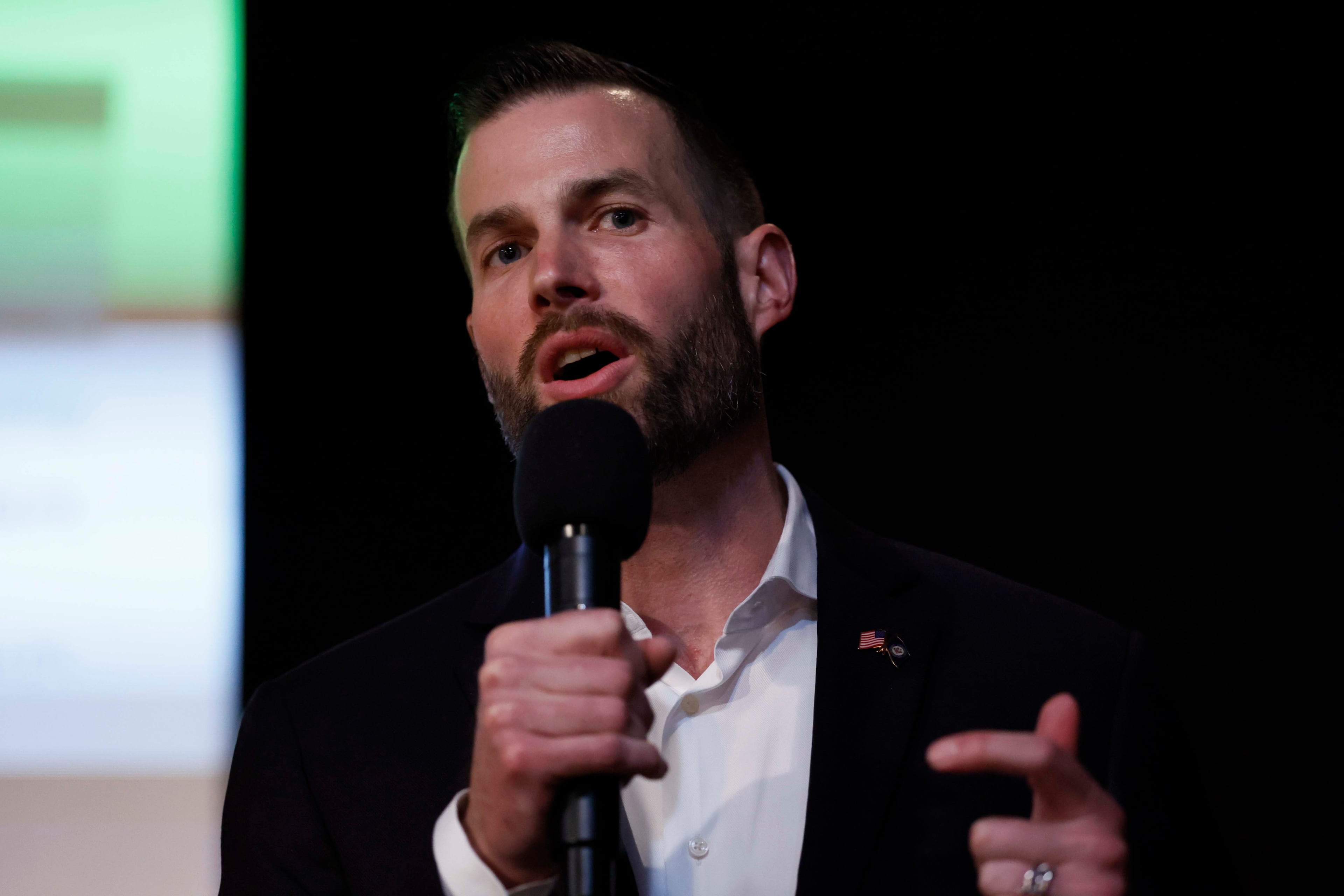
Fuller credited the reporting for drawing attention to a problem that is fundamental to his district.
“When people are on the ground reporting on important issues like this, it’s the easiest way for any policymaker to get an in-depth understanding of problems that the community faces beyond just talking to constituents,” Fuller said.
The issue is also deeply personal to Fuller, 45, who is a cancer survivor. He grew up in a northwest Georgia mill town and was diagnosed with thyroid cancer at 31. He blames PFAS, which are linked to increased risks of cancer, thyroid disease and other health effects. Fuller said he underwent a 13-hour surgery where cancerous tissue was scraped off his vocal cords.
“No one in northwest Georgia or any part of the country should ever experience what I went through,” Fuller said.
Fuller, an attorney, who will be in the minority party in the new Congress, said he hopes to advance legislation to secure funding.
The region’s contamination is extensive: Forever chemicals have been found in drinking water, on farms and in the blood of its residents.
Researchers at Emory University found people in northwest Georgia had high levels of forever chemicals in their blood. These same researchers recently launched a clinical study aimed at determining whether common cholesterol-reducing drugs could lower PFAS blood levels.
Fuller prevailed over Democrat Shawn Harris in an April special election and again won in November. Other members of the newly-formed caucus include Florida Congressional Republicans Laurel Lee and Brian Mast as well as Florida Democratic Congressman Darren Soto and North Carolina Democratic Congresswoman Deborah Ross.