Under new leadership, could executions in Georgia be a thing of the past?
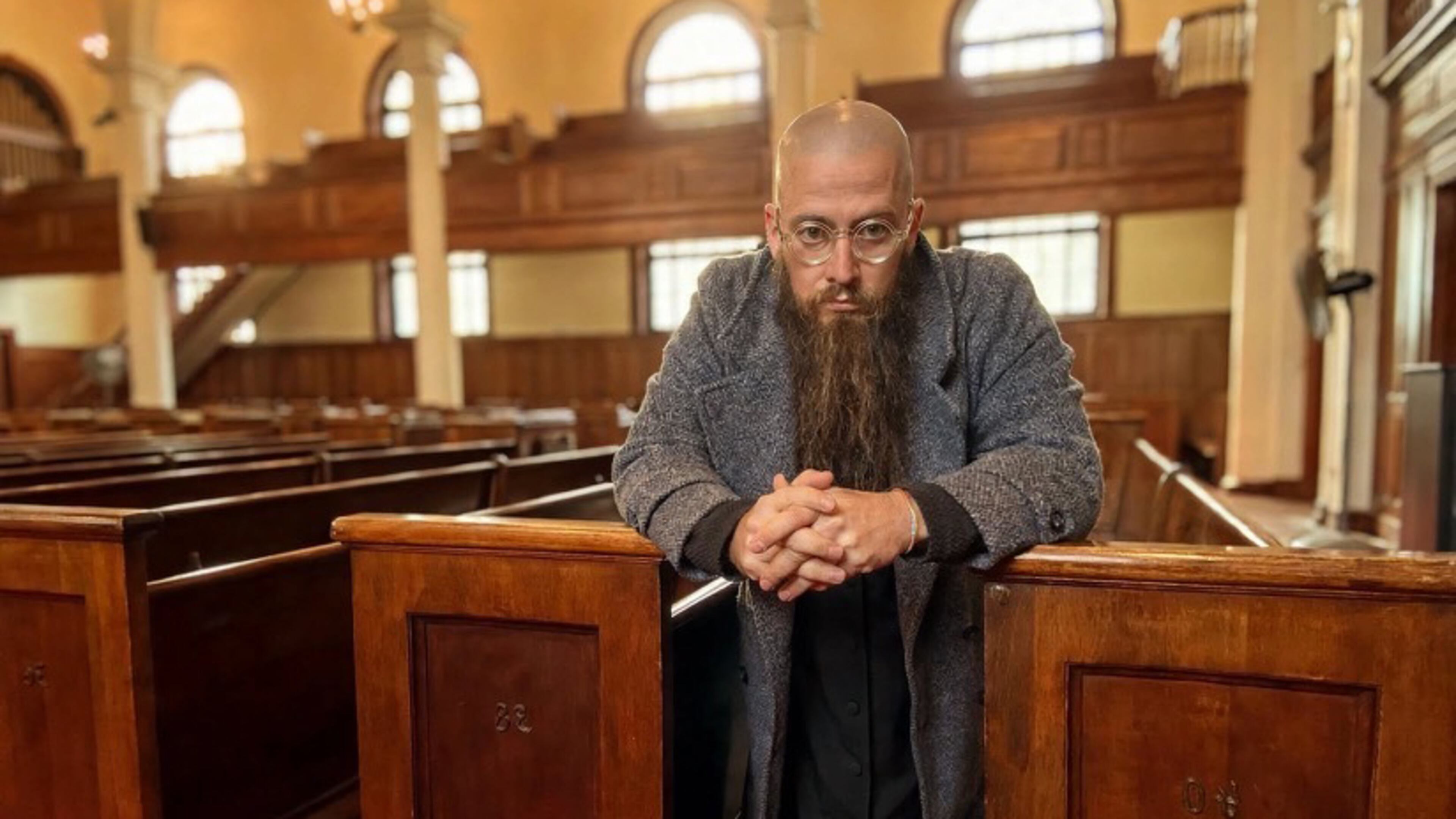

Rev. Jeff Hood has watched helplessly as 15 people were put to death in front of him.
In each of those cases, the death row minister said he fought the urge to intervene. These were men he got to know well in the final months, hours and minutes of their lives.
Some seemed to accept their fates while others were terrified, the Clayton County native said. And two of those people, executed with nitrogen gas by the state of Alabama, writhed, bled and gasped for air for what seemed like an eternity before their bodies finally went limp, he said.
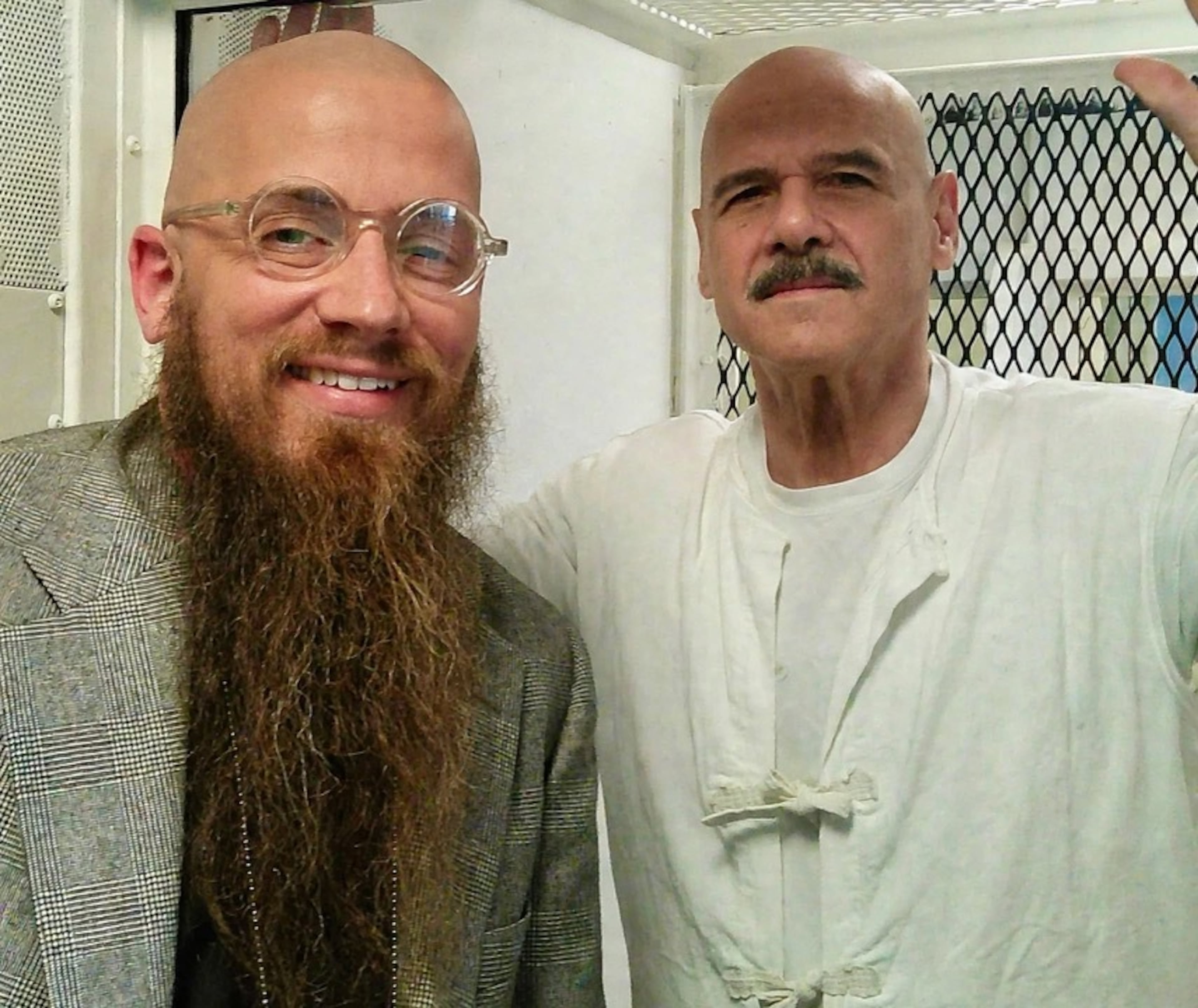
If you ask Hood, the father of five would say that none of them deserved to die.
“You’re forced to sit just there and watch and there’s nothing you can do about it,” he said Thursday, hours before witnessing his 15th execution in Texas.
Hood, who went to Jonesboro High School and studied theology at Emory University, penned a letter to Keisha Lance Bottoms last week urging the incoming governor to do everything in her power to halt executions.

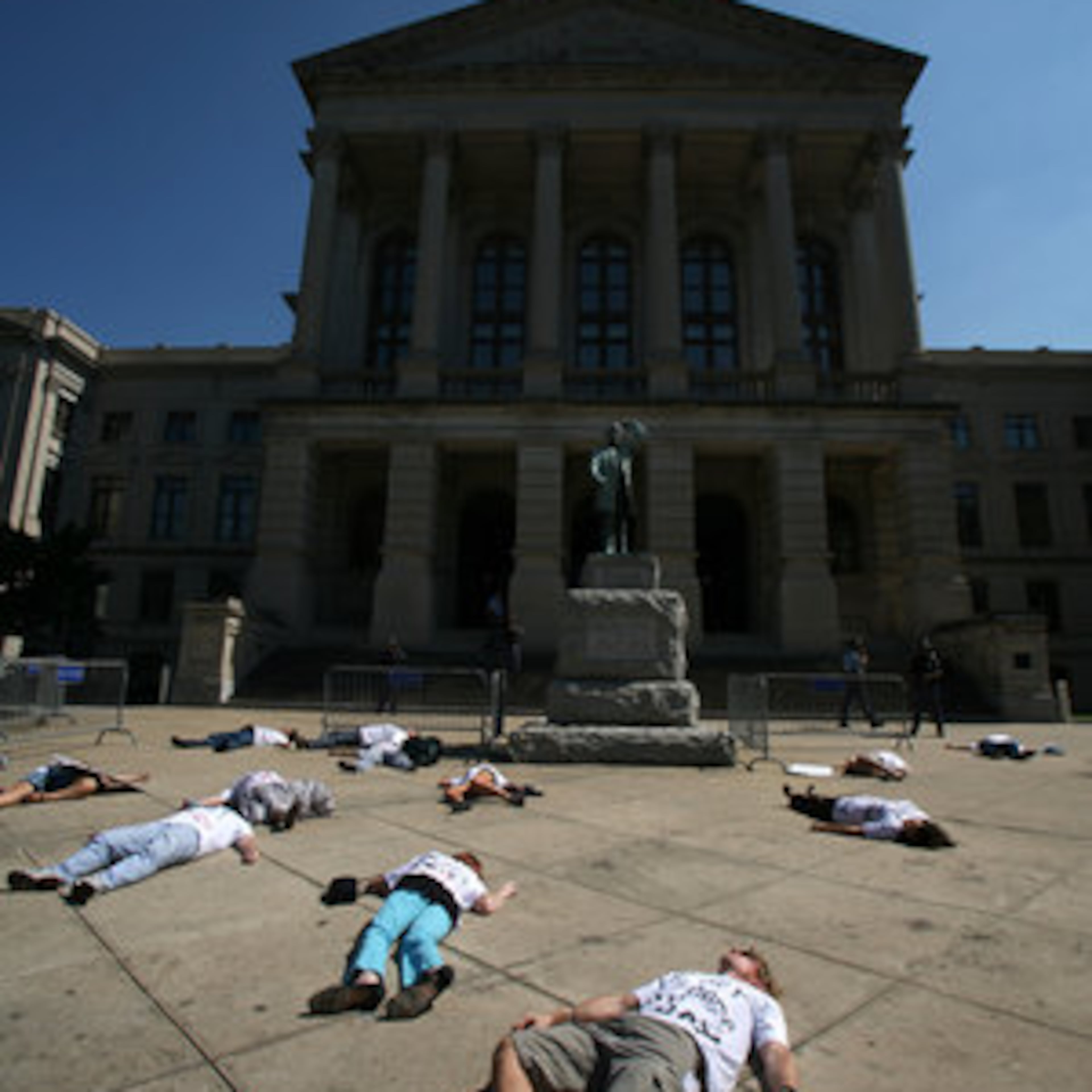
With a Democrat in the governor’s mansion, a Democrat Attorney General and a Dem-controlled state House next year, some death penalty abolitionists say this could be Georgia’s chance to end the practice for good.
“New leadership brings Georgia back to an old question,” said Vanessa Griddine-Jones, executive director of Georgians for Alternatives to the Death Penalty. “Whether the state should have the irreversible power to take a life in the name of all Georgians and call it justice.”
Bottoms and the incoming state leadership now inherit that question, Griddine-Jones said.
There are currently 33 people on Georgia’s death row, 32 men and one woman. While Georgia’s governor doesn’t have the direct authority to commute sentences the way other governors do, they are tasked with appointing members to the Board of Pardons and Paroles.
It’s those five members who have the power to grant clemency, typically during closed-door hearings held the day before a scheduled execution.

Georgia’s attorney general, meanwhile, represents the state when a death sentence gets challenged in court. And Georgia’s state lawmakers have the authority rewrite the statute and potentially end the death penalty altogether.
Hood suggested in his letter that while Bottoms may not have the direct authority to end executions, she could wield her newfound influence to make major changes.
“Your office alone holds nearly every other power that an execution needs to be able to happen,” the letter says. “It needs money. You draft the budget. Leave the killing unfunded. It needs a department. You choose the commissioner who runs the prisons, writes the protocol and buys the drugs. Put every page under review. End the buying.
“It needs a room. Order the chamber in Jackson shut. It needs a board that refuses mercy. You fill each of the five seats on the Board of Pardons and Paroles as it opens. Fill them with people who are willing to grant mercy.”
The push comes after Gov. Gavin Newsom’s recent decision to commute the sentences of all 548 people on California’s death row, giving them life without parole instead. There was also the botched attempt to execute Christa Pike in Tennessee several weeks ago, which raised new concerns about Georgia’s use of the drug pentobarbital in lethal injections.
In an interview with The Atlanta Journal-Constitution’s editorial board ahead of the election, Bottoms said she has long wrestled with the death penalty over concerns it is disproportionately applied to Black defendants.
“I personally have very mixed emotions about it, but I do know there are some crimes that are so horrific that I can understand why that penalty may be deemed appropriate,” she said. “But I am deeply conflicted just because it seems to be unfairly applied racially.”
A recent Gallup poll found fewer than half of American adults support the death penalty. Just 49% of adults are in favor of capital punishment for convicted murders, the poll found, and 45% are opposed.
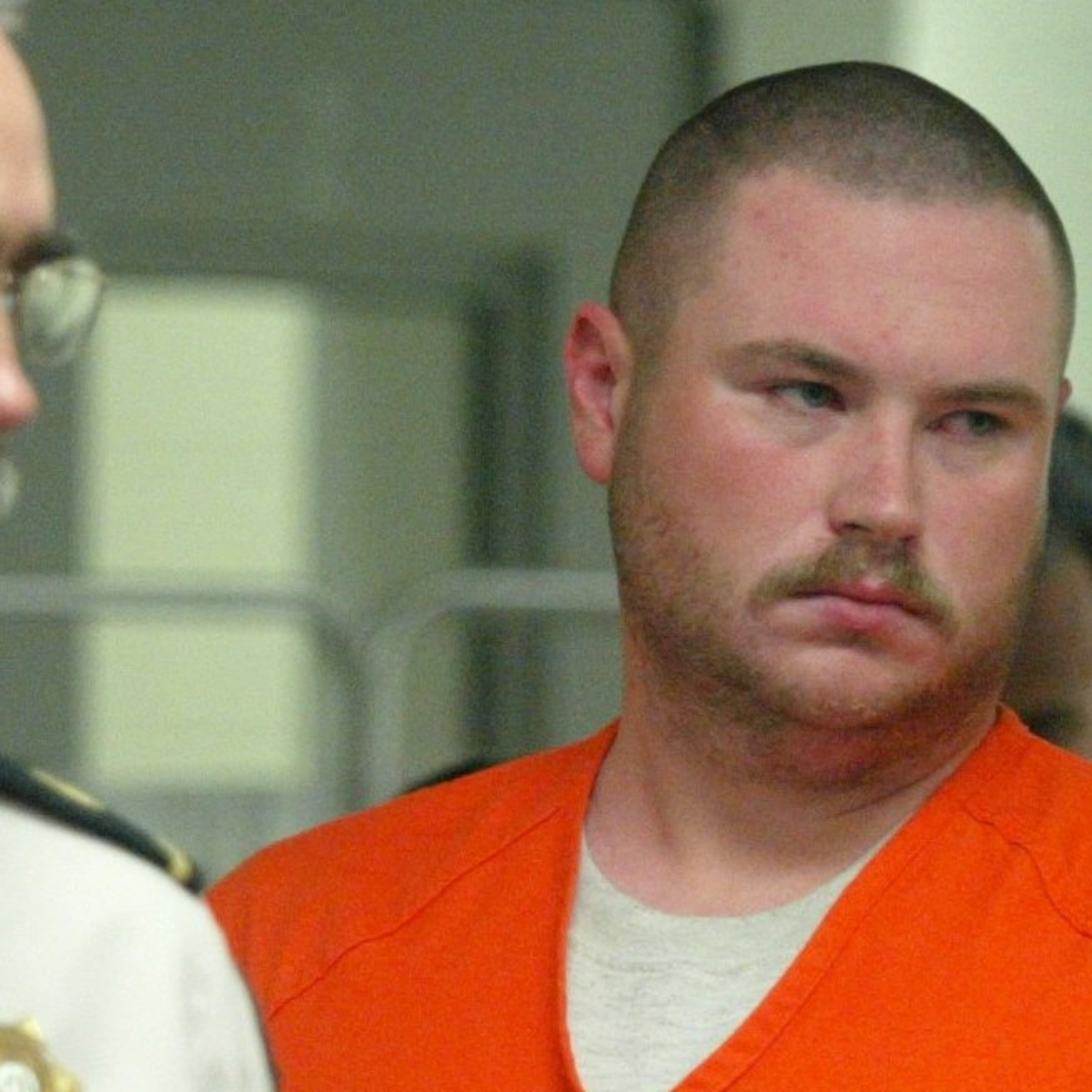
In 1976, the Southern Center for Human Rights was founded by local faith leaders, attorneys and organizers to confront inhumane conditions in Southern prisons and the reinstatement of the death penalty by the U.S. Supreme Court.
In a statement Thursday, the organization’s director said they looked forward to working with Georgia’s new leaders.
“We are hopeful that new leadership will work with Georgia’s deeply rooted advocacy community as it assesses whether Georgia should continue its experiment with capital punishment,” said Executive Director Terrica Redfield Ganzy.
Hood, the death row preacher who opposes the death penalty, called it the most consequential act the state carries out.
In his letter to Bottoms, he congratulated the governor-elect on her historic win, and urged her to use the power of her office to push for a moratorium on all executions.
“I remember the fight over the state flag,” he wrote. I never imagined we would live to see this day, the first Black woman governor in American history."
He urged Bottoms to make history again by launching what he called an “examination of the harshest outcome possible” and changing the way the state treats those who are condemned to die.