ICE paid millions for empty beds; GAO warns of ‘significant waste’


The Trump administration received $45 billion last year for immigrant detention centers — a windfall that was, in part, meant to scale up detention space in Georgia and around the country.
In a federal watchdog report published last week, government investigators raised questions about spending decisions made by Immigration and Customs Enforcement. The Government Accountability Office review found that ICE “did not provide any type of cost effectiveness assessment” as it greenlit a spending surge to rapidly expand its detention footprint.
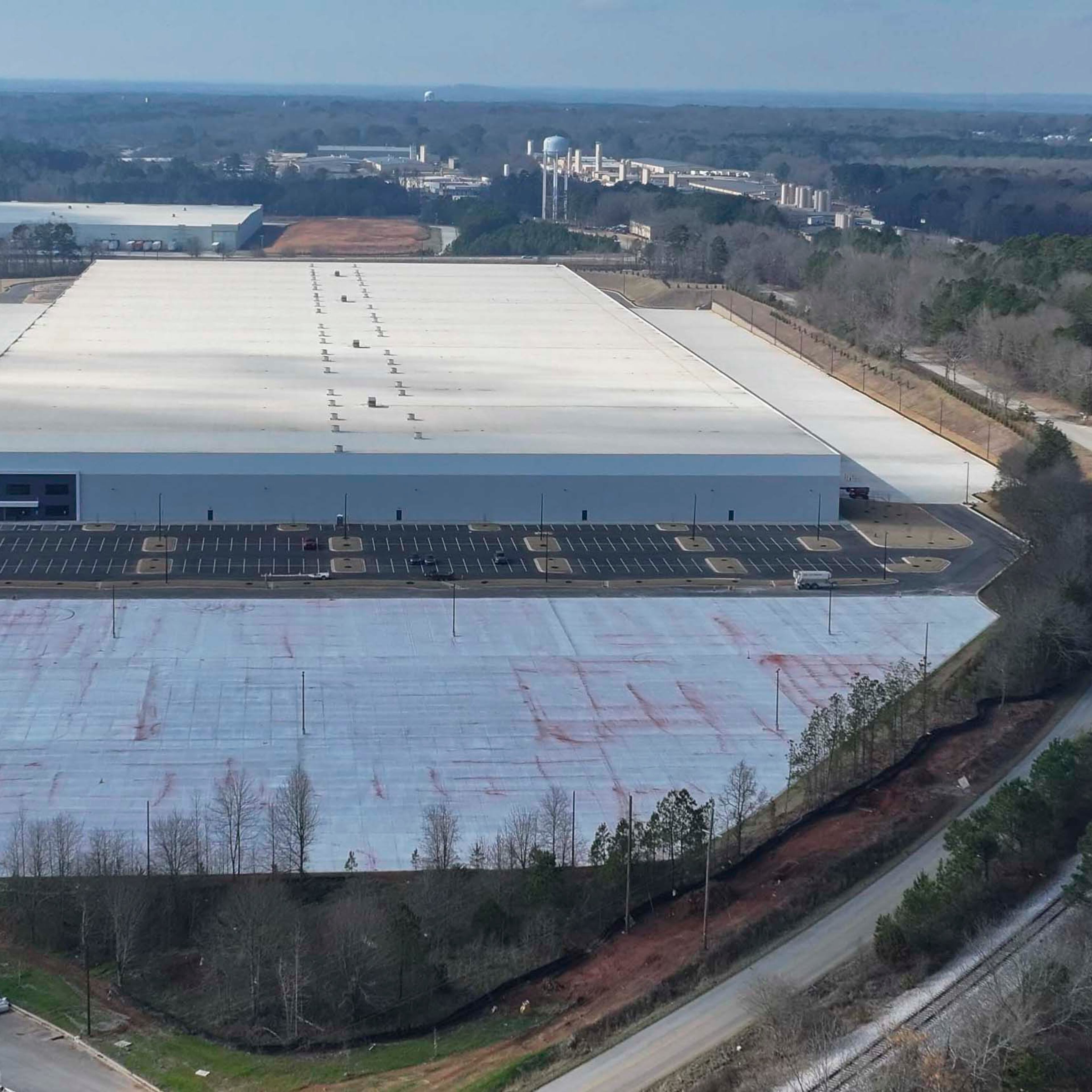
In Georgia, the purchase of two warehouses near metro Atlanta fit into a broader initiative of purchasing industrial facilities for future detention that auditors described as “a major investment that was implemented rapidly and will likely result in significant waste.”
Elsewhere in the state, a vastly expanded immigrant detention center led to an outlay of millions of dollars for beds that wound up going unused.
Moving forward, GAO officials recommend that ICE update its spending plan for detention funding, and develop life-cycle cost estimates before making new detention investments.
“Lacking these life-cycle cost estimates, ICE will likely continue to make investment decisions with limited information and risk overpaying for these acquisitions,” report authors wrote.
ICE’s parent agency, the Department of Homeland Security, responded to GAO within the report, saying it agreed with the recommendations made.
In a letter to the government watchdog, DHS wrote that it “remains committed to ICE strengthening the necessary processes, policies, procedures, and safeguards to ensure the continual oversight and management of ICE’s financial resources as it carries out its mission.”
Warehouse purchases criticized
A section of the GAO study reads as an autopsy of ICE’s costly and ill-fated plan to convert sprawling industrial warehouses into detention facilities.
That plan ran through Georgia.
Two of the eleven warehouses acquired by ICE lie roughly one hour away from Atlanta, in the small towns of Social Circle and Oakwood.


The Atlanta Journal-Constitution previously reported that the price paid by ICE for its Georgia warehouses far exceeded those properties’ assessed values, a finding upheld in the GAO report. That gap was especially salient in Oakwood, where the purchase price of $68 million was the equivalent of 355% of the building’s 2026 publicly assessed value.
Although it notes that tax assessment data does not always capture fair market value, the report authors warn that ICE “potentially overpaid for many of the warehouses it purchased.”
Following a change of leadership at DHS, immigration officials decided earlier this year to sharply curtail the size of its warehouse initiative. Local authorities, including in Georgia, had voiced strong opposition to the project and filed lawsuits to stop it.

As discussed in the GAO report, ICE intends to sell seven of the eleven warehouses it purchased across the country, including the two in Georgia.
Given the high purchase prices for the warehouses, the decision to sell “entails immediate sunk costs and demonstrates the potential for significant waste,” auditors said.
Millions for empty beds in South Georgia
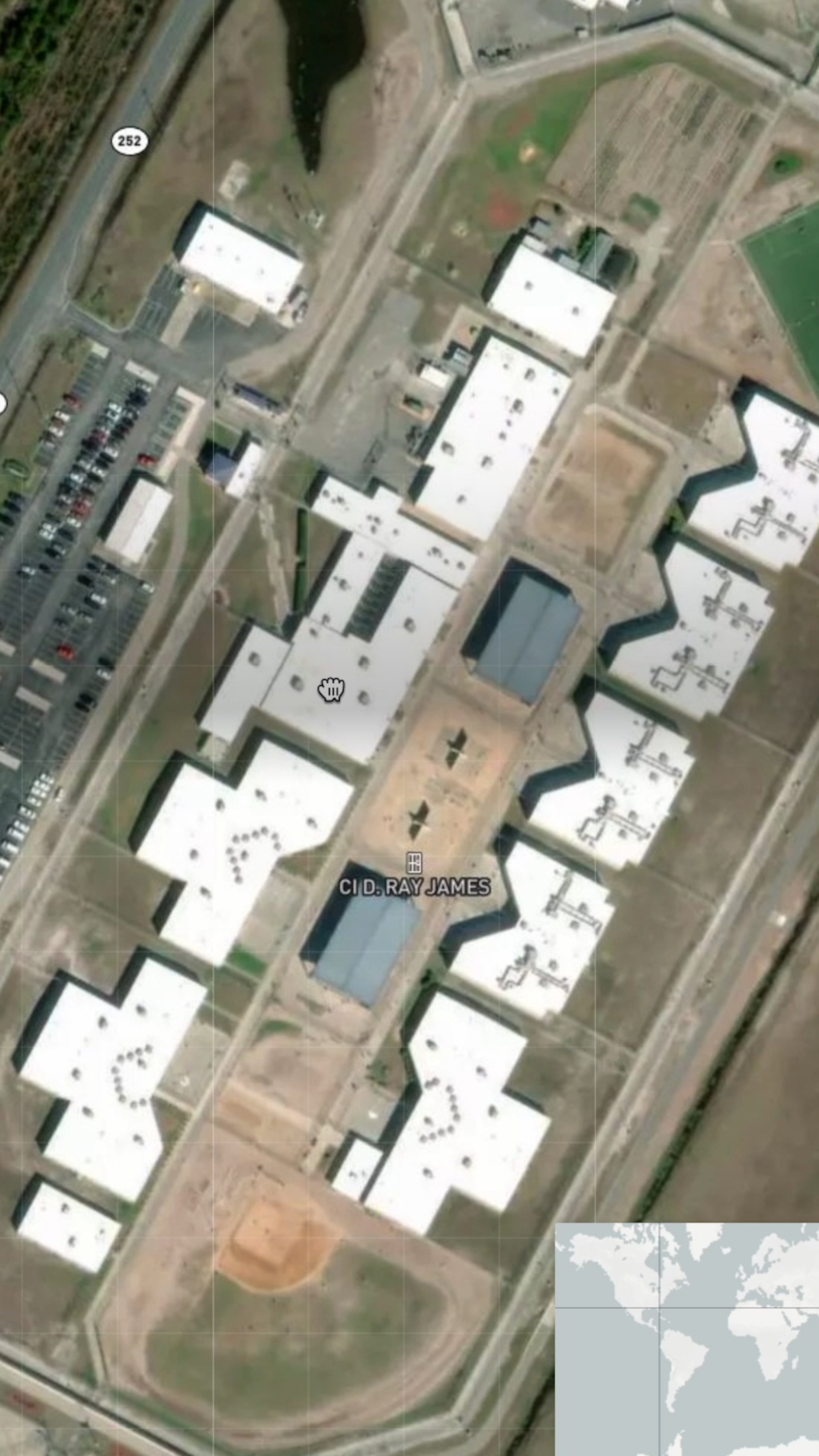
In the summer of 2025, ICE added the D. Ray James Correctional Facility to a preexisting detention hub in the South Georgia town of Folkston, near the Florida border.
But even amid surging immigration arrests, the agency struggled to fill the 1,800 bed facility. The nature of ICE’s contract led to millions of taxpayer dollars going toward empty beds, the report found.
According to the GAO report, ICE committed to paying for a guaranteed minimum number of 1,308 beds at the D. Ray James facility regardless of whether it had enough immigrant detainees to fill them.
From October 2025 to April 2026, the detention center’s average daily population was 1,159. That amounted to a monthly outlay of $540,000 for empty beds, GAO auditors found, or roughly $3.8 million over the period examined in the report.
The Folkston detention center is one of many facilities “with relatively high costs” in which ICE began holding detainees starting last year.
In its report, the GAO identified four other facilities across the country governed by similar requirements to make guaranteed payments for a fixed number of beds. In total, ICE spent $13 million per month on unused beds, auditors found.
Federal officials had previously uncovered that the Stewart Detention Center, Georgia’s largest ICE detention facility, also incurred millions in spending for empty bed space during a Covid-fueled period of low occupancy.
Guaranteed payments protect facility operators from financial loss and can save the government money if agreements are structured to include lower-priced bed rates if ICE uses more than the fixed minimum of beds, GAO auditors explained.
“Further, we reported that these payment structures help ICE secure detention space when it has an urgent need and limited options, according to ICE officials,” the report says. “However, guaranteed payments also present the risk of ICE paying for beds it does not use.”