‘It’s terrifying’: Council members still wary of Atlanta’s surveillance tech
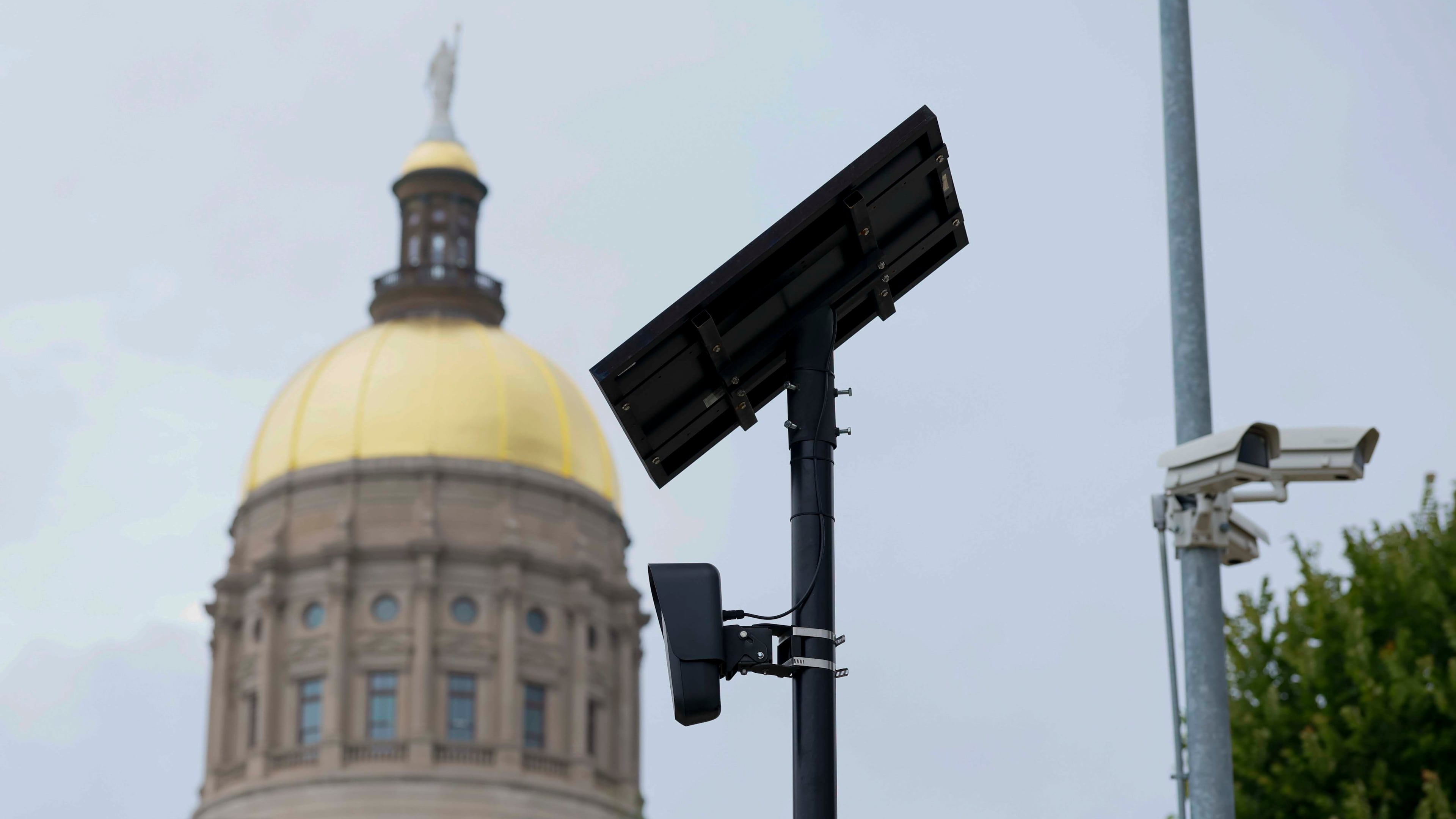

City Council members had tough questions for Atlanta’s police chief Wednesday during a heated debate over how to best regulate the city’s sprawling surveillance network.
Chief Darin Schierbaum, meanwhile, called Atlanta’s cameras and license plate readers valuable investigative tools that have helped his detectives solve more than 60% of the city’s homicides so far this year.
Recent policy changes were put in place to deter officers from misusing the Flock Safety network and other surveillance technology, the chief said. But an estimated 2,000 people, both sworn officers and “certain civilians,” still have access to the city’s intricate network of license-plate readers.
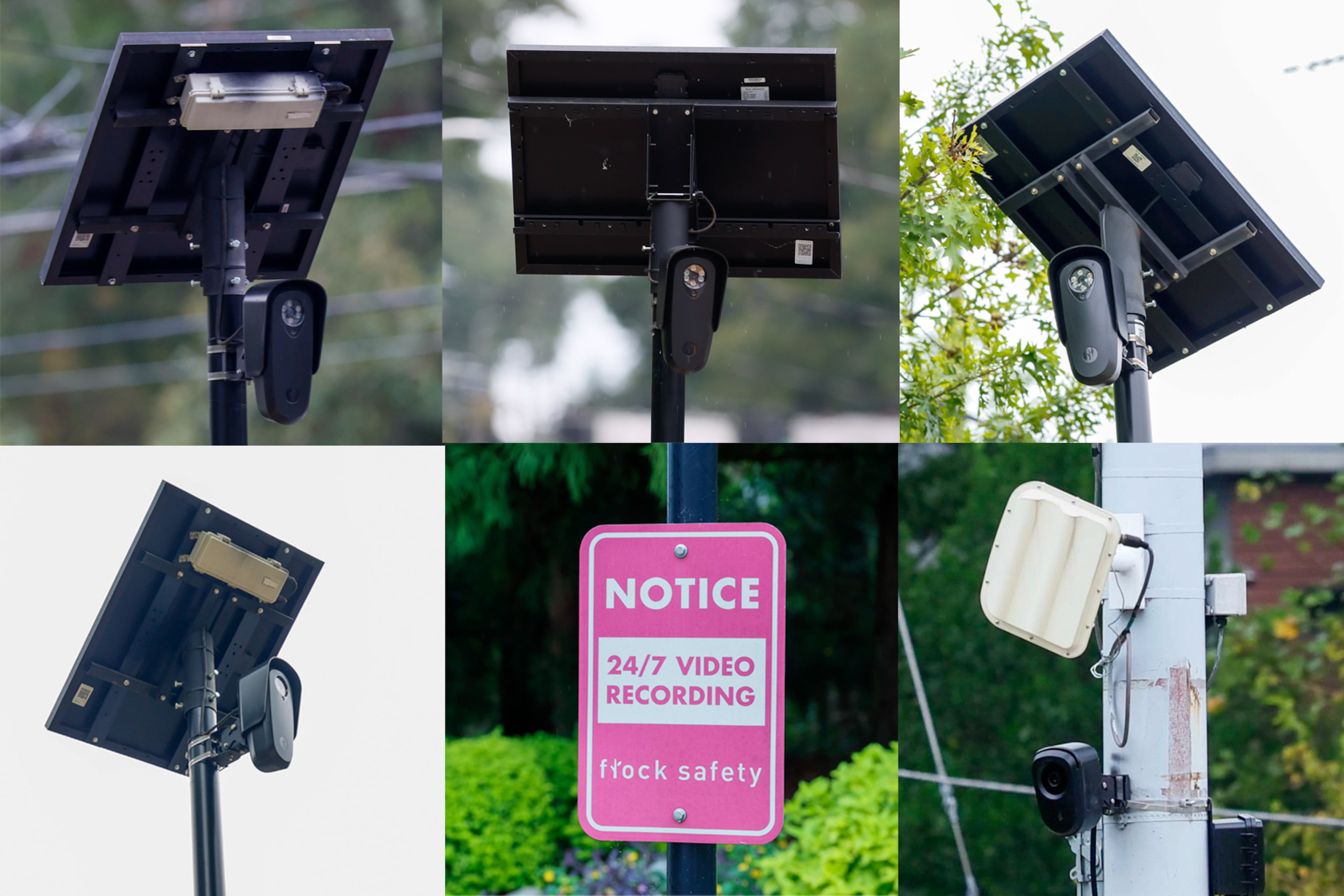
The Atlanta Police Department owns nearly 2,600 cameras and has access to 730 license-plate readers across the city, Schierbaum told council members at Wednesday’s work session.
There are currently three companies that operate license plate readers within Atlanta, he said: Flock, Axon and Genetec.
The city has just one contract with Flock for LPRs at the airport, city officials said. But many of the others used by APD are funded by the Atlanta Police Foundation.
And Atlanta’s surveillance tech goes beyond just license plate readers.
The police department has nearly three-dozen drones that can be deployed to crime scenes, crash sites and special events.
APD also has access to more than 28,000 private cameras that have been integrated into its surveillance network, along with more than 17,500 personal cameras from businesses and homeowners that are “connected,” meaning investigators can request that footage if a crime occurs nearby.

City leaders have spent months crafting legislation aimed at governing the controversial technology amid the national backlash. The goal, they say, is to balance mounting privacy concerns with the need to keep people safe in what’s widely considered the most surveilled city in the nation.
But elected officials seemed sharply divided over the benefits of Flock and similar surveillance technology in Atlanta, with some calling it essential and others arguing it’s a slippery slope toward a surveillance state.
“City Councils across the nation are — responsibly, in my opinion — canceling their mass surveillance contracts,” Council member Liliana Bakhtiari said, indicating she’d be open to doing the same.
She said the city has been installing license-plate readers for the last six years without regulations, and said “it’s terrifying” that so many people are exposed to what she described as warrantless surveillance.
“I don’t trust this technology and my district doesn’t trust this technology,” she told Schierbaum.
Council President Marci Collier Overstreet reminded her colleagues that some neighborhoods feel safer having cameras.
“There is an audience of neighbors and citizens in the city of Atlanta that actually do want cameras,” Overstreet said, adding constituents repeatedly asked for license plate readers to be installed when she represented District 11.
Overstreet said it’s important to strike a balance between solving crime and putting guardrails around the technology used by law enforcement.
Council member Kelsea Bond, who has been an outspoken critic of the city’s surveillance network, said it’s nearly impossible to avoid being surveilled in Atlanta.
“Our constituents have no control over where they are being surveilled,” Bond said. “They could be walking out of their front door, they could be walking out of work. And no matter what, a camera is watching them.”
Bond and Bakhtiari seemed frustrated by city staff’s inability to provide a detailed list of surveillance technology used by the police department or say exactly how much how much those tools cost.
Mayor Andre Dickens proposed changes to the city’s Flock policy in September after a departmentwide audit flagged several dozen questionable searches.
The audit was announced after dozens of Georgia law enforcement officers were fired or arrested for allegedly accessing the sprawling network of tag readers for “non-law enforcement purposes.”
Of the 115,578 APD searches audited since the start of 2026, city leaders said 0.07%, roughly 79 searches, were “flagged for additional review.”
Further investigation is underway to determine whether any of those searches deviated from policy or training, but it’s still unclear if any Atlanta officers could be fired or charged.
It’s also unclear when the results of that deeper dive will be released.
Schierbaum said he expects his officers to follow department policy and the law, and said anyone who doesn’t will be disciplined accordingly.
“If we find any misuse, we’re going to hold you accountable,” he said.
Council members will likely continue the discussion during next week’s Public Safety committee meeting.