Amid growing scrutiny, Atlanta police look to root out Flock misuse

As a growing number of law enforcement officers are fired or arrested for allegedly misusing license plate readers, the state’s largest police department is conducting an audit of its own.
The Atlanta Police Department has assembled a team to look for unauthorized use of the surveillance technology within its ranks, Deputy Chief Jason Smith told Atlanta City Council members.
Dozens of Georgia police officers have been terminated, placed on leave or criminally charged in recent months after allegedly accessing Flock Safety’s sprawling network of tag readers for “non-law enforcement purposes.”
So far, Atlanta has not publicly announced any incidents of suspected misuse by its officers, raising some questions about what department leaders might find when taking a deeper look.
“There’s a number of problems with the technology and the way it’s been rolled out and marketed,” said Volkan Topalli, a criminology professor at Georgia State University.
“In the old days, it used to be an officer running a license plate when they weren’t supposed to, to find out who somebody was or where they lived,” he said. “Today, it’s things like looking up an ex-wife or checking in on a neighbor — misusing the technology that way.”
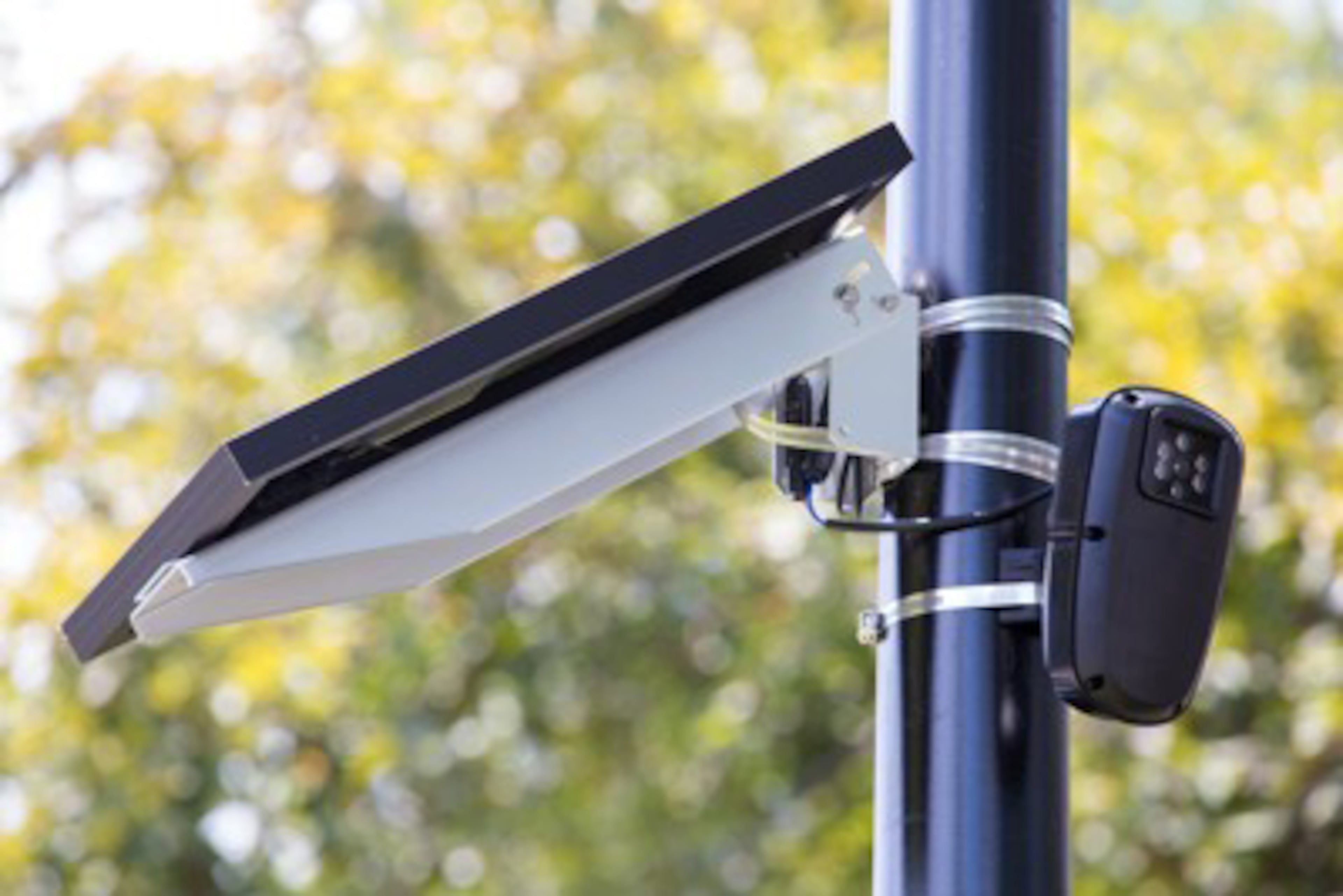
In a memo obtained by The Atlanta Journal-Constitution, Atlanta Chief Operating Officer LaChandra Burks said the mayor directed APD and the city’s law department to “undertake a comprehensive review” of Atlanta’s Flock surveillance system and associated policies and procedures.
“The purpose of this review is to ensure that the city’s use of public safety technology continues to meet appropriate standards for security, accountability, transparency, privacy and authorized use,” Burks wrote.
APD will also review policies governing access and oversight of it’s Flock system, and look for potential “corrective actions” and improvements to strengthen safeguards, Burks said.
The memo, addressed to City Council members, said the findings of the Flock audit should be available in 30 days.
The Atlanta-based company has made headlines across the nation in recent months as more people push back against the surveillance giant. Questions have been raised about what is done with the license plate data and who can access it, prompting some to urge local governments to drop their Flock contracts altogether.
There have also been instances of people vandalizing the automated cameras.
But law enforcement officers, along with Flock officials, have touted the technology as an investigative game-changer that helps police track down fugitives, locate missing people and even solve crimes more quickly.
Whether Flock cameras actually deter crime remains a matter of debate. Some law enforcement leaders and company officials have said they do. Topalli and other crime experts argue there’s not enough data to support the claim.
In Atlanta, automated license plate readers have been used to locate suspects in deadly, high-profile shootings. And late last month, the readers helped police track down a vehicle that was stolen with a toddler inside, Smith said.
“It was just a great, coordinated effort ... using the technology and the cameras,” Smith told City Council members this week.
Lt. Courtney Murphy, president of Atlanta’s police union, said examples like that are the reason Flock access is given to each officer on the force.
Murphy said she’s aware of the growing number of officers getting in trouble for misusing the license plate readers, and believes there should be checks in place to maintain the public’s trust.
“The audit is a good thing,” she said. “Officers should be using this system for criminal investigations and for our duties.”
While Georgia is one of a handful of states with laws that criminalize the use of license plate reader data without a legitimate law enforcement purpose, the statute does not require police departments to conduct internal audits of system use.
In April, Flock rolled out a new “audit assistance” feature that can automatically flag officer searches that seem suspicious. This new feature has seemingly led to the staggering spike in law enforcement personnel getting in trouble. The company announced Thursday that its misuse detection feature, which was previously optional, would be “mandatory for every customer.”
“Any misuse of that system is going to be identified and those personnel are going to be dealt with,” Smith told council members. “Our goal is to root out anything we find to be problematic.”
Lance LoRusso, a local defense attorney who represents officers charged with crimes, said it’s important to make sure the audit is accurate.
One concern both he and the union president raised is the possibility of officers being flagged for a typographical error, or some other honest mistake while using the system.
“That’s one of the things that’s going to be a challenge,” he said.
As for the technology itself, LoRusso called the license plate readers a “tremendous asset” to police. The question is how to best regulate that relatively new technology, he said.
“You don’t have a stolen car running around for six or eight weeks without anyone knowing about it. You don’t have a person with dementia driving to other states,” LoRusso said. “Doing away with the tool would hurt a lot of people.”
While there have been allegations of officers using Flock’s system to stalk exes or track their partners’ whereabouts, Topalli said many of the flagged searches have been the result of law enforcement looking up friends and colleagues.
He likened that curiosity to Google searching the name of a former lover or plugging a neighbor’s address into Zillow to see what their home is worth.
“When the technology is easy to use, it’s going to get adopted quickly,” Topalli said. “And if you’re doing that without setting up proper training, proper legal advice and proper culture around the use of that technology, you’re going to run into problems.”