Do Atlanta drivers really need all-wheel drive?
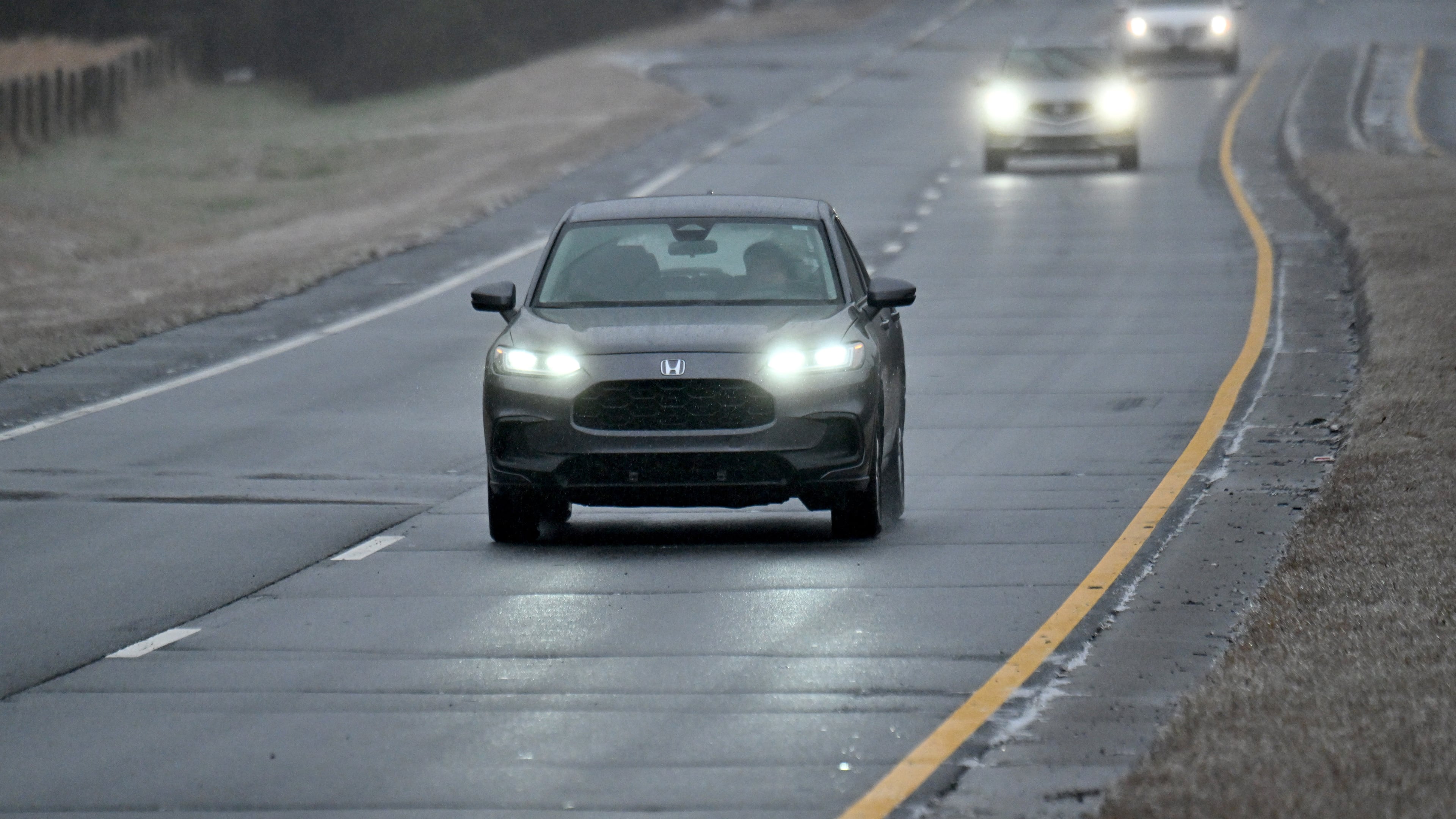
Picture this: you’re shopping for a new car and come across two SUVs on the lot. One has all-wheel drive and the other does not.
The one with AWD costs significantly more money. For the average Atlanta driver, is AWD worth paying for?
All-wheel drive is a vehicle system that sends engine power and torque to all four wheels as needed.
There are benefits to having AWD on your vehicle. It can help get you moving when traction is poor by sending power to wheels that have better grip on loose, snowy or slippery surfaces. While it can improve traction during acceleration, it does not substantially help the car stop. AWD helps you go, but your tires and brakes still have to help you stop.
Atlanta weather
In metro Atlanta, you can find heavy rain, steep driveways and occasional winter weather. These conditions mean AWD is probably not a necessity for most drivers. Yes, there is the occasional snow, but compared with other parts of the country, it may not be justifiable to tack on the added expense.
Other road and weather factors to consider are heavy thunderstorms and standing water, slick roads from oil and grime after the rain, leaves and debris, as well as occasional ice. AWD can provide additional traction when accelerating on some slick surfaces, but good tires often matter more. AWD cannot prevent hydroplaning, which depends largely on tire condition, speed and the amount of water on the road.

Why tires matter
Tires are one of the most important components on a car. They’re the connection between the vehicle and the road. A front-wheel drive car with excellent tires can have better braking and cornering grip than an AWD vehicle with worn or poor-quality tires.
In an FWD vehicle, power is delivered to the front wheels. FWD vehicles are known for offering good all-weather traction. They can even offer good traction on snowy roads when equipped with the right tires. AWD vehicles can provide an advantage when accelerating on snow or other low-traction surfaces, but AWD does not inherently improve braking or cornering grip. FWD vehicles also often get better fuel economy than comparable AWD versions.
For Atlanta drivers, quality all-season tires should do the trick year-round. Be sure to replace your tires before the tread gets too low. Maintaining the correct air pressure also helps tires wear properly and perform as intended. Go by the tire pressure number on the door jamb, rather than the maximum pressure listed on the sidewall. An AWD vehicle does not compensate for worn tires. If budget is a primary concern, spending more on good tires is preferable to spending it on AWD solely for added traction.
What AWD actually costs
AWD usually adds to a vehicle’s purchase price, although the premium varies by model and trim. In return, buyers get additional traction in certain conditions, but they may also accept slightly lower fuel economy, more drivetrain components and potentially higher repair costs as the vehicle ages.
For an Atlanta driver who rarely encounters snow, gravel roads or steep terrain, that can be a poor trade: paying more every day for capability that may be used only occasionally. But for someone who regularly travels to North Georgia, drives in winter weather or needs to get to work regardless of conditions, the added cost may be easier to justify.
AWD can also complicate tire replacement on some vehicles because all four tires may need to remain closely matched in size and tread depth. That can mean replacing more than one tire when a single tire is damaged.
The key is to look beyond the sticker price. AWD is not necessarily a bad value, but Atlanta shoppers should make sure they are paying for capability they are actually likely to use.
When AWD makes sense in Atlanta
Atlantans can justify AWD if they regularly drive into North Georgia or the mountains, own a home with a steep driveway, travel frequently to colder climates, drive on gravel or poorly maintained roads or need to leave home regardless of the weather. AWD can also make sense for those who simply value the extra traction enough to accept the cost. For some shoppers, that added capability is worth the extra expense even if they rarely need it.
Atlanta’s snow-day reality
When Atlanta gets meaningful snow or ice, AWD can help; but the larger problem is that the roads themselves become hazardous and other drivers may be unprepared. Ice presents a different problem from snow. AWD cannot create grip where virtually none exists. Sending power to four wheels doesn’t help much when all four tires are sliding.
Since Atlanta averages about 2.2 inches of snow a year, it’s unlikely most drivers will encounter enough snow to make AWD a necessity on that basis alone.
So, should you buy it?
For most metro Atlanta drivers, AWD is a nice-to-have rather than a must-have. Choose it when your lifestyle provides a reason and it makes budgetary sense, not because a salesperson says it makes the vehicle safer. Typical commuters should prioritize good tires, electronic stability control, sensible driving and staying home when Atlanta turns into an ice rink.
Beth Livesay is a Texas-based editor at Cox Automotive. Prior to her work writing about cars, she spent 12 years running print and digital magazines. She has written for HuffPost, The Tease, Revlon, Bloomingdale’s and National Hardware, among other brands.
The Steering Column is a weekly consumer auto column from Cox Automotive. Cox Automotive and The Atlanta Journal-Constitution are owned by parent company, Atlanta-based Cox Enterprises.