Search for new MARTA leader comes down to 3 candidates
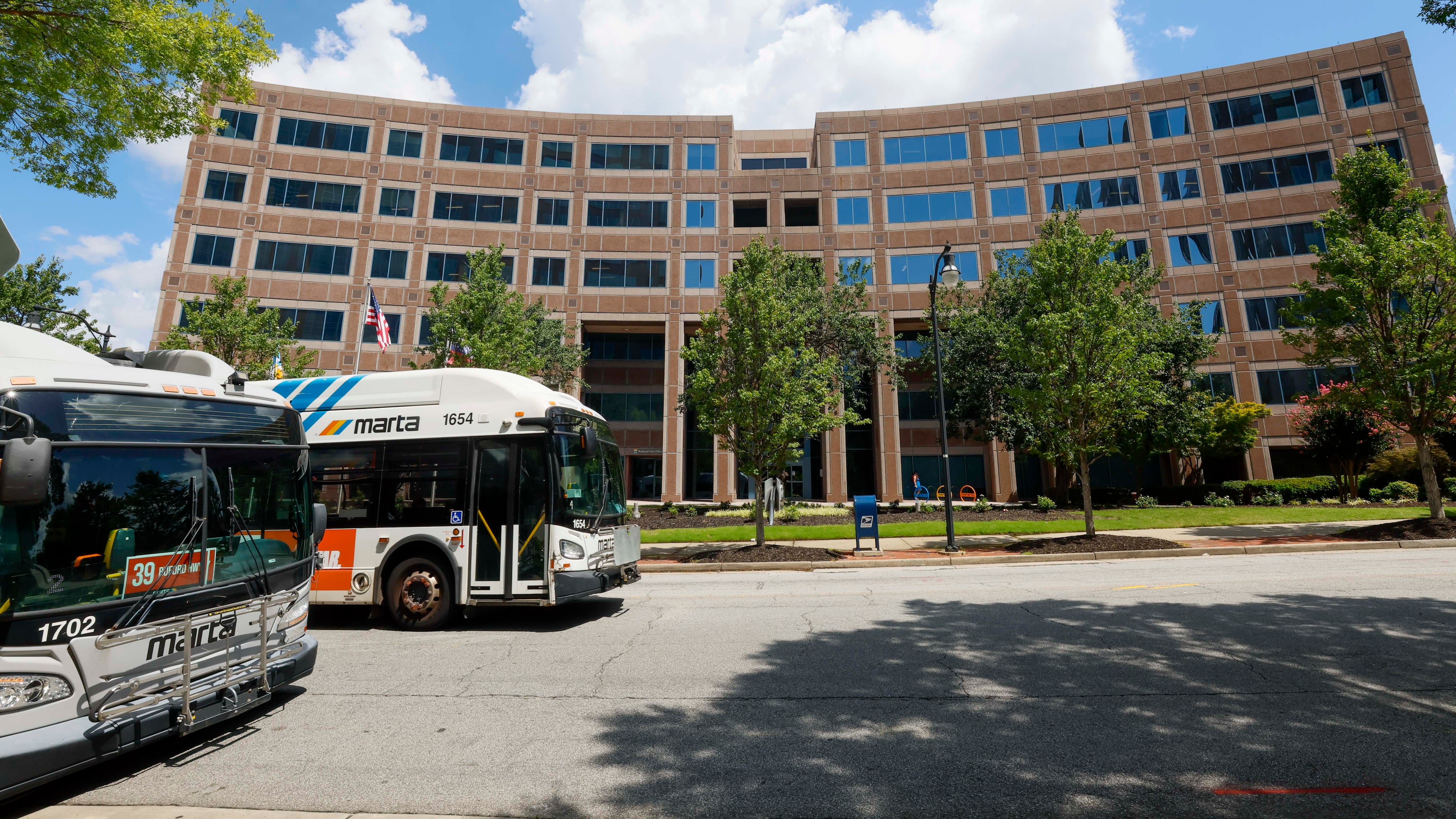
A year after saying they wanted to look beyond the transit industry for its next leader, MARTA’s Board of Directors has named three finalists with long resumes working for transit agencies.
Interim General Manager and CEO Jonathan Hunt, who announced he was seeking the job last month, is among the finalists, along with high-ranking officials from transit systems in Washington, D.C., and Jacksonville, Florida.
The names of Hunt, Cleveland Ferguson from the Jacksonville Transportation Authority, and Leroy Jones from the Washington Metropolitan Area Transit Authority were publicly announced Monday, the same day each interviewed with MARTA’s board of directors.
Interviews with the candidates were held privately, which the state’s Open Meetings Act allows for personnel discussions. The board is expected to vote to name a new general manager and CEO at its Thursday meeting. Board Chair Jennifer Ide declined an interview Monday but said the board had three strong candidates.
“Choosing MARTA’s next GM/CEO is one of the most consequential decisions this board will make, and the region deserves a rigorous process,” Ide said in a statement. “I’m proud of the national search we ran and of the caliber of the three finalists it produced.”
MARTA has been without a permanent chief for more than a year, ever since former General Manager and CEO Collie Greenwood stepped down because of issues with the Canadian citizen’s work visa.
Hunt was named interim last August and initially said he was not interested in the permanent position leading the nation’s eighth-largest transit agency. Then in July, Hunt said he wanted it after all.
Greenwood’s term as CEO was contentious at times, and he alienated many political, business and civic leaders. Criticism was mounting in the days before he resigned after service issues marred the Peachtree Road Race and an escalator malfunctioned after a Beyoncé concert.
After he resigned, Ide said the board realized urgency was needed to “turn the ship around.”
Hunt, who worked as MARTA’s chief legal counsel before being tapped as interim leader, pledged to spend his time as chief winning back the public’s trust.

Hunt ended up in charge of MARTA during a pivotal year that included the FIFA World Cup games and multiple major capital projects either nearing or crossing the finish line.
Some of the rollouts have been rocky: Before the World Cup, MARTA pledged to introduce new trains, a new payment system and fare gates with tap-to-pay capabilities; its new redesigned bus network and the region’s first rapid bus line.
The projects all started before Hunt was named interim, and some were already behind schedule before he took over.
Only the bus network has been fully implemented. The Rapid A bus line is operating while construction continues to fully complete the line. The new payment system is implemented, but fare gates aren’t installed yet at many stations. It’s been more than two months since the new trains were supposed to debut.
Under Hunt, MARTA has also dealt with a spate of random violence on the system, including the fatal stabbing of a 66-year-old woman, which resulted in the Federal Transit Administration and state lawmakers launching investigations.
Still, Hunt has received high marks from political, business and civic leaders who have praised his approach and say he’s been a good partner.
“We have a GM who we work well with,” Courtney English, Atlanta Mayor Andre Dickens’ chief of staff, told a group of transit advocates last month. “There’s a lot of synergy in terms of what Jonathan Hunt’s vision for the city is and what the mayor’s vision is.”
WMATA’s Jones worked his way up
One of the finalists has spent his entire career working in transit in Washington, D.C.
Jones, the executive vice president and chief operations officer at WMATA, the capital’s transit agency, started working there as a track repairman when he was 21 years old.
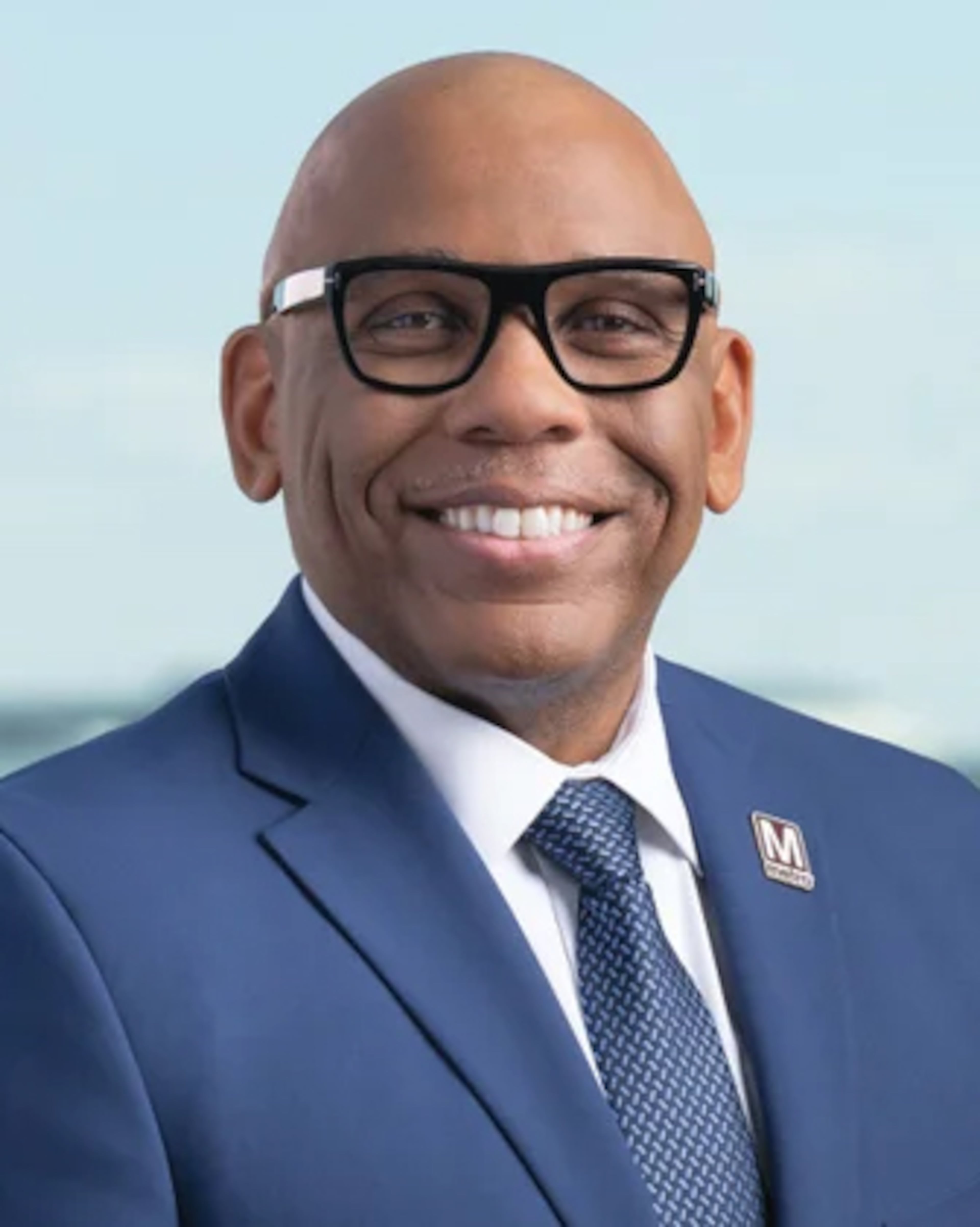
He worked overnights doing track maintenance and did his undergrad during the day, Jones said in a 2024 news release.
After graduating, Jones worked his way up through the agency. He was a project manager on the Silver Line extension, which extended rail service out to Dulles International Airport, and has since served in leadership roles overseeing rail and buses, including the launch of a redesigned bus network.
Jones was made executive vice president last year and now oversees daily operations at WMATA, the second-largest transit system in the country.
WMATA has been more successful than almost every other transit agency when it comes to recovering ridership that was lost during the pandemic, according to federal ridership data.
Through the end of 2025, the agency had recovered 80% of its pre-pandemic ridership, a rate beaten only by New York City and Miami. MARTA, meanwhile, had recovered just half of its ridership.
Jacksonville’s Ferguson spent 11 years at JTA
The third finalist comes from Jacksonville, Florida.
Cleveland Ferguson has spent 11 years with the Jacksonville Transportation Authority, the last three of which have been as executive vice president and chief administrative officer.
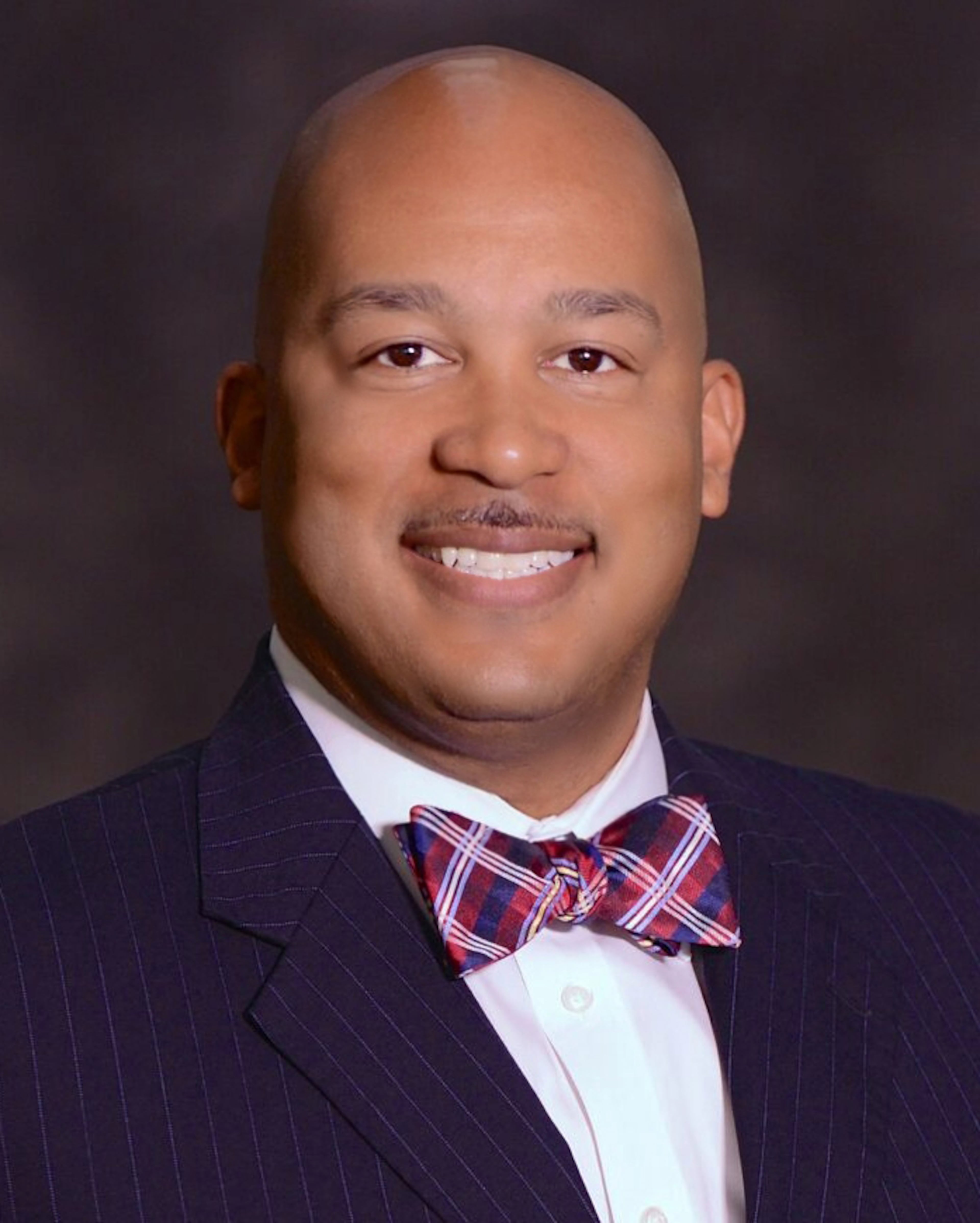
Like Hunt, he trained as a lawyer. Before joining the transit system in Jacksonville, he worked for the city and taught law at Florida Coastal School of Law, according to his LinkedIn bio.
Jacksonville is a smaller system than MARTA, with about 6.2 million bus passengers last year compared to MARTA’s 34.3 million.
It doesn’t have heavy rail but does operate a ferry, commuter bus routes and the Jacksonville Skyway, an elevated automatic people mover monorail.
The agency also operates NAVI, an autonomous vehicle program powered by Beep, the company partnering with the Atlanta Beltline on a pilot program near the West End MARTA Station and the Lee + White business and entertainment district.
Ferguson has been Nathaniel Ford’s second-in-command. Ford just recently left Jacksonville for a job in Texas, but previously served as MARTA’s general manager and CEO from 1997 to 2006.