Willkommen, bienvenue, welcome to a Eurovision Song Contest that embraces linguistic diversity
VIENNA (AP) — English has long been pop music's dominant language, but it no longer reigns supreme at the Eurovision Song Contest.
There are 25 languages, from Albanian to Ukrainian, sung onstage this year at the sequin-drenched international music competition, which reaches its finale in Vienna on Saturday. Eurovision performers increasingly want to share their mother tongues with the world.
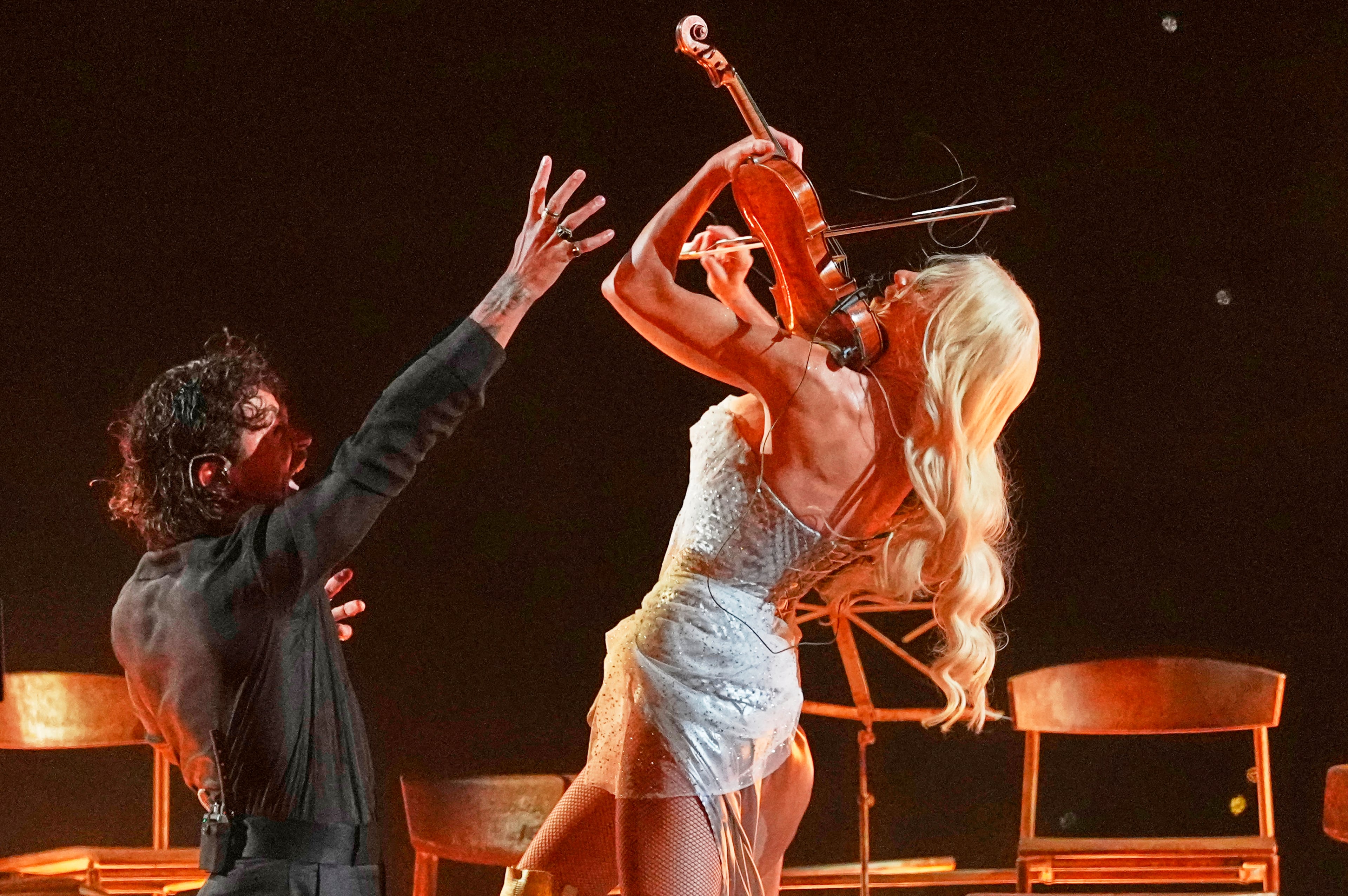
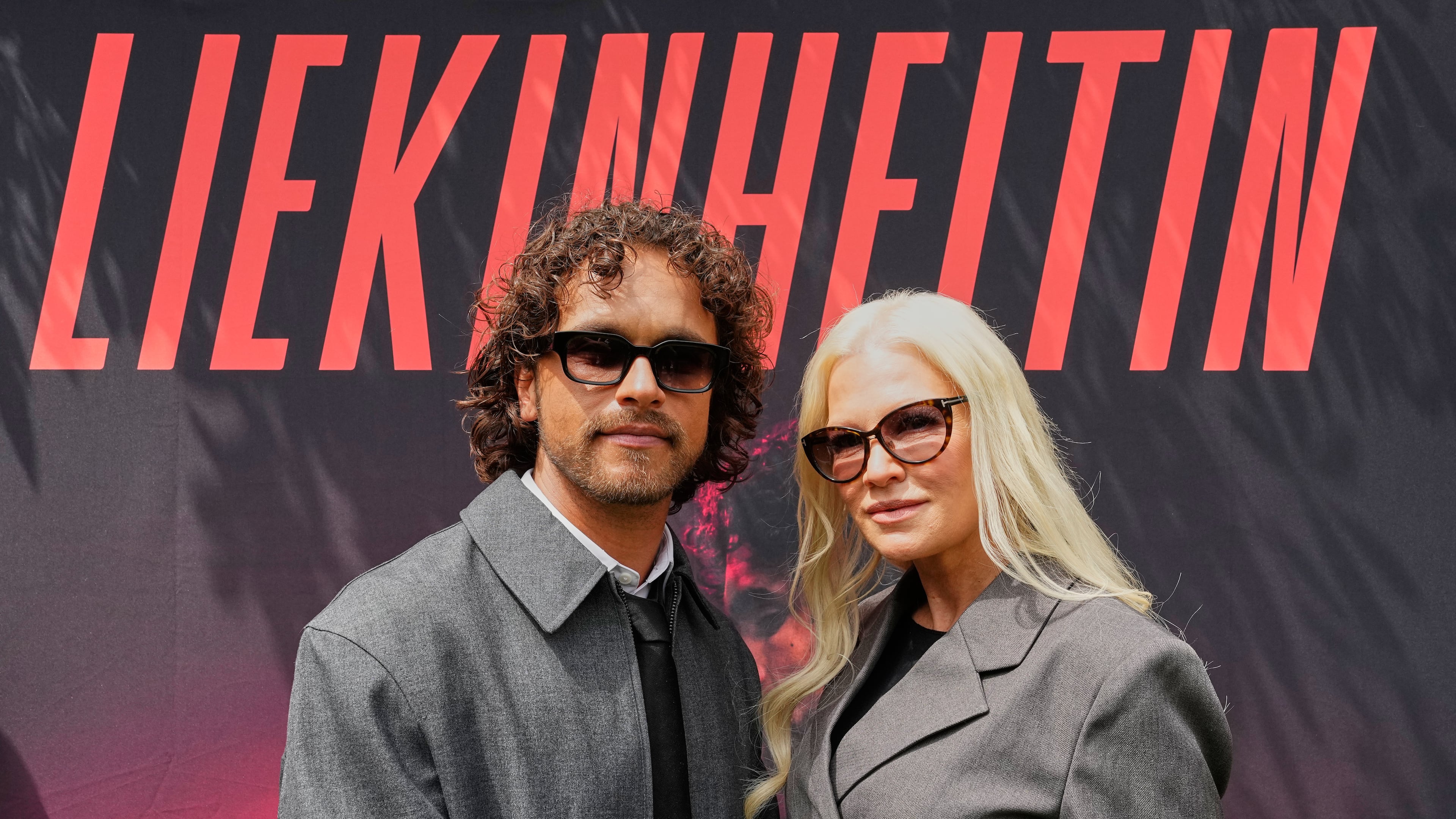
“It’s easier to talk about your feelings in your native language,” said singer Pete Parkkonen, half of the Finnish duo who are oddsmakers’ favorite to win with scorching voice-violin duet “Liekinheitin,” or “Flamethrower.”
“And the main language is love, obviously," he said.
Eurovision once mandated that acts perform in an official language of their country, but since 1999 they have been able to choose any language. For many in the years that followed, English was an obvious choice for artist's seeking an international audience.
Cultural anthropologist Andrew J. Green of King’s College London found that 20 of the 26 Eurovision winners between 1999 and 2024 were in English, but that the number of non-English songs has been growing in the past decade.
In 2016 there were only three songs with no English, and four in 2017. This year, contest organizer the European Broadcasting Union says there are 12 songs with no English, 16 entirely in English and seven that are multilingual.
The 35 acts competing at this year’s contest – 25 of whom made it through to the final – sing in languages including Spanish, German, Croatian, Azerbaijani, Latvian, Lithuanian and Romanian.
Eurovision fans around the world are learning, and singing, words like “Jalla” – a Cypriot term meaning “more,” and the name of the song by Cyprus’ contestant Antigoni – and “ferto,” or “bring it,” the title of Greek contestant Akylas’ infectiously catchy party rap song.
“Bella,” by singer Aidan from Malta, mixes English and Maltese lyrics, to the delight of fans from the Mediterranean island nation.
Joseph Pace, who traveled to Vienna to cheer for Malta, said it’s “amazing” to hear fans from other countries try to sing along in Maltese.
“That we will listen to our language on an international stage, on a huge competition like this, it’s amazing,” he said.
Then there are the songs that mix multiple languages.
“Michelle,” the ballad by Israel’s Noam Bettan, has lyrics in Hebrew, French and English. Rapper Satoshi includes shout-outs in Romanian, English, Italian, French and more on raucous crowd-pleaser “Viva, Moldova.” Italian crooner Sal da Vinci sings in both Italian and the dialect of his native Naples on “Per Sempre,” his smooth-as-silk Eurovision entry.
Even the infamously monolingual U.K. is getting in on the act, showing Brits can count to three in German with “Eins, Zwei, Drei” by techno enthusiast Look Mum No Computer.
“People want Eurovision to be different from other song contests,” said Dean Vuletic, an academic expert on the contest's history. “They look for meaning in Eurovision because it is a showcase of cultural diversity.
“It’s countries competing against each other. And we want to see meaning in their entries. We want to see them say something about the countries and the cultures that they are representing.”
Some performers say it’s still useful to use English. Ukrainian singer Leléka usual performs only in her native language, but wanted her song “Ridnym” and its message of hope and renewal to reach the widest possible audience.
“It really has a very deep message that means the world to me, and I really want people to understand it,” she said.
___
Hilary Fox and Philipp Jenne in Vienna contributed to this story.