XJ Kennedy, prize-winning poet and educator, dies at 96
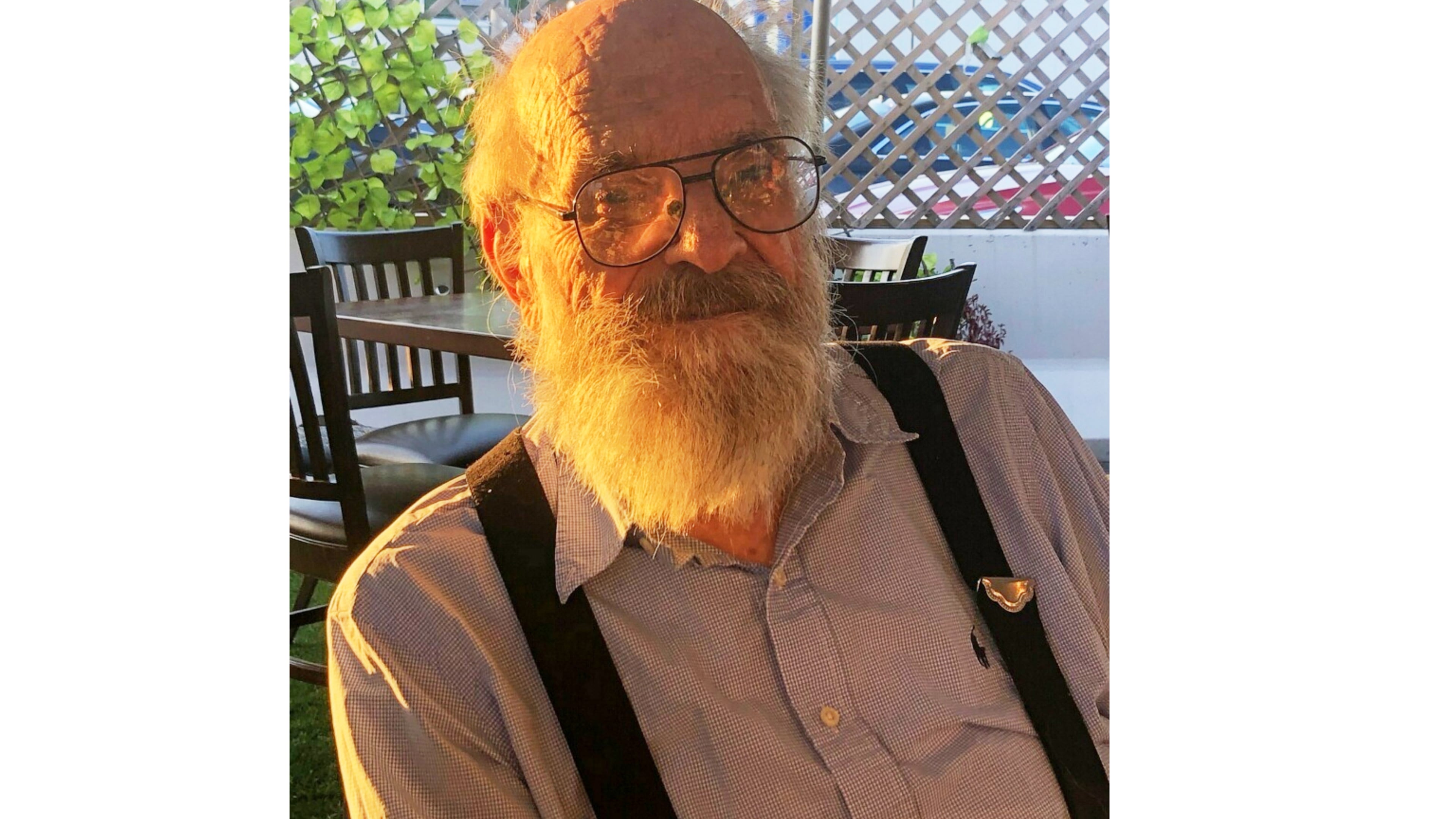
NEW YORK (AP) — X.J. Kennedy, an award-winning poet, author, translator and educator who schooled millions of students through "The Bedford Reader" and other textbooks and engaged voluntary readers with his children's stories and intricate, witty verse, died Sunday at 96.
Kennedy died of natural causes at his home in Peabody, Massachusetts, according to his daughter, Dr. Kate Kennedy.
Born Joseph Charles Kennedy, he chose the professional name X.J. Kennedy as a young man to avoid confusion with Joseph P. Kennedy, the former ambassador to Britain and father of President John F. Kennedy. Starting in the early 1960s, he turned out dozens of poetry and children's books, contributed to the popular Bedford Reader and collaborated with the poet and onetime National Endowment for the Arts chair Dana Gioia on anthologies of poetry, drama and fiction.
"I write for three separate audiences: children, college students (who use textbooks), and that small band of people who still read poetry," Kennedy once observed.
The Bedford Reader, established in the early 1980s, is a widely used composition book for college students that has included everything from the Rev. Martin Luther King Jr.'s “I Have a Dream" speech to the classic Shirley Jackson story “The Lottery.” Kennedy edited the Reader along with his wife, Dorothy; Jane E. Aaron and Ellen Kuhl Repetto. The goal, they stated, was “to show you how good writers write" and not to feel “glum if at first you find an immense gap” between yourself, and, say, E.B. White.
Kennedy's poems, some published in The New Yorker and The Atlantic, were rhyming vignettes on everyday and macabre matter such as bartending, aging and the discovery of a severed arm. They were brief, often light-hearted in tone and dark and unsettling in content. In "Innocent Times," Kennedy mocks the idea that the country was better off during the "Mad Man" era, looking back to when doctors "puffed their cigarettes" and "cheap thermometer and thermostat/leaked jets of mercury like poison darts." The poem "Fireflies" shifts abruptly from the calm of a twilight lawn to the horrors of the war on terrorism.
Complacently we watched them glow
Like kindly lantern lights that sift
Through palm fronds in Guantánamo
On the torture squad's night shift
His awards included a Los Angeles Times book prize, the Poetry Society of America's Robert Frost Medal for lifetime achievement and the Jackson prize from Poets & Writers for an “American poet of exceptional talent who deserves wider recognition.” He taught English at the University of Michigan, the Woman's College of the University of North Carolina (now UNC-Greensboro), and Tufts University, among other schools. In the 1970s, he served as the Paris Review's poetry editor.
A native of Dover, New Jersey, he was an intrepid young man who wrote and published science fiction and helped found the Spectator Amateur Press Association, a leading science fiction fandom organization in which members have included Harlan Ellison, Robert Silverberg and Lenny Kaye. After attending Seton Hall and Columbia University, Kennedy served briefly in the Navy in the 1950s. At the University of Michigan, he worked for several years on a Ph.D. in the 1950s and 1960s and never finished his dissertation. But he did meet his future wife and professional collaborator, Dorothy Mintzlaff, who died in 2018. They had five children and six grandchildren.
His first book, "Nude Descending a Staircase: Poems, Songs, a Ballad," was published in 1961. His children's books included "One Winter Night in August and Other Nonsense Jingles" and the novel "The Owlstone Crown," while "In a Prominent Bar in Secaucus" is a compilation of poems from 1955 to 2007 that ends with a bon voyage for the text itself.
Go, slothful book. Just go
Fifty years slopping around the house in your sock-feet
Sucking up to a looking-glass
Rehearsing your face. Why
Don't you get a job?
___
This version has corrected the years of his Navy service.